


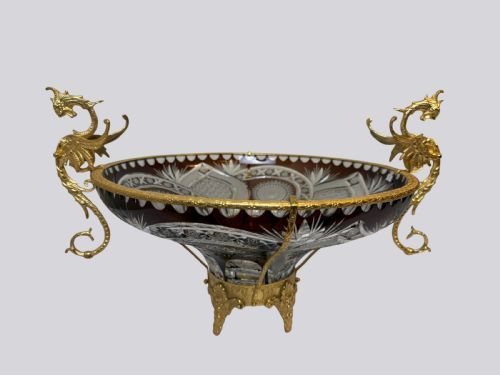
French Gilt Bronze Bowl
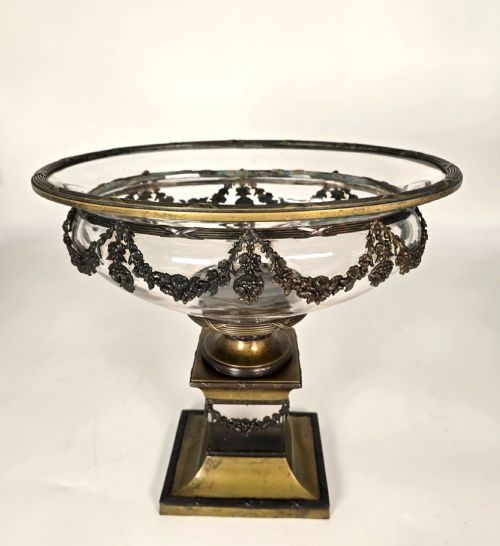
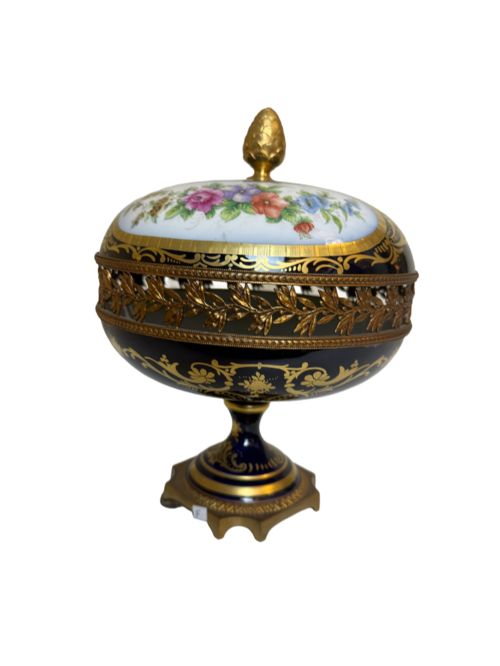
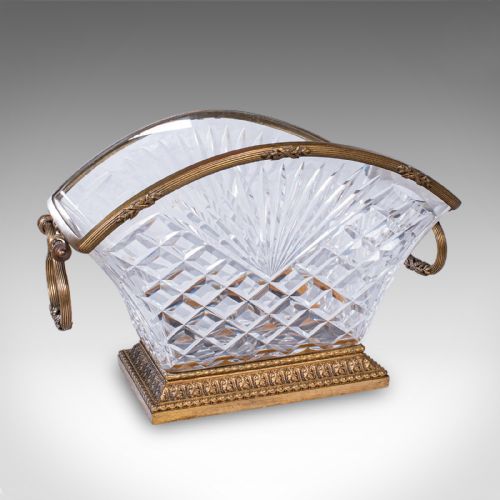
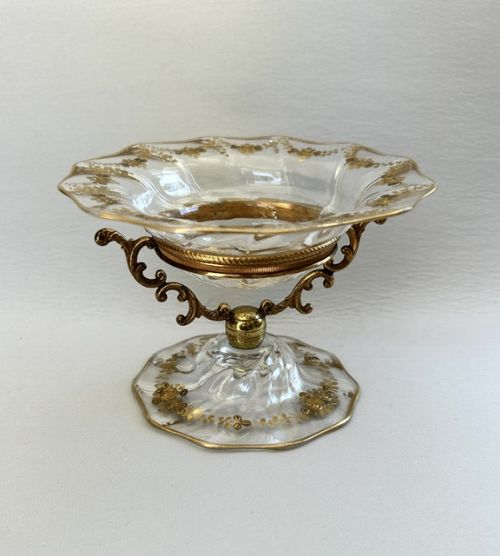
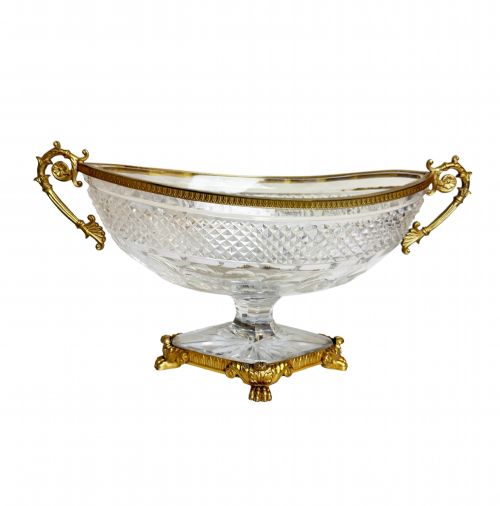
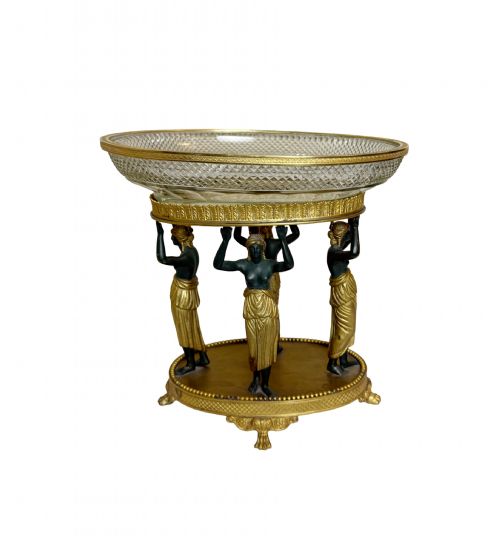
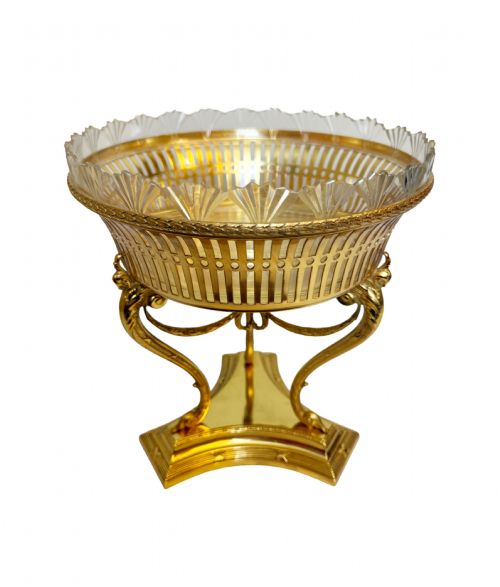
A french gilt bronze bowl brings heavy metal mounts, crystal vessels, and porcelain inserts together into centrepieces and tazzas from the nineteenth century.
French Gilt Bronze Bowl
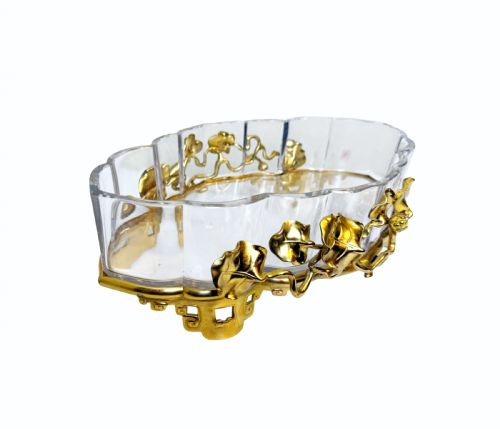
A french gilt bronze bowl appears in forms such as centrepieces, tazzas, jardinieres, and decorative dishes, often combining metal frames with glass, crystal, or porcelain inserts. These objects originate from the nineteenth century, spanning periods from the early eighteen-hundreds through to the turn of the twentieth century under Victorian and Edwardian influences.
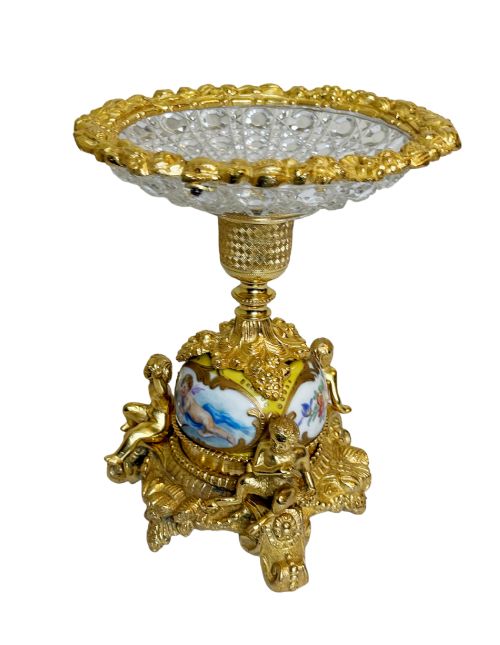
Buyers most frequently encounter centrepiece bowls and tazzas mounted on pedestals or stands, frequently styled in French Empire, Rococo Revival, or Chinoiserie aesthetics. Many pieces incorporate porcelain bodies from Sevres, Limoges, or Paris alongside the core metal framework.
Materials and Techniques
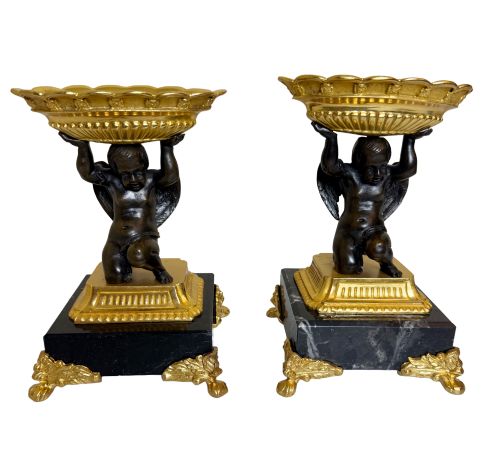
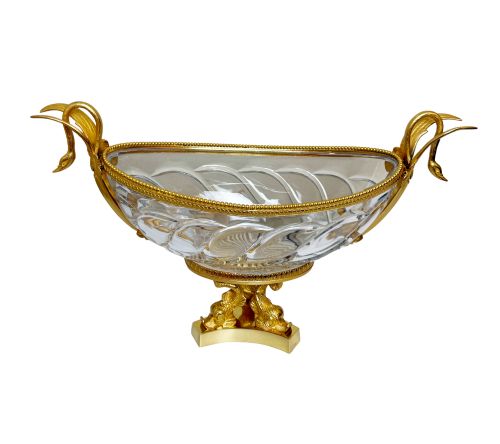
Maker workshops utilised gilt bronze and ormolu to form the structural frames, handles, and mounts, often casting figural details like cherubs and mermen. These metal elements combine with hand-cut crystal, moulded glass, and glazed porcelain bowls.
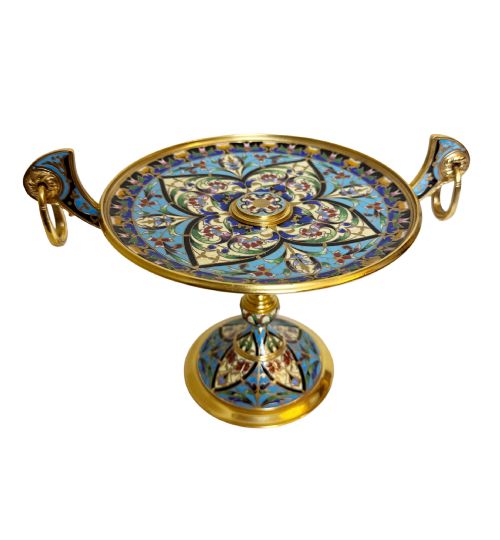
Additional ornamentation includes champlevé enamel, cloisonné enamel, green onyx, marble, and malachite panels integrated directly into the bronze armature.
Listings incorporate materials such as cut crystal, Sevres style porcelain, champlevé enamel, green onyx, and marble across nineteenth-century forms.
Quality and Distinction
The fineness of a french gilt bronze bowl depends on the crispness of the metal casting and the depth of the fire-gilding. Superior examples display intricate chiselling on the bronze surfaces and well-integrated porcelain or cut crystal inserts.
Pieces featuring secondary materials like champlevé enamel, hardstones, or figural bronze work indicate higher workshop execution compared to simpler glass vessels with basic metal mounts.
Christofle Paris·Louis Pierre Malpass·Samson
The French Gilt Bronze Bowl Glossary
- Ormolu
- Gilded bronze produced by applying a mercury and gold amalgam to a bronze base and heating it. This technique creates a durable golden finish seen on nineteenth-century mounts.
- Tazza
- A shallow bowl or dish raised on a high foot and stem. These stemmed vessels serve as decorative centrepieces.
- Champlevé
- An enamelling technique where troughs or cells are hollowed out of the metal surface and filled with vitreous enamel. The piece is then fired and polished flat.
- Jardiniere
- An ornamental receptacle designed to hold plants or flowers. In this context, they feature bronze frames with ceramic or glass linings.
- Comport
- A shallow standing dish used for serving fruit or sweets on a table. They often match the style of porcelain garnitures.
French Gilt Bronze Bowl: Frequently Asked Questions
What is a French gilt bronze bowl used for?
These vessels function primarily as decorative centrepieces on dining tables, sideboards, or mantelpieces. Many were designed to hold fruit, flowers, or to stand alone as display items.
Larger jardinieres accommodated growing plants, while tazzas and comports held sweetmeats during formal nineteenth-century dining.
How do I date a nineteenth-century centrepiece?
Dating relies on stylistic clues, material combinations, and manufacturing techniques recorded across the piece. Empire style pieces point to the early decades, while Rococo Revival and champlevé enamel elements indicate the later Victorian period.
Maker marks, porcelain factory stamps, and the type of cut crystal or glass offer further chronological markers.
Are the porcelain inserts removable?
Many porcelain bowls, glass inserts, and crystal liners sit within the bronze frame rather than being permanently fixed. This construction allowed for easier cleaning and manufacturing.
Care should be taken when handling these pieces to check how the insert secures to the metal mount.
What is the difference between gilt bronze and ormolu?
Gilt bronze and ormolu refer essentially to the same decorative surface treatment of applying gold to a bronze substrate. Ormolu specifically denotes the historic mercury gilding process common in French metalwork.
Both terms describe the bright golden finish found on nineteenth-century frames and mounts.