
Antique Ormolu Centrepiece
When you search for an antique ormolu centrepiece, you are looking at gilded bronze table decorations designed to anchor a formal dining table or sideboard.
Antique Ormolu Centrepiece
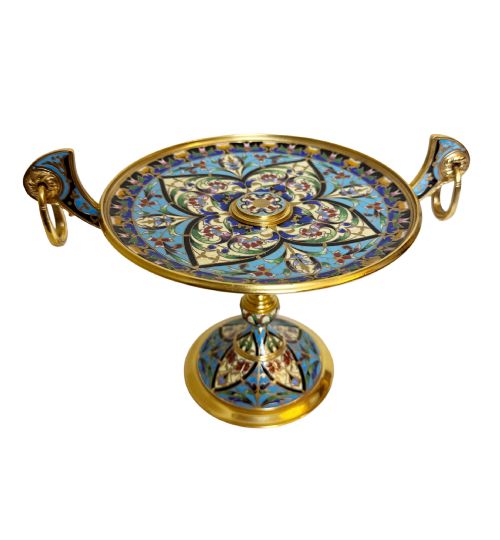
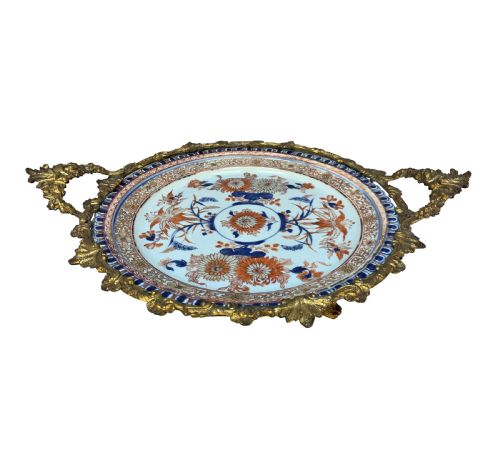
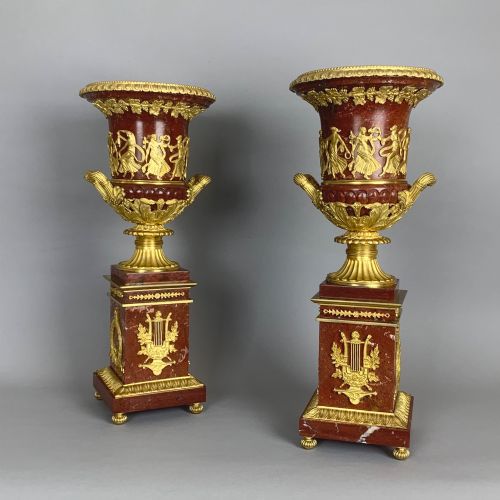
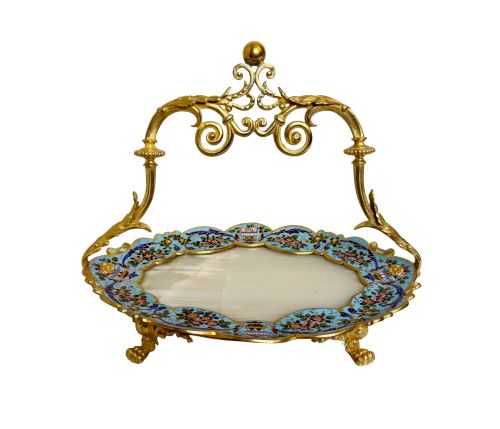
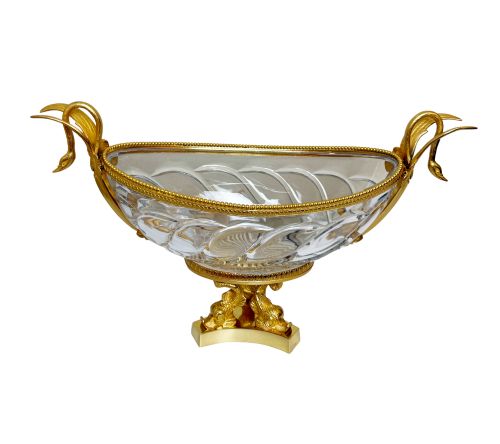
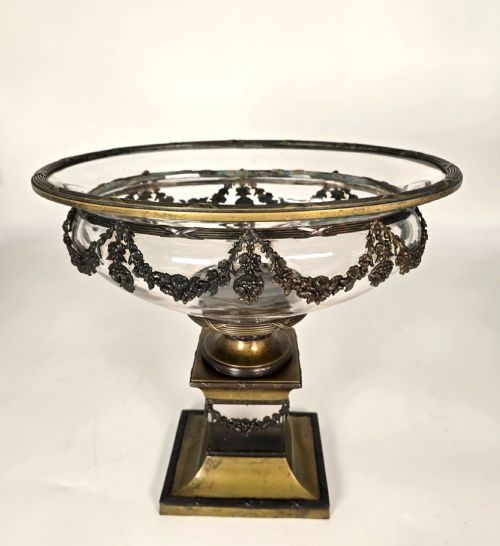
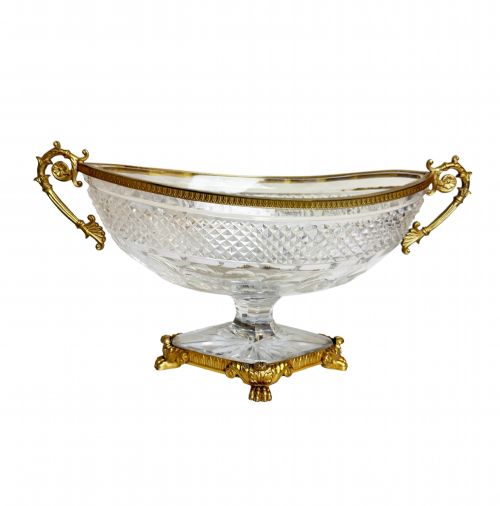
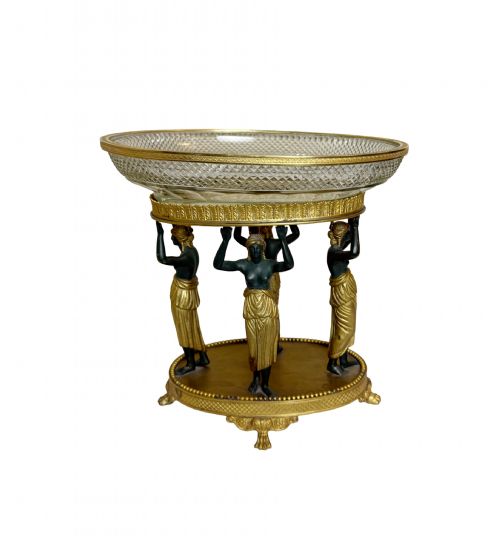
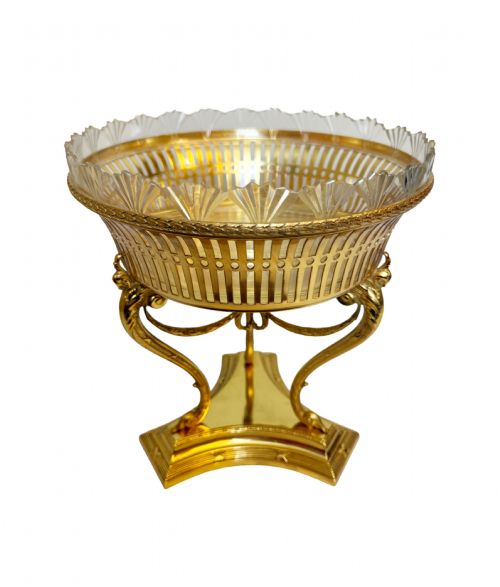
An antique ormolu centrepiece takes the form of heavy metal frames fitted with glass inserts, porcelain bowls, or carved stone tazzas. The objects seen on this page span the nineteenth century, including the Regency and Victorian periods, alongside French Empire and Rococo Revival styles.
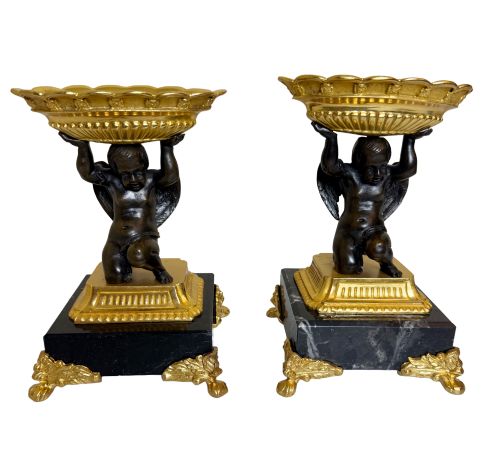
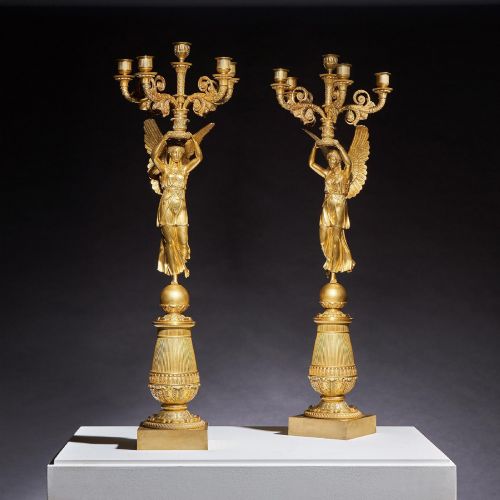
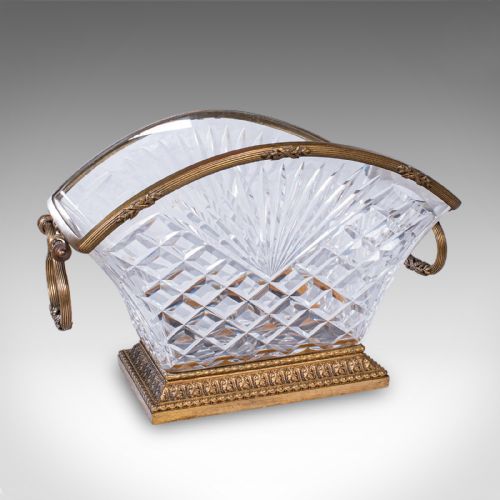
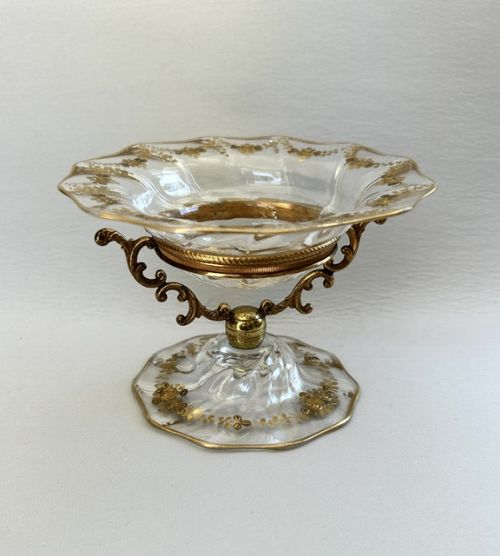
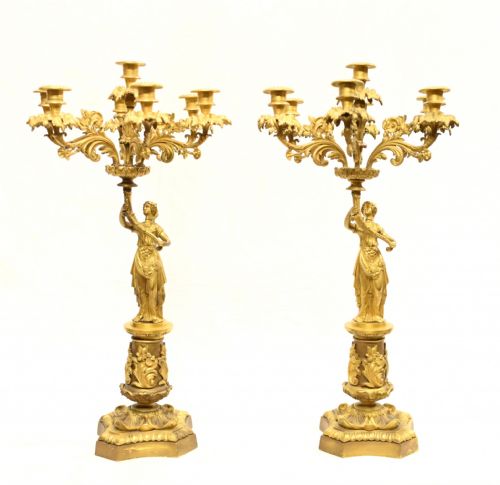
The primary category covers open dishes, pedestal bowls, and tazzas, often accompanied by matching candelabra and urns. These pieces combine cast metal mounts with decorative bodies made from cut crystal, marble, onyx, and hand-painted porcelain.
Originating largely from French workshops, these centrepieces reflect Grand Tour influences and classical motifs. Buyers encounter both single footed bowls and matched pairs designed to hold fruit or floral arrangements.
How They Were Made
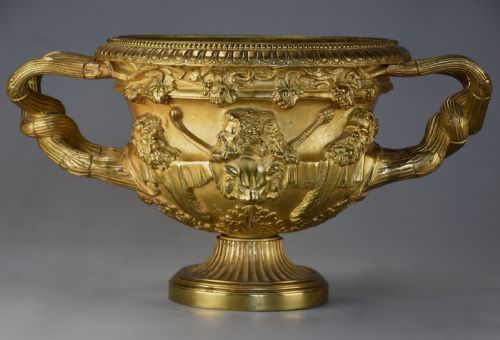
The manufacture of these pieces relies on the union of fire-gilded bronze, known as ormolu, with contrasting elements of glass, porcelain, and stone. Artisans cast the bronze components using traditional foundry methods before applying mercury gilding to achieve a deep, enduring lustre.
Cut crystal inserts and glass bowls are heavy and thick, shaped by blowing and wheel-cutting to catch the light. Stonework such as marble, green onyx, and malachite is precision-turned and polished to provide solid bases and central pillars for the metal mounts.
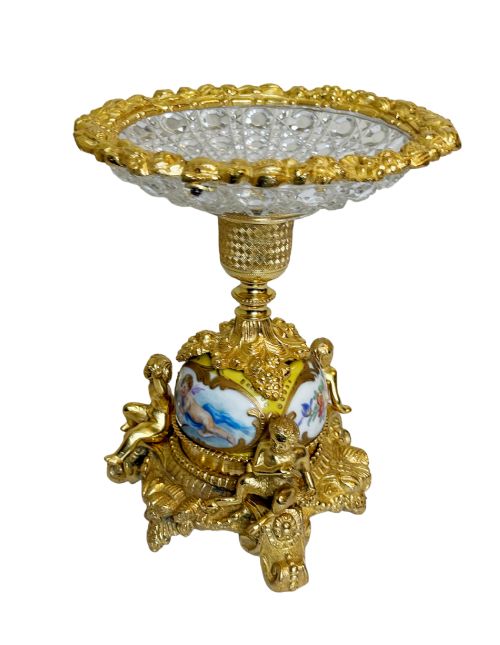
Several nineteenth-century centrepieces feature cheeky cherubs and mermen peering out from the gilt bronze foliage.
What Varies in Quality
The crispness of the bronze chasing dictates the visual hierarchy of these objects, separating sharp, hand-finished acanthus leaves and figurative details from soft, mass-produced castings. Superior examples exhibit deep undercut work and precise assembly where the metal meets the glass or porcelain.
The integrity of the gilding and the quality of the inserted materials create further distinction. Intact mercury gilding with varied matte and burnished finishes contrasts against flat, modern plating, while undamaged hand-cut crystal and unblemished natural stone elevate the piece.
Pierre Philippe Thomire
The Antique Ormolu Centrepiece Glossary
- Ormolu
- Gilded bronze produced by applying a mercury and gold amalgam to cast metal and heating it until the mercury vaporised. This historic technique leaves a rich, golden surface finish.
- Tazza
- A shallow saucer-like dish mounted on a stem and foot, used historically for serving food or displaying fruit. These vessels form a core part of nineteenth-century tables.
- Champlevé
- An enamelling technique where troughs or cells are hollowed out of the metal surface and filled with vitreous paste before firing. This adds colourful geometric or floral patterns to the bronze frame.
- Jardiniere
- A decorative ornamental pot or stand designed to hold growing plants or cut flowers. In metal and glass configurations, they often serve as low centrepieces.
- Candelabra
- Branched lighting fixtures designed to hold multiple candles, frequently styled to match centrepiece bowls on formal dining tables.
Antique Ormolu Centrepiece: Frequently Asked Questions
How were these centrepieces used?
Historically, these pieces occupied the middle of the dining table during formal meals. They held fruit, sweetmeats, or floral displays to impress guests and complement the room's decor.
In modern settings, they function as standalone decorative objects on sideboards, mantels, or large tables, requiring little maintenance beyond gentle dusting.
How do I tell Empire style from Rococo Revival?
Empire style pieces display strict symmetry, military motifs, and classical architectural references inspired by ancient Greece and Rome. They favour clean lines and patinated bronze contrasts.
Rococo Revival pieces embrace asymmetrical curves, naturalistic leaf scrolls, and exuberant floral ornamentation. This style feels more organic and fluid compared to the rigid geometry of the Empire period.
Are the glass inserts usually original?
Many nineteenth-century pieces retain their original heavy cut crystal or pressed glass inserts, shaped specifically to fit the bronze frames. Slight variations in the glass thickness can indicate period hand-blowing techniques.
Replacement glass inserts appear frequently due to the fragile nature of glass over long periods, though well-matched replacements still complement the antique mount.