
French Fruitwood Table
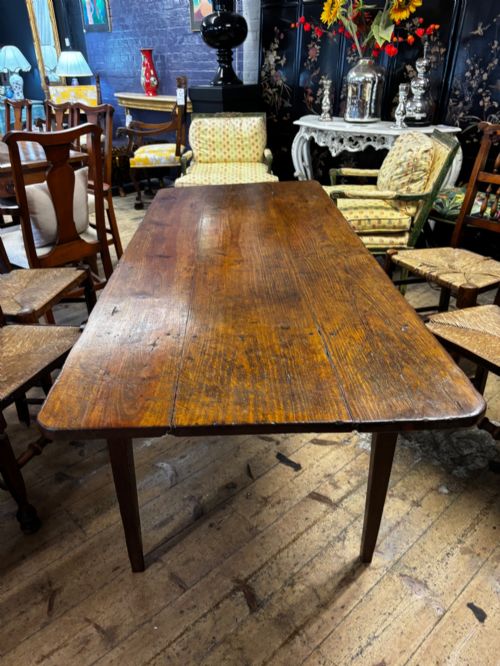
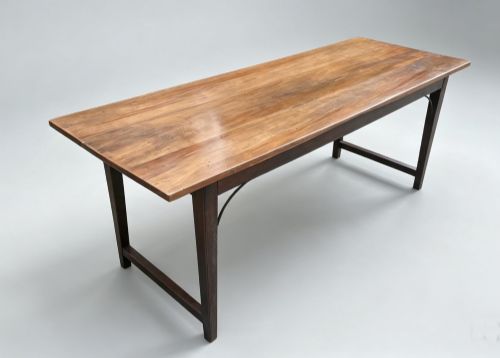
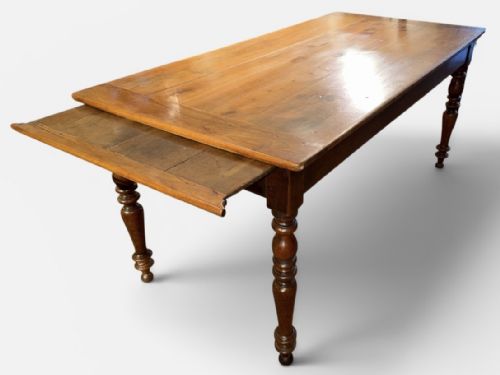
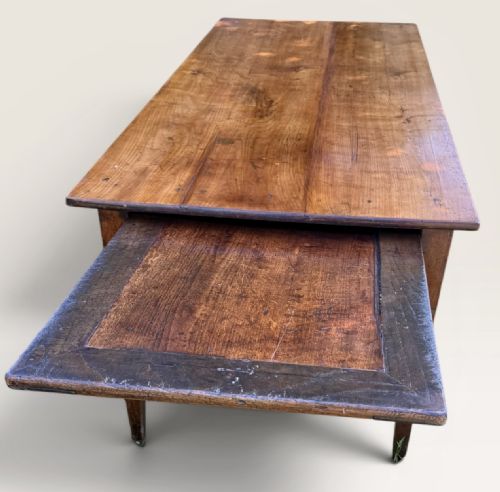
These pieces are a french fruitwood table, built for domestic labour and daily meals in rural kitchens.
French Fruitwood Table
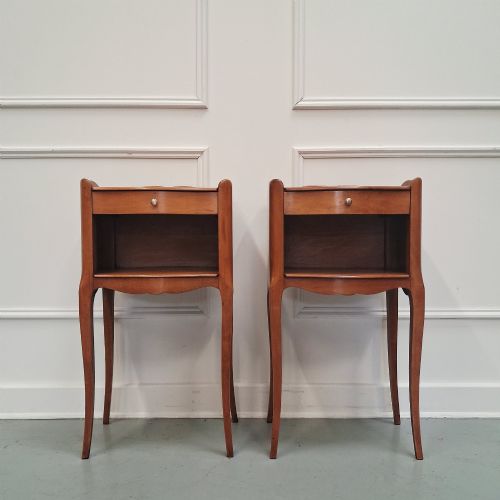
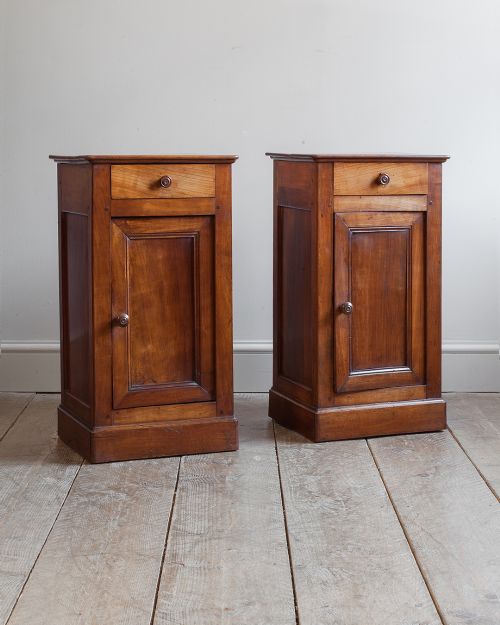
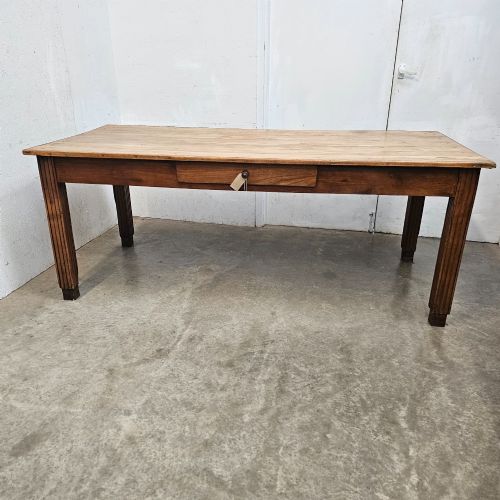
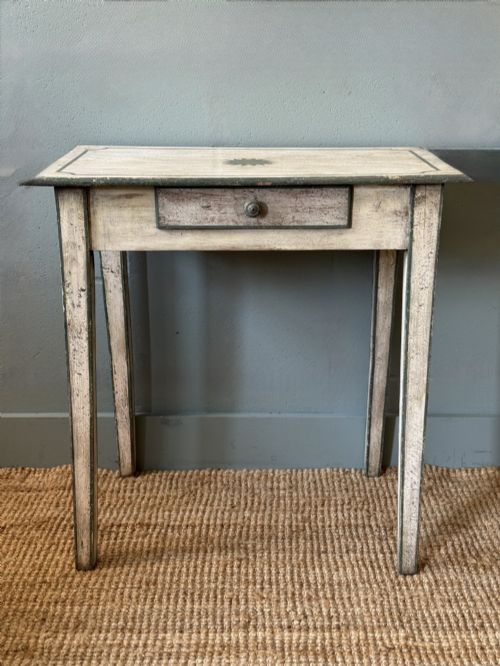
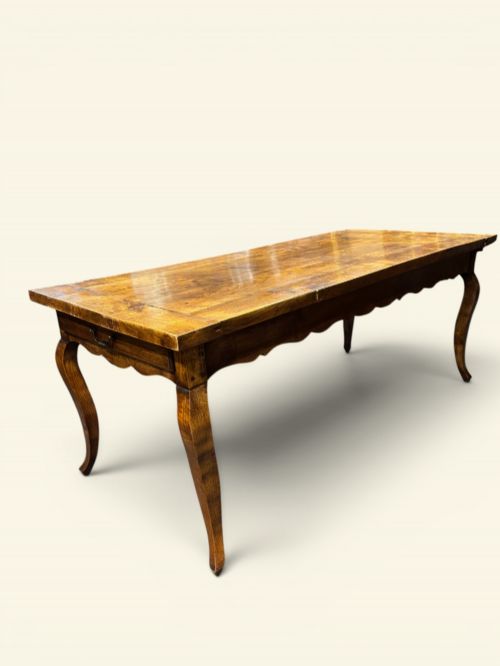
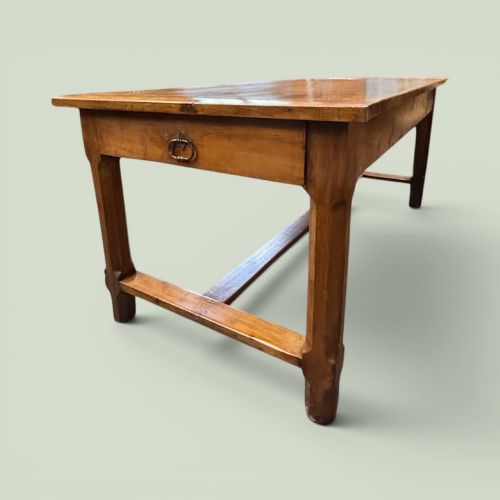
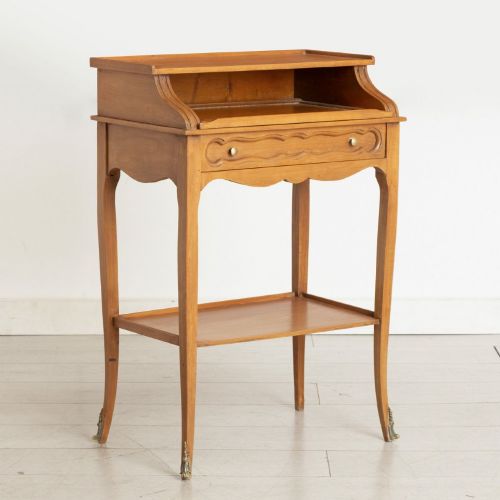
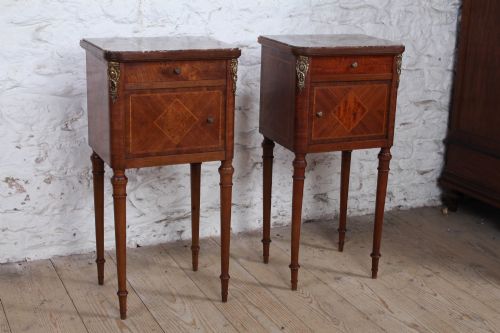
A french fruitwood table primarily takes the form of a farmhouse dining table, often equipped with extending leaves, bread slides or drawers. These large dining boards are supplemented by smaller occasional pieces like side tables, writing desks, bedside cupboards and coffee tables.
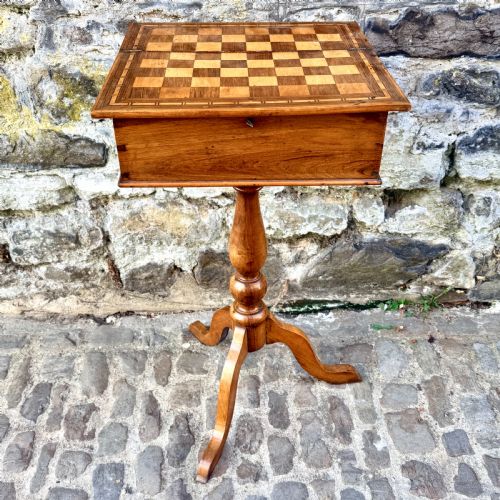
The material spans periods running from the nineteenth century into the early twentieth century, alongside regional iterations reflecting provincial or rustic country styles. Examples range from simple refectory boards to specialised forms such as vendange tables and games tables.
Craftsmanship and proportion
Quality rests in the selection of timber, the integrity of the joinery and the balance of the proportions. Tables with well-figured fruitwood planks and robust, original framing stand apart from simpler utility boards.
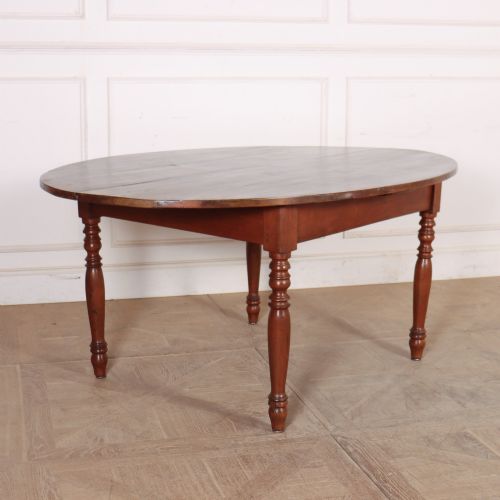
Refinement in turning on legs, the integration of functional elements like bread slides or multiple drawers, and restrained decorative carving elevate certain examples above standard workshop output.
Listings feature nineteenth-century and early twentieth-century pieces built from fruitwood, cherrywood, oak, and pine in provincial styles.
Paul Garnier·Cesar Bagard·Perrin
The French Fruitwood Table Glossary
- Fruitwood
- Timber sourced from fruit-bearing trees such as cherry, pear or apple, prized for a warm patina and fine grain. It forms the primary material for many provincial furnishings.
- Bread slide
- A pull-out wooden shelf positioned beneath the table top, historically used for slicing bread or cooling loaves. This feature is commonly found on provincial kitchen tables.
- Refectory table
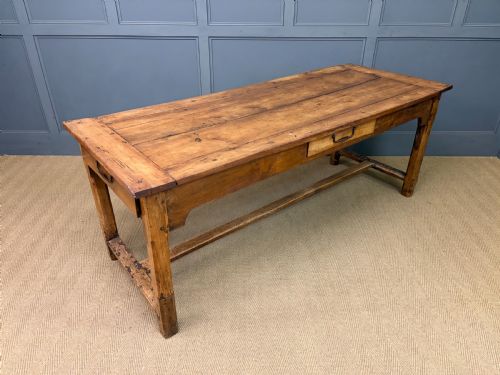
- A long, narrow dining table traditionally built for communal dining halls and adapted for domestic farmhouse kitchens. These boards usually feature stretcher bases for added stability.
- Vendange table
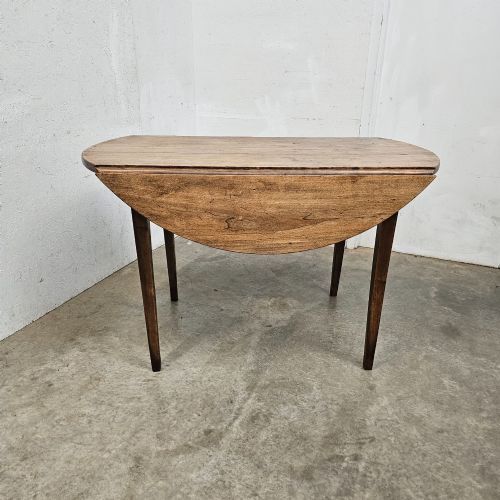
- A round table designed for use during grape harvests, often featuring a tilt-top mechanism for ease of storage. They are typical of French wine-producing regions.
- Draw leaf
- An extension system where auxiliary leaves slide out from beneath the main top to lengthen the surface. This mechanism allows a compact table to accommodate larger gatherings.
French Fruitwood Table: Frequently Asked Questions
What is a french fruitwood table?
A french fruitwood table is a traditional wooden furnishing built in regional France using timbers like cherry and apple. These pieces range from large kitchen dining tables to small bedside stands and writing desks.
Built for practical daily use, they embody provincial craftsmanship and often feature useful additions like drawers, bread slides or extending leaves.
How do I use a farmhouse table daily?
A farmhouse table serves as a central hub for dining, food preparation and daily writing tasks. Their sturdy construction handles heavy everyday use without difficulty.
Maintenance involves regular cleaning with a damp cloth and occasional waxing to nourish the fruitwood timber and preserve its natural sheen.
How can I tell the period?
Dating relies on examining construction methods, tool marks on the timber and stylistic cues. Nineteenth-century pieces often display hand-planed surfaces and pegged joinery.
Later pieces from the twentieth century may incorporate veneer work, marble tops or distinct stylistic revivals such as Louis XVI or Art Deco forms.
Are fruitwood tables durable?
Fruitwood timbers possess a dense grain that provides excellent strength and resilience for household furniture. Tables constructed from these woods withstand decades of daily family life.
Over time, the timber develops a rich patina that masks minor marks and enhances the character of the surface.