
French Framed Mirror
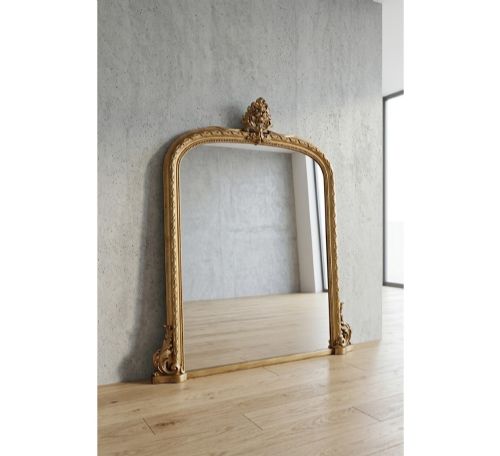
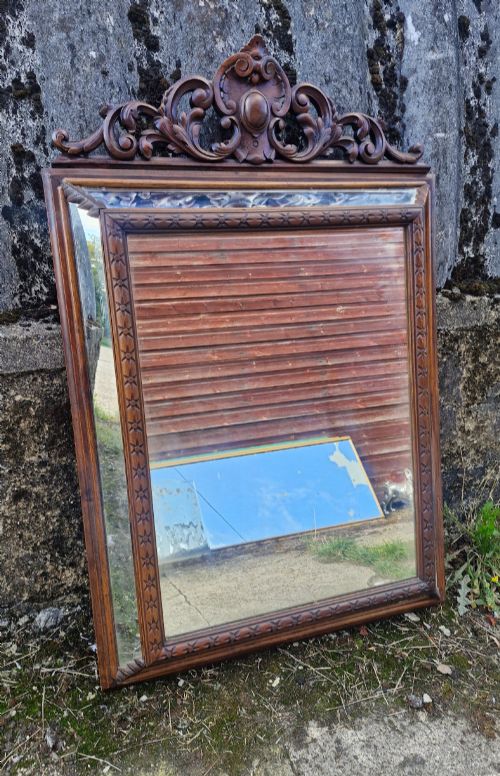
When choosing a french framed mirror, a buyer selects from carved wooden and gilded wall pieces spanning the eighteenth to early twentieth centuries.
French Framed Mirror
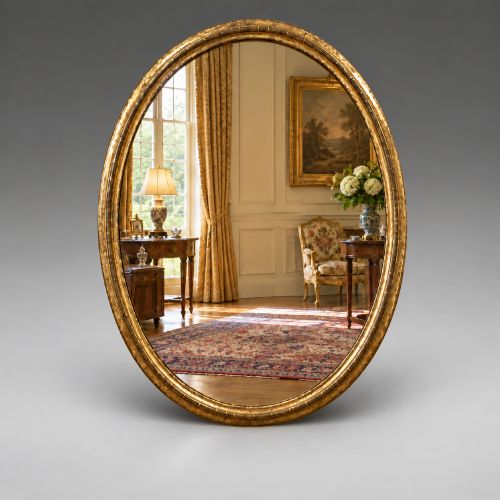
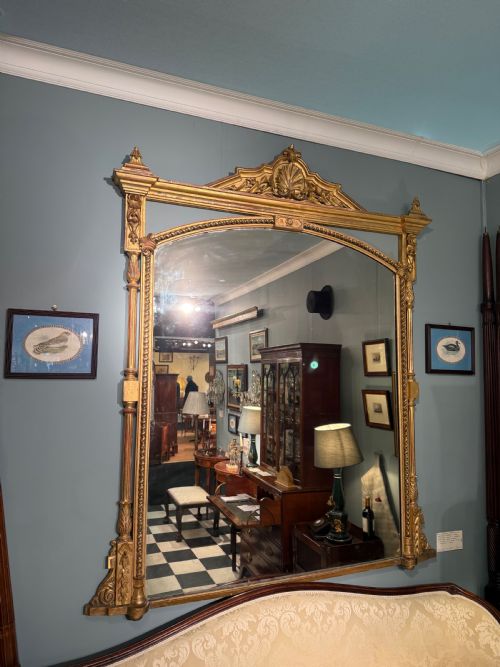
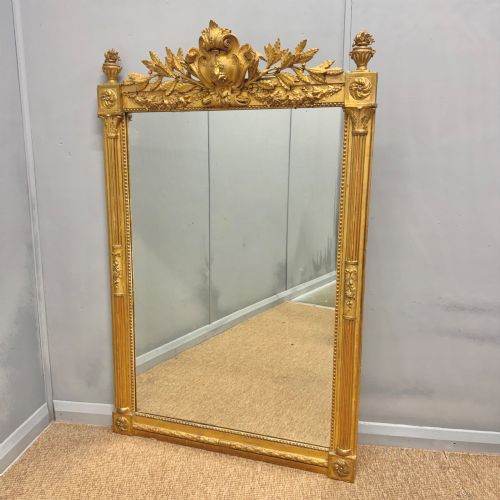
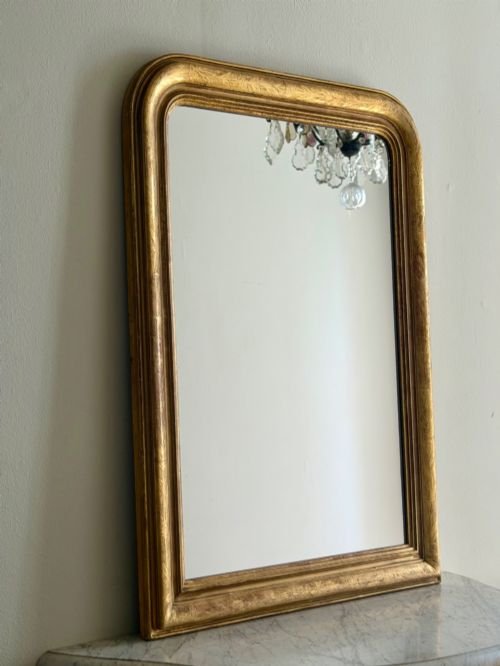
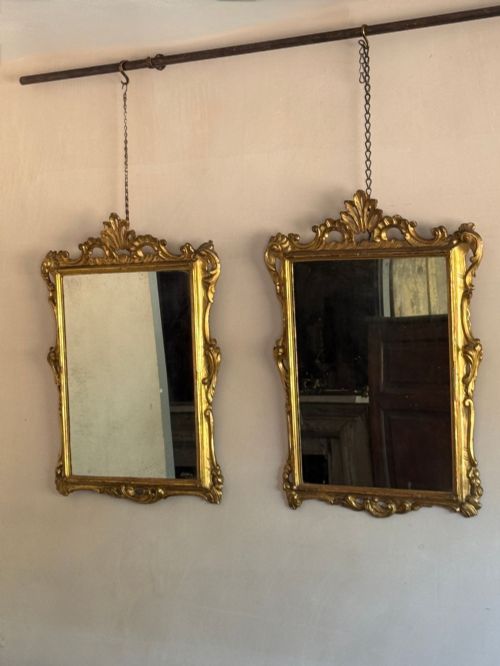
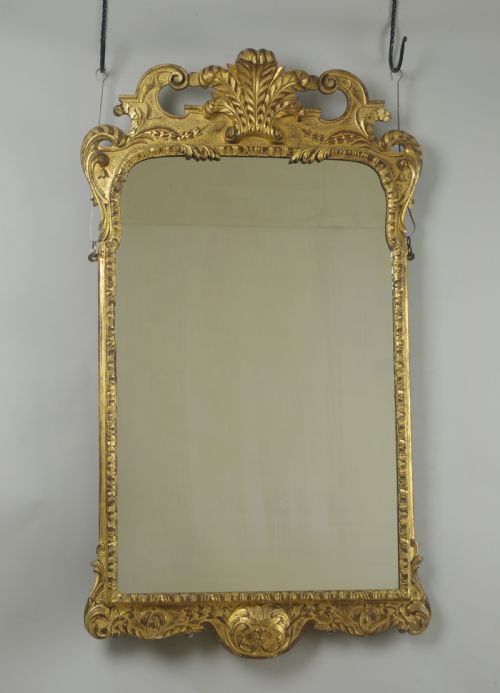
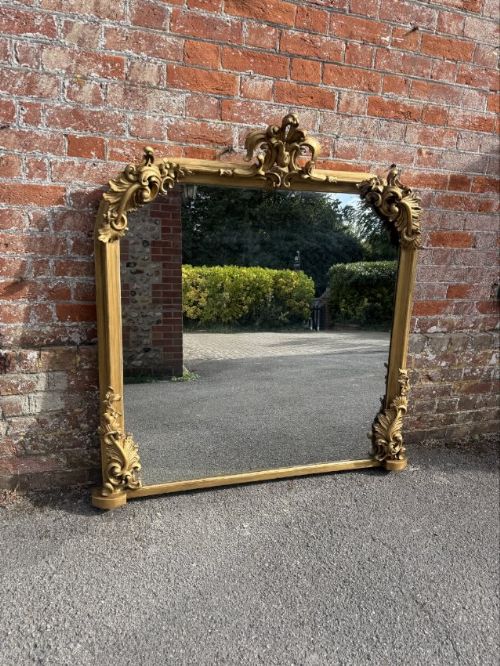
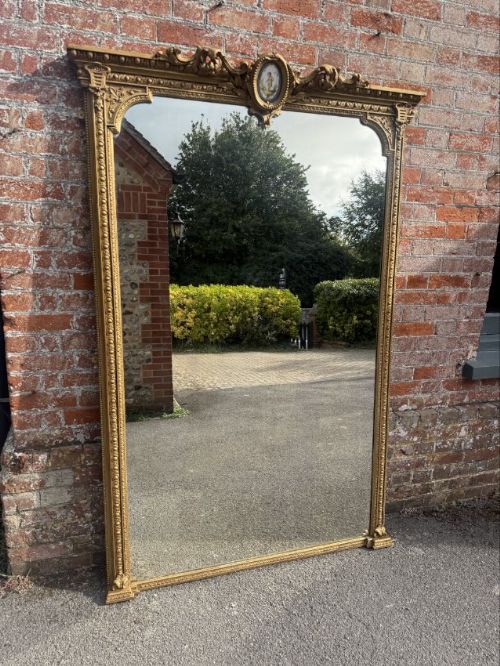
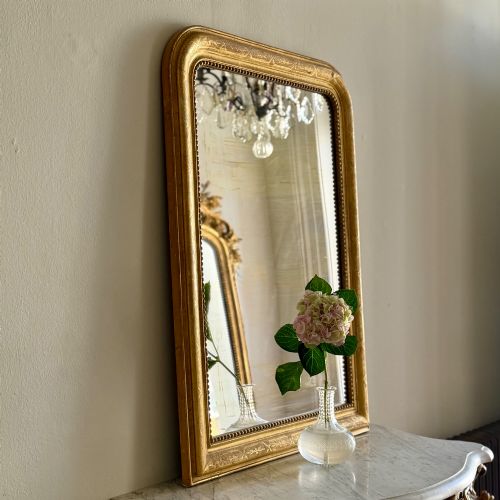
A french framed mirror encompasses wall-hung, overmantel, pier, and table formats originating primarily from the nineteenth century alongside earlier eighteenth-century examples. The selection includes Louis Philippe, Rococo Revival, and neoclassical styles featuring carved wooden or gesso ornamentation.
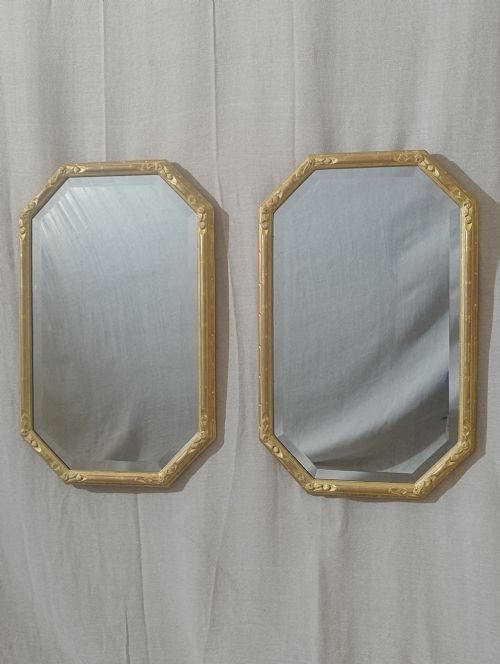
Buyers encounter gilded wood finishes, painted surfaces, and oak or pine frames often designed for principal rooms or grand salons. Many pieces retain original mirror plates, such as mercury glass or early bevelled glass.
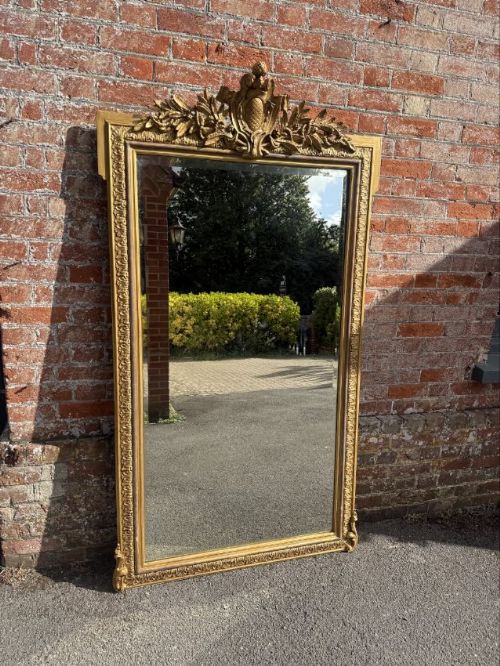
Overmantel variations and tall trumeau glasses dominate the larger formats, while smaller oval and rectangular wall mirrors offer restrained decorative detail.
How They Were Made
Craftsmen built timber frames using carved wood, frequently applying layers of gesso to build up intricate relief ornaments like floral garlands, ribbon crests, and classical columns. Gold leaf or silver leaf was then laid over the prepared surfaces, sometimes combined with painted or ebonised treatments.
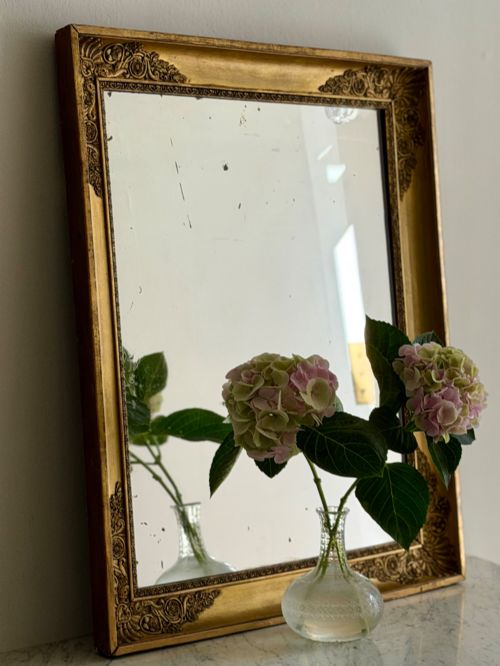
Mirror plates were produced by hand, resulting in characteristic imperfections or foxed silvering, particularly on mercury glass plates from the eighteenth and early nineteenth centuries. Joinery techniques involved pegged or jointed corners supporting heavy glass panels within substantial wooden rebates.
Certain Victorian wall mirrors incorporate unexpected faux bamboo frames, bringing an exotic botanical twist to traditional parlour decoration.
What Varies in Quality
The depth and crispness of the hand carving dictate visual hierarchy, separating deeply undercut floral and architectural wooden details from flatter moulded composition work. Originality of surface finish, whether undisturbed gilding or authentic period paint, determines historical integrity.
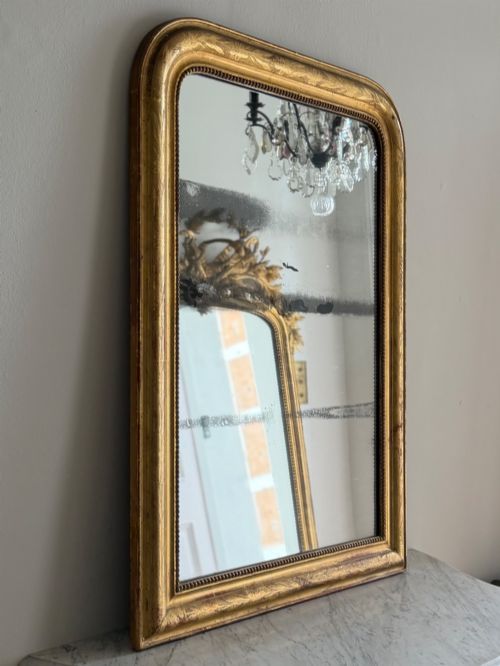
The survival of original mirror glass with natural foxing adds considerable character compared to later replacement plates. Frame structural stability and the retention of original backboards indicate careful preservation across generations.
The French Framed Mirror Glossary
- Gesso
- A plaster-like mixture applied to wooden frames as a smooth base for gilding or painting. It allows craftsmen to mould intricate relief decorations.
- Mercury Glass
- A type of mirror plate produced by pouring a mercury and tin amalgam behind double-walled glass. This technique creates characteristic dark spots and foxing over time.
- Trumeau
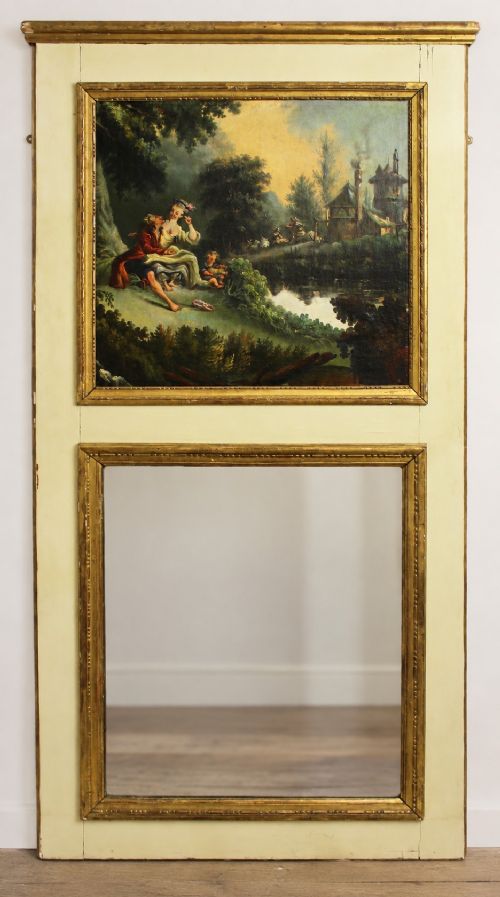
- A decorative wall mirror combined with a panel or painting above, frequently integrated into period interior architecture. These tall pier mirrors traditionally hung between windows.
- Louis Philippe
- A mid-nineteenth-century French style characterised by simple architectural lines, often featuring rounded upper corners and restrained ogee frame profiles.
- Gilding
- The application of gold leaf or metal powder to a prepared surface to create a lustrous metallic finish. Artisans burnished the gold to achieve varying levels of reflection.
French Framed Mirror: Frequently Asked Questions
How do I date a french framed mirror?
Dating relies on combining the stylistic vocabulary of the frame with construction methods and glass characteristics. Eighteenth-century examples display distinct carving depths and mercury plates, while nineteenth-century pieces often follow Louis Philippe or Rococo Revival canons.
Examining the backboards, fixings, and joinery reveals further chronological clues. Older frames use hand-cut timber and early screws or nails rather than modern hardware.
What is mercury glass?
Mercury glass refers to mirror plates silvered using a mercury amalgam technique common before the mid-nineteenth century. This process produces atmospheric clouding and dark spots known as foxing.
Collectors prize original mercury plates for their soft, uneven reflection and historical authenticity. The glass often shows subtle waviness and handmade characteristics.
How do I hang a heavy antique mirror?
Heavy carved wood and gesso frames require secure wall fixings distributed evenly across the structure. Professional wall anchors suited to brick or stud construction are essential for supporting substantial weights safely.
Many overmantel and pier mirrors were originally designed to rest on a mantelpiece while secured to the wall at the top. Checking the integrity of the frame joints and backing before hanging ensures the piece remains supported.
What is a trumeau mirror?
A trumeau mirror incorporates a vertical glass plate paired with an upper wooden panel, carving, or oil painting. These pieces were traditionally designed to fit specific wall spaces between windows in French interiors.
The format combines architectural presence with decorative artwork, creating a focal point in reception rooms. Surviving examples offer insight into period domestic design.