


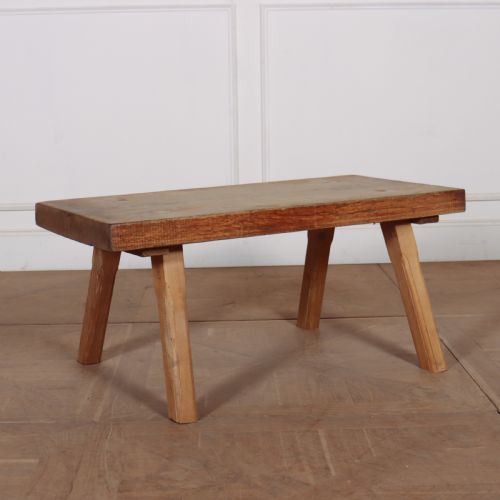

French Farmhouse Low Table
These French farmhouse low table examples bring grounded utility and rich patinated timber directly into a room.
French Farmhouse Low Table
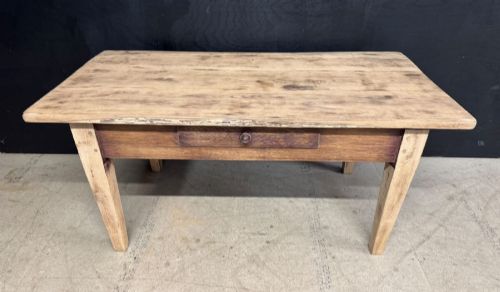
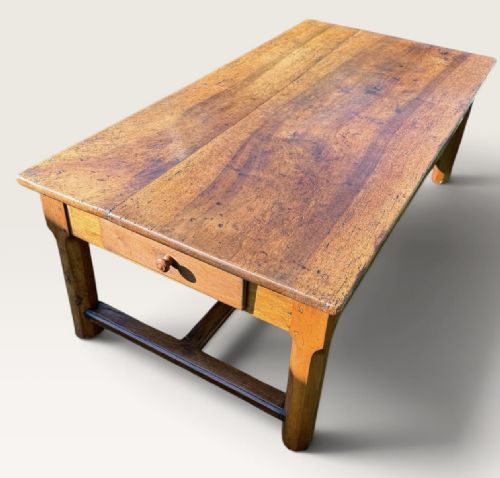
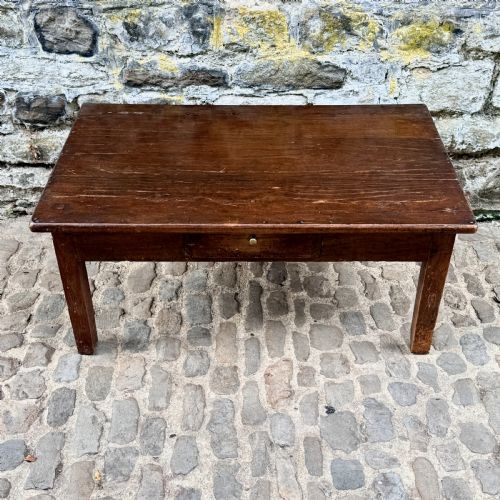
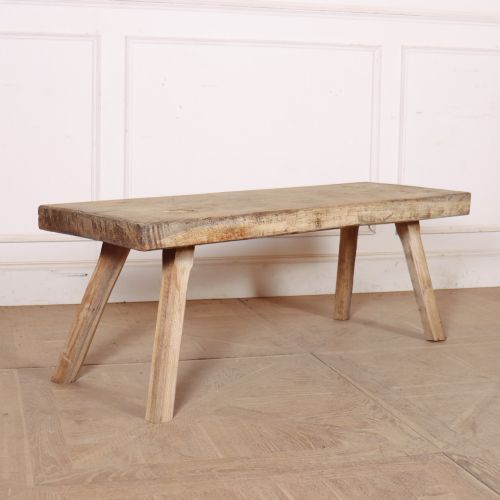
A french farmhouse low table is a substantial, low-slung piece of furniture built for daily domestic life in rural France, usually repurposed or created in coffee table proportions from older forms. Buyers searching for a french farmhouse low table encounter coffee tables and trestle tables originating across the nineteenth and eighteenth centuries.
The pieces appearing on this page span styles from rustic farmhouse and french provincial to rustic country and french country. Most examples date from the nineteenth century, including specific years like eighteen eighty, eighteen ninety, eighteen fifty, and eighteen sixty, alongside earlier eighteenth century pieces.
Forms include large coffee tables, trestle tables, and specific variants featuring side drawers, lift tops, or bread prep surfaces. Walnut, oak, and cherry wood dominate the listings, alongside chestnut, fruitwood, sycamore, and elm.
Materials and construction
Cabinetmakers and rural joiners constructed these tables using solid regional hardwoods such as oak, walnut, cherry wood, and fruitwood, often combining secondary timbers like sycamore, chestnut, and elm. Surfaces frequently show the marks of hand-planing and scrubbing, resulting in bleached or natural timber finishes that highlight the grain.
Joinery relied on traditional pegged mortise and tenon construction designed for heavy daily use, occasionally incorporating practical additions like brass hardware and side drawers. Structural elements range from robust four-leg frames to trestle bases, reflecting the utilitarian origins of pieces adapted from larger work tables.
Listings feature four distinct styles: rustic farmhouse, french provincial, rustic country, and french country.
Judging quality and character
Quality in a french farmhouse low table rests upon the depth of the timber's patina and the integrity of its original construction rather than decorative excess. Tables retaining honest surface wear from centuries of use demonstrate a superior character compared to heavily refinished examples.
The choice of primary wood dictates the visual weight, with dense walnut and figured cherry commanding attention through rich grain patterns, while scrubbed oak and sycamore offer lighter tones. Proportion and stability remain paramount, ensuring the low form sits securely while displaying balanced regional craftsmanship.
The French Farmhouse Low Table Glossary
- Patina
- The surface sheen and colour developed by wood through decades of handling, polishing, and ageing. It provides a visual record of a table's history.
- Trestle Table
- A table structure consisting of two or more vertical supports connected by a horizontal beam. This form provides sturdy ground clearance.
- Fruitwood
- A general term for timber harvested from fruit-bearing trees such as pear, apple, or cherry. It yields a warm, fine-grained surface.
- Scrubbed Finish
- A wood treatment resulting from repeated vigorous washing with water and stiff brushes. This process leaves the grain raised and bleached.
- Lift-Top
- A hinged tabletop configuration providing concealed storage beneath. It allows access to an interior compartment without disturbing the surface.
French Farmhouse Low Table: Frequently Asked Questions
What is a french farmhouse low table?
A french farmhouse low table is a sturdy, low-profile wooden table used as a coffee table, derived from traditional rural French furniture.
These pieces utilise regional hardwoods like oak, walnut, and cherry wood, often retaining patinated surfaces from nineteenth and eighteenth century origins.
How were these tables used originally?
Many low tables started life as working furniture, including bread prep surfaces, trestle tables, or large utility tables in French provincial homes.
Over time, carpenters and owners adapted their height to serve as coffee tables while preserving their practical drawers and robust timber construction.
How do I care for a wooden low table?
Protect the patinated timber surface by using coasters and avoiding prolonged exposure to direct sunlight or moisture.
Feed the dry oak, walnut, or fruitwood periodically with natural beeswax to maintain the grain and prevent the wood from splitting.
How can I tell the age of a table?
Inspect the timber grain, hand-planed tool marks, and traditional joinery such as pegged mortise and tenon joints.
Dates range across the nineteenth and eighteenth centuries, identified through material choices like cherry wood and walnut alongside structural wear patterns.