



Vintage Bleached Wood Table
A vintage bleached wood table brings light, textured grain into a room through scrubbed surfaces and time-softened timber.
Vintage Bleached Wood Table
When you search for a vintage bleached wood table, you encounter substantial dining pieces, console tables, coffee tables, and bedside cabinets sourced largely from French provincial and farmhouse origins. The common thread is a pale, stripped finish that exposes the natural grain of oak and pine, moving away from dark, heavy polishes.
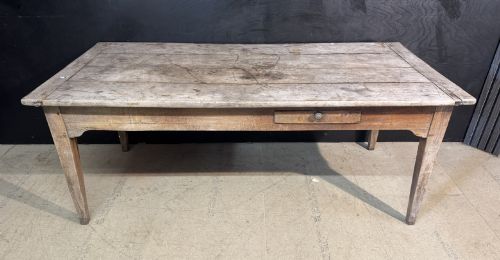
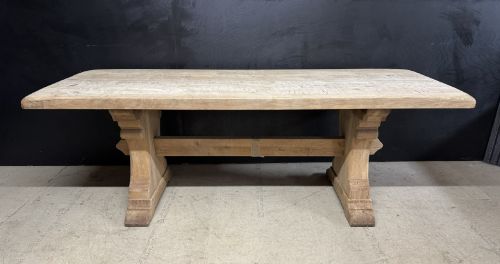
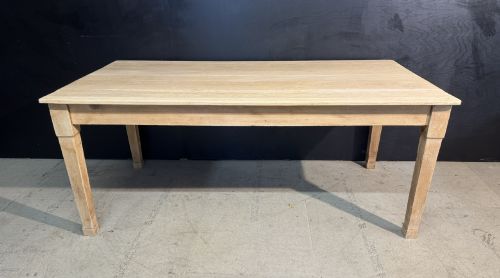
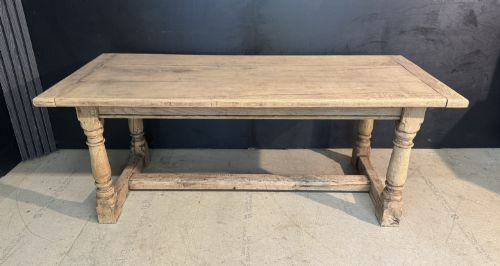
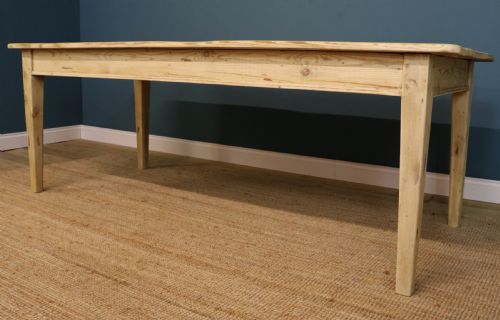
You are most likely to meet sturdy dining tables originating from the early twentieth century or the nineteenth century, often displaying scrubbed or bleached oak surfaces. These tables range from simple farmhouse formats to trestle designs and drapers tables, built to handle daily use while maintaining a lighter visual footprint in contemporary interiors.
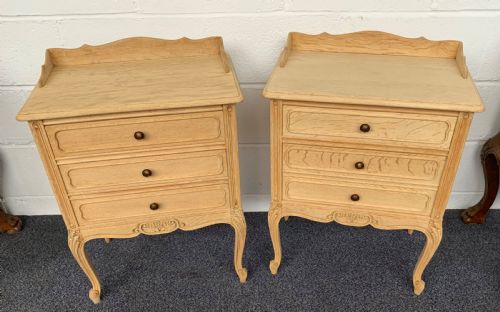
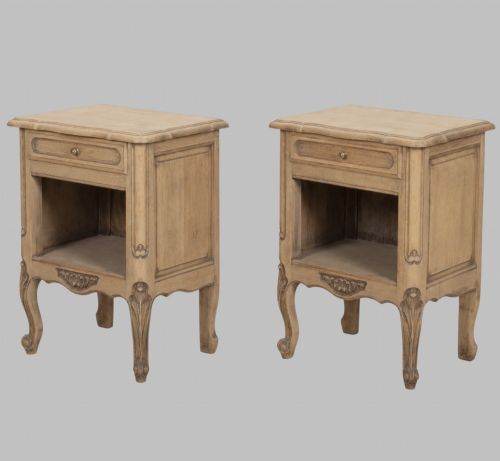
Alongside large dining formats, the selection includes smaller occasional pieces such as lamp tables, cricket tables, and bedside cabinets. These items share the characteristic pale timber treatment, allowing older craftsmanship to blend easily into modern living spaces.
How they were made
Makers constructed these tables primarily from solid timber, predominantly oak and pine, utilising traditional joinery methods suited to heavy daily domestic use. Surfaces were subsequently stripped or scrubbed to achieve the pale, bleached appearance characteristic of the group.
Construction details often include structural elements like potboards, trestle bases, and pegged joints, demonstrating practical joinery designed for stability. Iron and brass fittings appear occasionally on related cabinets and tables, providing functional hardware without detracting from the pale timber.
Listings span the nineteenth and early twentieth centuries, featuring oak, pine, and timber alongside French and English regional styles.
What varies in quality
The degree of original craftsmanship separates simpler utilitarian tables from more refined examples featuring carved details, balanced proportions, and substantial timber thickness. Superior pieces display thoughtful construction in the base and legs, ensuring the table remains stable despite the lightened nature of the wood.
The quality of the bleached surface itself varies according to how evenly the timber takes the pale tone while retaining its natural grain texture. A well-executed finish enhances the historic character of the wood rather than masking the underlying material.
The Vintage Bleached Wood Table Glossary
- Bleached oak
- Oak timber treated to lighten its natural tone, exposing the characteristic grain pattern in a pale finish. This treatment softens the formal appearance of older furniture.
- Trestle table
- A table comprising a horizontal beam supported by two trestle feet, offering stability and unobstructed legroom. This form is frequently seen in French provincial dining formats.
- Potboard dresser
- A sideboard or dresser featuring an open lower shelf designed for storing pots and kitchen utensils. It represents a practical approach to rural storage.
- Cricket table
- A small, lightweight occasional table typically featuring three splayed legs and a round top. This stable design prevented wobbling on uneven historic floors.
- Drapers table
- A long, narrow table historically used in textile shops for measuring and displaying cloth. These pieces typically offer generous length combined with a shallow depth.
Vintage Bleached Wood Table: Frequently Asked Questions
How do I clean a bleached wood table?
Dust the surface regularly with a dry cloth to prevent dirt from settling into the open grain of the pale timber.
Avoid harsh chemical cleaners or excess water, using a damp cloth only when necessary and drying the wood immediately afterwards.
Are these tables suitable for daily dining?
Most dining tables in this category were built for heavy domestic use from durable hardwoods like oak and pine.
Their robust construction handles everyday meals well, though using placemats helps protect the historic surface from heat and moisture marks.
How do I date a bleached wood table?
Examine the construction methods, such as hand-cut joints, timber selection, and hardware style, to estimate the period of origin. Nineteenth and early twentieth-century pieces often show distinct tool marks and structural wear consistent with their age.
Keep in mind that the bleaching process itself is frequently a later intervention applied to older timber.
Will a pale table fit in a modern room?
The neutral, light tone of bleached timber allows these tables to complement contemporary interiors by adding warmth and texture without dominating the space.
Their simple forms pair easily with various seating styles, bridging traditional craftsmanship and modern design.