




French Empire Style Painting
French empire style painting brings classical dignity and mythological romance into a room through oil on canvas and painted panels from the nineteenth century.
French Empire Style Painting
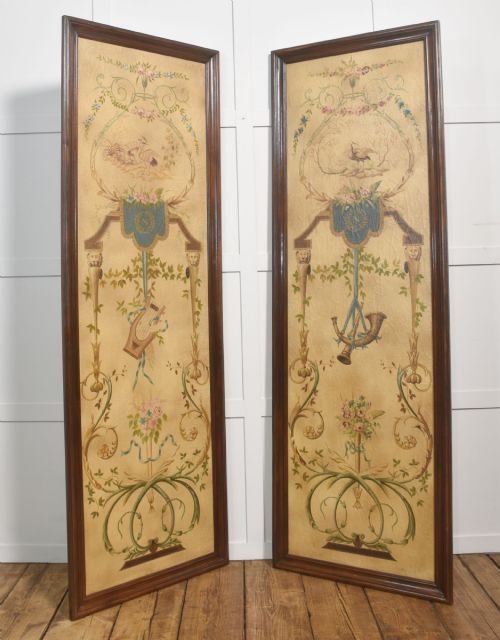
When you search for french empire style painting, you encounter canvas works depicting classical figures, cherubs, and portraits alongside painted decorative panels. The items on this page span the nineteenth century and subsequent early twentieth-century revivals, capturing the aesthetic of French Neoclassical design. These works range from individual portraits attributed to the French School to pastoral oil paintings on canvas.
Portraits of gentlemen and seductive young ladies form a core part of these listings, often originating from early nineteenth-century French studios. Alongside canvases, buyers find painted wooden panels and decorative panels that echo Napoleonic-era motifs. The selection also includes mirrors featuring painted panels and giltwood frames that complement the canvas works.
What varies in quality
Quality rests in the precision of the brushwork and the anatomical accuracy of the figures depicted in the oil painting or panel. Master painters achieve subtlety in facial expressions and fabric folds that lesser hands miss.
The sophistication of the surrounding frame or mount also determines the tier of the piece. Hand-carved giltwood and detailed parcel-gilt accents elevate painted wooden elements far above plain finishes.
Cupid and cherubs populate these canvases so frequently that nearly every romantic interior comes equipped with its own mythological matchmaking team.
Jean Baptiste Isabey·Vincenti of Paris
The French Empire Style Painting Glossary
- French School
- A term denoting artists trained or working within the French artistic tradition, frequently used for unattributed historical portraits. It groups works by stylistic origin rather than a specific master.
- Oil on canvas
- Pigments suspended in a drying oil medium applied to a stretched woven fabric support. This technique allows for rich colour blending and lasting durability.
- Parcel-gilt
- A decoration method where only specific carved areas or details receive a thin layer of gold leaf, leaving the painted wood visible underneath. It provides contrast against a painted background.
- Neoclassical
- A Western cultural movement drawing inspiration from the classical art and culture of ancient Greece and Rome. It manifests in these paintings through balanced compositions and mythological subjects.
French Empire Style Painting: Frequently Asked Questions
What subjects appear in french empire style painting?
These works frequently portray mythological figures, cherubs, cupids, and classical deities alongside portraits of gentlemen and young ladies. Landscapes and still life compositions also emerge within nineteenth-century French pieces.
Artists drew heavily from Greek mythology and classical antiquity to supply romantic narratives for canvas and panel.
How do I date a painted panel?
Dating relies upon examining the preparation of the wood, the formulation of the paint pigments, and the style of the gilt embellishments. Nineteenth-century examples often display hand-mixed grounds and traditional gilding techniques.
Later revivals from the early twentieth century utilise similar motifs but show different ageing patterns in the wood and surface finish.
Where should I hang these canvases?
These works suit drawing rooms, studies, and dining spaces where traditional nineteenth-century decor prevails. Pairing them with giltwood mirrors or painted wooden furniture enhances the classical atmosphere.
Keep them away from direct sunlight to protect the oil pigments and canvas integrity over time.
Are these works signed by artists?
Some pieces carry attributions to specific historical artists or French School descriptions, while others remain unsigned studio productions. Notable creators like Jean Baptiste Isabey represent the higher tier of signed canvas works.
Unsigned works still reflect the dominant aesthetic and painting standards of their period of origin.