



French Empire Style Cabinet
When you search for a french empire style cabinet, you encounter architectural proportions, rich timbers, and disciplined classical mounts designed to command a room.
French Empire Style Cabinet
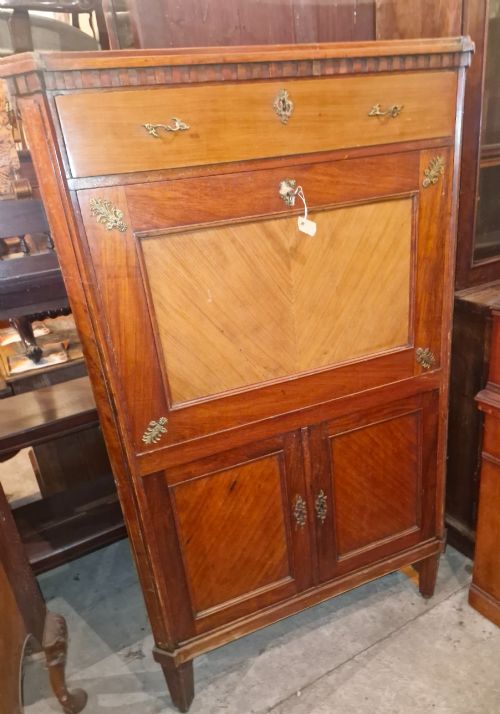
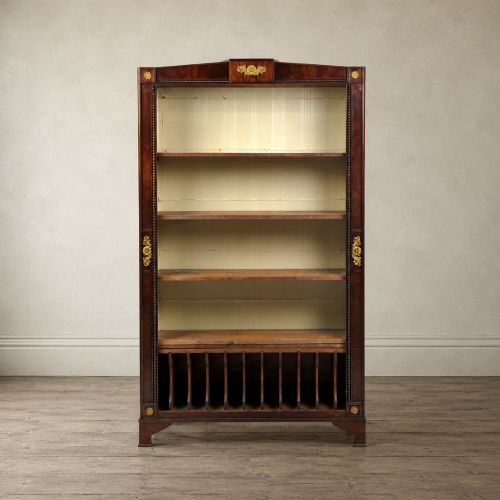
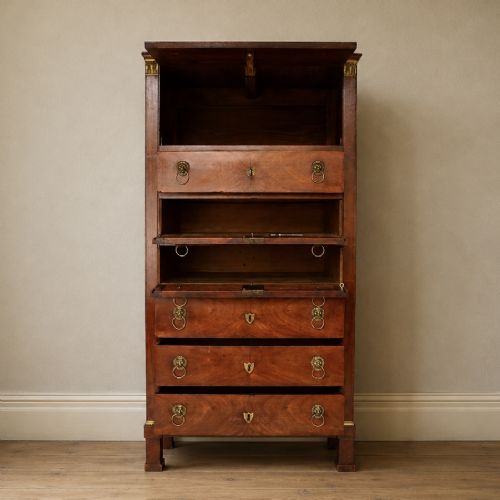
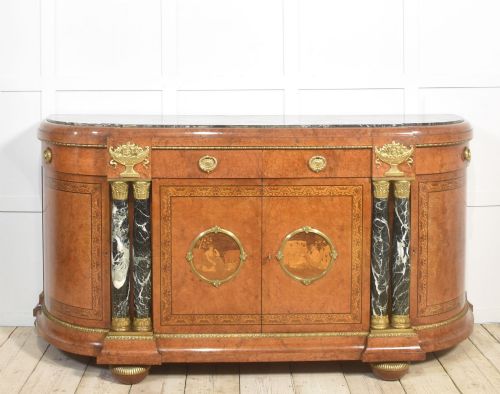
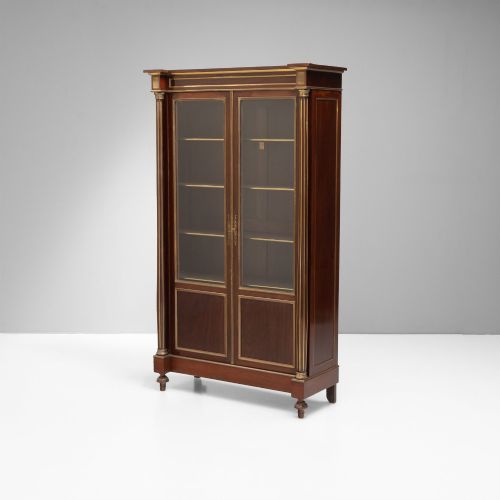
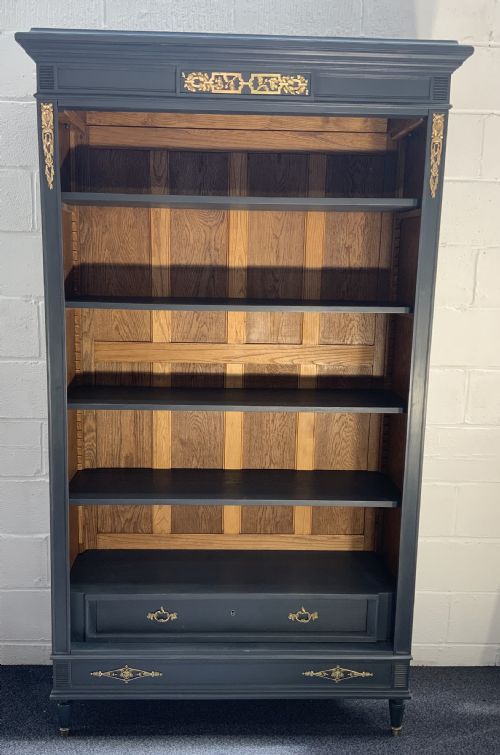
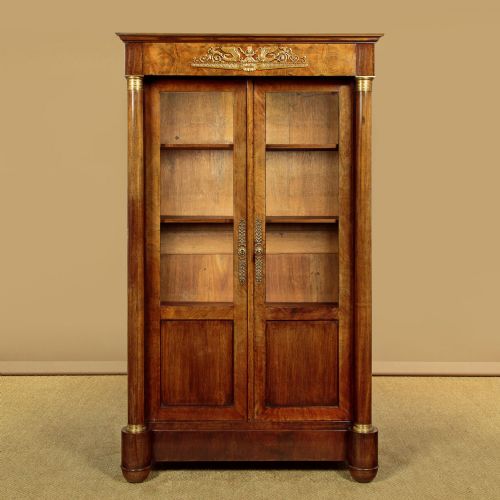
A french empire style cabinet brings monumental classical presence into domestic spaces through formal geometry and disciplined proportions. The most common examples meeting this search phrase are bookcases, secretaires, and bedside cabinets fashioned during the nineteenth century or later revival periods.
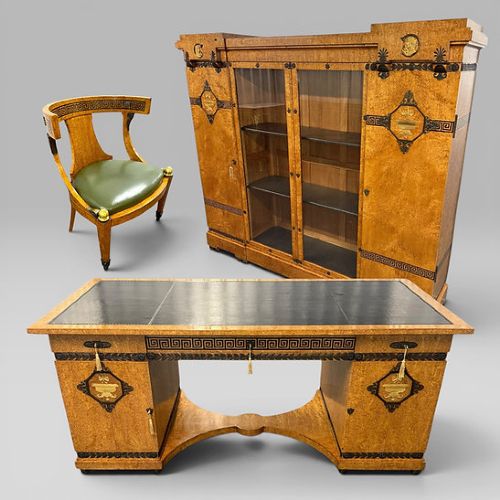
These pieces draw directly on classical motifs, often incorporating distinct architectural elements like columns, friezes, and plinths. Makers balanced solid carcases with rich timber veneers to create substantial furniture intended for display and storage in formal reception rooms and libraries.
The aesthetic bridges austere neoclassical restraint and the more ornate expressions found in Napoleon III and revival pieces. Buyers encounter variations ranging from tall display bookcases to compact bedside tables and drop-front writing cabinets.
Materials and construction
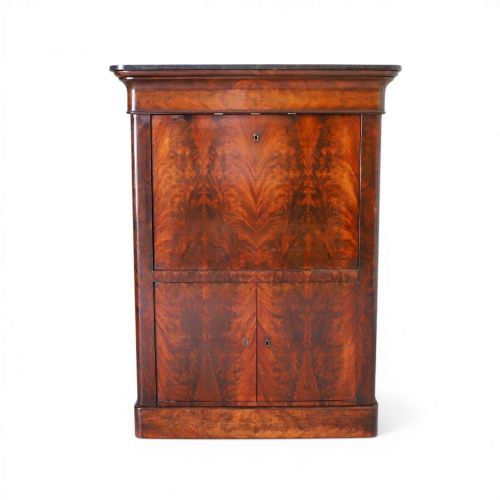
Craftsmen built these carcases primarily using dense hardwoods such as mahogany, walnut, and ebonised wood, frequently applying book-matched veneers to create striking surface patterns. Oak and other secondary timbers provided robust internal framing for drawers and shelving.
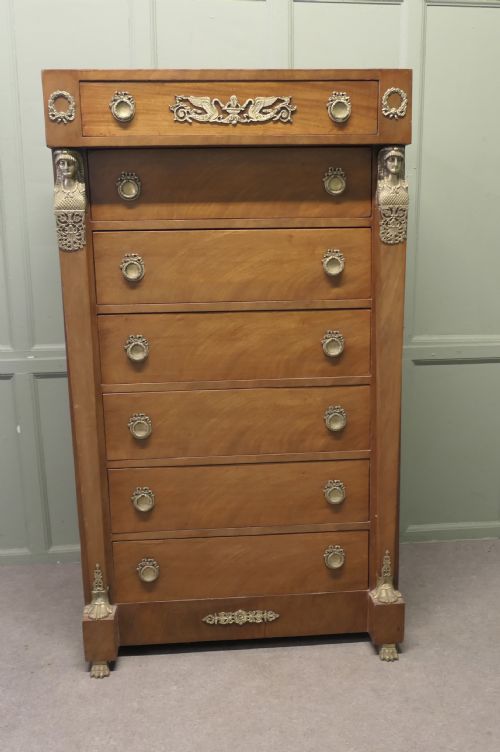
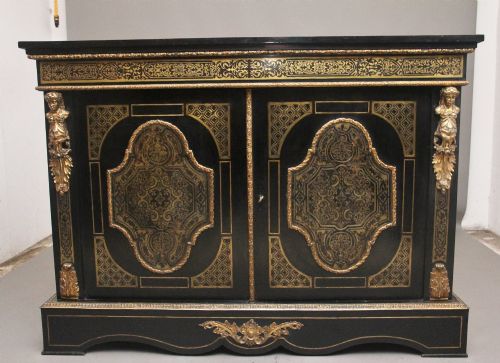
Cast and chased ormolu or gilt metal mounts define the ornamentation, accentuating corners, keyholes, and structural breaks with classical foliage and figurative motifs. Smooth marble tops, usually in white or dark shades, provide a durable and contrasting surface on commodes, chiffoniers, and nightstands.
Many secretaire cabinets hide secret drawers behind decoy panels, keeping your diary safe from inquisitive house guests.
Assessing quality
Quality rests in the precision of the cabinetmaker's joinery and the crispness of the cast ormolu mounts applied to the exterior. Finer examples feature heavier, deeply chased gilt bronze details rather than lighter stamped metal, alongside meticulously matched veneer grains across the entire facade.
The structural integrity of internal mechanisms, such as secret drawers, drop-front writing desks, and tambour doors, distinguishes exceptional pieces from standard production. Original components, including marble slabs and fitted interior compartments, elevate the integrity of the piece.
Mercier Frères
The French Empire Style Cabinet Glossary
- Ormolu
- Gilt bronze mounted ornamentation applied to furniture. This technique involves coating cast bronze with a fine layer of gold amalgam.
- Secrétaire à abattant
- A tall upright cabinet featuring a drop-front panel that conceals a fitted writing surface and small pigeonholes. It often includes concealed drawers above or below the main writing flap.
- Commode a porte
- A low chest of drawers or cabinet featuring central doors rather than stacked drawers. These units frequently feature marble tops and heavy side columns.
- Chiffonier
- A tall multi-drawer chest or narrow sideboard used for storing miscellaneous items. In French furniture, it often incorporates shelving or display space on top.
- Ebonised wood
- Timber treated with a dark stain or finish to imitate ebony. This process was popular for creating stark contrast against bright ormolu mounts.
French Empire Style Cabinet: Frequently Asked Questions
What rooms suit a french empire style cabinet?
These cabinets work exceptionally well in principal reception rooms, studies, and grand bedrooms where their architectural lines can anchor the space.
Tall bookcases and secretaires provide functional vertical storage, while bedside cabinets and commodes add formal balance to smaller areas.
How do I care for the marble tops?
Marble surfaces require gentle cleaning with warm water and a soft cloth to avoid scratching the polished stone. Acidic substances like citrus or wine should be wiped away immediately to prevent staining the porous material.
Applying a neutral wax can help protect the finish over time.
What is the difference between an empire cabinet and a revival piece?
Original pieces date from the early nineteenth century during the reign of Napoleon and carry distinct Napoleonic iconography. Revival pieces were constructed later in the nineteenth and early twentieth centuries, adopting the same classical vocabulary with slightly different construction techniques.
Both categories utilise similar mahogany timbers and ormolu mounts.
How do I maintain ormolu mounts?
Ormolu mounts should be dusted gently using a dry, soft brush to remove particulates from the crevices of the cast details. Avoid harsh chemical polishes, which can strip the original fire-gilt finish from the bronze underneath.
Preserving the patina ensures the metal retains its intended depth and character.