


Gilt Ormolu Ebonised Cabinet
A gilt ormolu ebonised cabinet offers striking contrast and classical elegance, combining dark wood with gilded mounts for a dramatic interior statement.
Gilt Ormolu Ebonised Cabinet
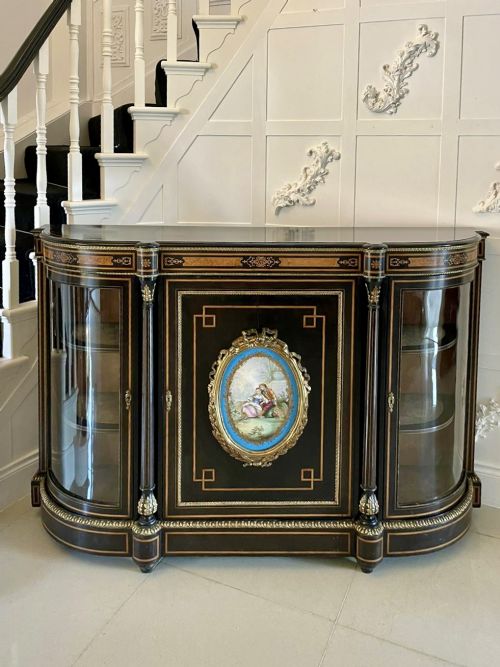
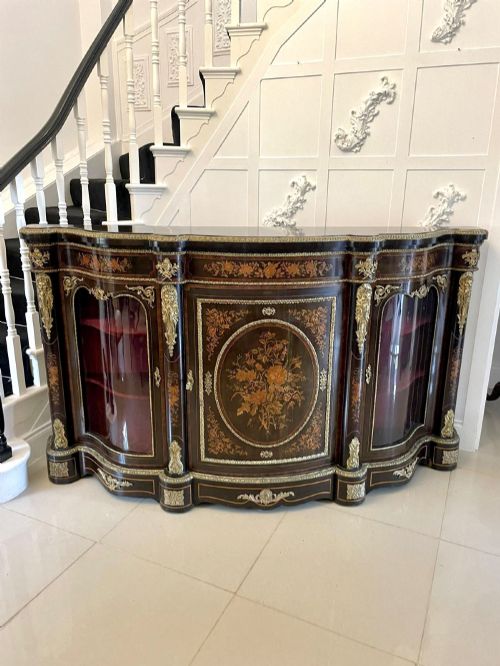
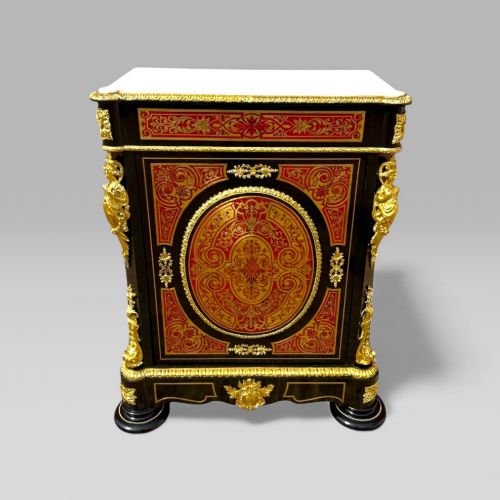
A gilt ormolu ebonised cabinet is a sophisticated storage piece defined by dark wood surfaces highlighted with gilt bronze or brass mounts. Buyers searching for a gilt ormolu ebonised cabinet encounter grand credenzas, breakfront display cabinets, and smaller pier cabinets dating from the nineteenth century.
The selection includes both English Victorian examples and French Napoleon III or Empire pieces. Credenzas and side cabinets dominate the offerings, often featuring glazed doors or marble tops alongside decorative plaques and marquetry.
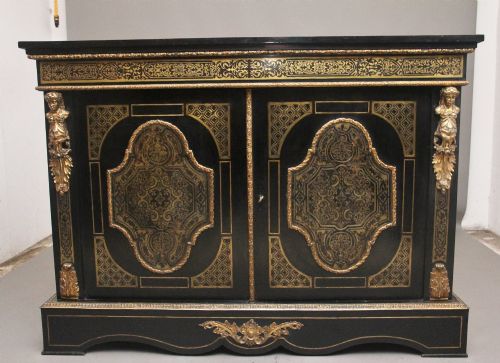
Makers and workshops from this era applied elaborate brass inlay, tortoiseshell, and pietra dura panels to these foundational forms. The resulting furniture ranges from long, low credenzas to upright display pieces designed to showcase porcelain and collectibles.
What varies in quality
The refinement of the cast ormolu mounts distinguishes finer examples from standard production pieces. Crisp chasing and heavy gilding on the bronze elements indicate superior workshop output.
The complexity of the surface embellishment alters the character of the piece. Cabinets featuring detailed pietra dura panels, intricate floral marquetry, or precise boulle work demonstrate higher levels of artisanal skill than plain ebonised surfaces.
Befort Jeune for Mathieu Befort
The Gilt Ormolu Ebonised Cabinet Glossary
- Ebonised
- Wood finished to resemble expensive ebony through staining or painting. This treatment was widely utilised in nineteenth-century furniture production.
- Ormolu
- Gilded bronze mounts applied to furniture for decorative accent. The technique involves coating metal with gold amalgam.
- Boulle
- A form of marquetry utilising brass and tortoiseshell inlay. It is named after the famous French cabinetmaker.
- Credenza
- A low cabinet or sideboard often featuring central doors flanked by curved glass display sections. These pieces were central to Victorian and French interiors.
- Pietra Dura
- Inlaid work using cut and fitted polished coloured stones to create pictorial designs. It appears on select nineteenth-century tabletops and cabinet doors.
- Pier Cabinet
- A narrow upright display cabinet designed to fit against the wall space between windows. They typically house glazed doors for porcelain or books.
Gilt Ormolu Ebonised Cabinet: Frequently Asked Questions
What is a gilt ormolu ebonised cabinet?
A gilt ormolu ebonised cabinet is a nineteenth-century storage piece constructed from dark ebonised wood and decorated with cast gilt-metal mounts.
These items encompass credenzas, pier cabinets, and sideboards originating from English and French workshops during the Victorian and Napoleon III periods.
How were these cabinets used?
Original owners utilised these cabinets in principal rooms to store dinnerware, linens, or writing materials while displaying decorative porcelain.
Glass-fronted versions allowed hosts to exhibit imported ceramics, bronzes, and curiosities safely behind locked doors.
How do I identify French and English pieces?
French examples from the Napoleon III era frequently employ boulle work, tortoiseshell, and elaborate pietra dura panels alongside serpentine marble tops.
English Victorian pieces lean towards amboyna veneers, floral marquetry, and Sevres ceramic plaques mounted into the ebonised woodwork.
How do I care for ebonised wood and ormolu?
Maintain ebonised surfaces with a soft dry cloth and avoid harsh chemical polishes that can degrade the dark finish. Keep ormolu mounts free of dust using a gentle brush.
Protect the timber and metal from direct sunlight and extreme humidity fluctuations to preserve the original materials.