
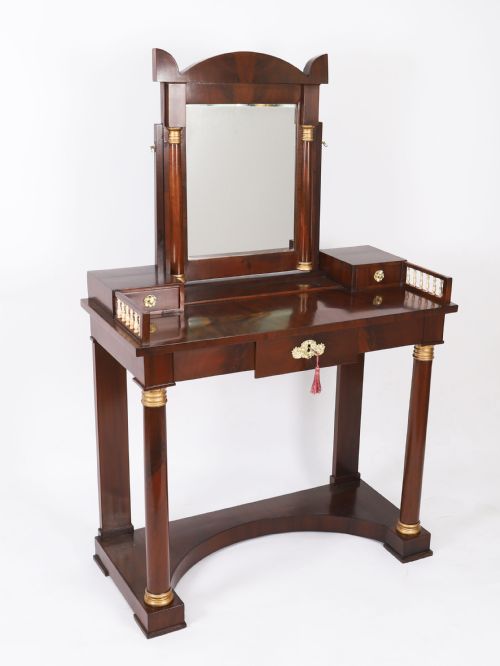
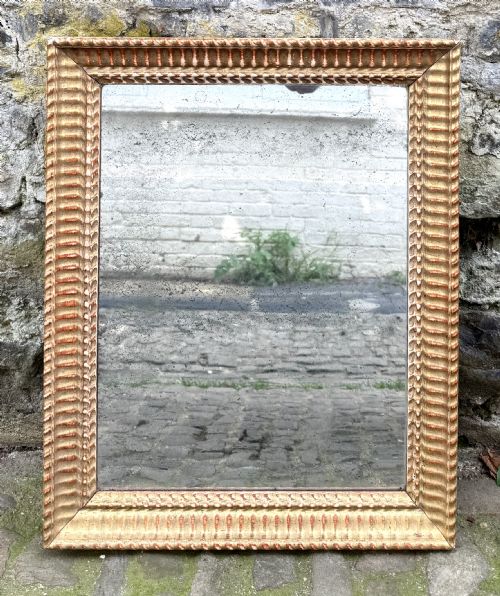
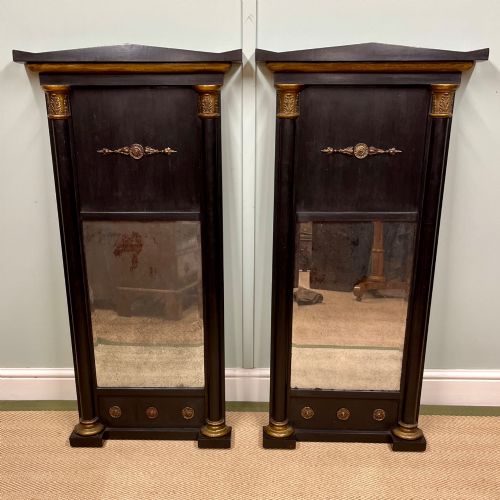


French Empire Gilt Mirror
These french empire gilt mirror pieces bring classic neoclassical gravity and brilliant metallic warmth into a room.
French Empire Gilt Mirror
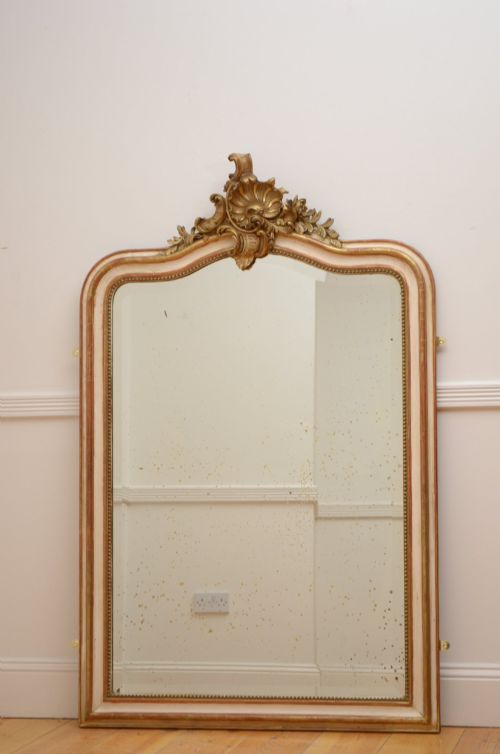
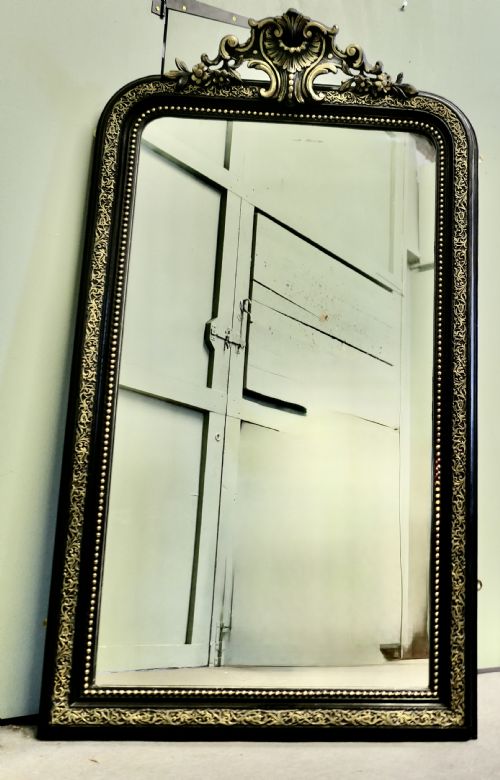
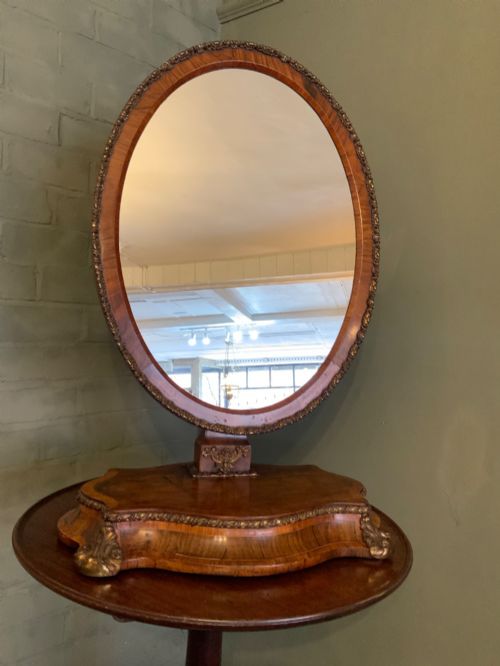
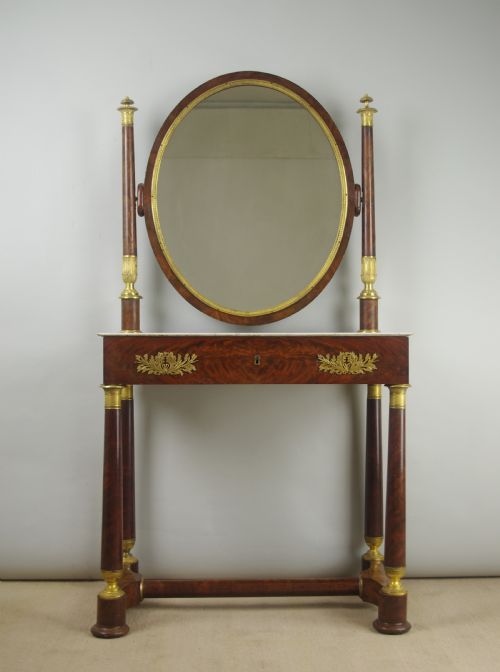
A french empire gilt mirror combines the architectural geometry of classical antiquity with rich gilded surfaces. Buyers seeking these items encounter grand wall-hanging pier mirrors, large overmantle pieces, and smaller dressing or toilet mirrors.
Most examples originate in the nineteenth century, spanning from the early Empire period through the Napoleon III and later revival eras. Forms range from rectangular wall plates and cushion frames to tall pier glasses designed to sit between windows.
The selection includes variations in timber frames alongside traditional gilded woodwork, featuring mounts in bronze, ormolu, and gilt brass. Many items retain original mercury glass plates with characteristic depth and foxing.
Materials and Construction
Carved wooden frames, particularly giltwood and mahogany, form the structural basis of these pieces, often finished with layers of gesso to hold crisp decorative relief. Artisans applied thin gold leaf or burnished gilding to create reflective metallic brilliance across the mouldings.
Metal components include cast ormolu, gilt bronze, and gilt brass, utilised for decorative mounts, candle girandoles, and figural reliefs depicting classical motifs. Glass panels, including split plates and mercury glass, complete the optical design.
Distinctions in Quality
The standard of a french empire gilt mirror rests on the crispness of the gesso carving and the depth of the gilding. Finer pieces display sharply detailed cast bronze or ormolu mounts rather than simpler moulded metal.
Originality of the glass plate and backing boards dictates the standing of an item among collectors. Superior examples retain their original mercury glass, showing subtle tonal variations and age rather than a modern, uniform reflection.
The French Empire Gilt Mirror Glossary
- Ormolu
- Gilded bronze used for decorative mounts and hardware. This technique involves applying a finely ground gold-mercury amalgam to bronze before heating.
- Mercury glass
- A type of silvered glass produced by pouring a liquid mercury mixture between double-walled blown glass, creating a characteristic mottled reflection.
- Gesso
- A plaster mixture applied to wood frames to provide a smooth base for gilding. It allows craftsmen to carve intricate relief details before applying gold leaf.
- Pier mirror
- A tall mirror designed to hang on the narrow wall space between two windows. These pieces often stand above console tables.
- Overmantle mirror
- A wide horizontal mirror intended for placement above a fireplace mantel. Such pieces frequently incorporate decorative relief panels.
French Empire Gilt Mirror: Frequently Asked Questions
How do I identify a true period piece?
Examine the construction of the wooden frame, the composition of the gesso, and the backboards for signs of age. Older pieces typically utilise hand-cut joinery and traditional fasteners.
Look closely at the glass plate for signs of mercury backing or edge oxidation. Period items often display minor irregularities in the silvering that modern manufacturing avoids.
Where should I hang a pier mirror?
Pier mirrors work best in reception rooms or hallways where their vertical proportions can elongate the space. Historically, they occupied the wall space between windows to reflect incoming light.
Ensure the wall structure can support the substantial weight of these wooden and glass frames. Secure them using heavy-duty fixings matched to the weight of the specific piece.
What is the difference between Empire and Napoleon III styles?
Original Empire design draws direct inspiration from the neoclassical aesthetics of ancient Rome and Greece. These items feature strict symmetry, architectural columns, and martial or classical motifs.
Napoleon III pieces revive and reinterpret earlier neoclassical forms with added exuberance during the mid-nineteenth century. They frequently incorporate rich black lacquer, gilt brass, and elaborate surface decoration.
How should I clean a gilded frame?
Dust the gilded surface gently using a soft, dry brush to remove loose particles without disturbing the leaf. Avoid applying water or chemical cleaning solutions directly to the gold leaf.
Consult a professional restorer if the gesso or gilding shows signs of flaking or instability. Handling the frame with care preserves the delicate metallic finish.