
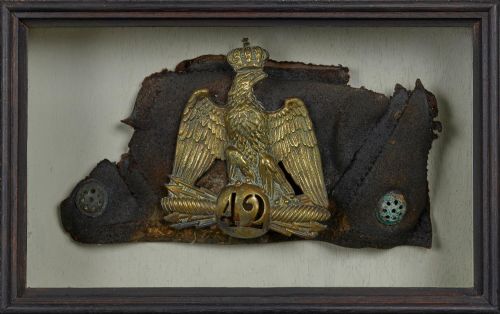

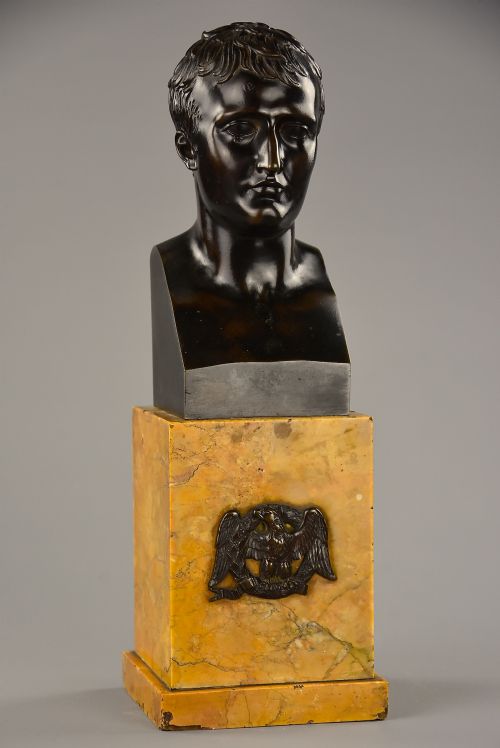


French Empire Eagle
A french empire eagle brings the commanding presence of Napoleonic symbolism straight into a room through gilded metal and bronze.
French Empire Eagle
A french empire eagle encompasses decorative objects, clocks, sculptures, and military antiques spanning the nineteenth century and the Regency period.
Buyers encounter items ranging from large gilt wood wall displays and mantel clocks to smaller belt clasps and cast brass ornaments.
The aesthetic draws heavily on Neoclassical design, French Empire Revival, and First French Empire traditions.
How they were made
Metals form the core of these pieces, utilising ormolu, gilt bronze, patinated bronze, and brass alongside carved giltwood and alabaster.
Makers combined cast metalwork with glass, leather, and enamel details to produce sculptures, timepieces, and lighting fixtures.
The documented forms range from mantel clocks and chandeliers to military shako plates and wall sconces.
What varies in quality
The refinement of the casting and the crispness of the gilt finish separate standard pieces from exceptional examples.
Detailing in the plumage and the depth of the patination on the bronze dictate the visual authority of the sculpture.
The French Empire Eagle Glossary
- Ormolu
- Gilded bronze produced through an application of mercury and gold. This technique yields a deep, lasting lustre common on nineteenth-century mounts and clock cases.
- Portico clock
- A striking clock housed within a architectural frame supported by pillars. These timepieces frequently incorporate marble and bronze elements.
- Regency
- A British stylistic period spanning the early nineteenth century. It shares strong design affinities with contemporary French Empire aesthetics.
- Shako
- A tall cylindrical military cap. Examples often featured regimental insignia and metal front plates.
French Empire Eagle: Frequently Asked Questions
What is a french empire eagle?
A french empire eagle is a decorative or functional antique featuring the imperial bird adopted by Napoleon.
These pieces typically date from the nineteenth century and appear as sculptures, clock mounts, chandeliers, and military accoutrements.
How do I style these items?
Place a bronze or gilt eagle sculpture on a mantelpiece or atop a wooden cabinet to create a strong focal point.
Pair them with classical furniture or Neoclassical mirrors to complement their formal proportions and metallic finishes.
How are different periods identified?
Earlier pieces from the First French Empire and Regency periods exhibit sharper hand-chased details in the ormolu and bronze.
Later Victorian and revival items often employ cast brass and machine finishing typical of late nineteenth-century production.
What materials were used?
Gilt bronze, ormolu, and patinated bronze predominate among these metal antiques.
Secondary materials include marble, alabaster, cut crystal, and carved giltwood depending on whether the object is a clock, chandelier, or mirror.