


Antique Statement Carving
An antique statement carving delivers undeniable presence to a room, drawing the eye through bold scale, intricate detail, and commanding historical form.
Antique Statement Carving
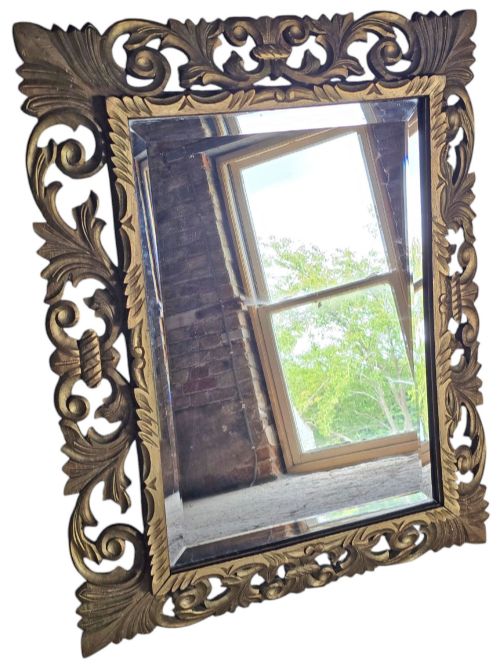
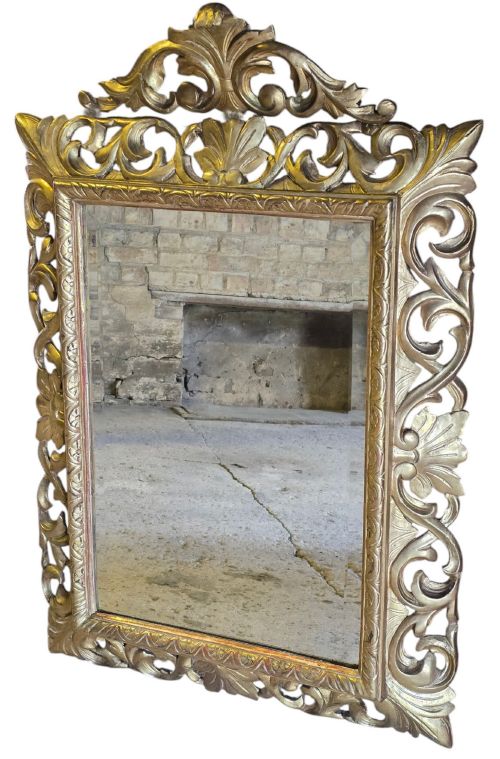
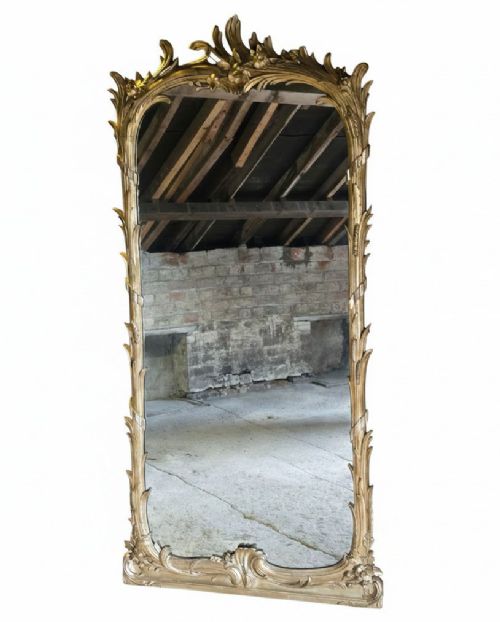
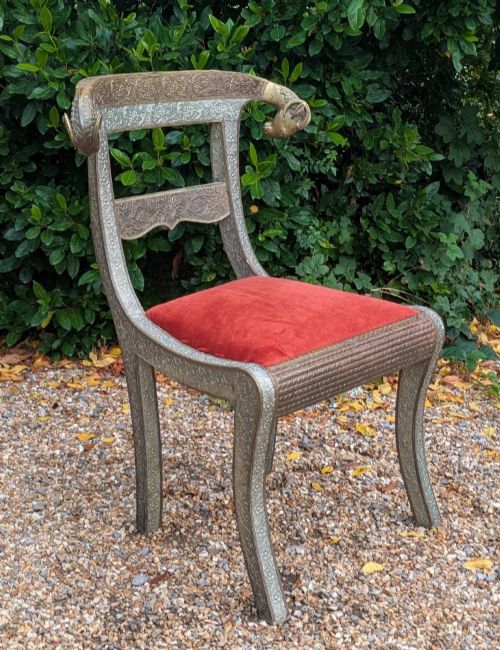
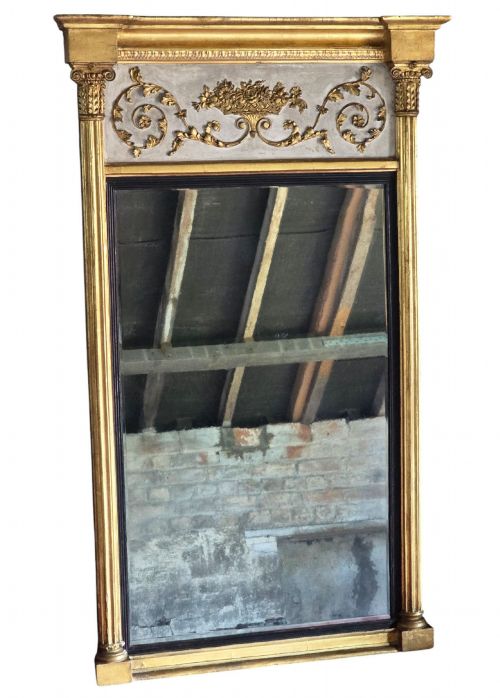
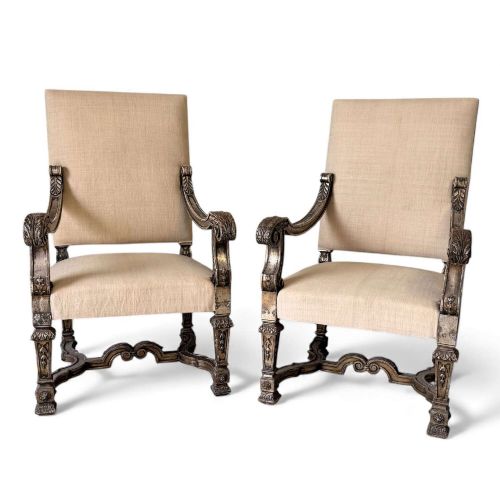
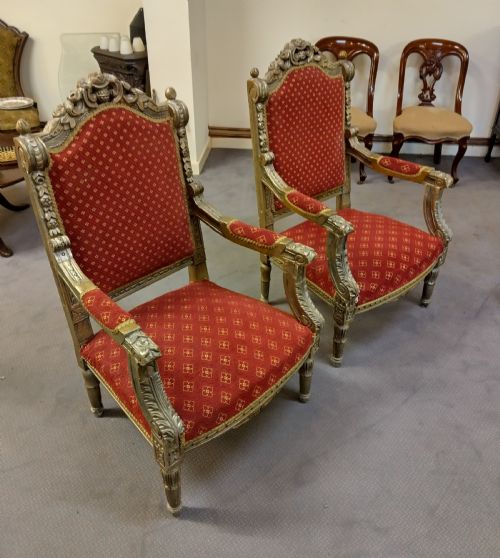
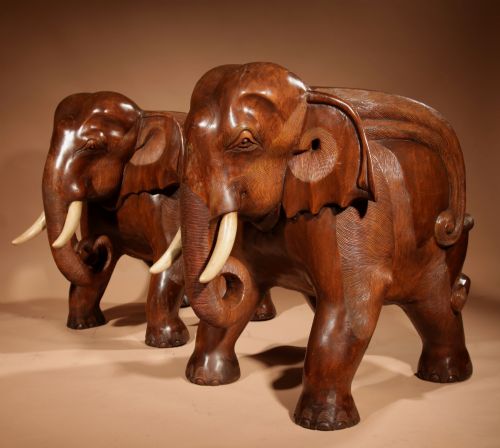
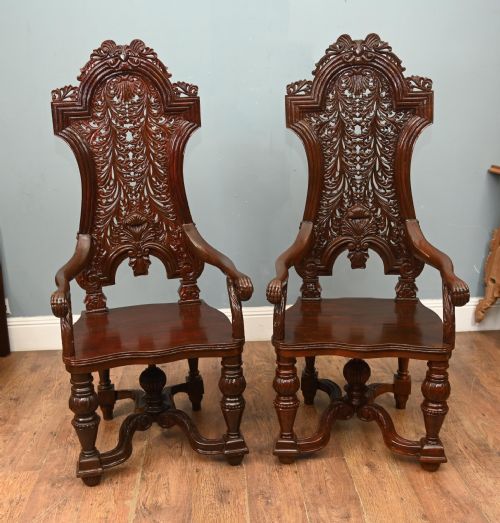
When you search for an antique statement carving, you encounter substantial decorative objects and architectural mirrors designed to anchor a space. The selection here leans heavily toward large overmantel wall mirrors, throne armchairs, and figurative wooden sculptures from the nineteenth century.
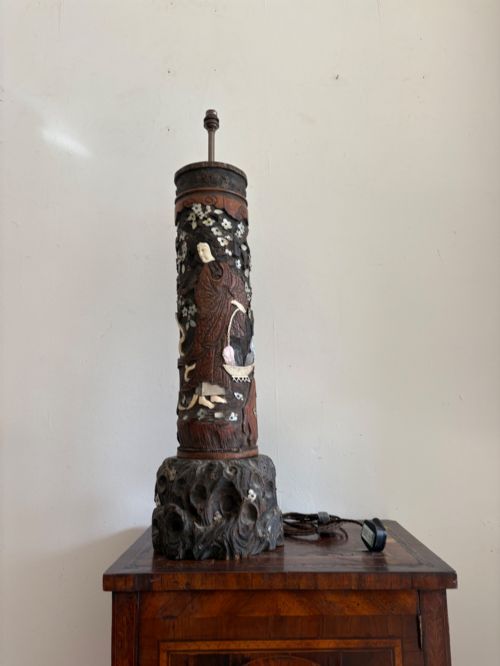
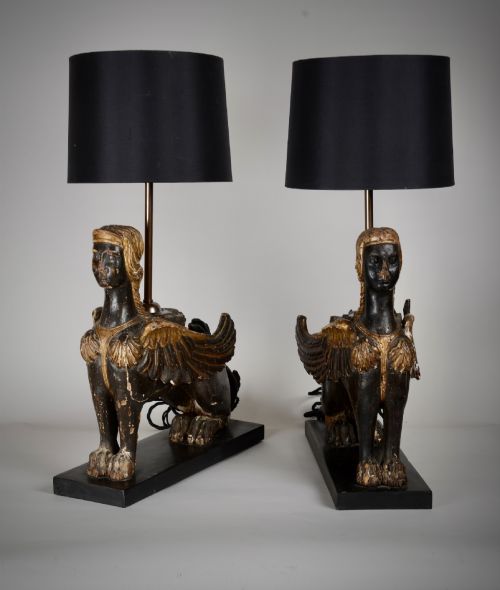
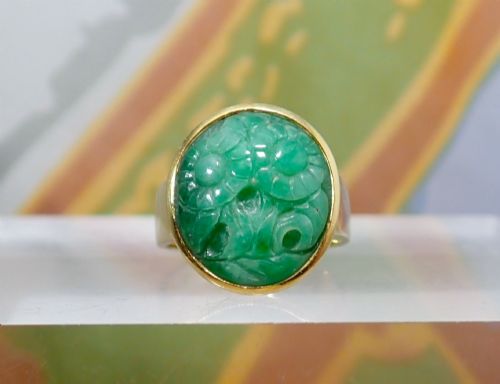
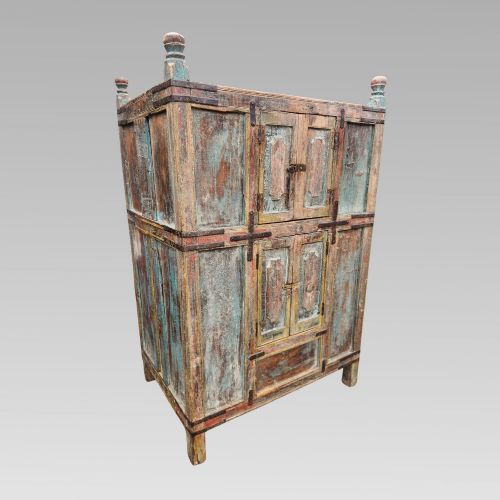
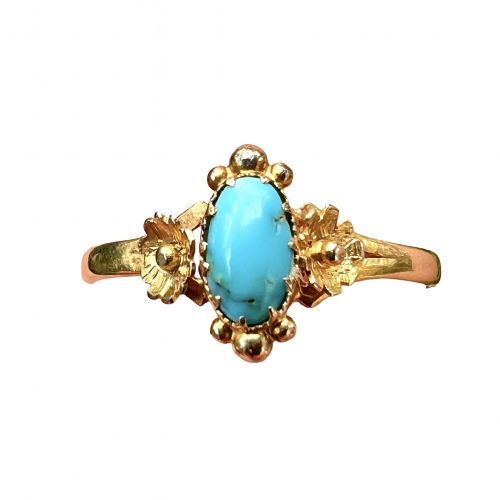
Beyond mirrors and seating, the category encompasses diverse forms such as carved storage cabinets, table lamps, and distinct wearable jewellery set with carved gemstones. These pieces share a common purpose of visual impact, whether through ornate giltwood frames or monumental seating.
Origins span European revival styles, French chateau designs, and nineteenth-century Asian craftsmanship. This variety ensures that an antique statement carving can serve as a singular focal point in traditional and eclectic interiors alike.
How They Were Made
Makers shaped these items primarily from timber, utilising dense hardwoods and softer woods that accepted deep chiselling and fine detail. Carvers applied layers of gesso to wooden substrates in order to build up high-relief scrollwork and floral motifs before applying gold leaf or paint.
Giltwood pieces rely on traditional water gilding techniques, where thin sheets of gold leaf adhere to prepared gesso surfaces and burnished to achieve a brilliant finish. Other items combine carved elements with structural glass, mirror plates, and inset natural materials such as mother-of-pearl, jade, and coral.
Listings feature items from the eighteenth, nineteenth, and twentieth centuries, encompassing Victorian, Art Deco, and revival styles.
What Varies in Quality
Surface finish significantly influences overall merit, particularly in giltwood and painted objects where the preservation of the original hand-applied layers dictates visual depth. Pieces that retain their genuine patination without heavy modern overpainting demonstrate greater artistic integrity.
The Antique Statement Carving Glossary
- Giltwood
- Wood coated with gold leaf or gold paint. This technique provides a luminous surface that catches candlelight and natural illumination.
- Gesso
- A plaster mixture applied to wood as a base for gilding or painting. It allows craftsmen to model intricate low-relief ornamentation.
- Overmantel
- A large mirror or painting designed to hang directly above a fireplace mantel. These expansive glasses amplify light and perceived room dimensions.
- Baroque
- An elaborate artistic style characterised by dynamic movement and exuberant ornamentation. It manifests in heavy scrolls, dramatic curves, and grand proportions.
- Florentine
- Pertaining to the artistic traditions of Florence, often featuring rich surface carving and intricate frame designs. Such pieces display dense floral and acanthus leaf motifs.
Antique Statement Carving: Frequently Asked Questions
Where should I place a large carved mirror?
These expansive mirrors suit primary living spaces, grand hallways, or dining rooms where they can anchor the wall above a substantial piece of furniture. Positioning them opposite a window maximises natural light reflection.
Ensure the supporting wall structure can bear the considerable weight of timber frames and thick glass plates. Heavy-duty fixings matched to the specific wall type are essential for secure installation.
How do I care for antique giltwood?
Dust surfaces gently with a soft, dry ostrich feather duster to remove particulate matter without disturbing fragile gold leaf. Avoid liquid cleaners, modern polishes, and abrasive cloths entirely.
Keep these objects away from direct sunlight, heating vents, and damp environments to prevent the underlying gesso and wood from cracking or lifting.
How do I identify nineteenth-century styles?
Nineteenth-century items often draw inspiration from historical movements such as the Baroque, Rococo, and French chateau aesthetics. Craftsmen of this era reinterpreted these historical vocabularies with high technical proficiency and ambition.
Examining the construction methods, joint types, and backboards helps distinguish genuine nineteenth-century manufacture from later twentieth-century reproductions.