



French Empire Bronze Figure
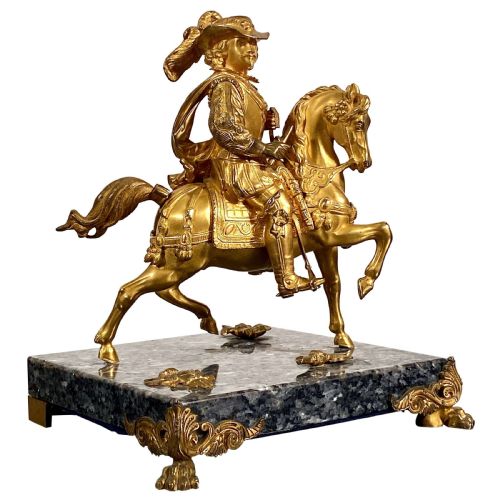
A French empire bronze figure delivers the heavy neoclassical presence and martial drama of the nineteenth century straight to a mantel or console.
French Empire Bronze Figure
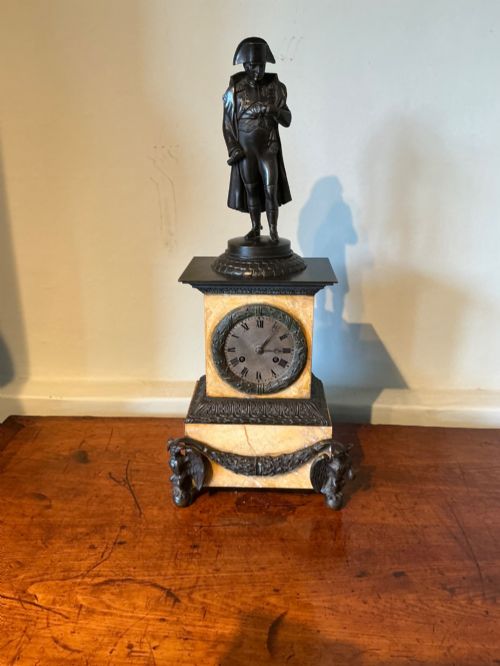
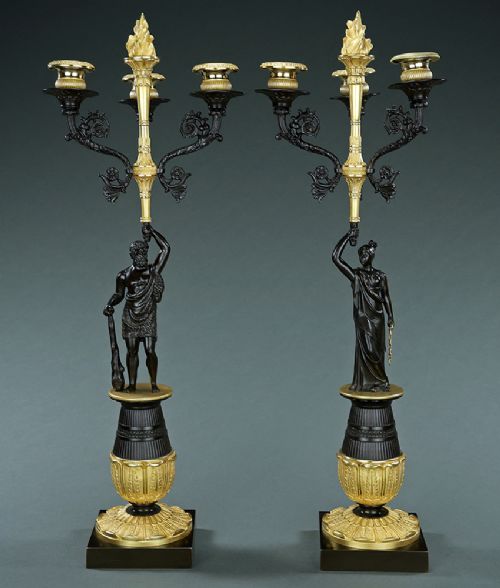
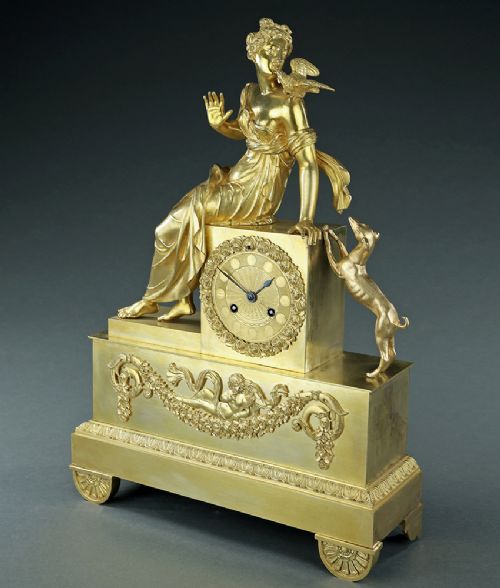
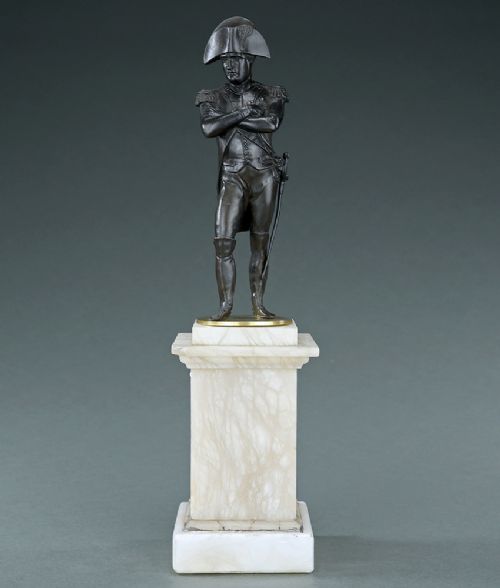
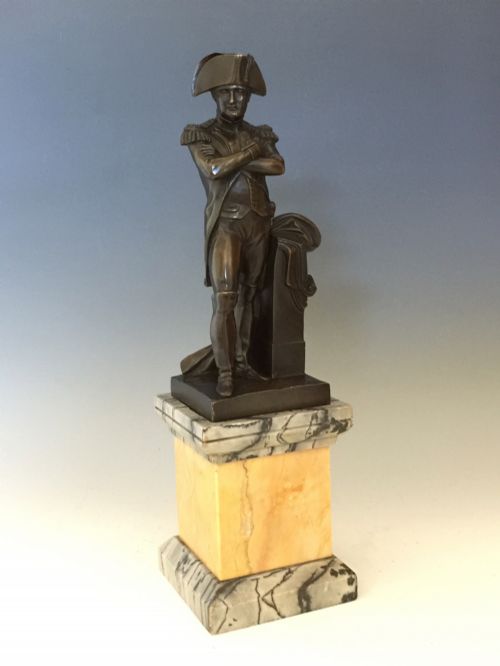
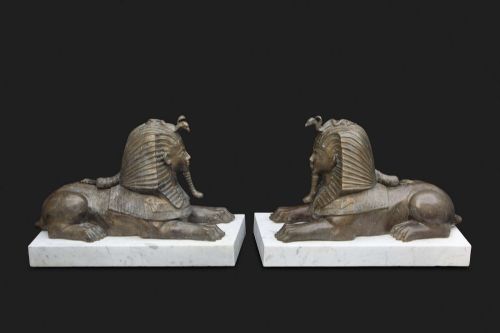
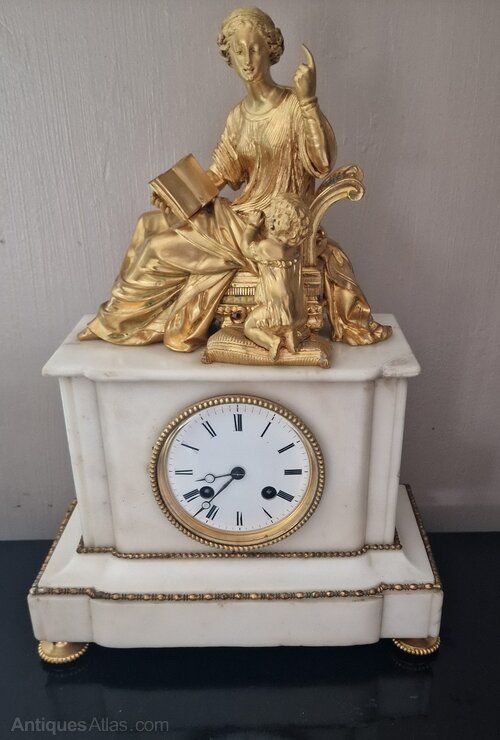
When searching for a French empire bronze figure, collectors encounter sculptural works and figural ornaments rooted in the nineteenth century, including mantel clocks, candelabra, and standalone statues. These pieces frequently depict historical and mythological subjects such as Napoleon, Hercules, and Apollo, cast during the Victorian and Regency periods.
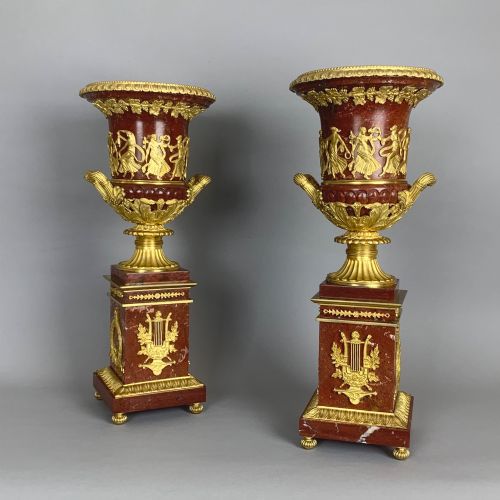
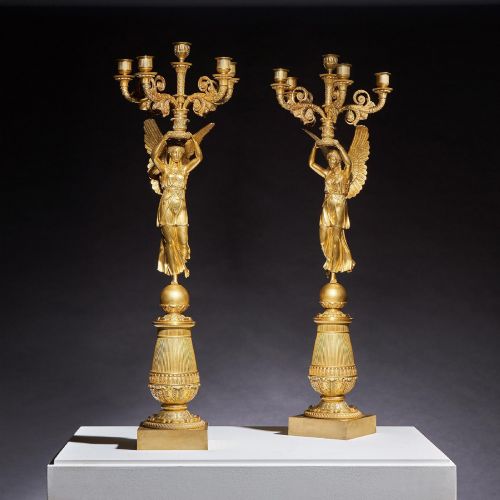
The objects appearing in these listings range from monumental candelabra sets paired with Carrara marble plinths to compact desk pieces and garniture components. Most examples demonstrate French neoclassical, Second Empire, or Napoleon III styles produced across the 1850s to the 1890s.
How They Were Made
Foundries utilised traditional lost-wax or sand-casting techniques to shape the dark patinated and silvered bronze components, capturing fine anatomical and textural details. These metal castings were then combined with contrasting mounts of cast and chased ormolu, providing bright metallic highlights against the darker patinated surfaces.
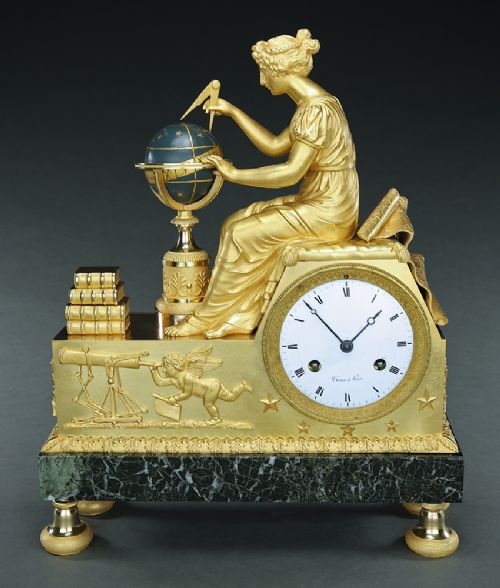
Many sculptures and clock sets incorporate heavy natural stone bases such as white Carrara marble, black slate, or onyx, often turned and polished to support the bronze weight. Enamel dials, glass bezels, and gilt brass details complete the complex construction of the functional timepieces and decorative garnitures.
Listings feature works utilising bronze, ormolu, marble, onyx, and slate across periods from Regency to the late nineteenth century.
What Varies in Quality
The distinction between ordinary production and top-tier workshop output lies in the crispness of the metal chasing and the depth of the subsequent hand-finishing. Superior pieces retain sharp facial expressions, distinct drapery folds, and precisely defined ornamentation on the gilt ormolu mounts rather than smoothed or softened casting edges.
The integration of materials dictates the overall harmony of the work, where high-grade heavy marble plinths fit seamlessly with the bronze foundations. Master makers ensured that patination was even and rich, whereas lesser examples display flat surfaces or crude assembly where the bronze meets the stone base.
Pierre Philippe Thomire·Emile Guillemin·Charpentier Paris·Lerolle Fres
The French Empire Bronze Figure Glossary
- Ormolu
- Gilt bronze created by applying a mixture of gold and mercury to a bronze base and firing it in a kiln. This historic technique produced a durable, rich golden surface that defines nineteenth-century French luxury objects.
- Patinated bronze
- Bronze treated with chemical solutions to produce a dark, protective surface coloration ranging from deep brown to near black. This finish provides contrast against bright ormolu mounts.
- Garniture clock set
- A matching decorative grouping consisting of a central mantel clock flanked by matching candelabra or urns. These sets were designed to sit harmoniously across a fireplace mantel.
- Caryatid
- A sculpted female figure serving as an architectural support or pillar in place of a column. They frequently appear supporting the shafts of candlesticks or framing clock faces.
- Tole peinte
- Painted or lacquered sheet metal used for decorative objects and lamp bodies. It offers colourful visual contrast to heavy cast bronze figures.
French Empire Bronze Figure: Frequently Asked Questions
How do I identify a true nineteenth century bronze?
Examine the weight, casting seams, and underside of the piece, as genuine nineteenth-century examples are heavy and made from multiple cast components secured with threaded pins rather than modern welds.
Look closely at the patina and the quality of the chasing, since older pieces exhibit hand-finished details and natural wear appropriate to their age rather than uniform modern machine texturing.
Were these figures meant to be clocks?
Many sculptures form part of functional mantel clocks or garniture sets, while others were created purely as standalone cabinet bronzes or candelabra.
Clock movements were integrated directly into the architectural bronze housings, often featuring bell strikes and French pendulum mechanisms.
How should I clean my bronze figure?
Dust the surface gently with a soft, dry brush to remove particulate matter without disturbing the historic patination or delicate gilt ormolu mounts.
Avoid using water, chemical polishes, or abrasive cloths, as these substances can strip the original chemical patinas and damage the fire-gilded surfaces.
What is the difference between Empire and Napoleon III styles?
Empire style strictly follows early nineteenth-century neoclassical revivalism with austere military motifs and Roman inspiration under Napoleon Bonaparte.
Napoleon III style, appearing later in the century, draws from a wider range of historic sources including Rococo Revival and eclectic ornamentation.