




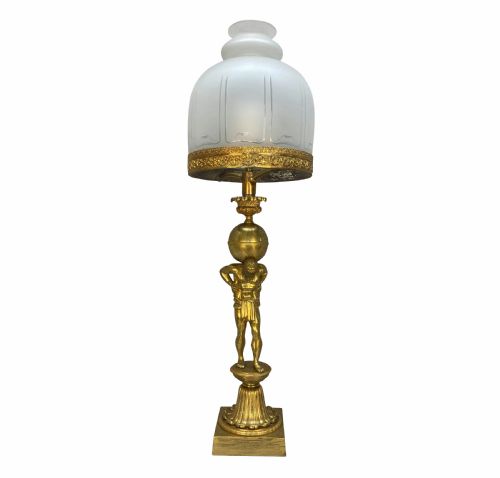
Ormolu Bronze Statue
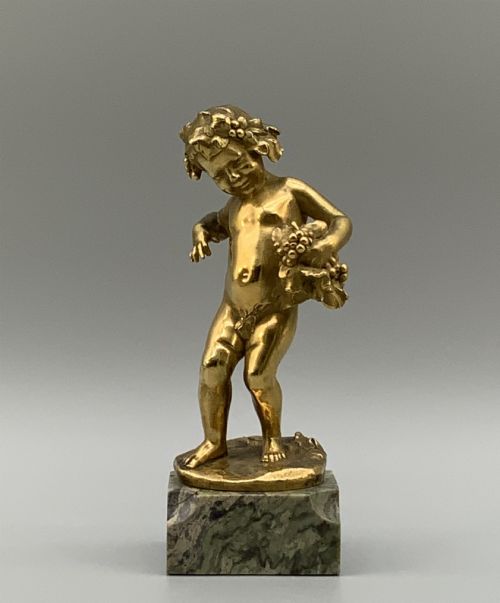
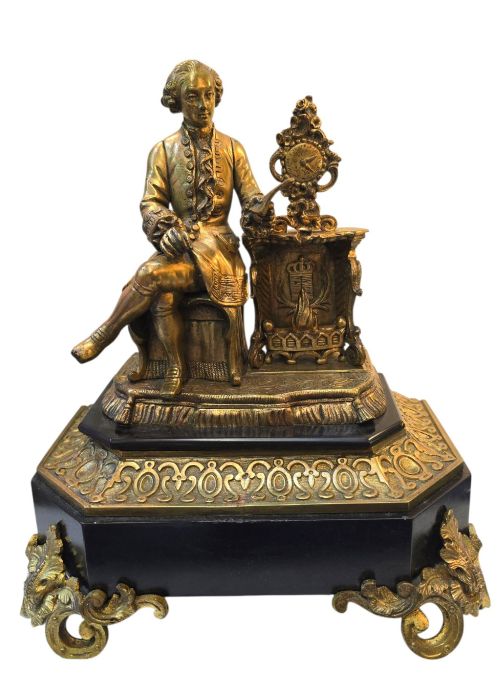
An ormolu bronze statue combines cast metalwork with gold gilding, offering nineteenth-century French and neoclassical domestic display pieces.
Ormolu Bronze Statue
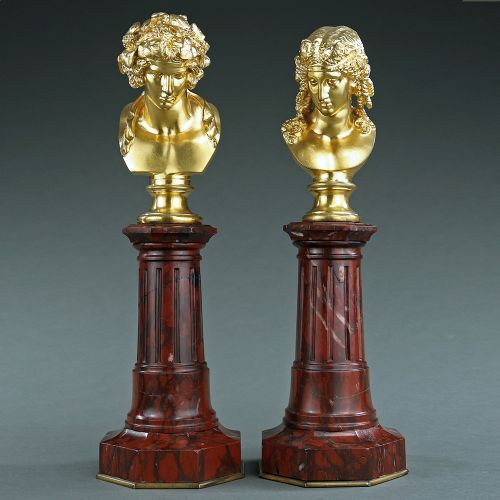
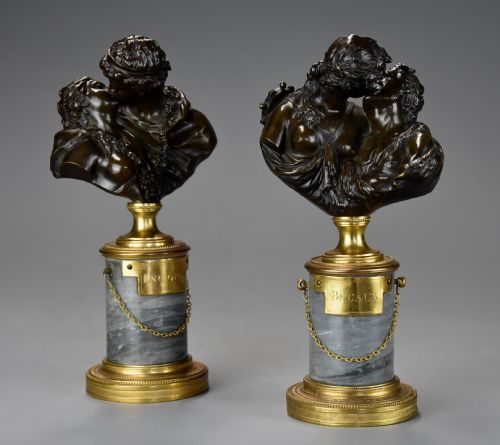
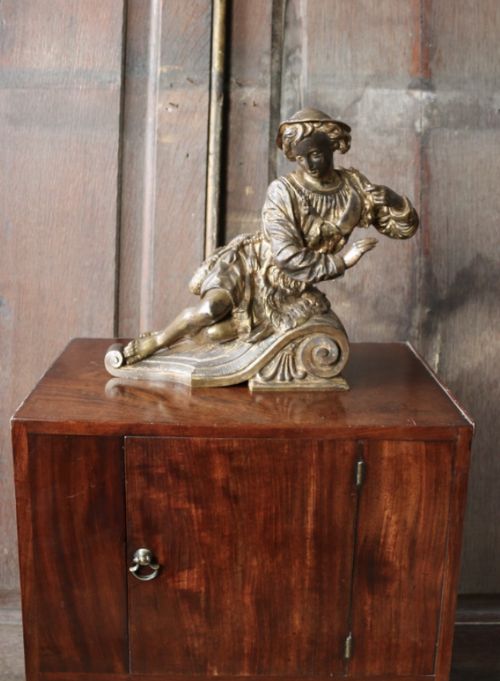
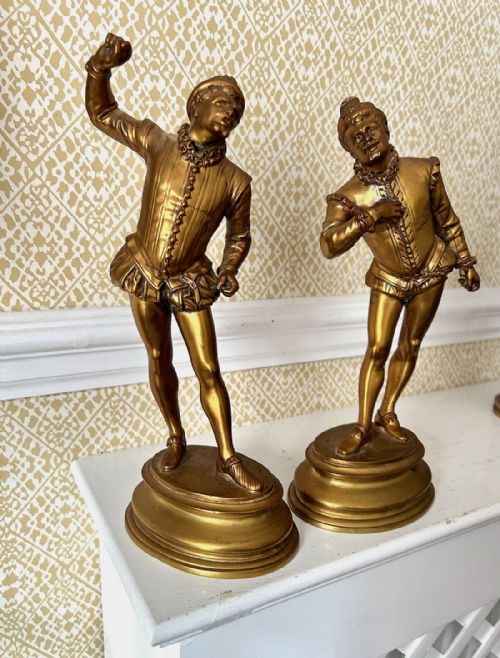
When buyers search for an ormolu bronze statue, they encounter figurative sculptures, portrait busts, and mounted decorative objects primarily from the nineteenth century.
The selections on this page lean heavily toward French neoclassical, Rococo, and Empire styles, incorporating materials such as marble, onyx, and patinated bronze alongside gilt finishes.
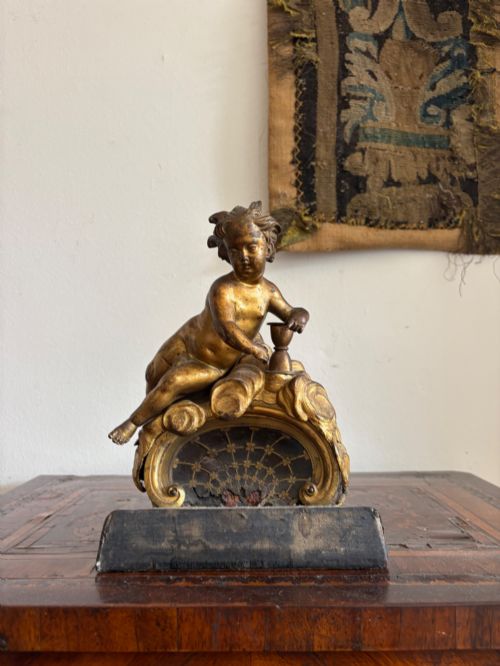
Forms range from small cabinet figures and clock mounts to large torchere columns and candelabras, reflecting nineteenth-century domestic interiors.
How they were made
Maker workshops utilised traditional metal casting techniques, combining bronze with mercury gilding to produce the distinctive ormolu finish known to the period.
Many works incorporate secondary structural elements of white or red marble, onyx, and malachite, often providing heavy plinths or pedestals for the metal figures.
Finishing involved hand-chiselling the cast bronze details before applying fire gilt, creating varied surface textures between patinated sections and polished highlights.
Even nineteenth-century dentists appreciated fine metalwork, as proven by the inclusion of a cast bronze dentist bear.
What varies in quality
Quality rests upon the crispness of the bronze chasing and the depth of the original mercury gilding, which separates fine workshop output from later commercial casting.
The integration of mixed materials dictates tier differences, where solid mounts fitted to high-grade marble or onyx columns show superior harmony.
Signatures from recorded founders or sculptors elevate the standing of a piece, distinguishing signed studio editions from anonymous decorative castings.
Charles Louis Malric·Susse Freres·Jean Antoine Houdon·Emile Coriolan Guillemin·Antoine Louis Barye·Christophe Fratin·Jean Jacques Pradier·Victor Paillard·Charlotte Monginot·A Marionnet
The Ormolu Bronze Statue Glossary
- Ormolu
- A gold-colour metal alloy applied to bronze through a mercury gilding process. This technique gives nineteenth-century decorative mounts their bright, durable surface.
- Patinated bronze
- Bronze treated with chemical solutions to produce a darkened surface finish. This contrasts sharply with the bright gold areas of ormolu on figural groups.
- Grand Tour
- Souvenir sculptures and busts acquired by travellers in Europe during the nineteenth century. These classical subjects replicate famous ancient monuments and statues.
- Casting
- The method of pouring molten bronze into a mould to form a statue. Finer editions show extensive post-cast hand chasing by skilled artisans.
- Torcher
- A decorative column or stand designed to support lamps or candelabras. They frequently combine bronze mounts with carved marble or onyx shafts.
Ormolu Bronze Statue: Frequently Asked Questions
What is ormolu?
Ormolu refers to gilded bronze items produced heavily in France during the eighteenth and nineteenth centuries. The technique involves applying a gold amalgam to bronze.
This mixture is then heated so the mercury vaporises, leaving a rich gold coating adhered to the metal beneath.
How do I clean bronze?
Dust bronze and ormolu figures gently with a soft, dry brush to prevent the accumulation of grit in crevices. Avoid using commercial metal polishes.
Harsh chemical cleaners strip away historical patination and damage the delicate mercury gilding applied during the nineteenth century.
Are these pieces French?
The majority of nineteenth-century decorative metalwork originates from French founders, workshops, and Parisian studios working in neoclassical styles.
English interpretations also appear, though French manufacture dominates the surviving inventory of figural sculptures and candelabras.
What is Grand Tour bronze?
Grand Tour bronzes are small replica sculptures purchased by wealthy travellers visiting classical antiquities in Italy and France.
These cabinet pieces allowed collectors to display miniature versions of famous classical statues within their home libraries and drawing rooms.