
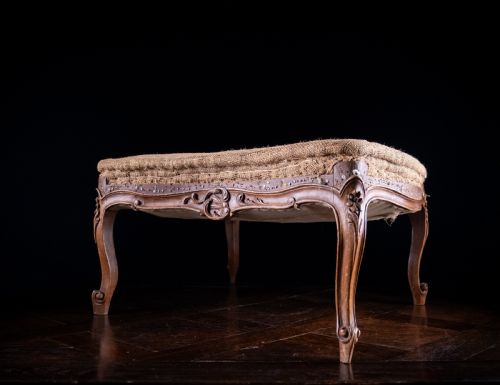
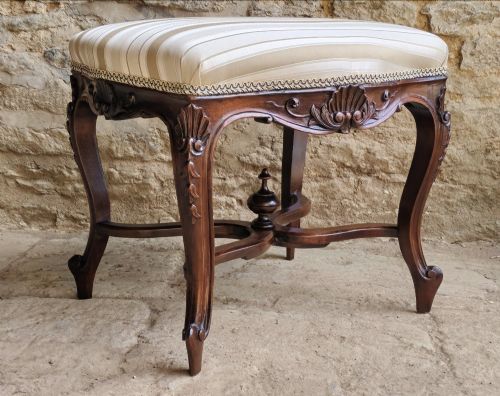
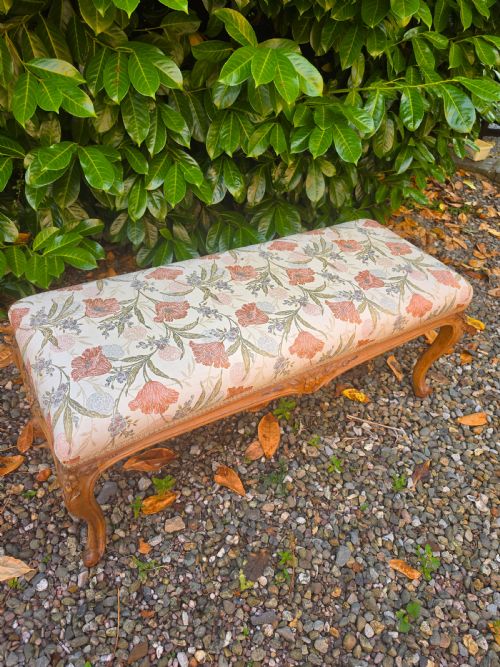
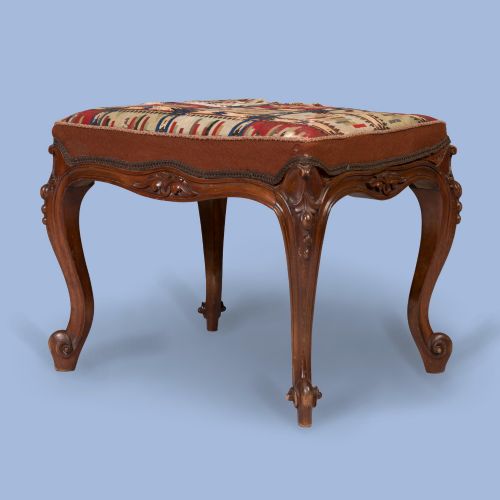


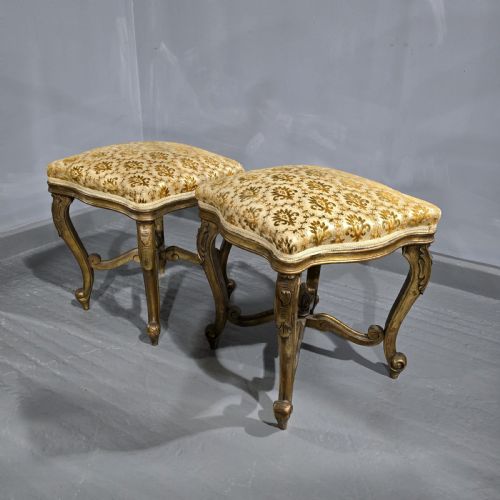
French Dressing Stool
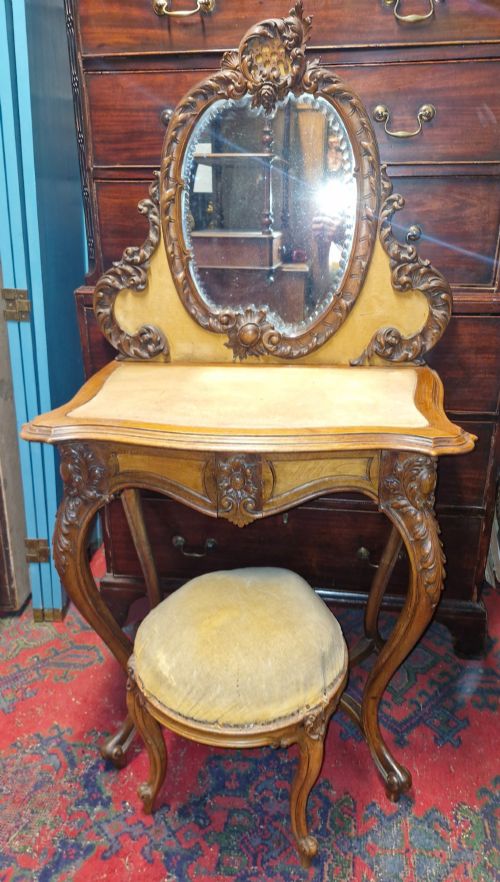
French dressing stool forms are low, upholstered seats designed for the vanity table, bringing continental elegance and practical comfort to the bedroom.
French Dressing Stool
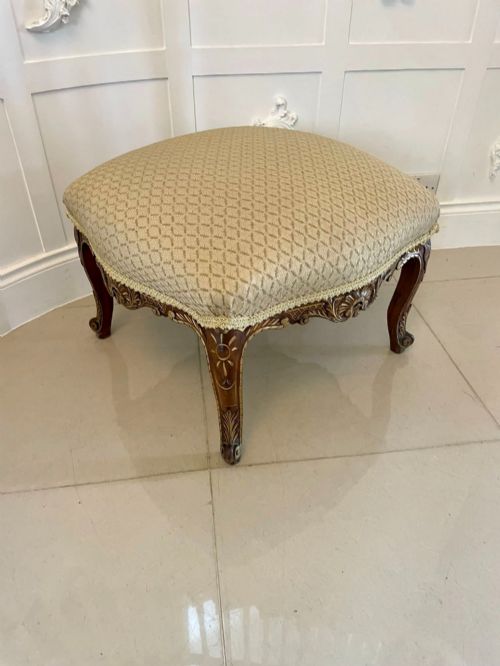
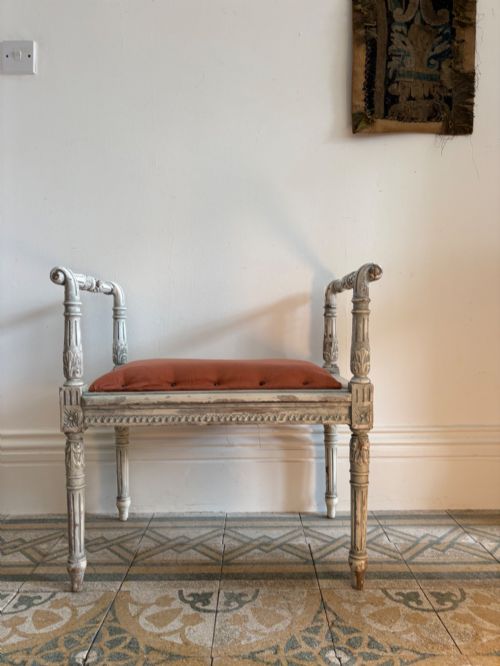
A french dressing stool serves as a low, comfortable seat positioned before a vanity or dressing table, historically used during morning routines. When searching for a french dressing stool, buyers encounter pieces spanning the nineteenth century into the early twentieth century, reflecting revival aesthetics like Louis XV and Louis XVI styles.
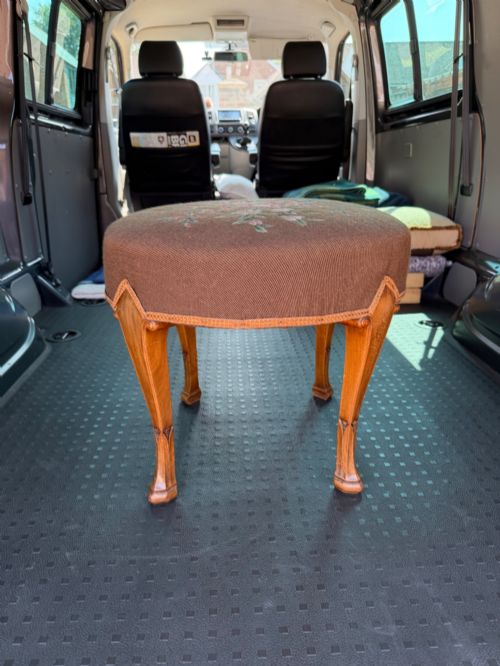
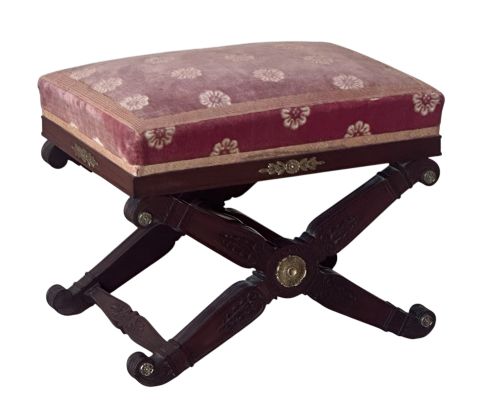
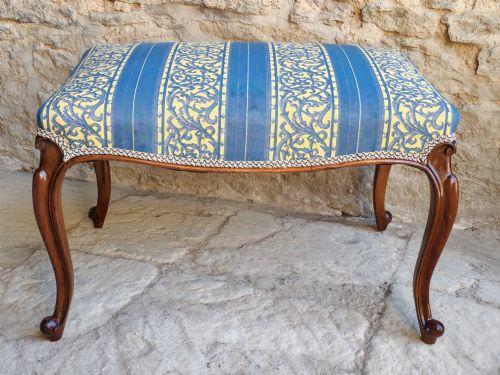
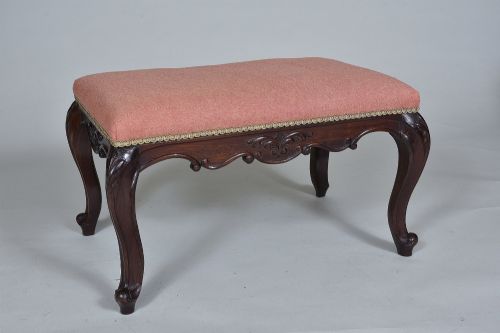
The physical forms include rectangular, circular, and oval shapes, often elevated on cabriole legs or X-frames. Many examples originate from continental workshops or Victorian British interpretations of French design.
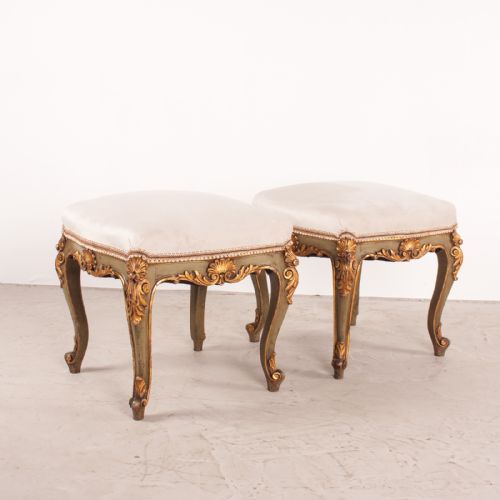
Materials range from carved walnut and giltwood to painted wood finishes, paired with upholstered tops in silk, velvet, textile, and needlework tapestry.
Materials and construction methods
Frames rely on hardwoods such as walnut, mahogany, beech, and rosewood, selected for their strength in supporting carved cabriole legs and intricate rail structures. Giltwood and painted finishes provide the characteristic surface decoration associated with French chateau and neoclassical aesthetics.
Upholstery techniques involve traditional stuffing secured over webbing, finished with silk, velvet, fabric, or needlework needlepoint seats. Details like hand-carving define the structural woodwork, ranging from restrained linear mouldings to elaborate rococo revival flourishes.
Some nineteenth century ladies dressing stools hide intricate tapestry needlepoint seats worked by fireside hours ago.
Judging the quality of these pieces
The crispness of the wood carving separates standard production from superior craftsmanship, particularly in the hand-chiselled details of cabriole legs and floral motifs. Timber selection also dictates grade, with dense walnut and fire-gilded surfaces outlasting softer painted alternatives.
Original upholstery support and the integrity of the joinery determine structural longevity, while maker stamps provide documentary evidence of provenance and elite workshop origin.
Loidrault Freres Paris
The French Dressing Stool Glossary
- Cabriole leg
- A furniture leg that curves outward at the knee and tapers inward to an ankle, common in Louis XV and Victorian revival seating.
- Giltwood
- Timber coated with a thin layer of gold leaf or gilt, frequently utilised on decorative French and neoclassical frames.
- Needlework
- Hand-stitched textile coverings utilising wool or silk yarn, often found on nineteenth century footstools and dressing seats.
- Curule stool
- An ancient Roman magistrate seat form featuring crossed legs in an X-shape, adapted in later neoclassical revival furniture.
- Banquette
- A long upholstered bench or stool seating form, occasionally incorporating cane panels or detailed wood carving.
French Dressing Stool: Frequently Asked Questions
How do I date a french dressing stool?
Dating relies on examining the timber, construction methods, upholstery techniques, and stylistic revival periods. Pieces from the nineteenth century often feature dense walnut or mahogany framing, while specific aesthetic markers point to Victorian, Louis XV, or Louis XVI influences.
Makers' stamps, hand-carved details, and the type of underlying webbing or stuffing further help narrow down the decade of production.
Where should I place a dressing stool?
While traditionally paired with a dressing table or vanity, these compact stools fit easily into various living spaces as extra seating. They work well at the foot of a bed, beneath a window seat, or beside a fireplace.
Their small footprint allows them to be tucked under consoles or displayed as standalone decorative objects in a hallway or dressing room.
What fabrics are used for upholstery?
Upholstery materials typically include traditional textiles such as silk, velvet, patterned fabric, and hand-stitched needlework tapestry. These coverings reflect the period of manufacture, with many surviving examples retaining decorative needlepoint or rich woven fabrics.
When reupholstering, maintaining the profile and edge style respects the original period aesthetic of the stool.