

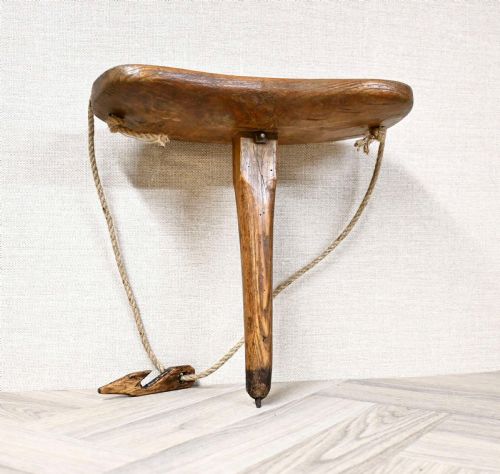


Carved Wooden Low Seat
These carved wooden low seat examples offer compact seating through regional stools, benches and small chairs shaped by traditional makers.
Carved Wooden Low Seat
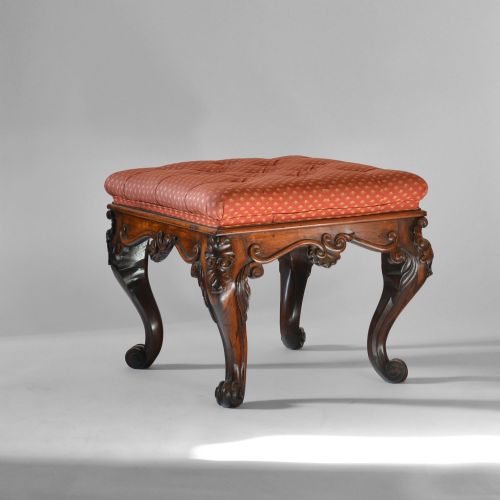
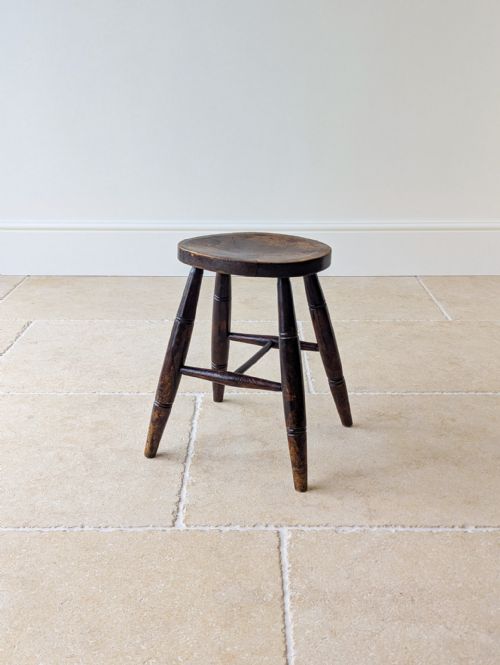
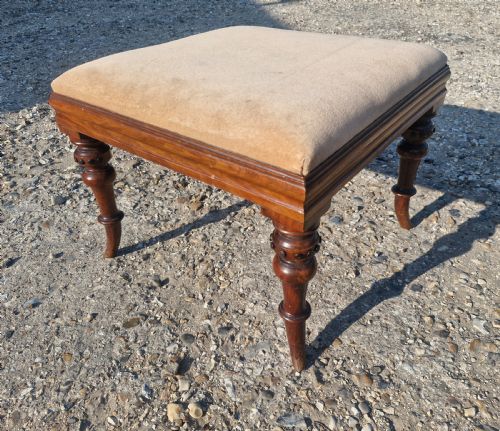
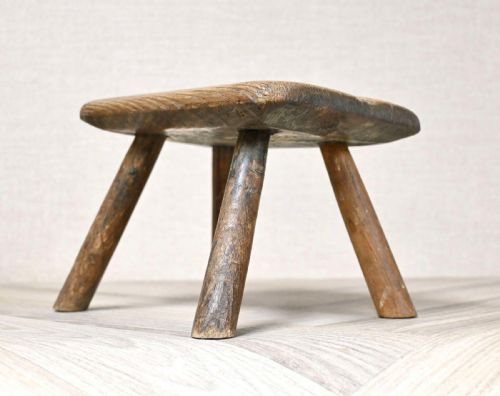
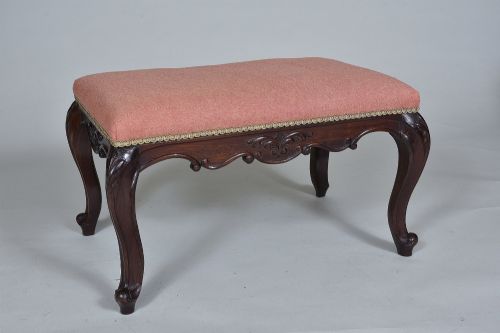
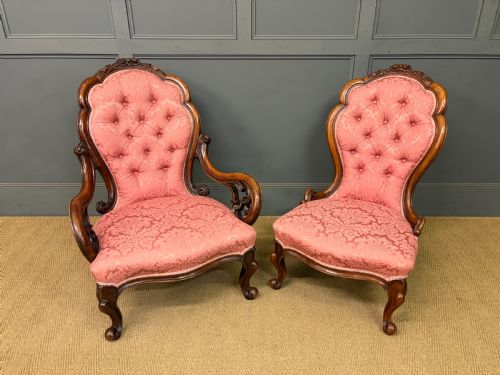
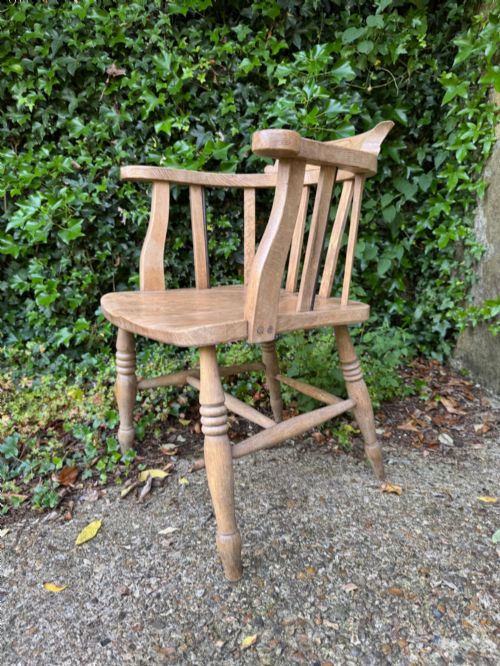
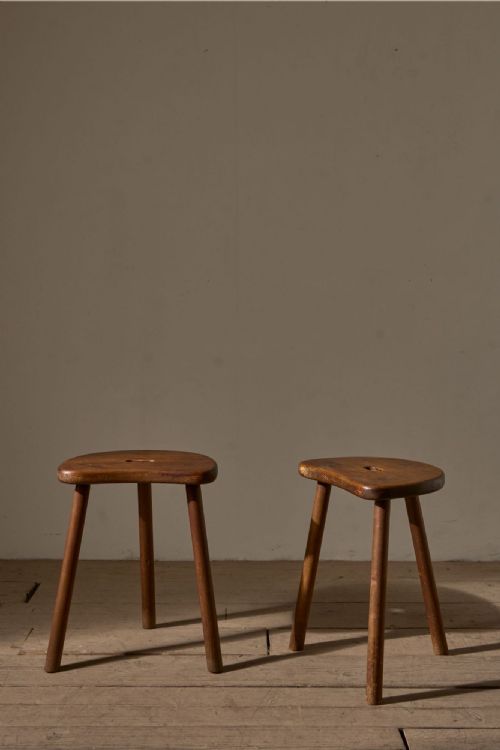
A carved wooden low seat brings together diverse domestic forms designed for resting close to the floor, including footstools, dressing stools, window seats and low chairs. You will frequently encounter Victorian and nineteenth-century examples alongside earlier vernacular pieces and revival styles.
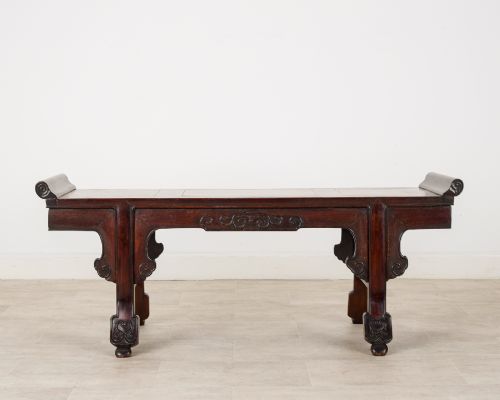
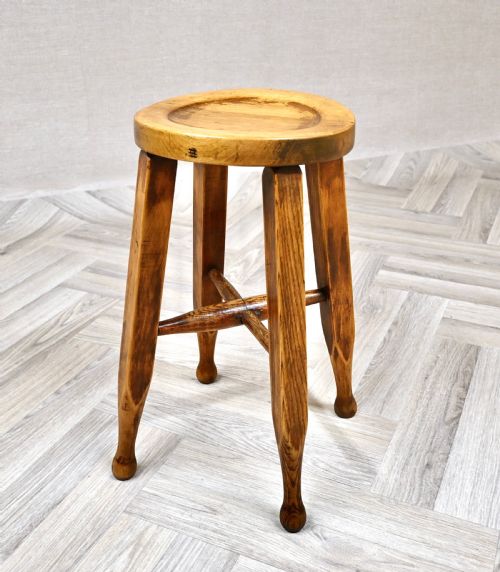
The selection ranges from simple country milking stools and joint stools to elaborate Anglo-Indian rosewood items, Chinese hardwood altar benches and French giltwood centre stools. These varied forms reflect how different cultures and periods utilised low seating for practical tasks and decorative interior placement.
Materials and construction methods
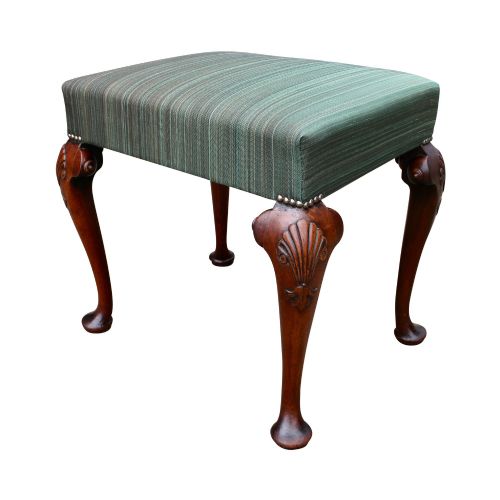
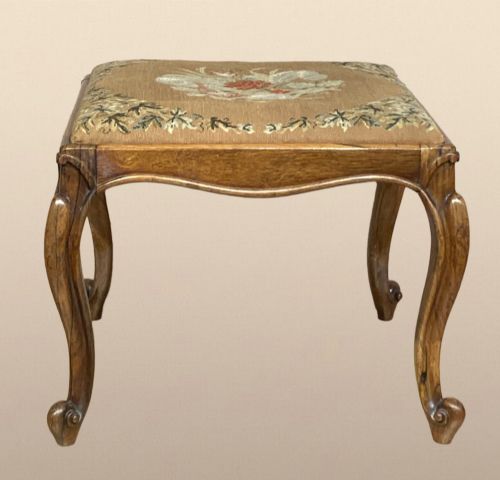
Construction relies heavily on dense timbers such as oak, walnut, mahogany, rosewood and exotic Asian hardwoods, often shaped by hand with deep relief carving. Master carvers utilised traditional joinery techniques to secure low frames, incorporating turned legs, cabriole supports or solid board seats.
Many items incorporate textile elements, featuring upholstered tops in fabric, green velvet, wool and woven rattan. Brass accents and parcel gilt details occasionally complement the exposed wood surfaces of revival and decorative pieces.
The listings span the seventeenth to the twentieth century, uniting English oak country pieces with Chinese Qing Dynasty hardwood and French decorative styles.
Distinguishing quality in carved seating
Quality rests upon the crispness and depth of the wood carving, where fluent hand-chiselled ornamentation separates standard production from exceptional artistry. Pieces attributed to specific skilled workshops or master carvers display superior anatomical proportions and precise joint integration.
The choice of primary timber influences the overall integrity, with dense figured hardwoods and solid walnut retaining sharper decorative detail than softer pine or vernacular alternatives. Original surface patination and intact period upholstery further elevate the standing of an individual piece.
Jack Grimble·J. Shoolbred·Wheeler Of Arncroach
The Carved Wooden Low Seat Glossary
- Cabriole leg
- A furniture leg featuring two curves, bending outward at the knee and inward at the ankle, mimicking an animal limb. This form appears frequently on eighteenth-century revival and Victorian seats.
- Joint stool
- A sturdy wooden stool constructed with mortise and tenon joints using wooden pegs rather than metal nails. These early domestic items provided flexible seating around the home.
- Giltwood
- Timber coated with a thin layer of gold leaf applied over a prepared gesso surface. French decorative styles utilise this technique to create a brilliant metallic finish.
- Altar bench
- A long, low wooden seating form originating in Asian domestic and temple architecture. Chinese hardwood examples often feature intricate carved panels.
- Prie Dieu
- A devotional chair featuring a low seat combined with an upper shelf designed for kneeling during prayer. Victorian examples frequently employ ebonised wood and velvet upholstery.
Carved Wooden Low Seat: Frequently Asked Questions
What distinguishes a low seat from a standard chair?
Low seats are intentionally built closer to the ground to serve specific domestic functions such as dressing, fireside sitting or resting near low windows.
Their reduced height separates them from standard dining and salon seating, making them particularly useful for compact interior spaces.
How do I date a carved wooden low seat?
Dating relies on examining the timber species, tool marks, joint construction and stylistic revival motifs present in the carving.
Nineteenth-century interpretations often borrow freely from earlier Queen Anne, Gothic or Régence aesthetics while retaining nineteenth-century manufacturing methods.
Where were these low seats placed originally?
These pieces found placement in bedrooms as dressing table seats, beside hearths for warmth, or beneath windows as low viewing benches.
Asian and European variants served both utilitarian domestic duties and formal interior decoration depending on the intricacy of their construction.
Are upholstered tops original to these pieces?
Many dressing stools and low chairs retain period upholstery like green velvet or woven rattan, though textiles often require replacement over time.
Underlying wooden frames and webbing retain historical evidence of how the seat was originally padded and secured.