


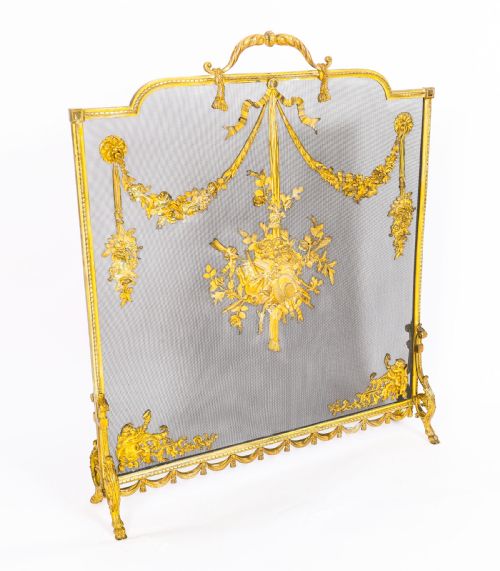


French Decorative Screen
A French decorative screen brings architectural presence and fluid movement into a room, filtering light or guarding a hearth with nineteenth-century craftsmanship.
French Decorative Screen
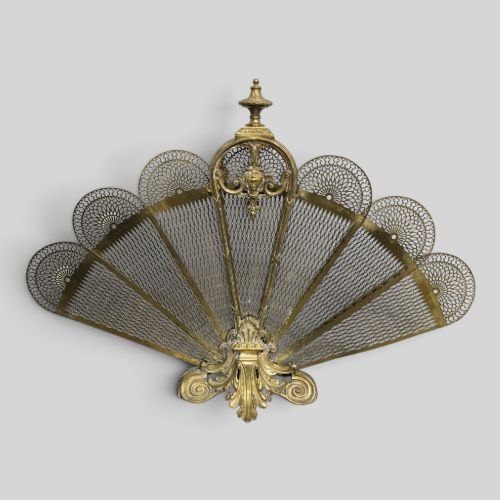
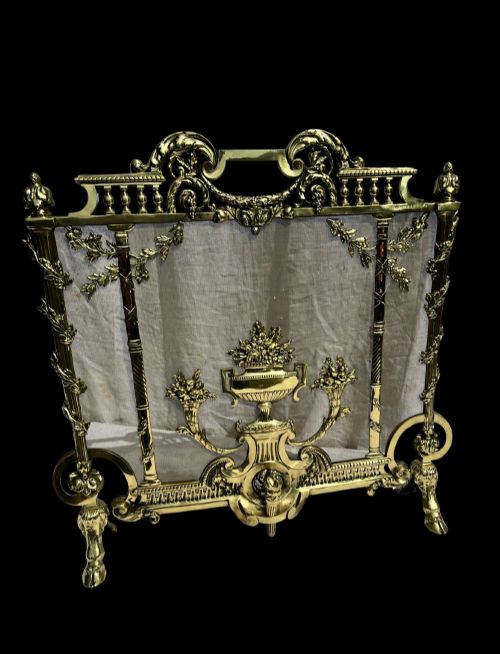
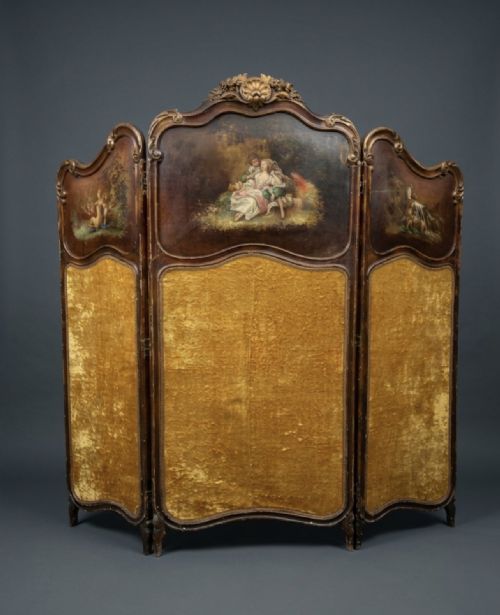
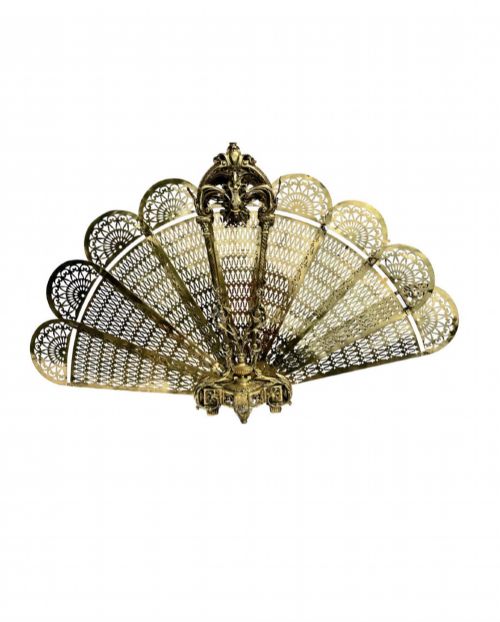
When searching for a french decorative screen, a buyer encounters pieces designed to divide a chamber or protect a fireplace, spanning the nineteenth century and the early twentieth century. These objects include folding room dividers, architectural panels, and brass fire screens that dominate the hearth with detailed metalwork.
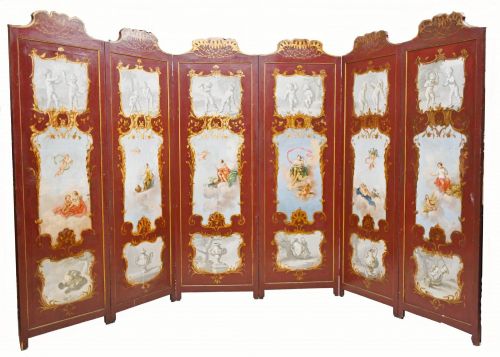
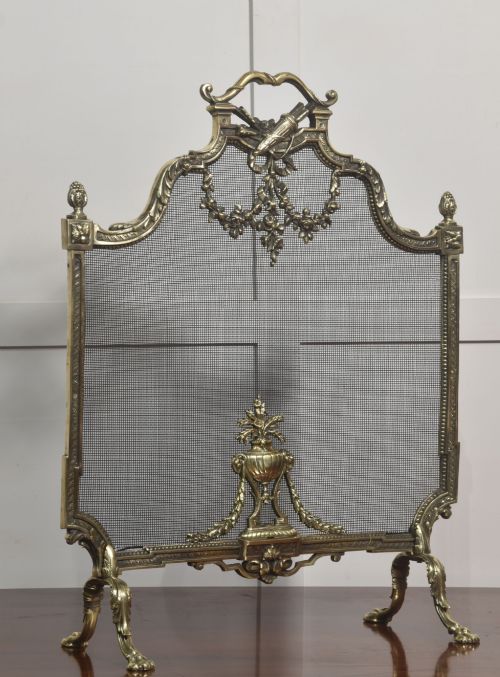
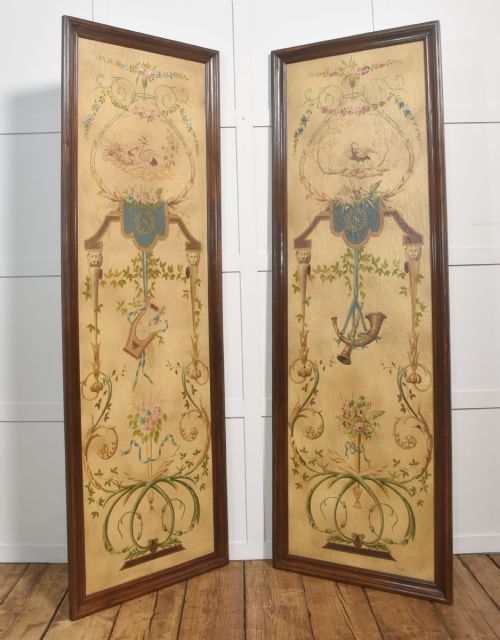
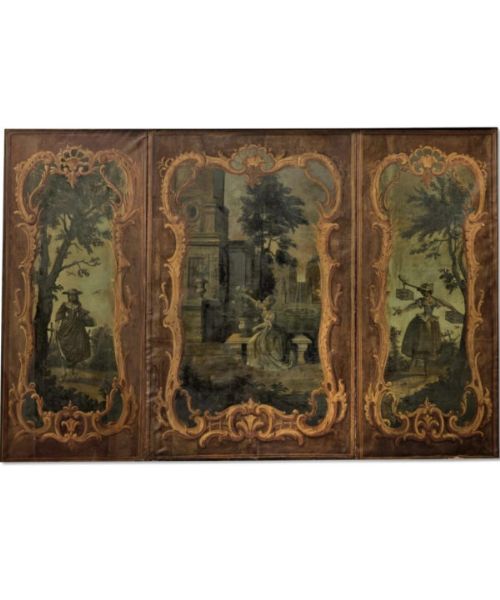
The version most commonly met on this page is the nineteenth-century brass fire screen, often shaped in the Rococo revival style with intricate casting and mesh guards. Alongside these hearth accessories appear multi-fold wooden screens and painted canvas panels depicting pastoral or Chinoiserie scenes.
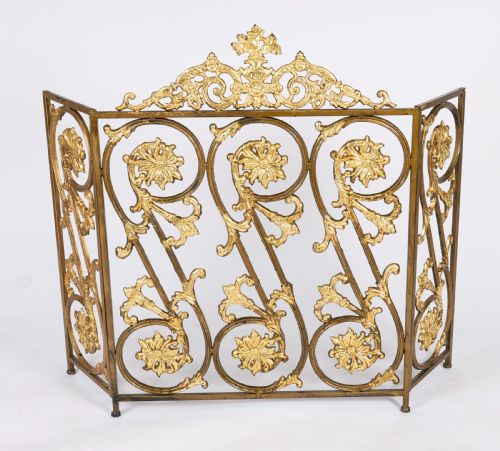
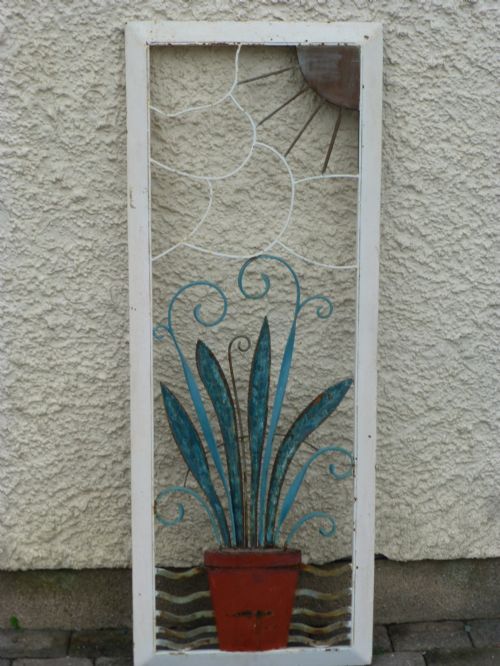
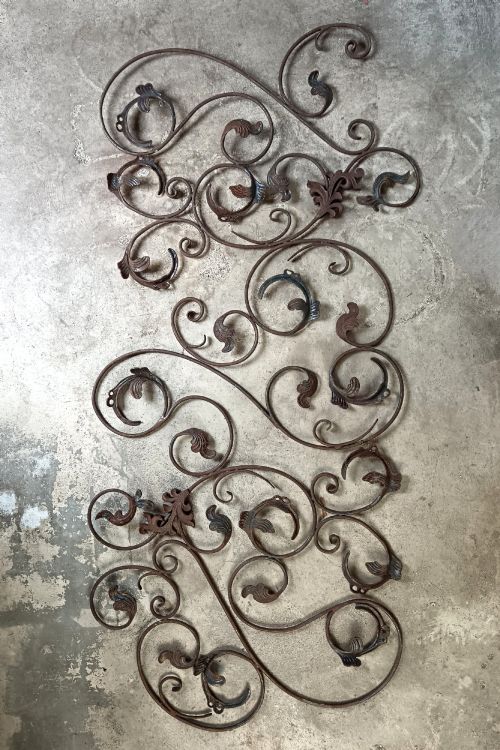
The selection also incorporates architectural salvage, wrought iron scrolls, and gilt bronze frames designed as wall art or garden dividers. Each piece relies on historical revival motifs, drawing from Louis XIV, Louis XVI, and Empire aesthetics.
Materials and construction
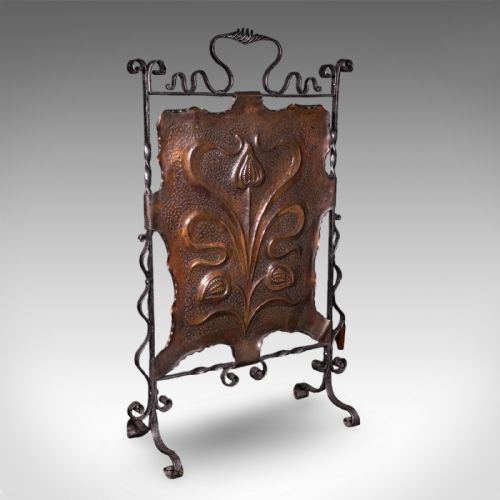
Brass and gilt bronze form the structural core of many fire screens, cast and chased with Rococo scrolls, floral trophies, or asymmetrical motifs. Wrought iron and bronze appear in architectural and garden screens, utilising heavy forged bars and scrollwork.
Wooden frames utilise walnut and joined timbers to support multi-fold panels covered in oil paint, canvas, or Aubusson tapestries. Wire mesh and copper reflectors are integrated into hearth guards to manage sparks while radiating heat into the room.
French Decorative Screen Retail Price Guide 2026
Typical asking prices for french decorative screen among the pieces listed under this phrase on Sellingantiques today, from the lower quarter to the upper quarter. They describe what is for sale here now, not the wider market.
Listings feature brass, wrought iron, and canvas across nineteenth-century styles including Rococo Revival, Louis XVI, and Art Deco.
Quality and execution
The distinction between tiers rests upon the depth of the casting and the precision of the chiselling on gilt brass and ormolu mounts. Finer brass fire screens display crisp relief work in floral and musical trophies rather than soft, flat surface moulding.
Painted panels separate by the subtlety of the brushwork, where hand-painted pastoral scenes or grisaille details show genuine artistic competency. Solid timber frames with robust hinges and intact original canvas or tapestry outlast lighter constructions lacking structural integrity.
Paul Sormani·Raymond Subes
The French Decorative Screen Glossary
- Ormolu
- Gilded bronze applied to mounts and decorative elements on furniture and fire screens. This technique involves mercury gilding on bronze bases to achieve a brilliant golden finish.
- Grisaille
- A painting executed entirely in shades of grey or neutral monochrome. This technique often mimics the appearance of relief sculpture on panels and wall hangings.
- Aubusson
- A traditional hand-woven tapestry produced in the French town of Aubusson. These textiles frequently feature pastoral or floral designs mounted onto folding screens.
- Chinoiserie
- European artistic style reflecting Chinese motifs and decorative patterns. This aesthetic appears on painted canvas panels and multi-fold room dividers from the nineteenth century.
- Rococo Revival
- A nineteenth-century design movement resurrecting the asymmetric scrolls and shell motifs of the eighteenth century. It defines the ornamentation on numerous brass fire screens.
- Spark screen
- A protective mesh or wire guard placed before an open fireplace to contain embers. These items combine functional wire mesh with ornate brass or iron frames.
French Decorative Screen: Frequently Asked Questions
How were fire screens used?
Fire screens served primarily to shield occupants from the intense radiant heat of an open coal or wood fire when sitting close to the hearth. During warmer months, they also masked the empty fireplace grate with decorative brass, painted panels, or needlework.
Beyond the hearth, larger folding screens partitioned large drawing rooms into intimate seating areas or provided privacy in dressing rooms. Their dual role as heat shields and decorative furnishings made them central to nineteenth-century interior arrangements.
How do I tell Rococo revival from Louis XIV?
Rococo revival pieces display asymmetrical C-scrolls, shell motifs, and flowing floral arrangements that avoid rigid symmetry. The brass frames twist and curve organically, reflecting mid-nineteenth-century interpretations of eighteenth-century French design.
Louis XIV revival items lean towards heavier, more formal symmetry with classical architectural proportions, laurel wreaths, and martial trophies. They project greater solemnity and straight-lined structure compared to the exuberant curves of the Rococo style.
Can folding screens be used as wall art?
Multi-fold panels featuring oil paintings, grisaille work, or Chinoiserie canvases easily translate into wall hangings or decorative room dividers. Their painted surfaces function effectively as independent works of art when mounted securely against a wall.
Architectural iron scrolls and salvaged panels also adapt readily to wall mounting, adding sculptural texture and nineteenth-century character to plain plaster surfaces.