



French Decorative Glassware
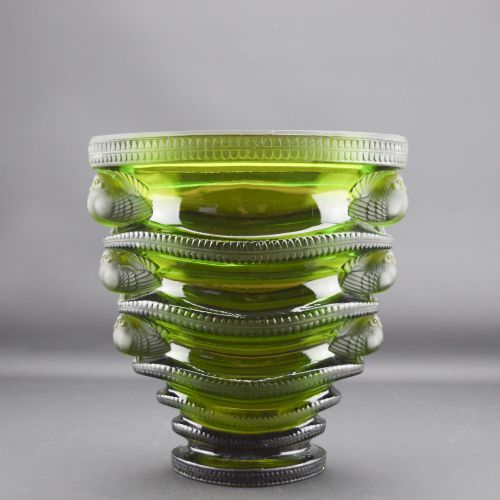
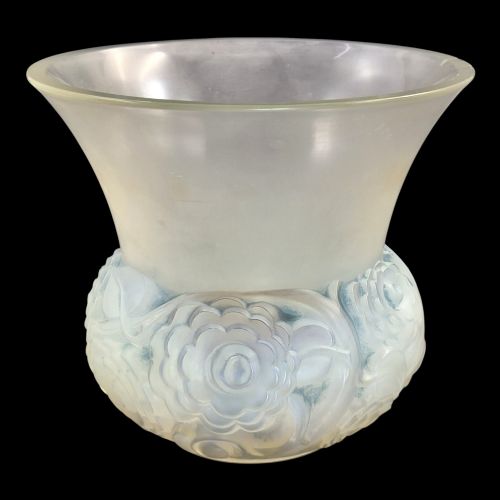
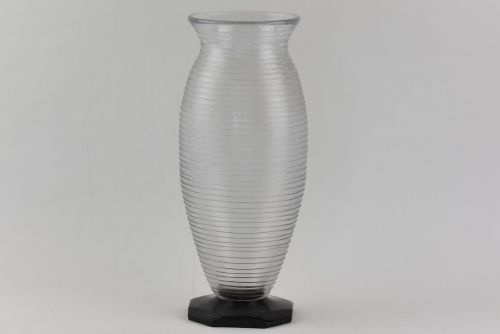
French decorative glassware brings together opalescent, cameo, and moulded pieces from the nineteenth and twentieth centuries that transform light in any room.
French Decorative Glassware
The objects take forms such as decorative dishes, chargers, and rummers alongside traditional vessels. Pieces span from Victorian and nineteenth-century examples through to the 1930s.
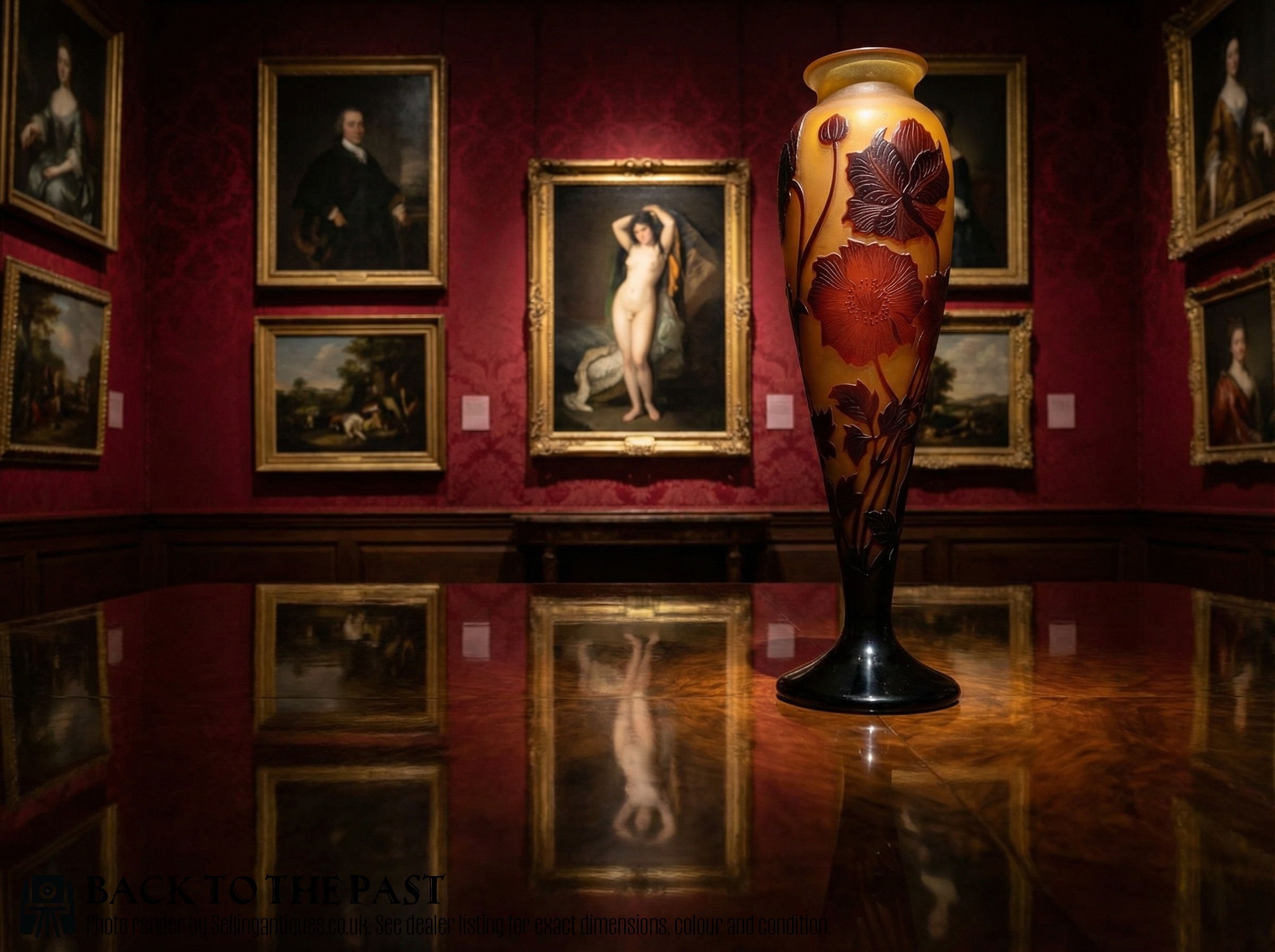
Makers and houses represented include Lalique, Daum, Legras, Gallé, and D'Argental. Buyers encounter both opalescent surfaces and cameo glass vessels.
Methods and materials
Production relies upon specialised glass manipulation, including moulding, frosting, acid-etching, and cameo techniques. Makers build depth by layering glass or employing blow-out methods.
Makers apply surface details using gold leaf and enamel decoration. Staining with sepia or other pigments highlights the moulded relief on opalescent bowls and plates.
Certain plates portray racing hounds and forest landscapes, letting you collect tabletop wildlife without the muddy paws.
Distinctions in quality
Quality rests upon the crispness of the moulded or cameo relief and the skilful handling of light through opalescent or frosted surfaces. Stronger examples display deliberate contrast between the clear and tinted areas of the glass.
The precision of hand-applied details such as gold leaf and enamel ornamentation separates standard items from finer works. The integration of signatures into the design structure also marks the distinction of the maker's hand.
Rene Lalique·Daum·Legras·Galle·Paul Nicholas for D'Argental
The French Decorative Glassware Glossary
- Opalescent Glass
- Glass that diffuses light to display milky, pearlescent blue or amber tones. This effect shifts depending on the angle of the ambient light.
- Cameo Glass
- Vessels formed with multiple layers of different coloured glass that are carved or acid-etched away to create a raised design. The method demands immense precision from the glass artisan.
- Acid-Etched Glass
- Glass treated with acid to eat away the surface, producing a frosted texture or pattern. It allows for intricate decorative motifs without physical carving.
- Enamel
- Opaque glass paste fired onto the surface of the vessel for colour and pattern. This technique adds rich decorative detail to the finished piece.
- Rummer
- A large drinking glass with a short stem and a capacious bowl. These pieces often feature traditional cut or engraved decoration.
French Decorative Glassware: Frequently Asked Questions
How do I identify opalescent glass?
Opalescent glass shows a milky translucence that catches blue or amber highlights when held to the light. The effect arises from specific agents added during the cooling process.
Inspect the edges and relief work where the glass thickness varies to see the shift in tone most clearly.
What defines cameo glass?
Cameo glass involves two or more fused layers of contrasting glass colours. Artisans carve or etch away the outer layer to leave a raised motif against the background.
This method requires patience and steady control to avoid cutting through the delicate top stratum.
Where were these pieces made?
The items originate from French glasshouses and workshops operating during the nineteenth and twentieth centuries. Centres such as Nancy and Paris produced significant quantities of decorative vessels.
Signatures or moulded marks on the base often indicate the specific maker or studio.
How should I clean glass vases?
Clean these items with lukewarm water and a mild detergent using a soft cloth. Avoid abrasive scrubbers that might scratch frosted or enamelled surfaces.
Dry them immediately with a lint-free cloth to prevent water spots from forming on the glass.