
French Decorative Dish
A french decorative dish brings tactile history to a table, combining utility with distinct continental style.
French Decorative Dish
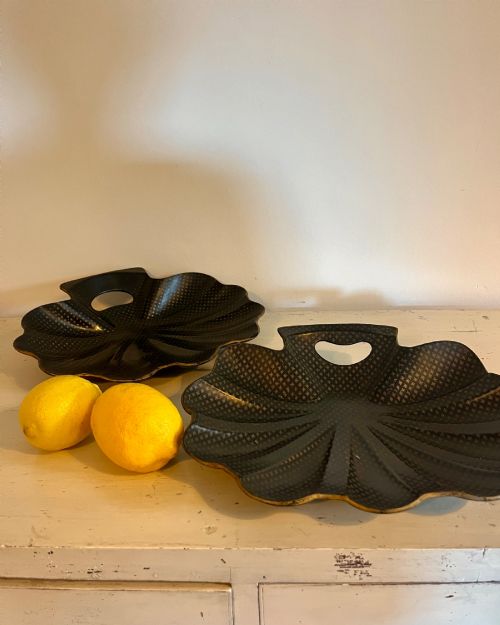
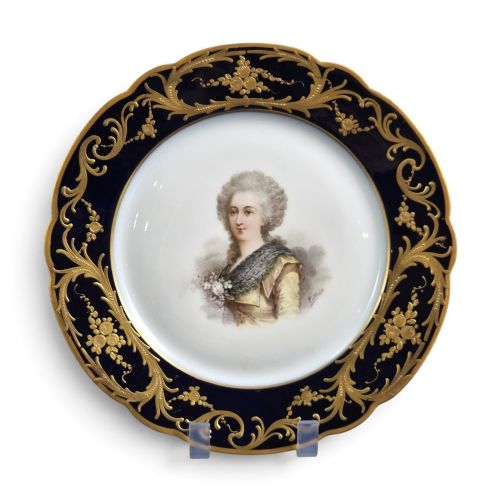
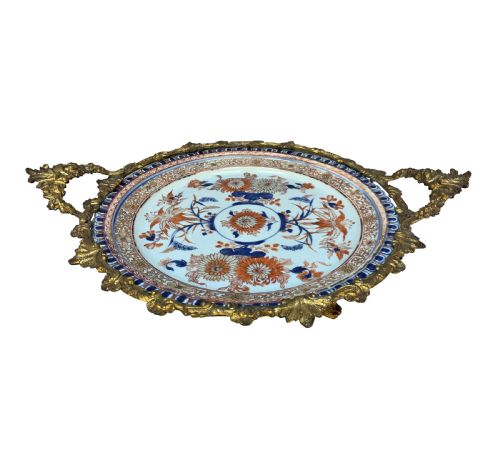
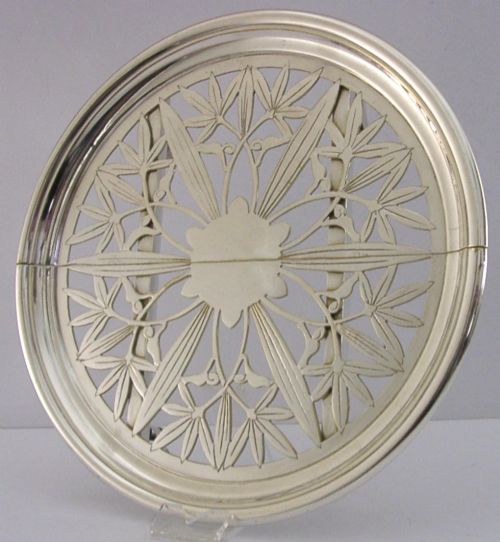
A french decorative dish encompasses serving pieces, cabinet plates, trays, and centrepieces originating from workshops across France. These items range from porcelain dinner plates and faience chargers to heavy bronze and glass presentation bowls.
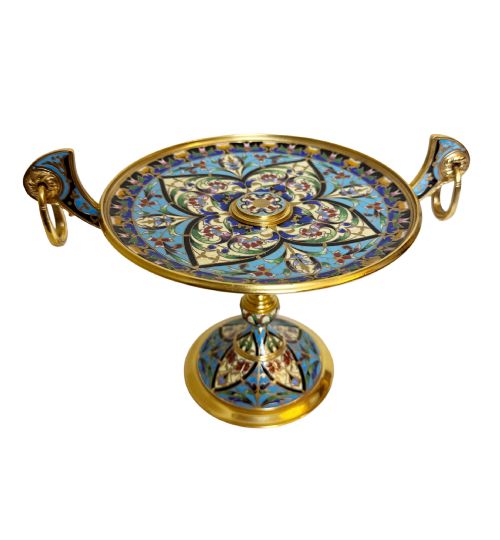
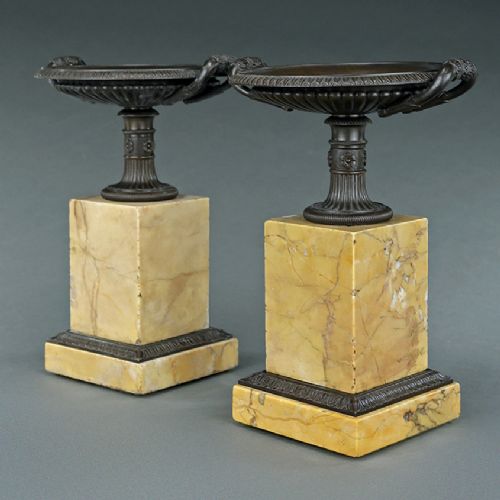
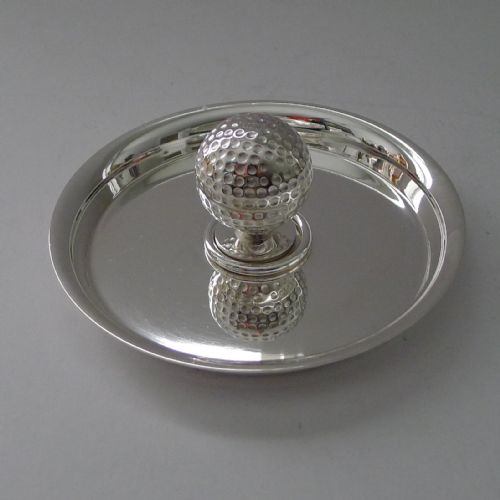
The selections encountered most frequently on this page date from the nineteenth century, spanning periods from Empire and Rococo Revival to Art Deco. Formats vary from small trinket dishes and vide poche vessels to large footed tazzas and centrepiece bowls.
Materials and Techniques
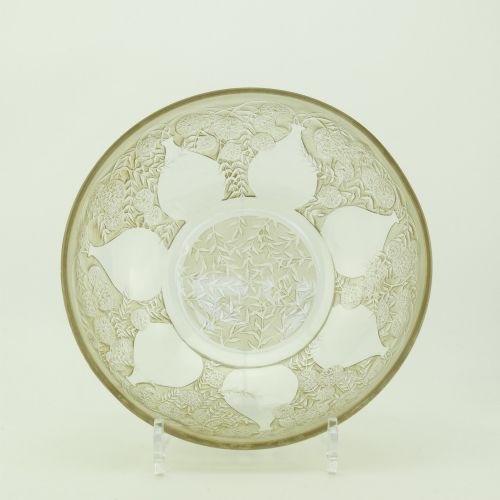
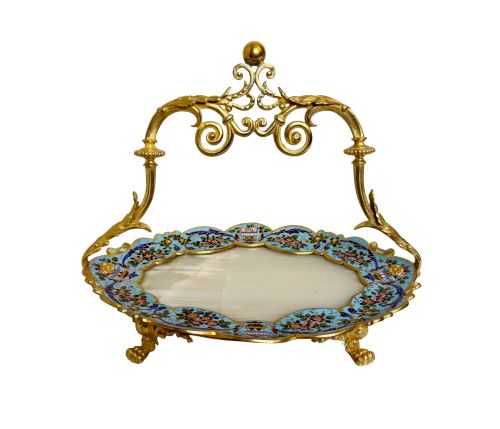
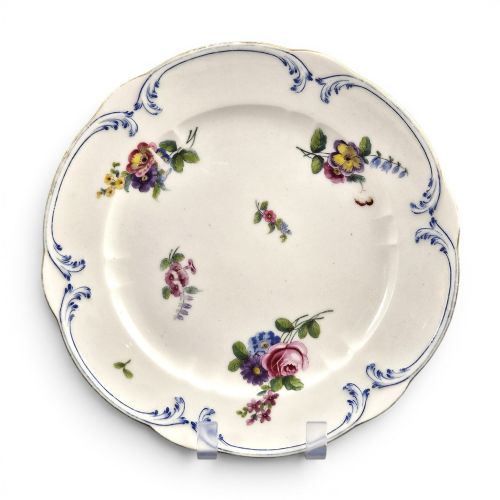
Makers utilised hard and soft-paste porcelain, earthenware, and faience, often decorating surfaces with hand-painted polychrome scenes or champlevé enamel work. Glass pieces rely on moulding, cutting, and opalescent or pate de verre techniques developed during the nineteenth and early twentieth centuries.
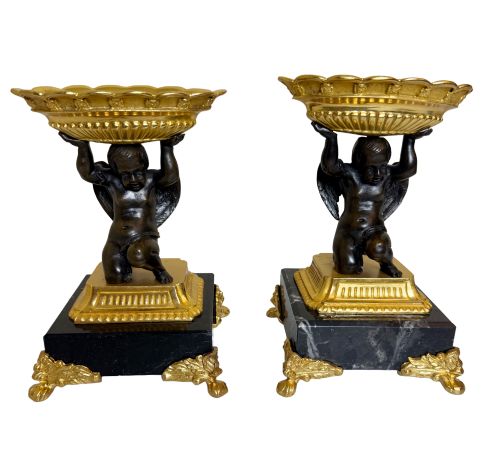
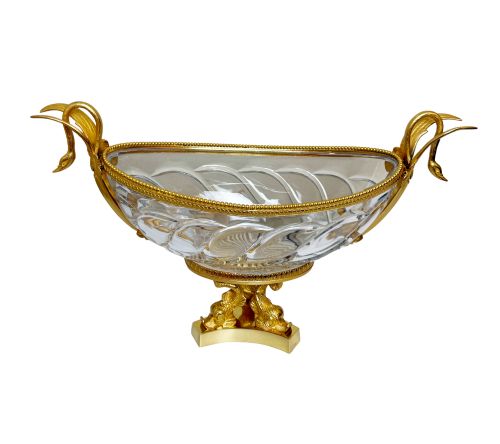
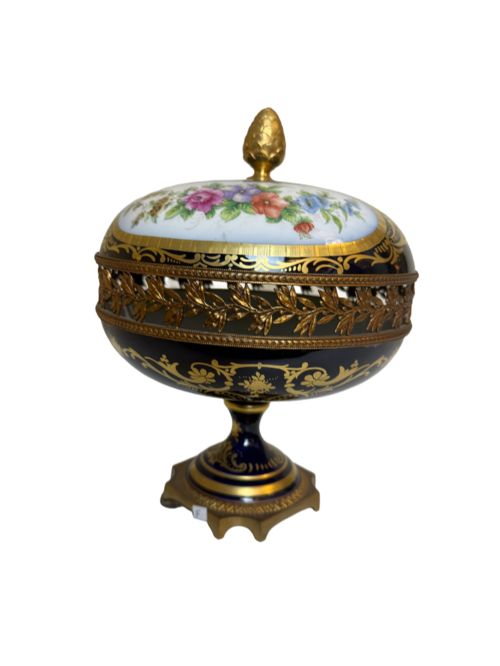
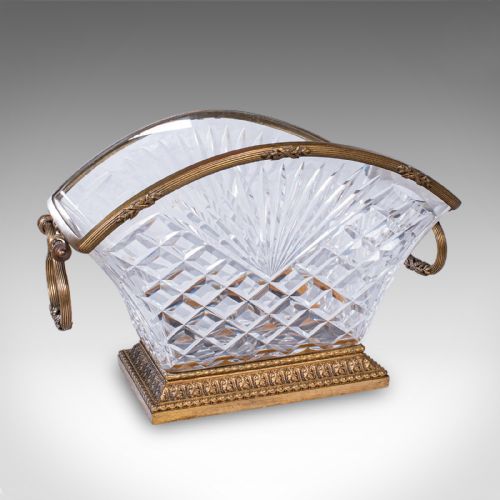
Metal components involve cast bronze, copper, and brass enhanced with gilt, ormolu, or silver plating. These mounts are mechanically joined to porcelain bowls, marble bases, and cut glass bodies to construct elaborate centrepieces and tazzas.
Listings span the eighteenth to the twentieth centuries, recording materials from opalescent glass and porcelain to gilt bronze and tortoiseshell.
Markers of Quality
Distinctions in quality arise from the crispness of the metal casting, the depth of the chasing on bronze mounts, and the precision of the hand-painted details on porcelain or faience. Superior examples display integration between the decorative medium and its support structure, such as seamless ormolu mounts fitted precisely to ceramic or glass.
The clarity of pressed or opalescent glass and the complexity of enamel work also signal superior craftsmanship. Pieces produced by established Parisian potteries and notable glass designers demonstrate a higher standard of finish than standard commercial wares.
Rene Lalique·Christofle·Daum France·Ambroise Michel·Pucher Deroche
The French Decorative Dish Glossary
- Tazza
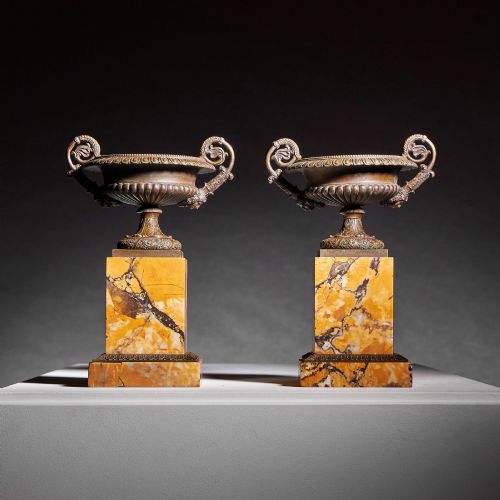
- A shallow bowl or plate mounted on a stem and foot, traditionally used for serving fruit or displaying sweets. These elevated vessels often feature cast bronze and marble components.
- Vide Poche
- A small tray or dish placed in an entryway to empty pockets of coins and keys. The French term translates literally to empty pocket.
- Champlevé
- An enamelling technique where troughs are dug into a metal surface and filled with vitreous paste before firing. This process creates colourful patterns alongside polished metal lines.
- Faience
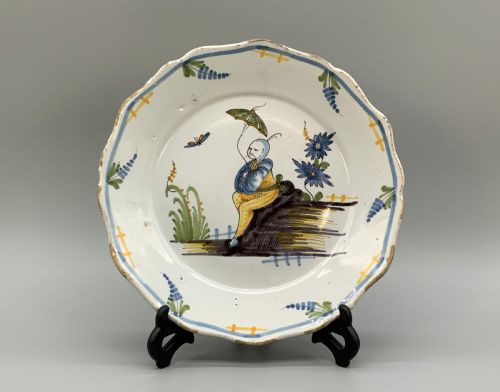
- Tin-glazed earthenware produced across France and Europe. The opaque white glaze provides a smooth background for painted motifs.
- Ormolu
- Finely ground high-carat gold applied to a bronze object through mercury gilding or electroplating. The technique produces a rich metallic sheen on decorative mounts.
French Decorative Dish: Frequently Asked Questions
What is a tazza used for?
A tazza serves as an elevated presentation piece for fruit, small cakes, or confectioneries on a dining table. In historical interiors, these footed dishes functioned primarily as display items or centrepieces rather than everyday tableware.
Today, they suit sideboard placement or occasional service during gatherings. Their elevated profile adds vertical interest to table settings.
How do I identify Art Deco glass dishes?
Art Deco glass dishes typically feature geometric motifs, stylised floral reliefs, or moulded animal figures characteristic of the interwar period. They frequently utilise opalescent, sepia-stained, or clear moulded glass.
Signatures or moulded marks from designers such as Lalique often appear on the base or rim. The heavy, tactile quality of the glass distinguishes these pieces from earlier Victorian tableware.
Where were porcelain plates displayed?
Cabinet plates and chargers were often mounted on walls, set into plate rails, or displayed on specialised stands within formal reception rooms. Their primary purpose was visual appreciation rather than dining.
When placed on flat surfaces, they functioned as decorative focal points on tables or sideboards. The painted portraits and heraldic motifs invited close inspection by guests.
What is the difference between faience and porcelain?
Faience consists of tin-glazed earthenware, which is a porous clay body covered in an opaque white glaze that absorbs paint beneath the surface. Porcelain is a vitrified, non-porous ceramic fired at much higher temperatures to achieve a hard, translucent finish.
Porcelain allowed for finer painted details and gilt accents favoured in royal courts. Faience offered a more rustic or folk-art aesthetic with distinctive manganese and yellow pigments.