
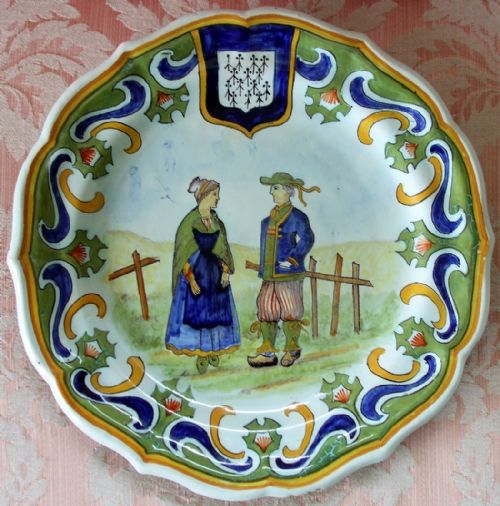


French Decorative Ceramic Dish
A French decorative ceramic dish brings painted tin-glazed earthenware and soft-paste porcelain into the room, offering cabinet plates, chargers and centrepieces styled in French Rococo and Louis XVI designs.
French Decorative Ceramic Dish
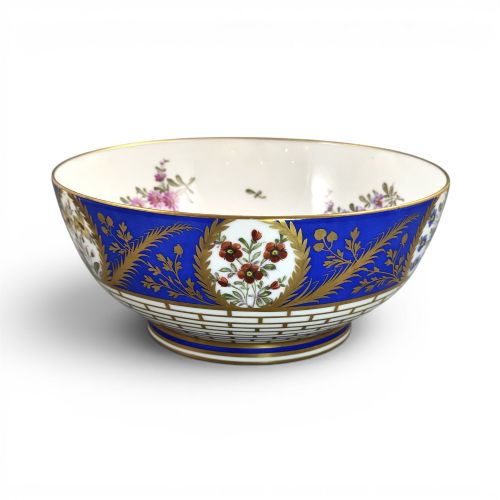
A french decorative ceramic dish spans a diverse range of forms, from cabinet plates and chargers to wall plaques and footed centrepiece bowls. These pieces emerge primarily from the eighteenth and nineteenth centuries, capturing periods like the French Rococo, Rococo Revival, and Louis XVI.
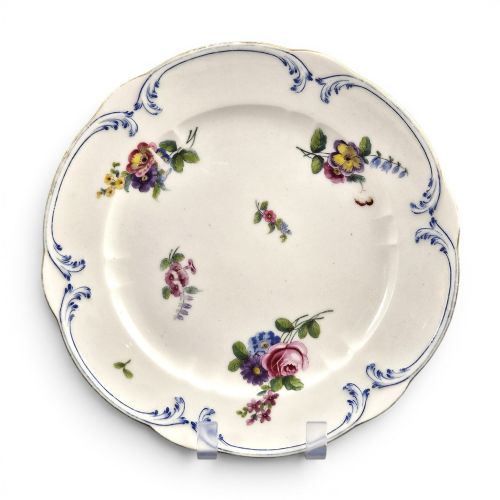
Makers in places such as Paris, Limoges, Desvres, Lille, and Chantilly shaped these ceramics across distinct eras, including the seventeen-fifties and eighteen-eighties. Buyers encounter both soft-paste porcelain and tin-glazed faience, reflecting centuries of European ceramic tradition.
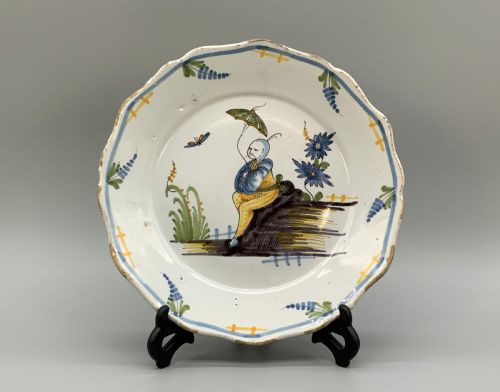
The selection ranges from early tin-glazed earthenware chargers with manganese and yellow glazes to late nineteenth-century plates executed in the Sèvres manner. Each object serves either a functional dining role or a purely decorative display purpose within a room.
Materials and production methods
Potters utilised soft-paste porcelain and tin-glazed earthenware as the primary ceramic bodies, shaping them into plates, bowls, and plaques. Hand-painted scenes in polychrome, puce camaieu, or Chinoiserie styles decorate the surfaces of these wares.
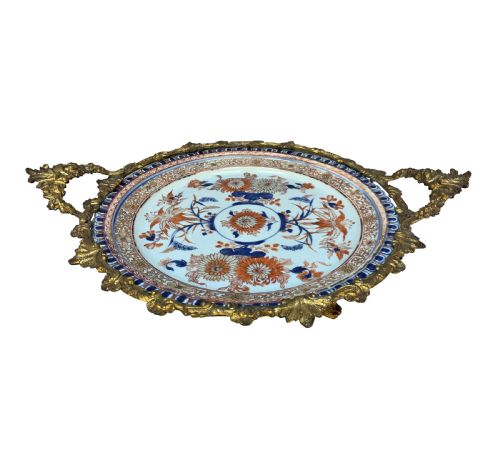
Many finer examples incorporate metal mounts, joining porcelain or faience with cast or chased ormolu, gilt bronze, and champlevé enamel. Gold leaf highlights borders and architectural details, elevating simple earthenware into grand centrepieces.
Regional centres of production represented in the inventory include Paris, Limoges, Desvres, Lille, and Chantilly.
Distinctions in quality and execution
Quality rests upon the crispness of the hand-painted decoration, the precision of the ceramic body, and the integration of metal mounts. Superior soft-paste porcelain or tin-glazed faience displays controlled brushwork, clear glaze application, and sophisticated pictorial depth.
The presence of precious materials like ormolu, gilt bronze, and champlevé enamel distinguishes standard production from exceptional pieces. Furthermore, attribution to recognised workshops or documented makers elevates the artistic significance of the dish.
Ambroise Michel·Samson·Pucher Deroche·Louis Pierre Malpass
The French Decorative Ceramic Dish Glossary
- Faience
- Tin-glazed earthenware produced in France, typically featuring an opaque white glaze decorated with painted pigments. This technique underpins much of traditional French ceramic history.
- Ormolu
- Gilt bronze mounts applied to furniture, clocks, and ceramic vessels. Found on eighteenth and nineteenth-century porcelain pieces to frame the ceramic body.
- Soft-Paste Porcelain
- A vitreous ceramic material composed of clay and glass frit, fired at lower temperatures than hard-paste porcelain. It characterises early French manufactories like Chantilly and Sèvres.
- Charger
- A large decorative plate or dish, often intended for display on a sideboard or wall rather than for dining use. Eighteenth-century examples frequently display bold hand-painted motifs.
- Champlevé Enamel
- An enamelling technique where troughs are dug into a metal surface and filled with vitreous paste before firing. This method decorates the bronze mounts of nineteenth-century centrepieces.
- Puce Camaieu
- A monochromatic painting style utilising shades of purple or purplish-red. Eighteenth-century faience dishes frequently employ this palette for narrative scenes.
French Decorative Ceramic Dish: Frequently Asked Questions
What is a French decorative ceramic dish used for?
These dishes function primarily as cabinet plates, wall plaques, or centrepieces for display rather than everyday tableware. Collectors place them on sideboards or mount them to walls to showcase the painted scenes.
Historically, larger chargers and bowls also served decorative roles in grand interiors, reflecting the status and taste of the owner through their elaborate porcelain or faience bodies.
How do I distinguish eighteenth-century pieces from nineteenth-century revivals?
Eighteenth-century examples, such as those from Chantilly or early faience kilns, show the specific potting techniques and glaze characteristics of their era. Revival pieces often emulate Sèvres or Chelsea-Derby styles while bearing nineteenth-century production marks.
Examining the footrim, the composition of the ceramic body, and the style of hand-painted decoration helps clarify whether a piece dates to the original period or the later nineteenth-century revival movements.
What does ormolu mounting indicate on a porcelain dish?
Ormolu or gilt bronze mounts indicate that a porcelain plate, bowl, or dish was considered high-status and worthy of architectural enhancement. These metal frames were often added during manufacture or by later retailers to elevate the object for luxury markets.
Such mounts provide structural support for centrepieces and combine the lapidary qualities of French metalwork with the delicate glaze of porcelain or faience.
How should I care for an antique ceramic dish?
Display these items away from direct sunlight and areas prone to rapid temperature fluctuations to protect the enamel, gold leaf, and tin glaze. Dust them gently with a soft dry cloth without using liquid cleaners.
If the piece includes ormolu or gilt bronze mounts, avoid abrasive polishes that might strip the original gilding from the metal surface.