


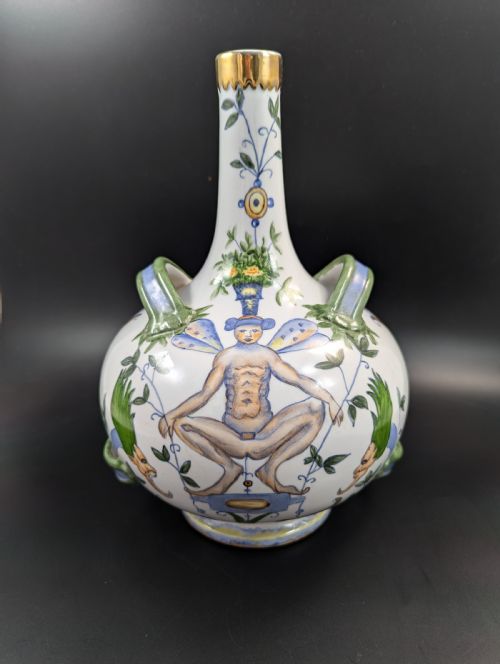


Antique French Majolica
These antique french majolica pieces bring rich tin-glazed earthenware and vibrant enamelled surfaces to your interior.
Antique French Majolica
When you search for antique french majolica, you encounter a diverse range of ceramics spanning the eighteenth and nineteenth centuries. The selection encompasses functional vessels alongside purely decorative objects, reflecting shifting domestic tastes across multiple generations.
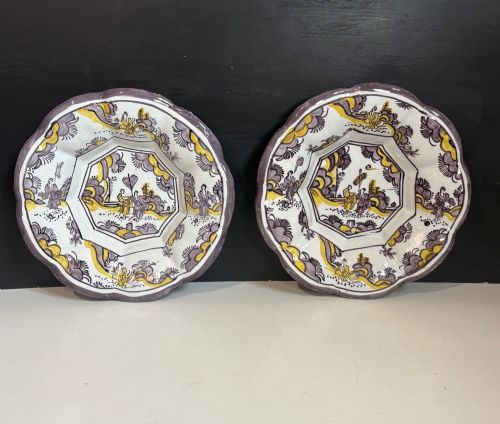
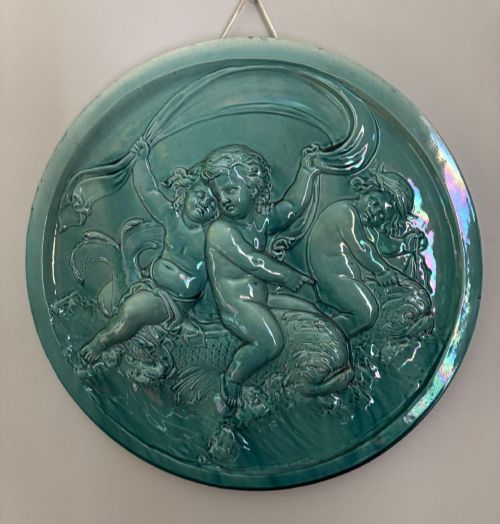
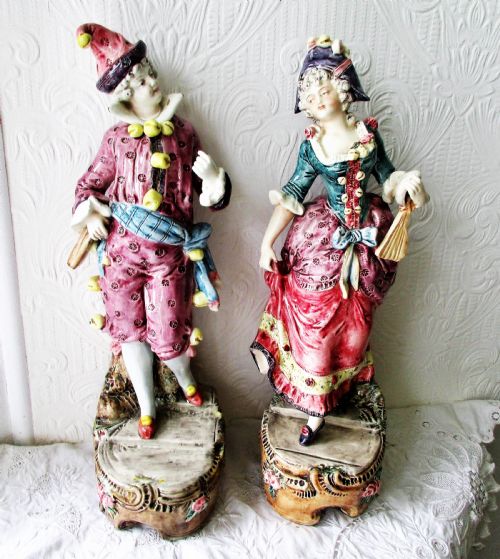
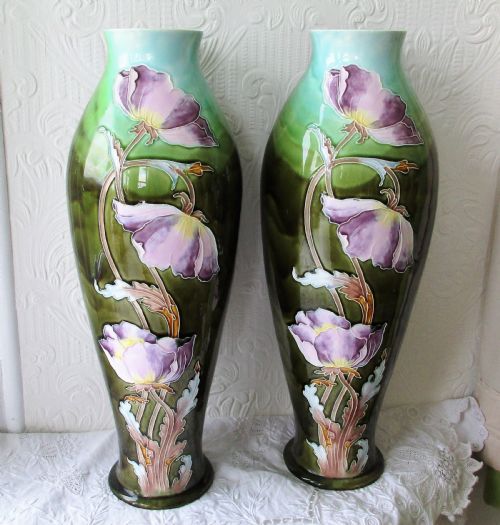
Vases, decorative dishes, wall plaques, and figurines dominate the physical forms available. You are especially likely to find nineteenth-century examples decorated with figurative scenes, botanical motifs, or rich lustre glazes.
The material vocabulary draws heavily on earthenware, faience, and tin-glazed earthenware. Makers applied lead and tin glazes to create opaque white or coloured grounds suitable for hand-painted ornamentation.
Materials and production methods
Potters shaped local clays into vessels, urns, and plaques before firing them to create a porous earthenware biscuit body. This foundation received an opaque tin glaze that masked the darker clay beneath.
Artisans applied enamel colours directly onto the unfired or raw glaze surface, allowing pigments to absorb into the liquid coating during the second kiln firing. Lustre techniques introduced metallic sheens through controlled reduction firing.
Evaluating quality and execution
Quality rests primarily in the precision and confidence of the hand-painted decoration. Finer pieces demonstrate careful brushwork and harmonious colour palettes across complex mythological or floral compositions.
The weight and refinement of the moulded earthenware body also separate standard production from exceptional work. Stronger definition in relief-moulded details and smooth, even glaze distribution indicate superior workshop output.
Clement Messier·Gien Faience·Choisy le Roi·Sarreguemines·Minton
The Antique French Majolica Glossary
- Faience
- Tin-glazed earthenware produced in France and other European countries. The technique creates a smooth white surface ideal for detailed hand-painted designs.
- Lustre
- A type of ceramic glaze that imparts a metallic or iridescent sheen. Potters achieve this effect by introducing metallic salts into the kiln during firing.
- Tin glaze
- An opaque white glaze made by adding tin oxide to a lead glaze base. It provides the traditional canvas for painted majolica decoration.
- Earthenware
- Porous pottery fired at relatively low temperatures. It serves as the primary body material for nearly all pieces in this category.
- Enamel
- Vitreous coloured glass fused to the ceramic surface during firing. It provides the vivid palette characteristic of nineteenth-century decorative wares.
Antique French Majolica: Frequently Asked Questions
How do I clean antique majolica?
Dust these ceramic pieces gently with a soft, dry cloth. Avoid harsh chemical cleaners or submersion in water, as moisture can penetrate old glaze fractures.
Keep them away from direct sunlight and damp environments to protect the porous earthenware body and fragile enamel surfaces from degradation.
Are these pieces waterproof?
Many nineteenth-century vases and pitchers were designed for actual domestic use, but old tin-glazed earthenware can develop hairline cracks over time. It is safer to use glass liners if you intend to display fresh flowers.
Displaying them as dry decorative objects ensures the historical glaze and painted enamel remain entirely protected from moisture damage.
How do I date these ceramics?
Examine the base for impressed workshop marks, painted signatures, or registration numbers. Stylistic cues such as eighteenth-century forms versus Art Nouveau curves also help narrow the production window.
Comparing the glaze texture and body weight with documented factory examples provides further confirmation of the manufacturing period.
Where should I display them?
Wall plaques and decorative dishes suit sturdy hanging hardware or plate stands where their painted surfaces catch the light. Urns and ewers make striking focal points on sideboards or mantelpieces.
Ensure shelves are stable and positioned away from heavy foot traffic to protect fragile earthenware edges from accidental knocks.