



French Curved Side Table
A french curved side table brings elegance to a room with its fluid lines, combining practical surface space with decorative grace.
French Curved Side Table
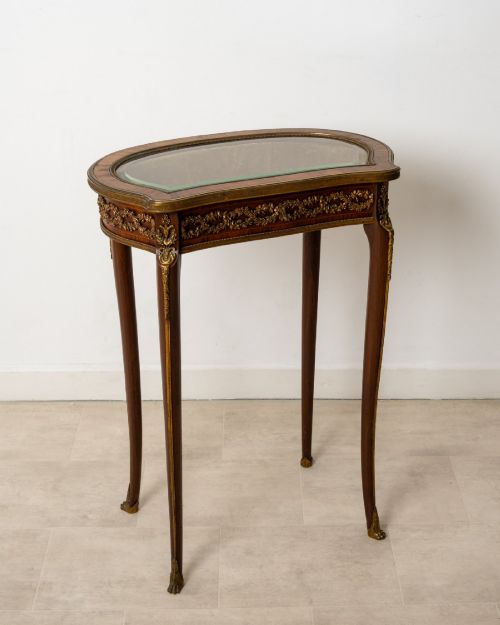
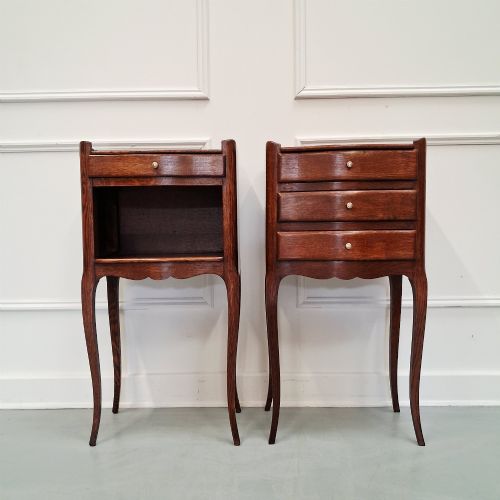
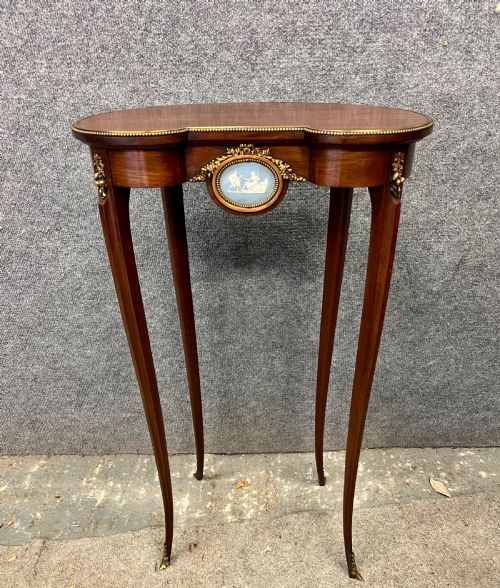
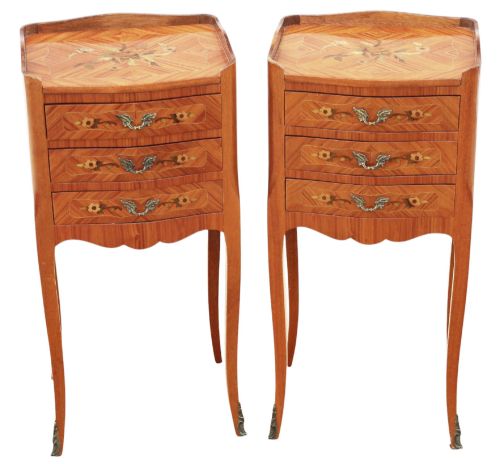
When you search for a french curved side table, you encounter an array of forms spanning from the eighteenth century to the twentieth century. The selection includes console tables, bedside tables, side cabinets, and kidney shaped library tables reflecting diverse aesthetic movements.
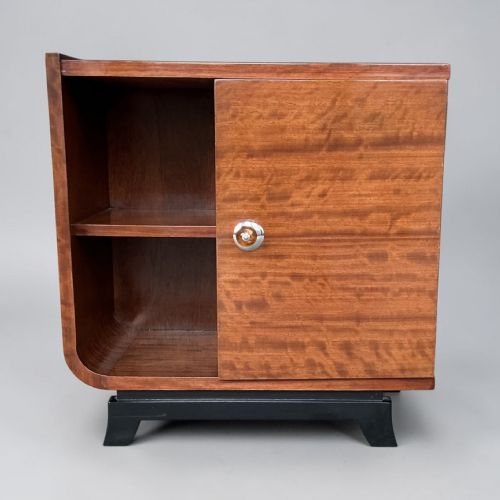
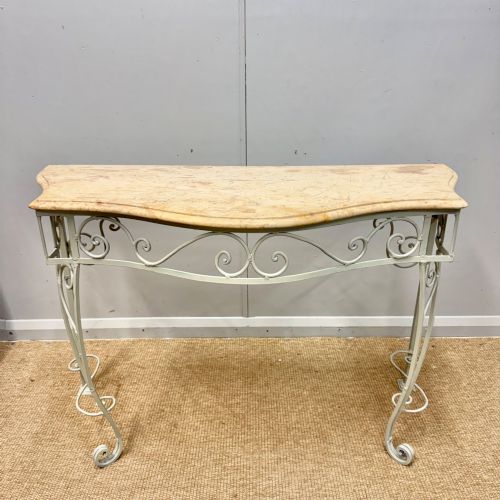
Louis XV revival, Art Deco, and Victorian styles dominate the current offerings, alongside French Rococo and Grand Regency influences. These pieces emerge in various configurations, from marble-topped console tables to inlaid walnut lamp end tables.
The nineteenth century provides a significant portion of these tables, supplemented by early twentieth-century examples and eighteenth-century pieces. Each iteration demonstrates a distinct approach to curvature, whether in the kidney shape of a desk or the sweeping frame of a console.
Materials and construction
Cabinet makers utilised fine timbers such as mahogany, walnut, burr walnut, and satinwood to construct the foundational carcases. Marquetry and intricate inlay work frequently adorn the surfaces, showcasing detailed woodworking techniques.
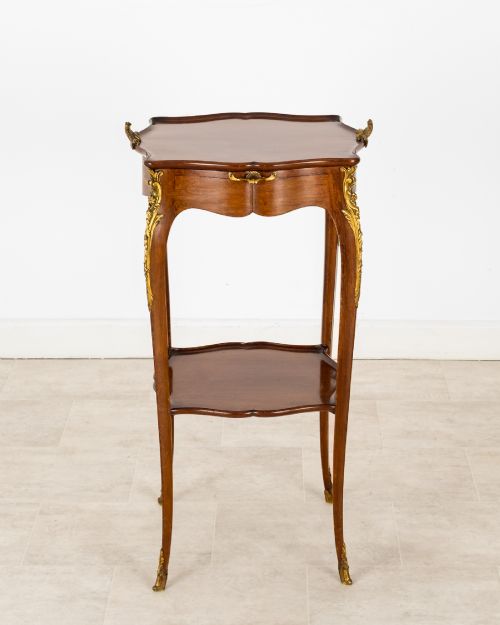
Many examples incorporate marble tops supported by wooden or wrought iron frames, often enhanced by brass and ormolu mounts. Glass elements also appear in specific designs, adding textural contrast to the timber and stone constructions.
French Curved Side Table Retail Price Guide 2026
Typical asking prices for french curved side table among the pieces listed under this phrase on Sellingantiques today, from the lower quarter to the upper quarter. They describe what is for sale here now, not the wider market.
Some tables curve so gracefully they practically dance across the floorboards.
Assessing quality and execution
The distinction between standard examples and exhibition quality pieces lies in the precision of the timber selection and the crispness of the ormolu mounts. Master cabinet makers demonstrated superior joinery in the complex curves of kidney shaped tables.
Attribution to notable makers elevates an individual piece, as seen in works associated with ateliers like that of François Linke. The integration of marble tops and the intricacy of the inlay further differentiate the finer specimens from simpler variants.
François Linke
The French Curved Side Table Glossary
- Ormolu
- Gilt-bronze ornamentation applied to furniture, popular in French decorative arts. This technique involves gilding a mercury and bronze amalgam.
- Kidney shaped
- A curved furniture top resembling the outline of a kidney bean. This form proved especially popular for writing desks and side tables during the nineteenth century.
- Marquetry
- The art of applying pieces of veneer to a structure to form decorative patterns. Craftsmen utilised various coloured woods to create pictorial designs on tabletops.
- Console table
- A table designed to be fixed against a wall, frequently supported by front legs or brackets. These often feature decorative marble tops.
- Louis XV Revival
- A style drawing inspiration from the mid-eighteenth-century French rococo aesthetic, characterised by asymmetric curves and natural motifs. Makers adopted these flowing lines during later nineteenth-century revivals.
French Curved Side Table: Frequently Asked Questions
What defines a french curved side table?
These tables are characterised by their undulating lines, encompassing forms such as kidney shapes, serpentine fronts, and sweeping cabriole legs. They typically date from the eighteenth to the twentieth century and incorporate decorative veneers or marble.
Craftsmen designed them to serve functional roles in sitting rooms, bedrooms, and libraries while providing a strong decorative focal point through their curved silhouettes.
Where should I place a console table?
Console tables are traditionally positioned against a wall in hallways, drawing rooms, or dining spaces. Because many feature decorative marble tops and ornate bases, they work well beneath mirrors or artwork.
Their shallow depth allows them to fit into narrow circulation areas without obstructing movement, offering a convenient surface for lamps and decorative objects.
How do I care for marble tops?
Marble surfaces require gentle cleaning with a soft, damp cloth and neutral soap to avoid damaging the stone. Acidic substances like citrus juice or wine can etch the polished surface and should be wiped away immediately.
Using coasters and mats helps protect the top from scratches and staining, preserving the finish of nineteenth-century and vintage pieces.
How do I distinguish nineteenth-century pieces?
Nineteenth-century examples often display specific timber patination, hand-cut dovetails, and traditional construction methods such as pegged joints. Stylistic cues like Louis XV Revival or Victorian proportions also help date the furniture.
Examining the underside and interior surfaces reveals tool marks and wear patterns consistent with the period of manufacture.