




French Country Settee
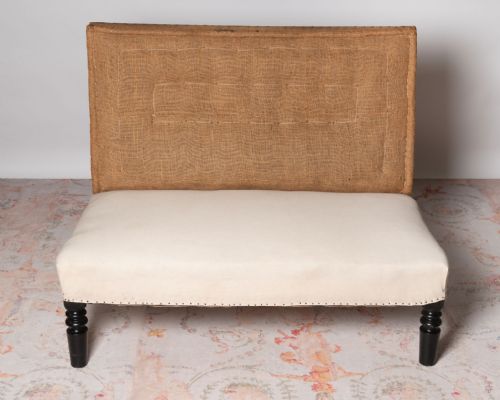
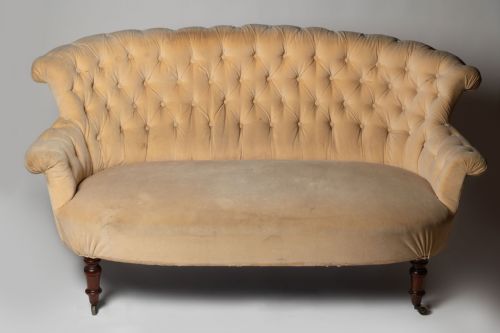
The french country settee brings rustic elegance into a room through carved woodwork and traditional upholstery.
French Country Settee
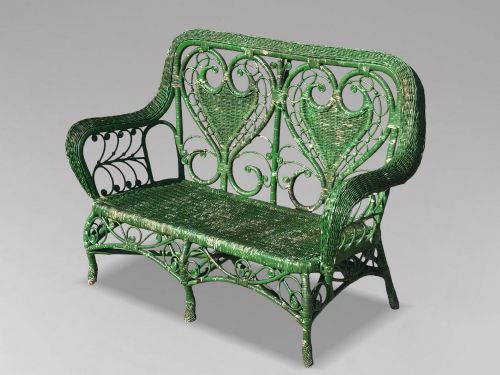
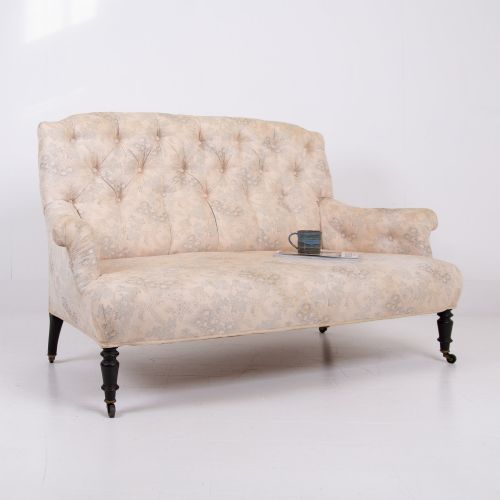
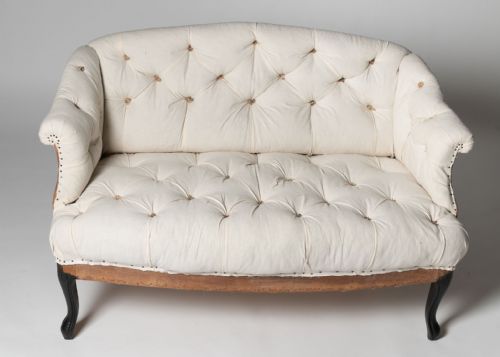
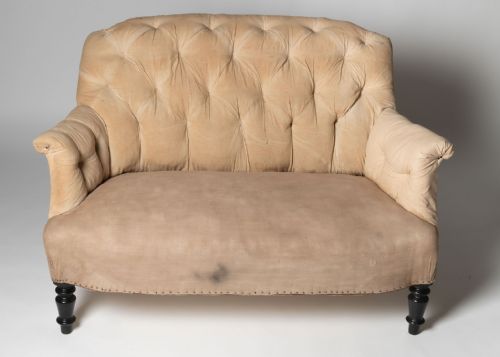
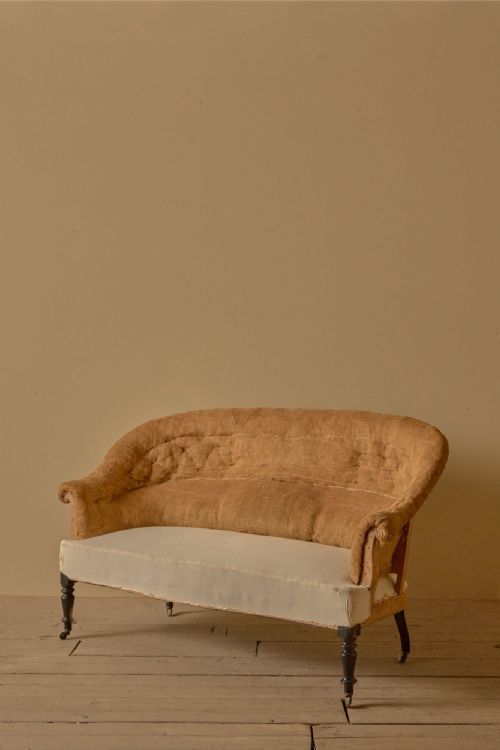
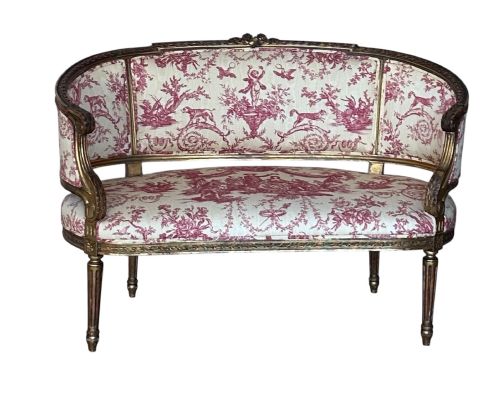
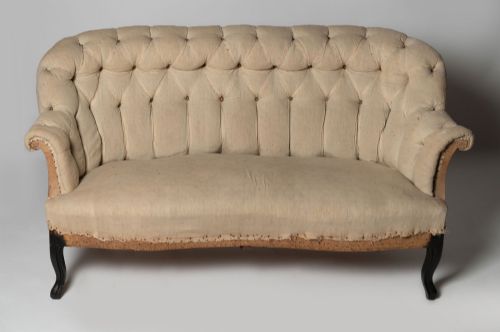
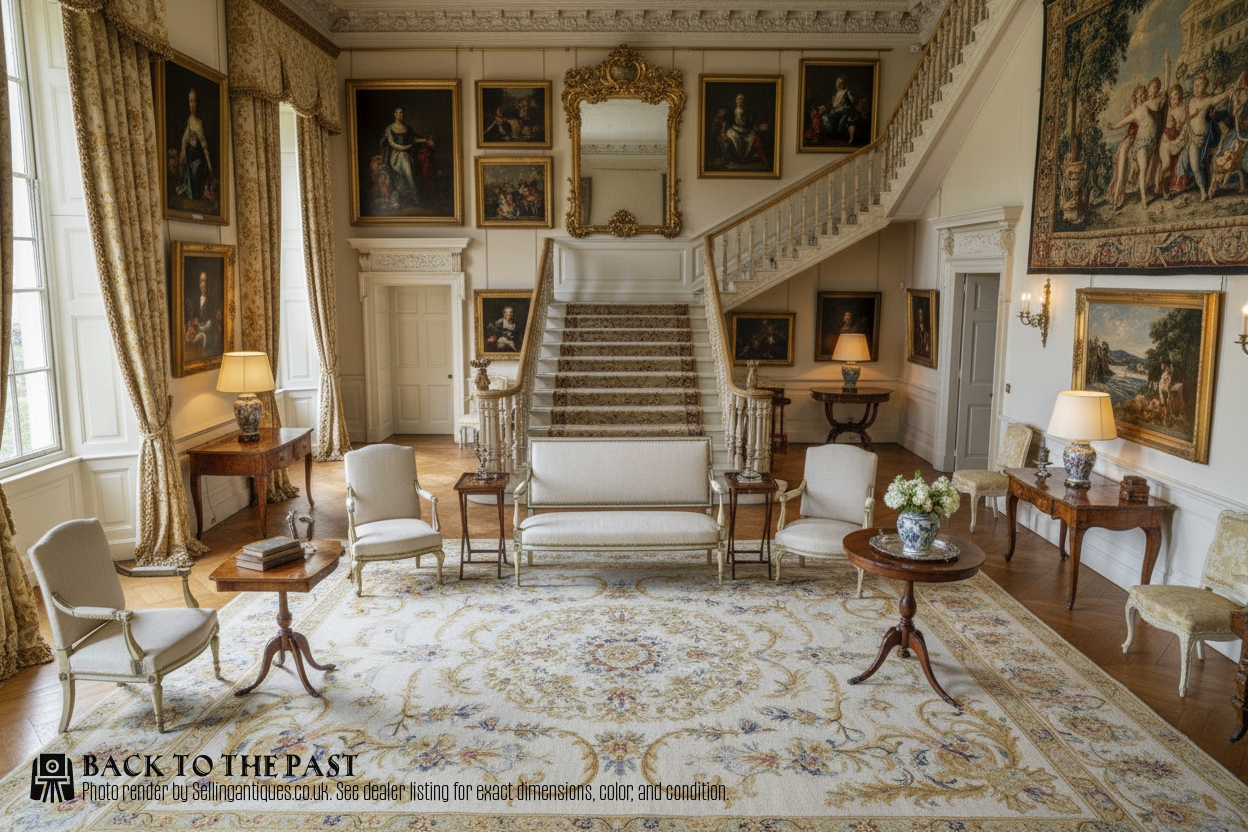
Most examples found here date from the nineteenth century through the early twentieth century, reflecting regional styles like Louis XV, Louis XVI, and French Provincial. The selection encompasses carved wooden frames paired with cane work, painted surfaces, and fabric upholstery.
Makers utilised local timbers and traditional joinery to produce sturdy seating that balances ornamental carving with everyday utility. Buyers encounter items ranging from compact two-seater love seats to larger triple-back sofas.
How they were made
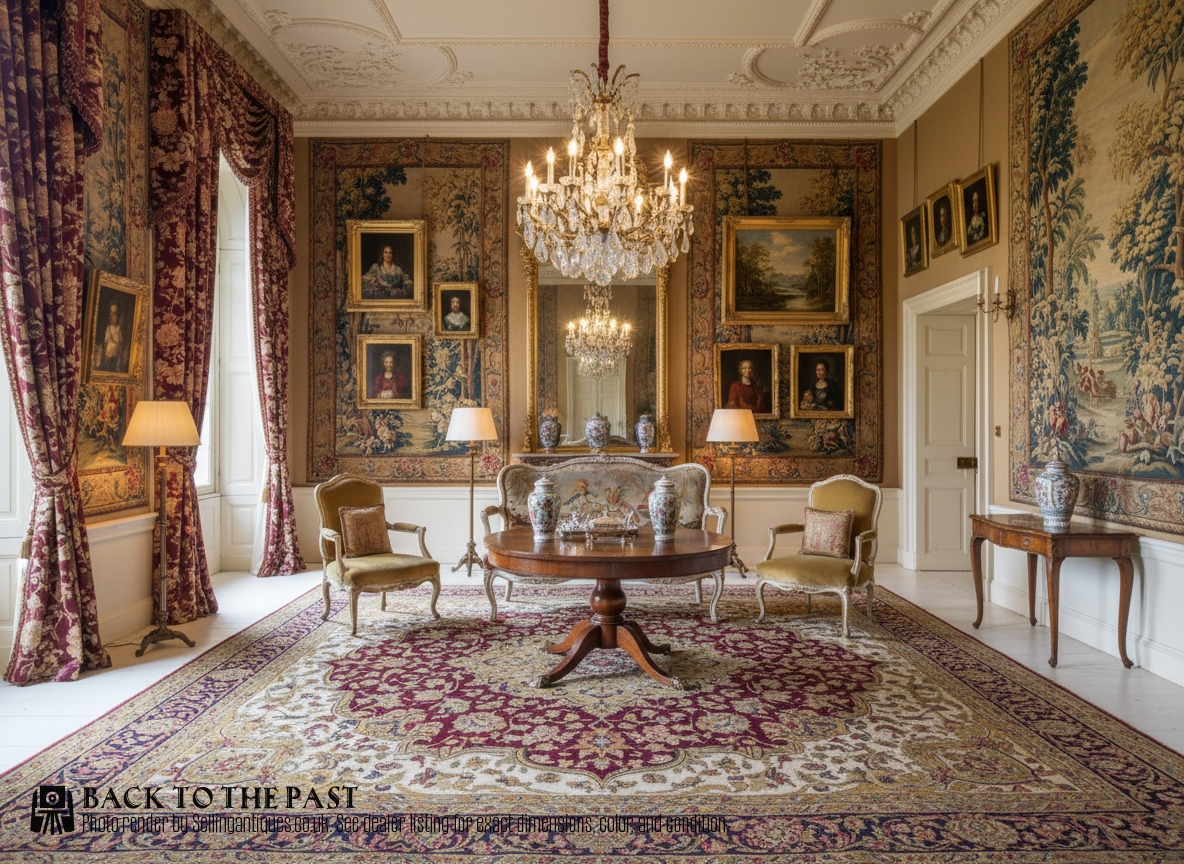
Carpenters shaped frames from native timbers including walnut, beech, oak, and fruitwood, often applying painted, gilt, or bleached finishes to the wood. Structural elements feature hand-carved details characteristic of Louis XV and Louis XVI revivals.
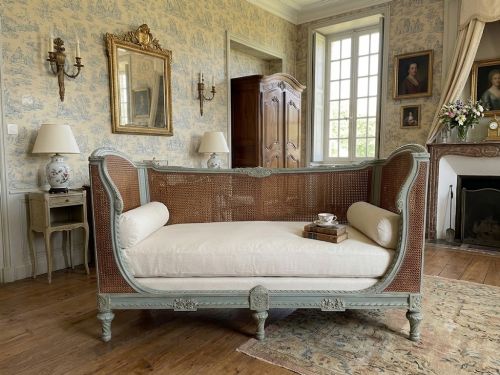
Many frames incorporate woven cane panels into the backrests and sides, providing lightweight support alongside solid wooden or upholstered components. Textile applications rely on linen, leather, velvet, and printed fabrics fixed with traditional trimmings.
French Country Settee Retail Price Guide 2026
Typical asking prices for french country settee among the pieces listed under this phrase on Sellingantiques today, from the lower quarter to the upper quarter. They describe what is for sale here now, not the wider market.
The inventory encompasses diverse forms, ranging from compact daybeds and rush-seated hall benches to large giltwood canapés.
What varies in quality
Quality rests upon the depth and crispness of the hand-carving on the wooden frame, alongside the integrity of structural joinery. Finer pieces display refined proportions and harmonious curves rather than mechanical uniformity.
The preservation of original materials, such as intact cane panels, period giltwood, and early painted finishes, elevates a piece. Upholstered examples vary according to the authenticity of the textile covering and the stability of the underlying webbing.
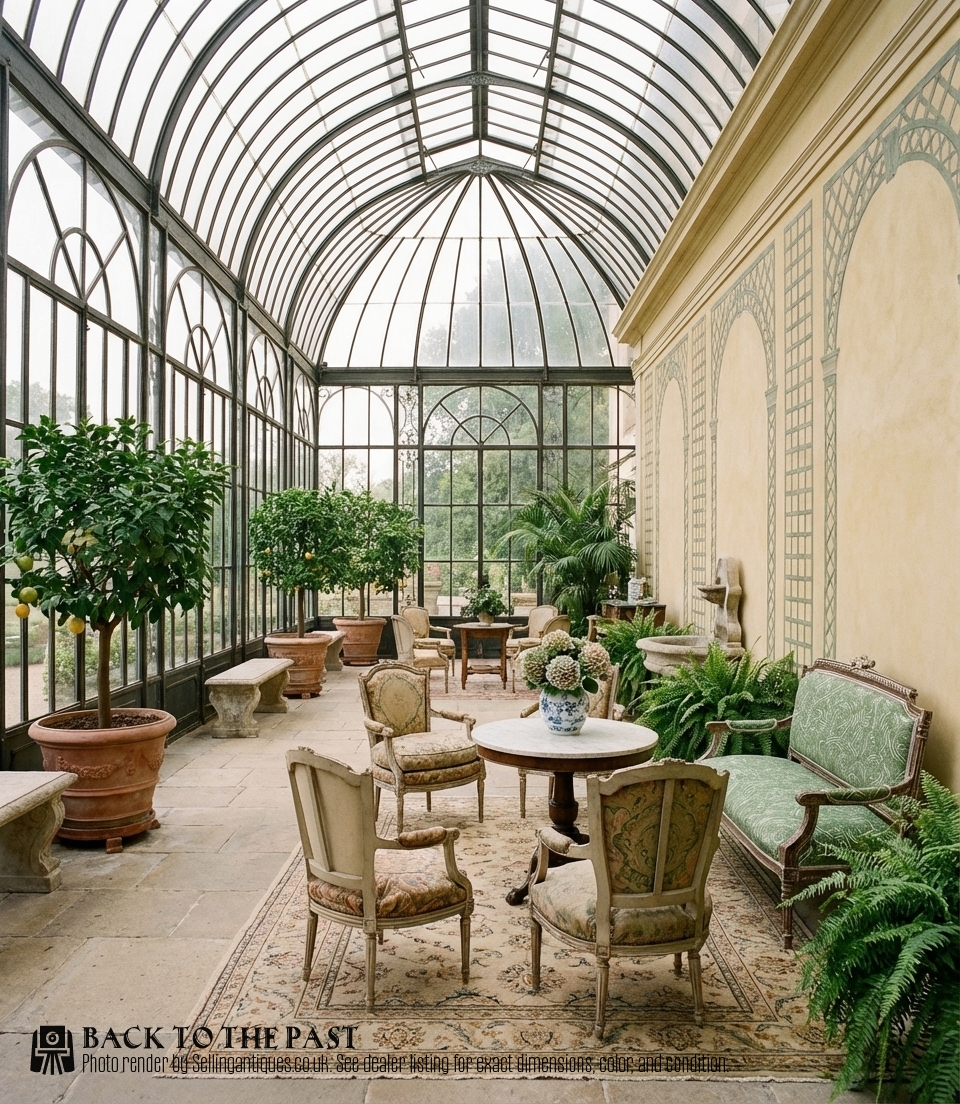
The French Country Settee Glossary
- Canapé
- A traditional French upholstered sofa featuring an exposed wooden frame. This form often displays stylistic traits of the Louis XV or Louis XVI periods.
- Banquette
- An elongated upholstered bench or sofa without arms, or with low armrests, suited for hallway or parlour placement. These pieces frequently feature exposed wooden legs.
- Bergere
- An enclosed upholstered armchair or settee with solid upholstered sides. The backrest and arms are frequently lined with cane work.
- Cane
- Woven rattan material used to form breathable panels on chair and settee backs. It provides flexible support while lightening the visual weight of the timber frame.
- Giltwood
- Timber treated with a thin layer of gold leaf applied over a prepared gesso base. This finish appears on formal nineteenth century revival seating.
French Country Settee: Frequently Asked Questions
What is a french country settee?
A french country settee is a traditional wooden seating piece designed for multiple occupants, featuring stylistic influences from regional French furniture.
These items date predominantly from the nineteenth and early twentieth centuries, incorporating carved frames, painted wood, or cane panels.
How were these settees used originally?
They served as formal or domestic seating in parlours, bedrooms, and reception rooms. Smaller versions functioned as window seats or bedroom benches.
Larger three-seater sofas provided communal seating for family gatherings and entertaining guests in period homes.
How do I style a settee in a modern room?
Place the settee against a plain wall to highlight the carved wooden frame and silhouette. Pairing it with neutral cushions or throws balances antique woodwork with contemporary interiors.
Smaller two-seater versions fit well in hallways, at the foot of a bed, or as an accent piece in a living space.
How can I tell the period of a settee?
Examine the wood species, carving style, and construction methods used in the frame. Louis XV and Louis XVI revival pieces exhibit specific scrollwork, fluted legs, and structural proportions typical of their respective eras.
Upholstery remnants, webbing, and fastener types beneath the seat also offer clues to the approximate date of manufacture.