


French Country Oak Chest
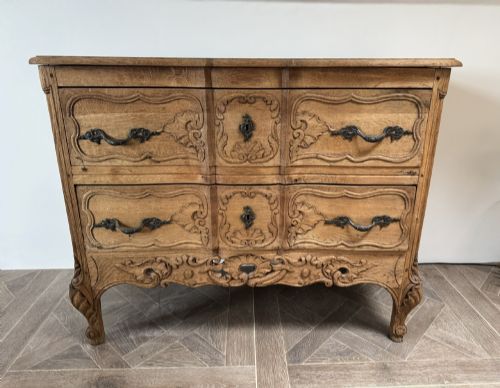
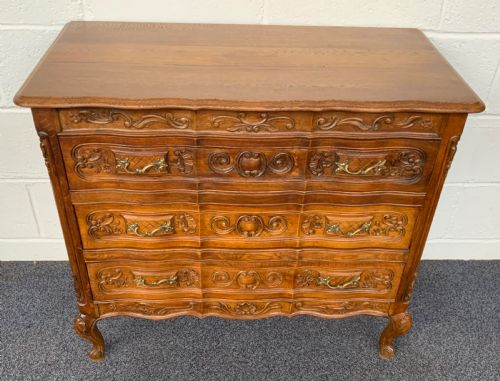
These pieces known as a french country oak chest offer robust storage rooted in provincial utility and traditional craftsmanship.
French Country Oak Chest
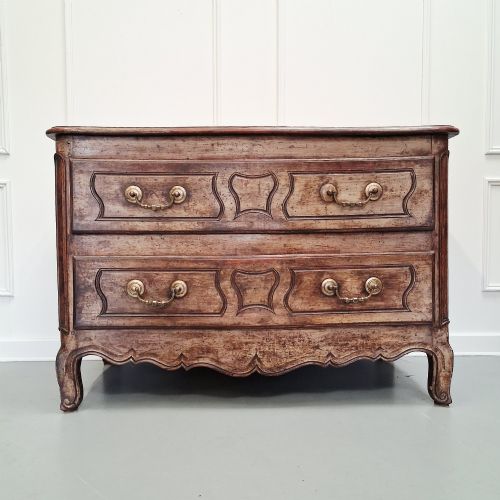
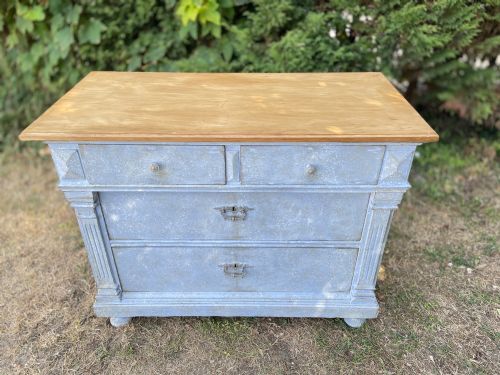
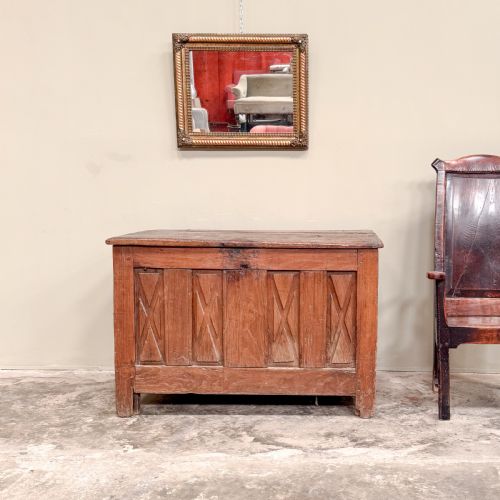
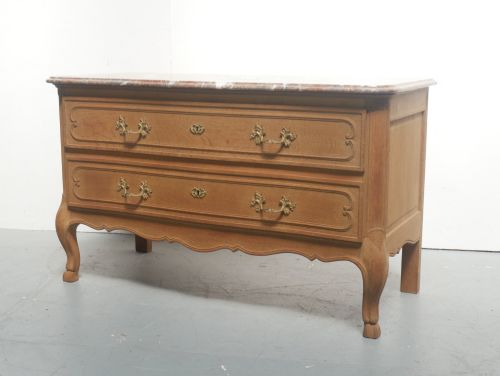
A french country oak chest covers various forms designed for domestic storage in provincial regions, including commodes, coffers, and dough bins. These pieces originate from periods spanning the seventeenth century through to the early twentieth century, reflecting rural traditions across France.
The selection frequently encounters nineteenth-century and early twentieth-century interpretations, alongside eighteenth-century examples. Forms range from multi-drawer chests to lift-top coffers and specialised storage cabinets.
Regional styles such as French Provincial, Breton folk art, and Gustavian influence shape the appearance of these chests. Buyers select them to bring functional storage and historical character to contemporary interiors.
What varies in quality
Quality rests in the integrity of the timber selection and the precision of the hand-cut joinery. Early eighteenth-century examples demonstrate superior depth of carving and structural weight compared to later iterations.
The handling of surface finishes distinguishes finer pieces, particularly where bleaching or liming respects the underlying grain. Original hardware and unaltered proportions elevate the standing of a chest within the range.
Certain provincial pieces began life as bread safes and dough bins, meaning your chest of drawers might once have held rising sourdough.
The French Country Oak Chest Glossary
- Commode
- A low chest of drawers, typically standing on short legs and originating in France. They function as storage units in bedrooms and living spaces.
- Coffer
- A heavy wooden chest with a hinged lid used historically for storing valuables or linens. These boxes represent some of the earliest forms of domestic storage.
- Dough bin
- A specialised wooden container designed for rising bread dough, often featuring a trough-like body and a lid. They survive as charming provincial side tables.
- Bleached oak
- Timber treated with chemical solutions to lighten its natural tone. This finish creates a softer, paler aesthetic popular in provincial furniture.
- Panetiere
- A traditional French wall-mounted bread safe featuring turned spindles or open slats for ventilation. These cabinets protected loaves from household pests.
French Country Oak Chest: Frequently Asked Questions
What is a French commode?
A French commode is a low chest of drawers developed primarily for domestic storage in bedrooms and reception rooms. These pieces often feature decorative carving, serpentine fronts, or marble tops.
Provincial versions reflect local woodworking traditions rather than courtly Parisian styles, offering robust construction and practical proportions.
How do I date an oak chest?
Dating relies on examining construction methods, tool marks, hardware, and timber characteristics. Early pieces from the seventeenth and eighteenth centuries display hand-split boards and pegged joinery.
Later nineteenth and twentieth-century examples incorporate more standardised manufacturing techniques while retaining traditional regional styling.
What is bleached oak?
Bleached oak is timber that has undergone a lightening process to reduce the deep amber or brown tones of raw oak. This treatment creates a neutral, pale surface finish.
Many provincial pieces receive this treatment to suit lighter interior decorative schemes while preserving the visible wood grain.
Where were these chests made?
These chests originated in various provincial regions across France, including Brittany, Normandy, and rural southern districts. Local craftsmen utilised locally sourced timber such as oak, chestnut, and elm.
Regional workshops developed distinct decorative motifs, from Breton folk carvings to Gustavian-influenced painted or limed surfaces.
How do I care for antique oak?
Antique oak benefits from stable indoor humidity and protection from direct sunlight to prevent timber movement and fading. Regular dusting with a soft, dry cloth maintains the surface.
Applying occasional applications of traditional beeswax nourishes the wood without building up heavy synthetic residues on the grain.