




French Country Landscape
These French country landscape works capture pastoral life through the eyes of artists drawn to provincial rivers, farmyards and quiet lanes.
French Country Landscape
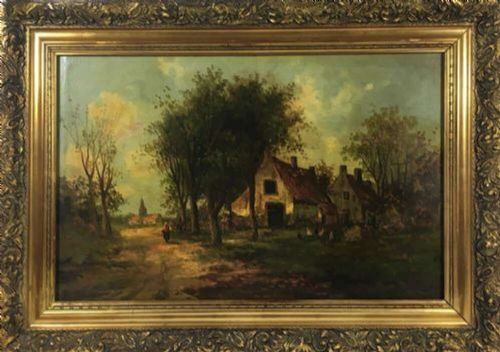
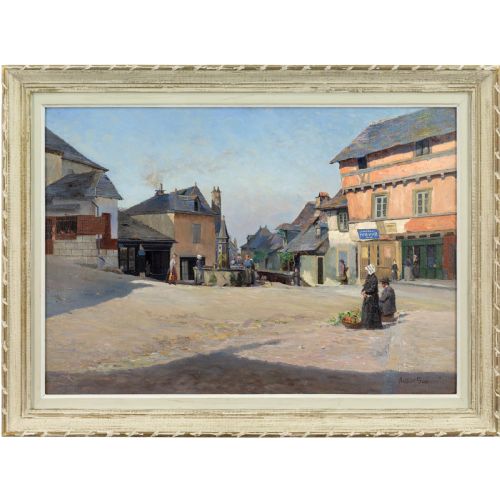
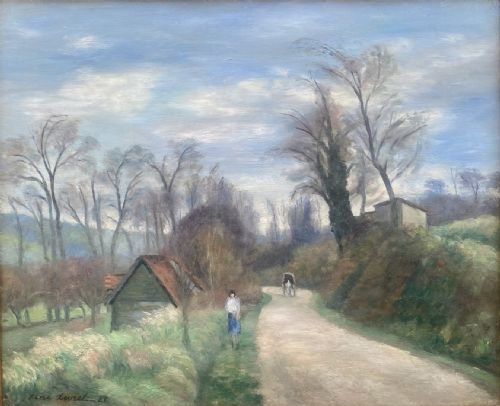
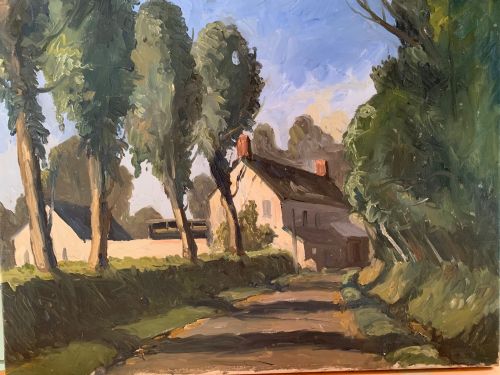
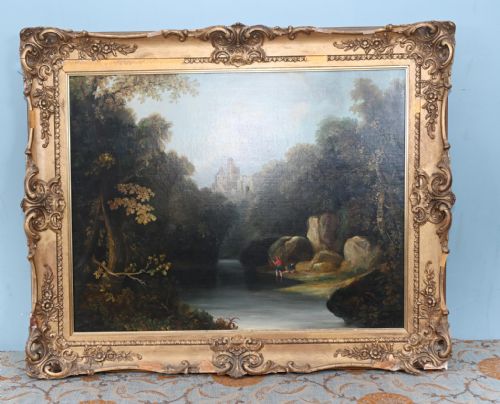
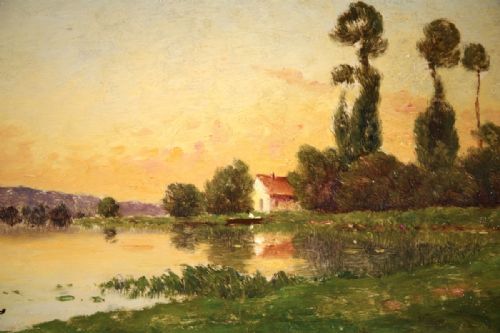
A french country landscape typically takes the form of an oil painting on canvas or wood panel, originating from nineteenth and twentieth century French schools. You will frequently encounter rural scenes depicting river banks, farmhouses, haystacks and woodland paths from periods spanning the Barbizon School to Post-Impressionism.
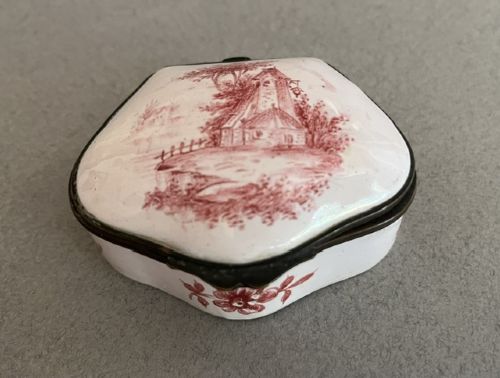
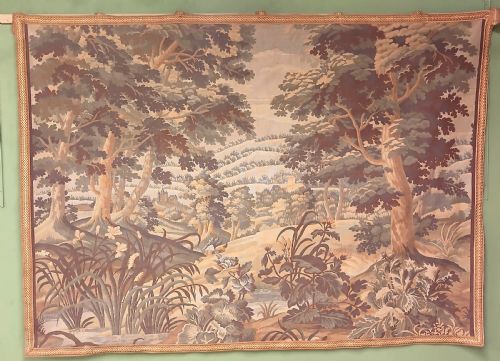
Beyond standard oils, the grouping extends to decorative wall tapestries, engraved hunting scenes and painted wall mirror panels. These objects reflect a persistent artistic focus on provincial life, provincial chateaux and agricultural routines across various French regions.
Materials and execution
Painters relied principally on oil paint applied to canvas, wood panels, or occasionally paper, capturing light through plein air techniques. Frames often match the period using gesso and giltwood or carved wood to complement the canvas.
Textiles involve traditional weaving methods seen in wool and silk wall tapestries, whilst graphic works utilise fine engraving techniques on paper. Each medium dictates the preservation state and surface texture visible today.
Several canvases manage to make French farmyard geese look like aristocratic portrait subjects.
Assessing the work
Quality rests upon the artist's handling of light, brushwork confidence and compositional balance within the canvas. Works by listed academic or Barbizon painters demonstrate superior draughtsmanship compared to anonymous decorative productions.
The integrity of the original support, minimal surface retouching and the presence of period-appropriate giltwood framing elevate certain examples above standard archival items.
Arthur Gué·Paul Désiré Trouillebert·Henri Jaques Delpy·Jean-baptiste Joseph Pater·Pierre Emmanuel Eugene Damoye·Guillaume Urban Régamey·C de Falens·ROBERT MCGREGOR·ANTOINE BOUVARD·Charles Edmond Rene His
The French Country Landscape Glossary
- Barbizon School
- A nineteenth-century French art movement focused on realistic landscape painting inspired by the forest of Fontainebleau. Artists prioritised direct observation of nature over idealized classical compositions.
- Giltwood
- Wood carved and coated with a thin layer of gold leaf or gilt powder. It is commonly found on antique picture frames and trumeau mirrors.
- Trumeau
- An architectural term describing a decorated mirror or panel placed above a mantelpiece. In French antiques, these often feature oil paintings set into painted wood.
- Plein air
- Painting outdoors to capture natural light and atmospheric conditions directly. This method was widely adopted by Post-Impressionist and Barbizon artists.
- Gesso
- A white paint mixture consisting of a binder mixed with chalk, gypsum, or pigment. It serves as a prepared surface for oil painting on wood panels or canvases.
French Country Landscape: Frequently Asked Questions
What subjects appear in these paintings?
The compositions generally feature rural French settings including rivers, farmhouses, haystacks, wooded paths and agricultural workers. Figures such as washerwomen, riders or horse-drawn carts frequently animate the scenery.
These motifs reflect the nineteenth and twentieth-century artistic interest in provincial life, capturing specific locales from Normandy to Provence.
How do I date a French landscape canvas?
Dating relies on stylistic markers such as Barbizon realism versus Post-Impressionist brushwork, alongside artist signatures and biographical dates. Frame styles, canvas stamps and stretcher construction also offer chronological clues.
Written inscriptions on the reverse of the canvas or panel frequently record the exact year and location of execution.
Where were these artworks originally displayed?
Paintings of this scale were typically commissioned for townhouses, country chateaux, and bourgeois domestic interiors across France. Tapestries and trumeau mirrors served as architectural fixtures integrated into room panelling.
Today, they function well in both traditional and modern residential spaces, often hung as focal points in living areas or studies.
Are these paintings signed by the artist?
Many examples bear the artist's signature or monogram, either painted directly onto the canvas or documented through historical attribution. Works by named painters often include exhibition records or provenance details.
Unsigned pieces frequently emerge from the wider French School, representing competent regional production without a recorded master's hand.