


Vintage Original Artwork
Vintage original artwork encompasses unique paintings, drawings and wall art created across the nineteenth and twentieth centuries.
Vintage Original Artwork
Vintage original artwork covers a broad range of authentic visual creations, including paintings, drawings, and framed wall art produced by named and anonymous hands alike. Buyers exploring vintage original artwork encounter pieces spanning the Edwardian era, the Victorian period, and mid-century modern movements.
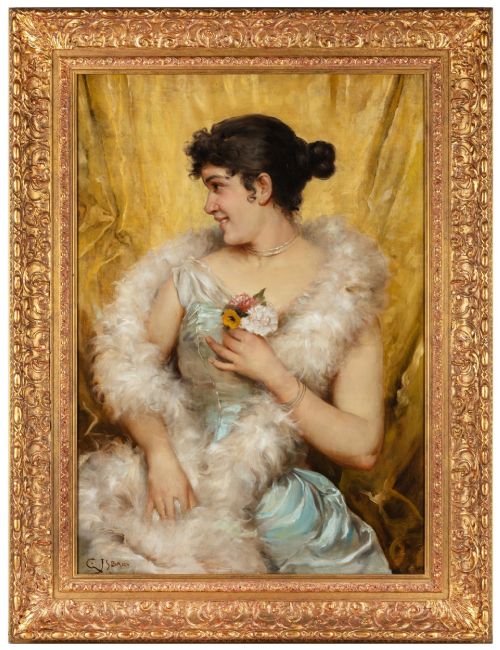
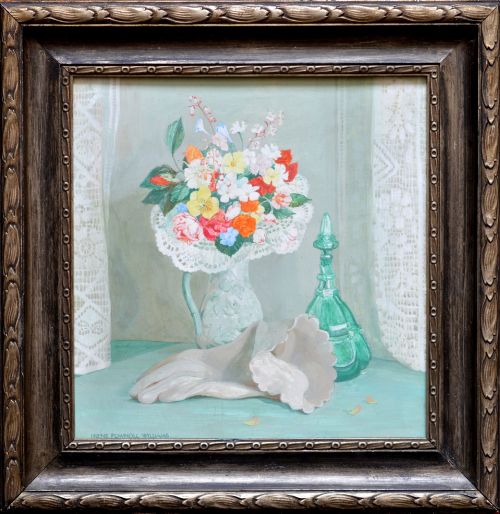
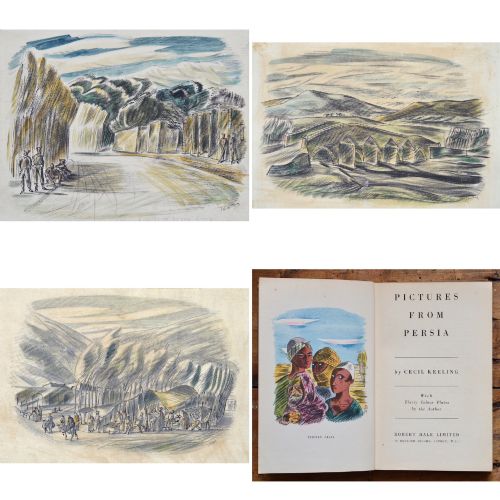
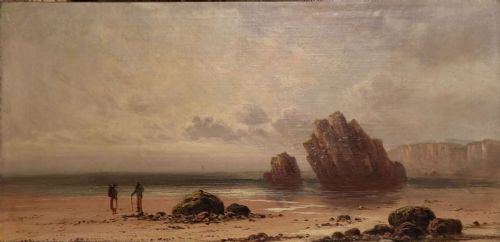
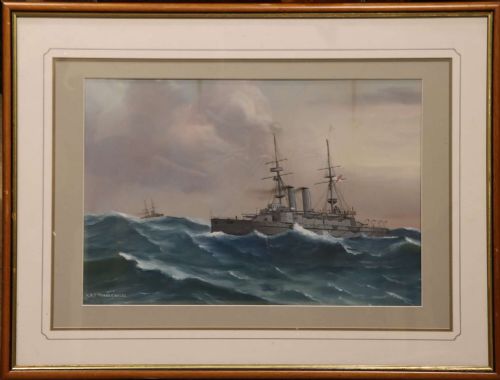
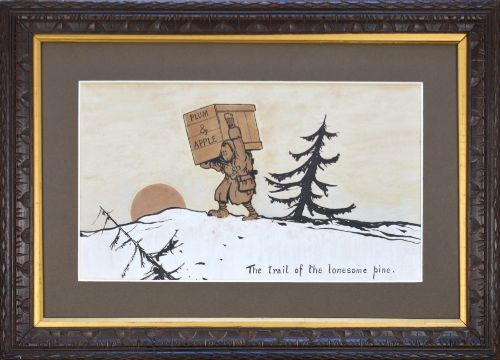
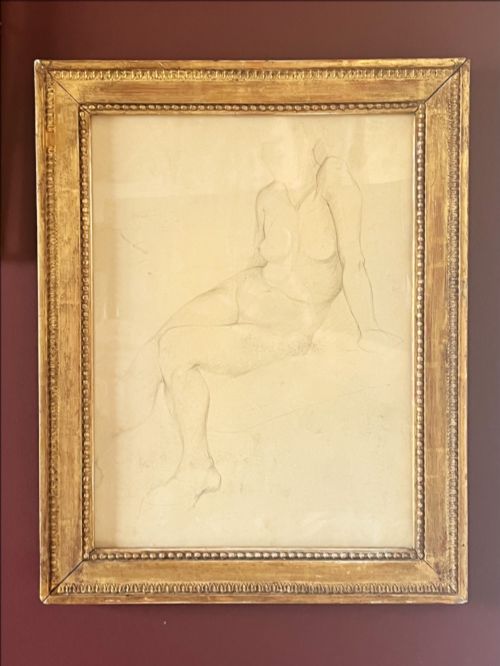
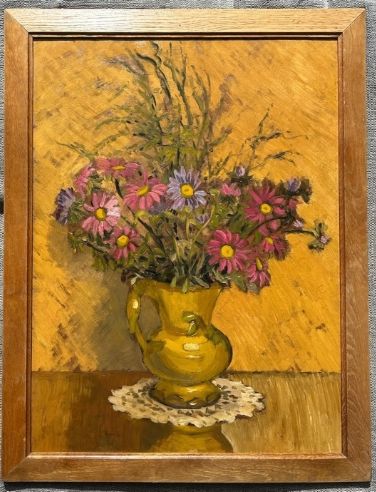
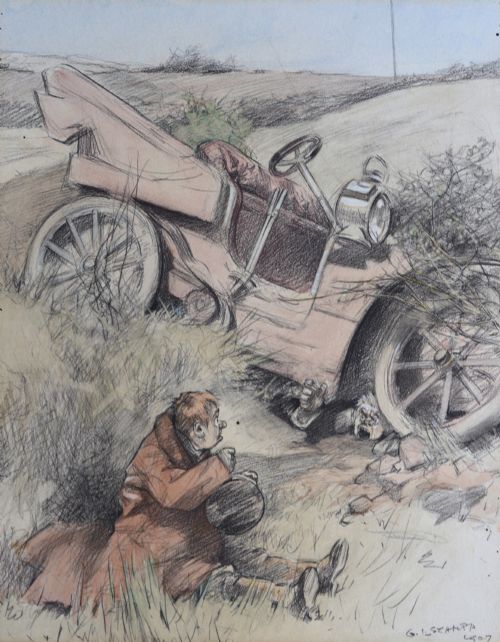
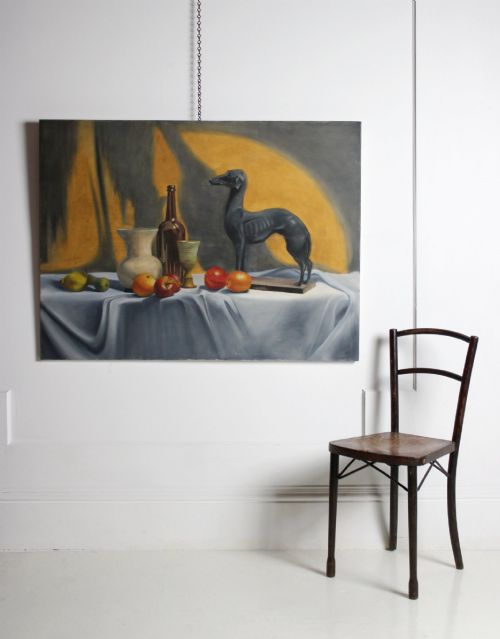
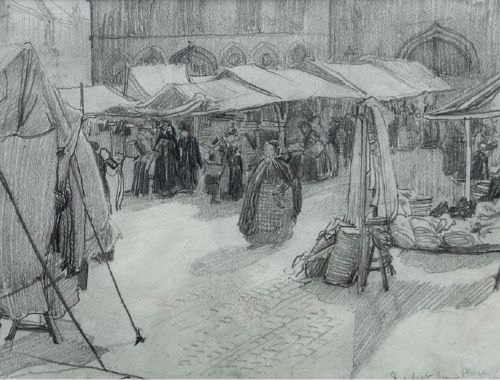
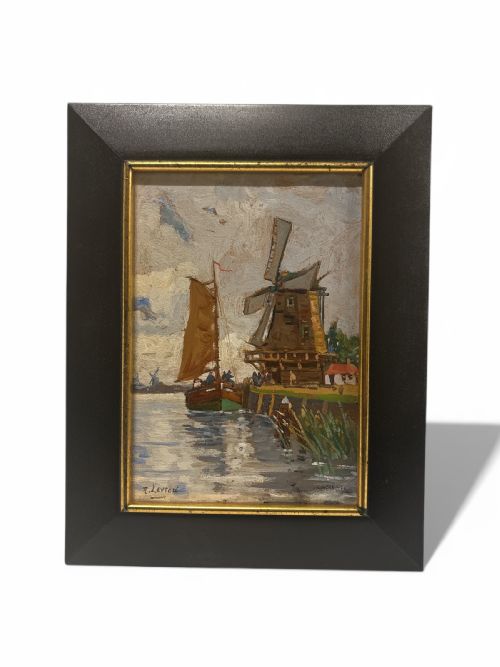
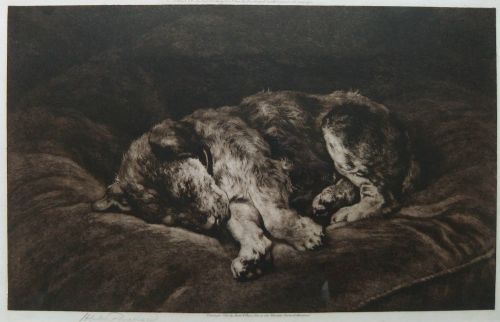
The selections most frequently met on this page include watercolours, oil paintings on canvas or board, and ink or pencil drawings. These creations capture diverse subjects such as British landscapes, coastal scenes, maritime vessels, portraits, and still life arrangements.
Originating largely from the nineteenth and twentieth centuries, these works reflect shifts in aesthetic movements, moving from academic realism and British impressionism towards post-impressionism and mid-century modernism.
How they were made
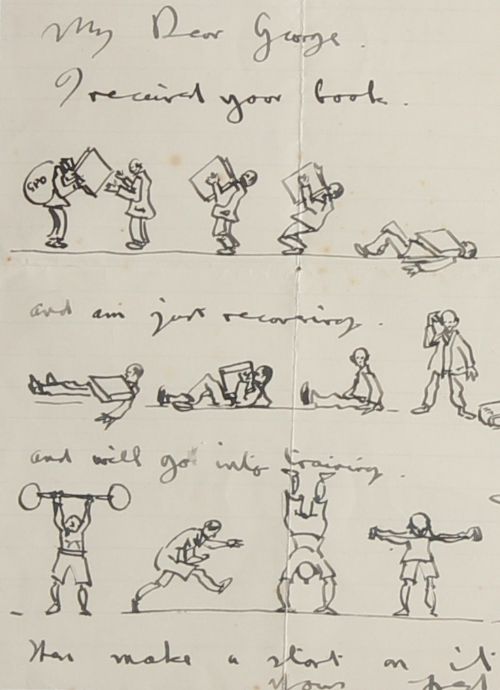
Artists worked primarily with oil paint, watercolour, ink, gouache, and pencil, applying media to prepared canvas, wood panels, glass, and various grades of paper. Oil painters built rich textures using impasto techniques or smooth glazes, while watercolourists employed fluid washes on paper to capture light and atmosphere.
Support materials varied according to the medium and period, utilising sturdy wooden panels, stretched canvases, and heavy buff or white paper. Many pieces retain their original frames, ranging from gilt gesso surrounds to simple wooden mouldings that complement the visual composition.
Listings feature works executed in oil, watercolour, ink, and pencil across the Victorian, Edwardian, and mid-century modern periods.
What varies in quality
Quality rests upon the artist's technical execution, compositional balance, and the assured handling of the chosen medium. Masterful brushwork, confident draughtsmanship, and a deliberate sense of light distinguish superior works from more routine student or amateur efforts.
The preservation of the physical materials also influences standing, as stability in the pigment layer and the integrity of the paper or canvas support affect the long-term presentation of the piece.
G. J. S. Bary·Fred Lawson·Irene Christobelle Pownoll Williams·Cecil Keeling·Bruce Bairnsfather·Kenneth Cozens·George Lorain Stampa·Henry Percy Huggill·R Leyton·Herbert Dicksee·William H Myers·Tom Campbell·Alfred Young Nutt·Frederick Marriott·John Hassall·Eugène-Louis Gillot·Robert Heinrich·A. Marie Parsons·William Joseph Shayer Senior·Alfred Fontville de Breanski Jr·Sidney A. Court·EJ Letheren·Herskind·Robert Leslie Howey·Jack Cross
The Vintage Original Artwork Glossary
- Impasto
- Paint applied thickly to a canvas or panel, standing visibly above the surface and retaining the marks of the brush or palette knife.
- Gouache
- An opaque water-based paint that dries to a matte finish, frequently combined with watercolour or ink on paper.
- Gesso
- A plaster-like mixture applied to wood panels or frames to prepare a smooth surface for painting or gilding.
- Provenance
- The documented history or chain of ownership of a work of art, establishing its authenticity and origins.
- En plein air
- The practice of painting outdoors to directly capture the transient effects of natural light and weather.
Vintage Original Artwork: Frequently Asked Questions
What defines vintage original artwork?
Vintage original artwork refers to unique, one-off visual pieces created by artists in the past rather than mass-produced prints or modern reproductions.
These items encompass hand-painted oils, watercolours, and original drawings spanning periods like the Edwardian era and mid-century modern movements.
How should I display vintage paintings?
Display paintings away from direct sunlight and damp environments to protect delicate pigments, paper supports, and original canvas.
Ensure wall fixings match the weight of the piece and any accompanying antique frame for secure suspension.
Can I identify the artist?
Many works bear signatures, monograms, or studio inscriptions on the front or reverse of the canvas, board, or paper support.
Examine exhibition labels, gallery stamps, or framing details on the back for additional clues regarding the creator's identity.
What subjects are common in these works?
Common subjects reflect traditional British and European artistic interests, including pastoral landscapes, coastal seascapes, maritime scenes, and floral still lifes.
Portraiture and architectural studies from the nineteenth and twentieth centuries also frequently appear across these selections.