
Post Impressionist Art
Post impressionist art captures the bold brushwork and vibrant light of the early twentieth century, offering collectors a direct link to a revolutionary era in painting.
Post Impressionist Art
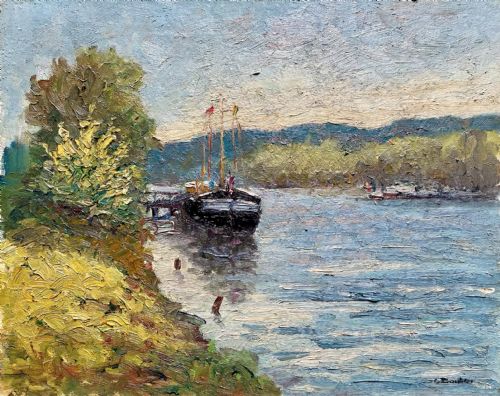
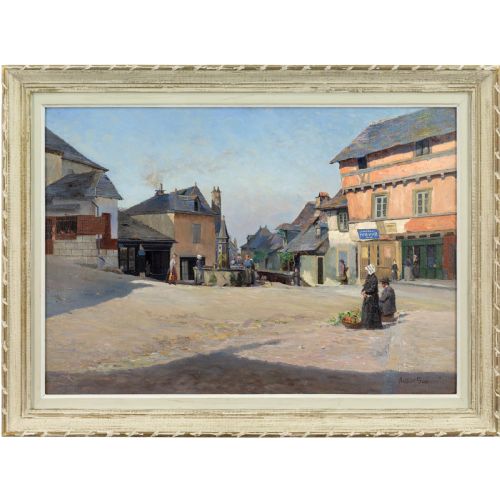
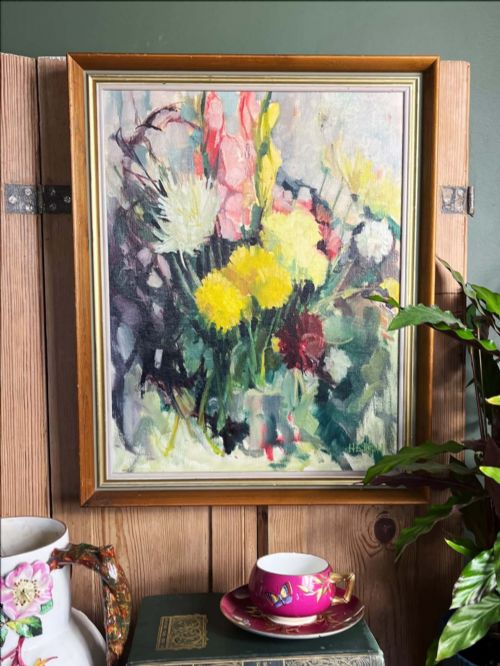
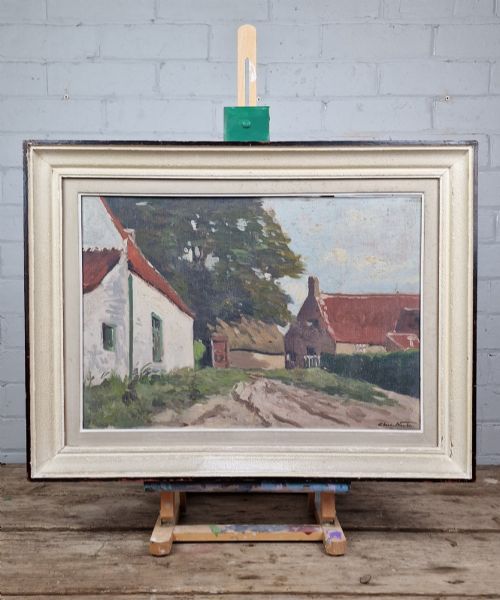
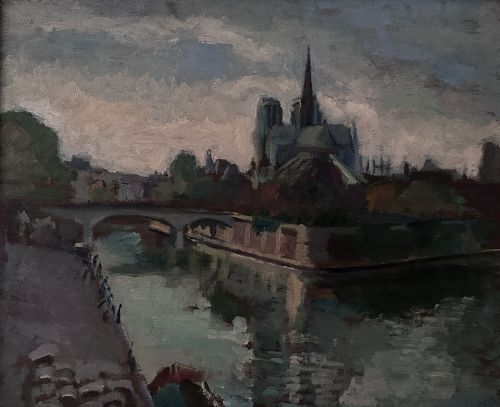
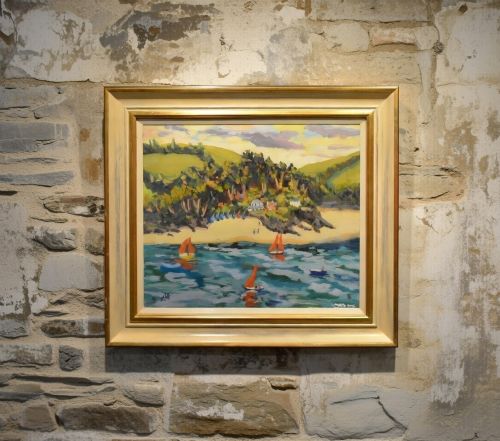
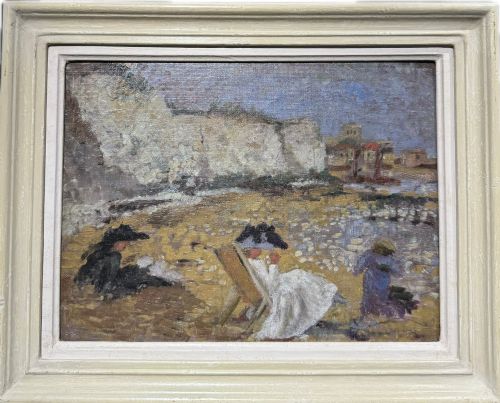
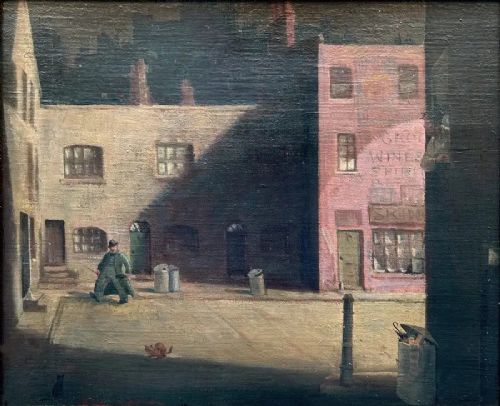
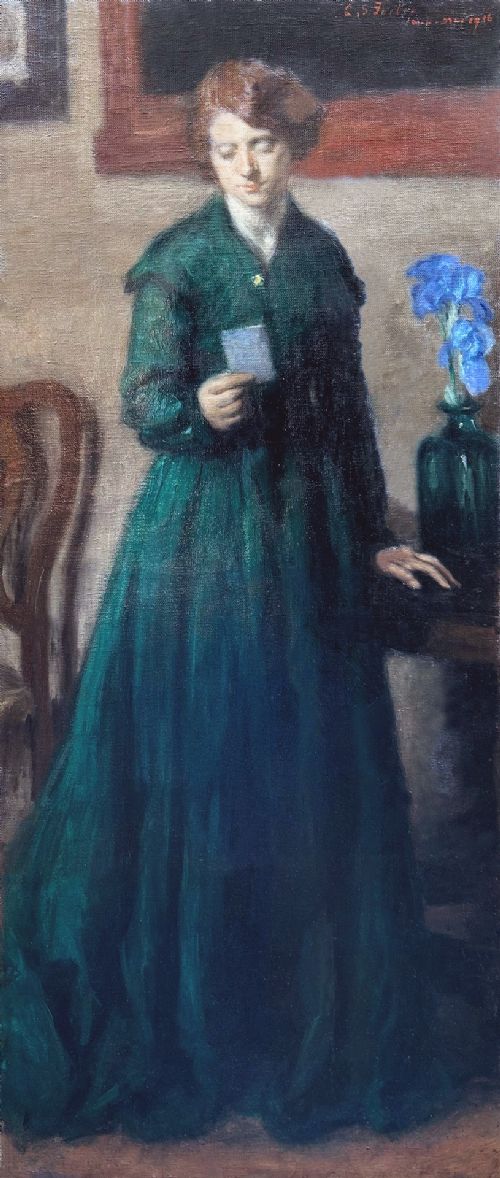
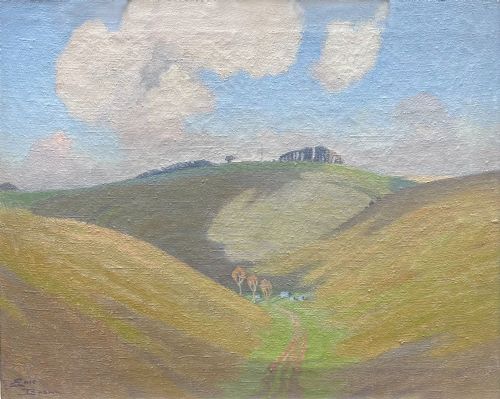
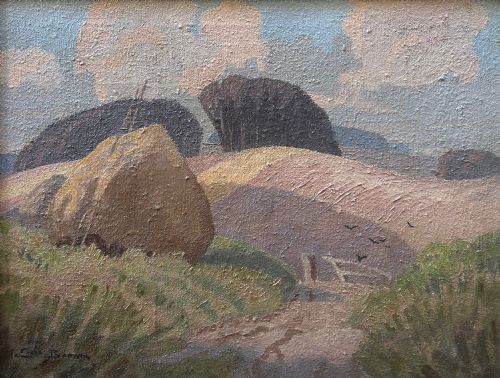
Post impressionist art brings together expressive landscapes, intimate still lifes, and figurative compositions created across the nineteenth and twentieth centuries. When exploring post impressionist art on this page, the most common pieces encountered are oil paintings executed on canvas or board, alongside occasional works on paper and mixed media drawings.
The selection spans various regional movements, including French and Belgian post-impressionism, British impressionism, and the Bloomsbury group. Canvases date from the late nineteenth century through to the mid-twentieth century, reflecting diverse responses to the developments of modern painting.
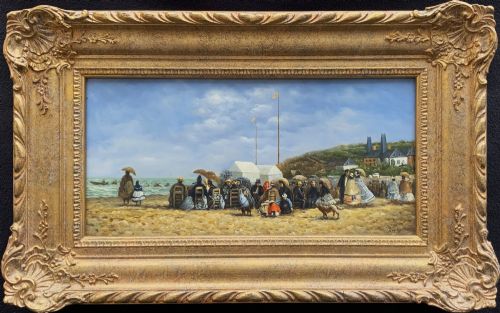
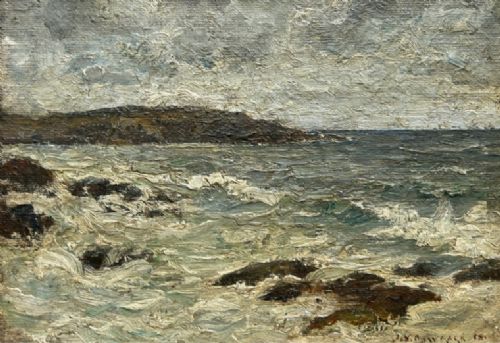
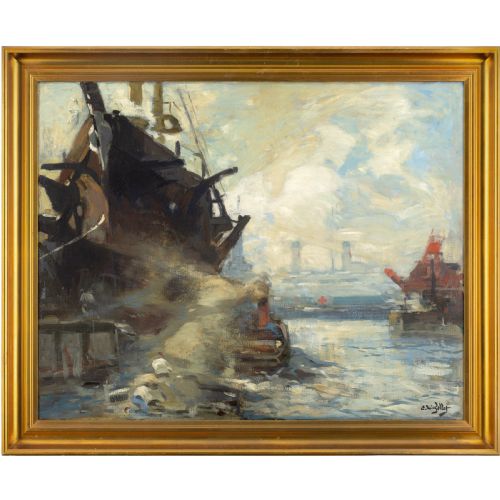
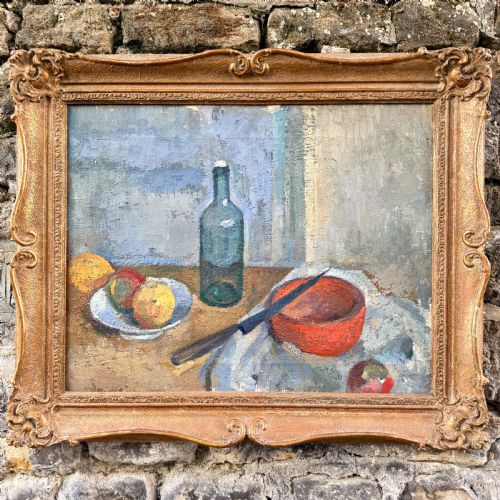
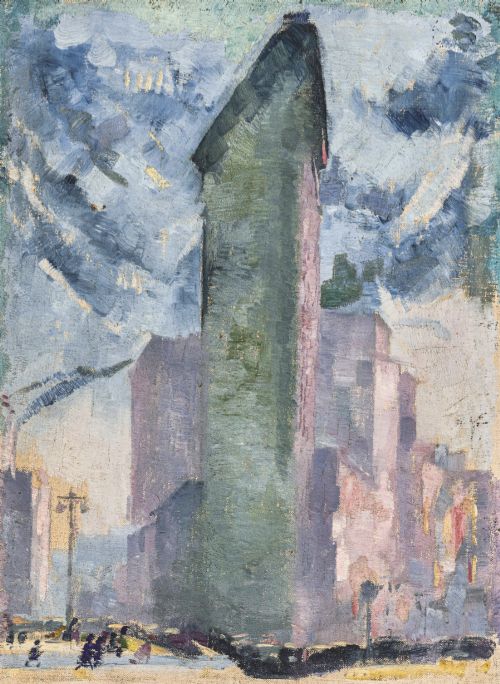
Works range from coastal scenes in Brittany and Normandy to quiet domestic interiors and architectural views. These pieces demonstrate how artists moved beyond traditional representation to prioritise individual emotional expression and vigorous surface texture.
Materials and construction
Artists relied primarily on oil paint applied to canvas, wood panels, or sturdy board supports. This medium allowed for thick, textured brushwork, often referred to as impasto, which gave the surface a distinct physical presence.
Frames frequently incorporate gilt wood, complementing the warm tones and expressive palettes of the paintings. Works on paper utilise mixed media approaches such as ink and watercolour, or print techniques like lithography and pochoir.
Several artists spent their days dodging wartime sirens before returning to paint peaceful French farmyards.
Judging quality in the medium
Quality rests on the confidence of the brushwork and the harmony of the colour palette. Stronger examples display a clear command of light and space, whereas lesser works can feel static or overly formulaic.
Condition plays a vital role, particularly the stability of the oil paint on its canvas or wooden support. Well-preserved surfaces retain their original vibrancy without excessive cracking or subsequent restoration altering the artist's touch.
Eugène-Louis Gillot·Arthur Gué·Charles Houben·Ethel Sands·Francisco Sancha·Charles Stuart Forbes·Alfred Wolmark·Eric Brown·Henri Ottmann·Donald McIntyre·Cecil Allan Mould·Rene Levrel·Pablo Picasso·Henry de Waroquier·Alexander Jamieson·Paul-Élie Gernez·Ronald Ossory Dunlop·Victor Simonin·Hubert Wellington·Paul-Jean Anderbouhr·Edouard Julien·Henri Vincent-Anglade·Louis Suire·Jean-Baptiste Olive·George Turland Goosey
The Post Impressionist Art Glossary
- Impasto
- Paint applied thickly to a canvas or board, standing out in relief from the surface. This technique emphasises the physical gesture of the brush.
- Oil on board
- A painting executed on a rigid wooden or composite board rather than woven fabric. Artists often favoured this support for smaller, spontaneous outdoor sketches.
- Bloomsbury Group
- An association of English writers, intellectuals, and artists associated with a distinct approach to modern painting and design. Their output often featured simplified forms and decorative colour.
- Lithograph
- A print made from a flat stone or metal plate treated to retain ink in designated areas. It allowed artists to produce multiple original impressions.
- Pochoir
- A stencil-based printing technique used to apply vibrant hand-coloured details to works on paper. This method produces crisp edges and saturated fields of colour.
Post Impressionist Art: Frequently Asked Questions
What defines post impressionist art?
Post impressionist art encompasses works created after the impressionist movement that sought to push painting further through expressive brushwork and symbolic use of colour. Artists rejected strict realism in favour of personal vision and structural clarity.
Pieces from this tradition often focus on everyday scenes, landscapes, and portraits rendered with heightened emotional resonance and distinct surface textures.
How should I display oil paintings on wood panels?
Oil paintings on wood panels benefit from stable indoor environments away from direct sunlight and sudden temperature shifts. These precautions protect the wooden support from warping and the paint layers from cracking.
Displaying them in suitable frames with appropriate backing helps maintain structural integrity while enhancing the visual presentation of the artwork.
How do I distinguish between British and French works?
British and French works can often be told apart by their specific subject matter, regional light, and the particular artistic circles the creators inhabited. British pieces frequently capture local coastal landscapes or domestic interiors associated with groups like the Bloomsbury painters.
French works tend to explore specific Norman or Breton locations, reflecting direct engagement with the developments of Parisian modernism and continental plein-air traditions.
What is the difference between canvas and board supports?
Canvas supports consist of woven fabric stretched over a wooden frame, providing a flexible surface that responds subtly to atmospheric changes. Board supports offer a completely rigid backing made from wood or composite material.
Artists frequently chose boards for smaller plein-air sketches due to their portability and durability during outdoor painting excursions.