




French Chateau Vanity
When you search for french chateau vanity, you look for dressing tables, mirrors, and stools shaped by the 19th Century and early 20th Century.
Materials and construction methods
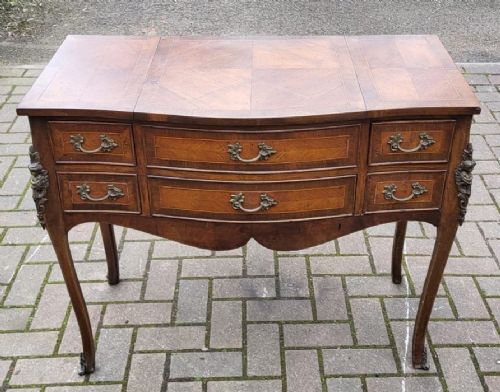
Makers utilised walnut, oak, and other timbers to build the solid frames of dressing tables and side tables, often applying intricate hand carving to the wood. Giltwood and gesso surfaces were built up to receive gold leaf or paint finishes.
Metalwork played a key role, with solid brass and ormolu mounts fitted to mirrors and tables, alongside bevelled glass panels. Paint and original surface finishes were applied by hand to wooden frames, stools, and boudoir chairs.
Distinctions in craftsmanship
Quality separates mass production from finer workshop output through the depth and precision of the carved ornament on giltwood and gesso frames. Hand applied paint finishes and original gilding show greater nuance than later repainting.
The structural integrity of joints in dressing tables and the clarity of bevelled mirror glass indicate the standard of production. Stamped maker details on timber frames further distinguish pieces produced by established workshops.
Listings feature items spanning the 18th Century through the 1930s, utilising walnut, oak, brass, glass, gesso, and giltwood.
LOIDRAULT FRERES PARIS·maples of London and Paris
The French Chateau Vanity Glossary
- Poudreuse
- A type of French dressing table featuring folding lids and internal compartments for cosmetics and toilet items. These pieces date predominantly from the 19th Century and early 20th Century.
- Giltwood
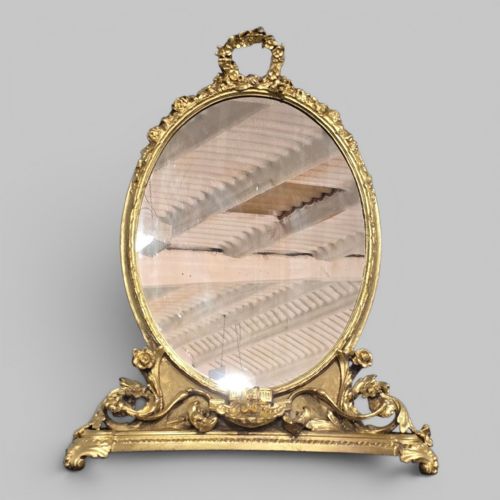
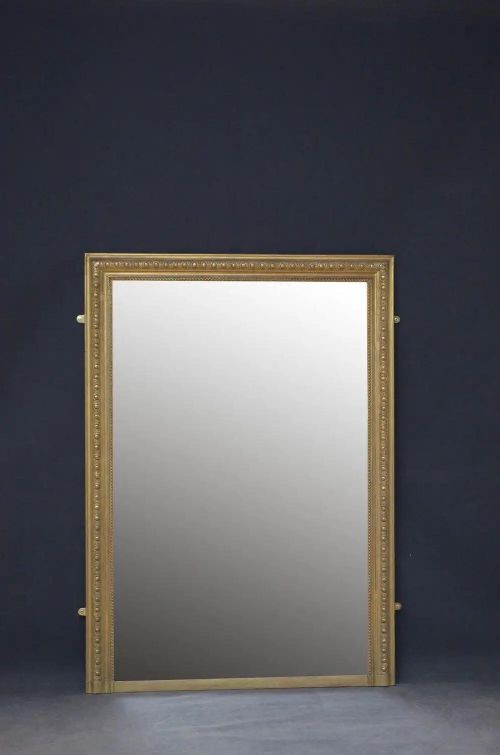
- Timber that has been coated with a thin layer of gold leaf or gold paint over a prepared gesso base. This finish appears frequently on 19th Century wall mirrors and table mirrors.
- Louis XV Revival
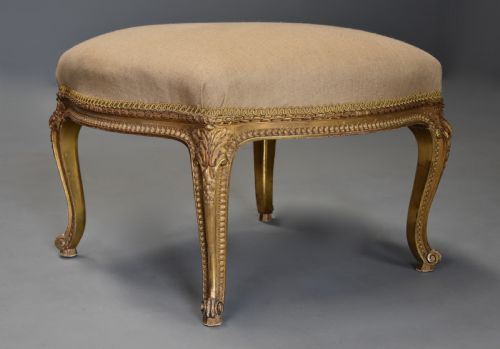
- A decorative style popular in the 19th Century that reinterprets 18th Century French curves, asymmetrical scrolls, and naturalistic floral motifs. It defines many mirrors and stools found in this category.
- Ormolu
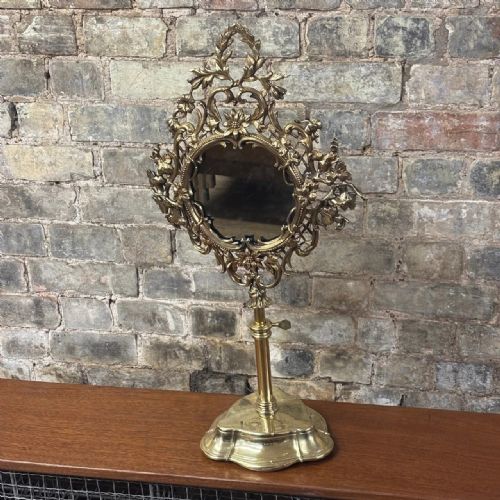
- Gilt bronze mounts applied as decorative ornaments to furniture and mirror frames. The technique involves a mercury amalgam process historically used on fine French pieces.
- Bevelled glass
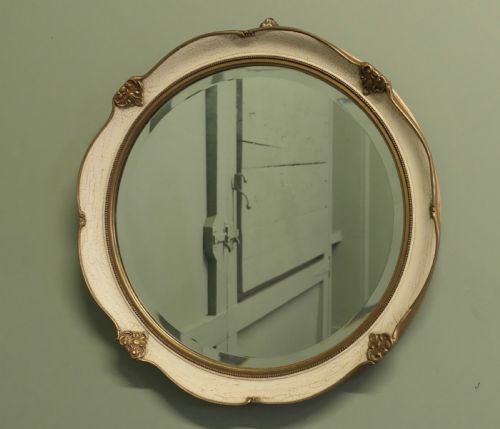
- Mirror glass with edges ground and polished at an angle to create a framed border effect. This treatment indicates finer mirror plates from the Victorian period onwards.
French Chateau Vanity: Frequently Asked Questions
How were dressing mirrors used?
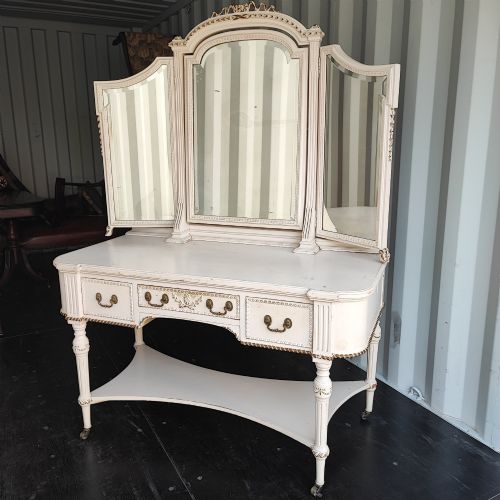
Table mirrors and dressing table mirrors were placed upon dressing tables or side tables to assist with grooming and personal care. Triple folding mirrors allowed users to view angles from the side.
Overmantle mirrors and wall mounted versions also served to reflect light around smaller dressing rooms and boudoirs.
How do I style a boudoir stool?
Boudoir stools and footstools complement dressing tables or sit independently as occasional seating within a bedroom. Their painted frames and upholstered seats coordinate with surrounding mirrors and side tables.
Parks of matching chairs or stools create a cohesive seating arrangement in period interiors.
How can I tell the period?
Dating relies upon timber selection, hardware, and stylistic revival cues. Pieces from the 19th Century often feature heavier carved giltwood and hand applied paint, while Edwardian and 1930s examples introduce simpler lines or Art Deco touches.
Maker stamps and original glass bevelling provide further clues to the exact manufacturing era.