

Carved Wood Vanity
These carved wood vanity items combine practical bedroom furnishings with period craftsmanship, offering collectors functional seating and mirrors built to endure.
Carved Wood Vanity
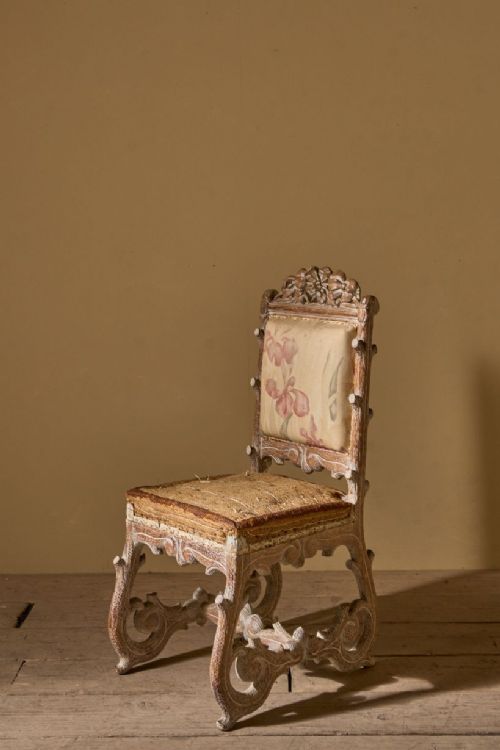
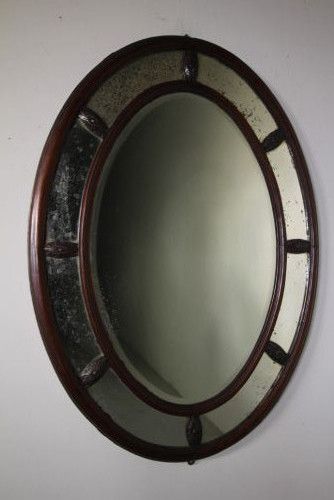
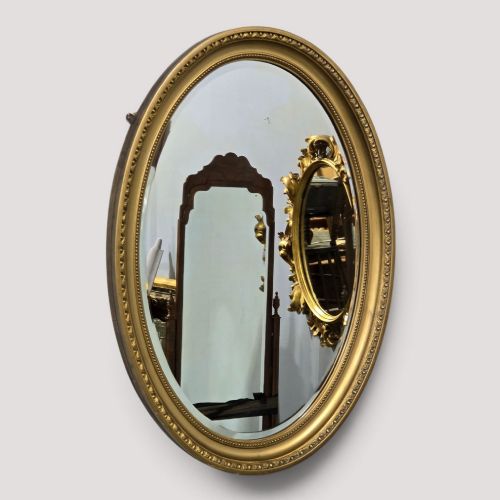
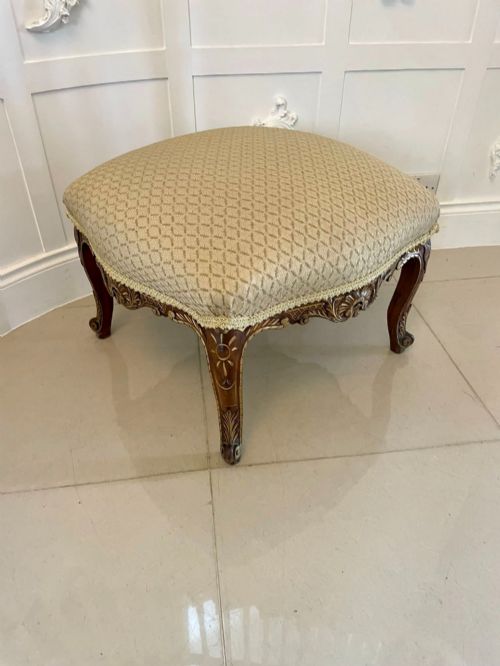
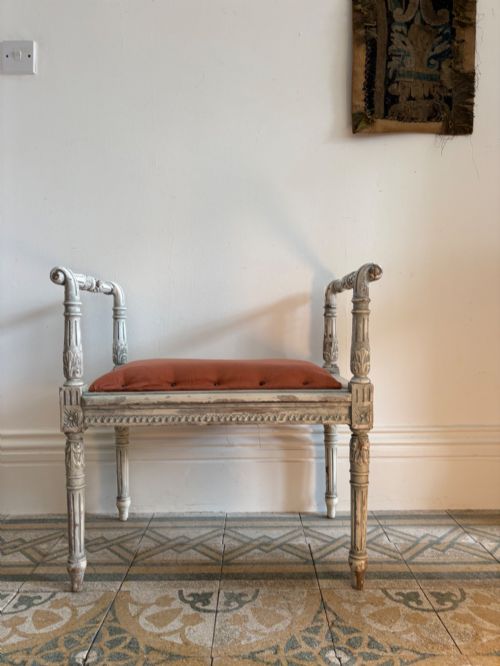
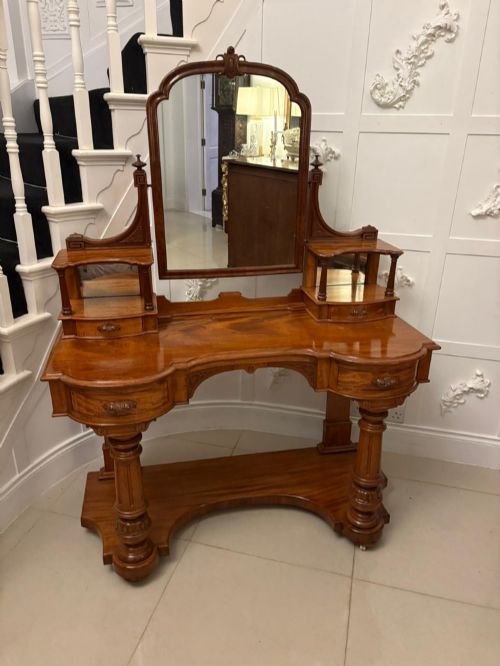
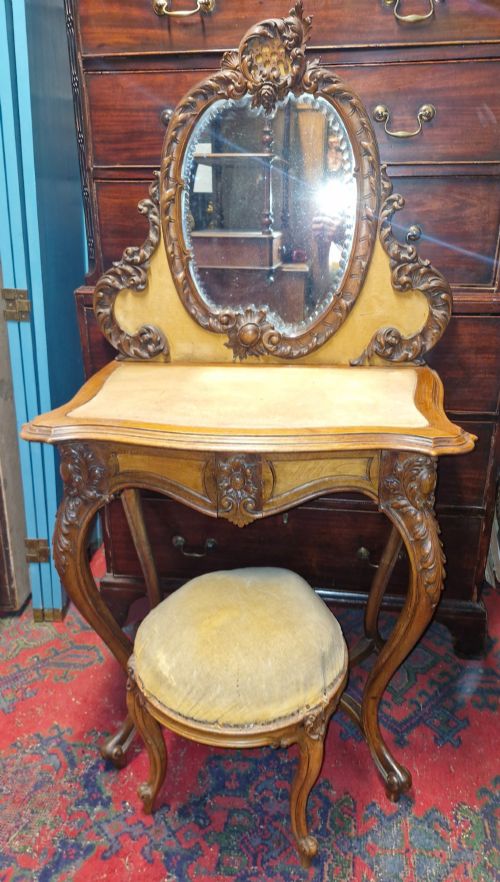
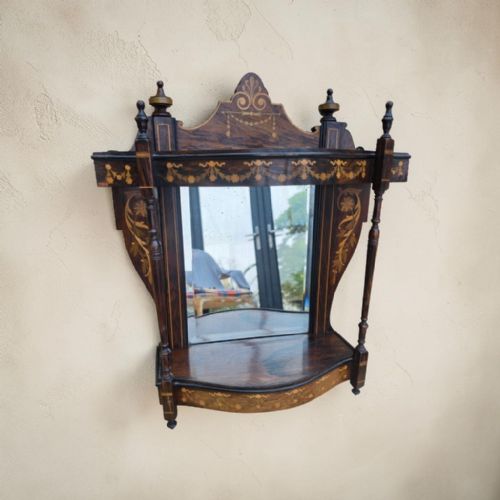
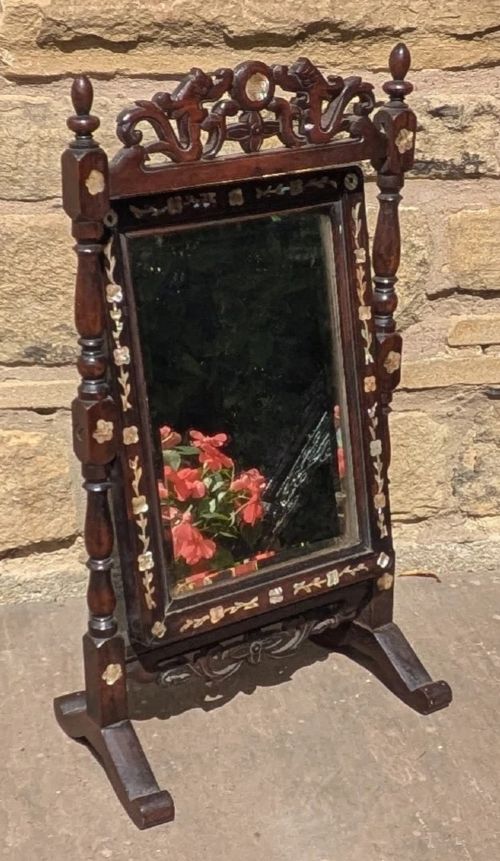
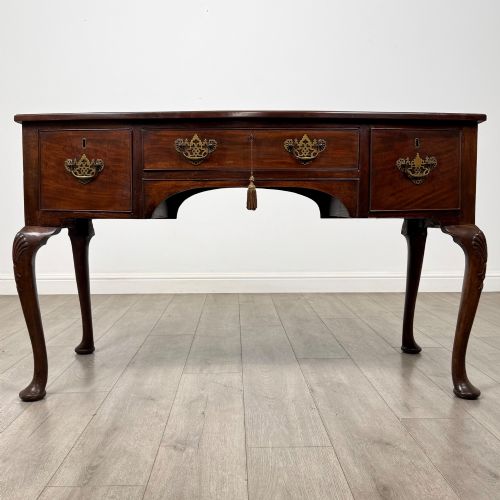
When buyers search for carved wood vanity, they encounter a diverse selection of nineteenth and early twentieth century furnishings, predominantly dressing table stools, dressing mirrors, and occasional writing desks. The category spans several distinct revival styles alongside regional European and Asian workmanship.
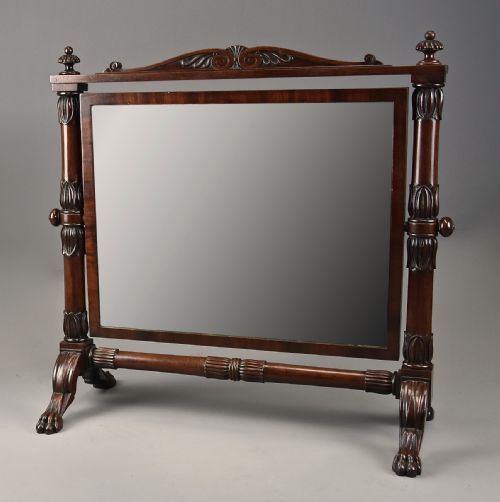
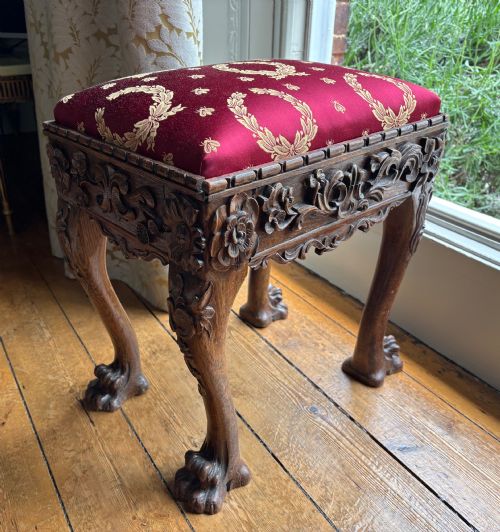
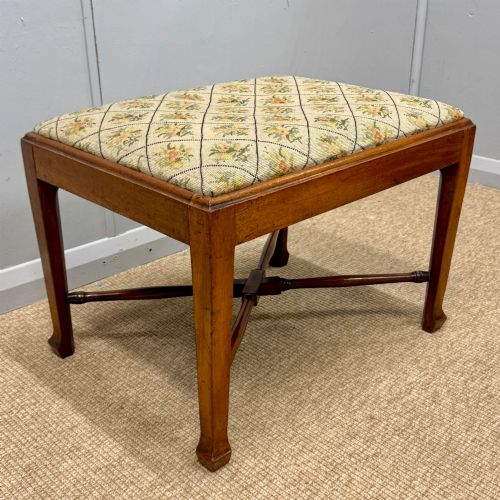
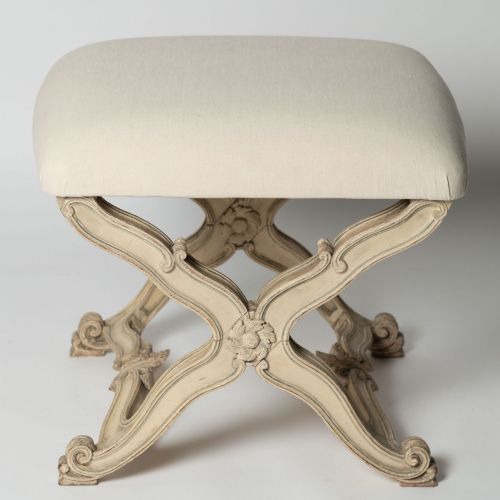
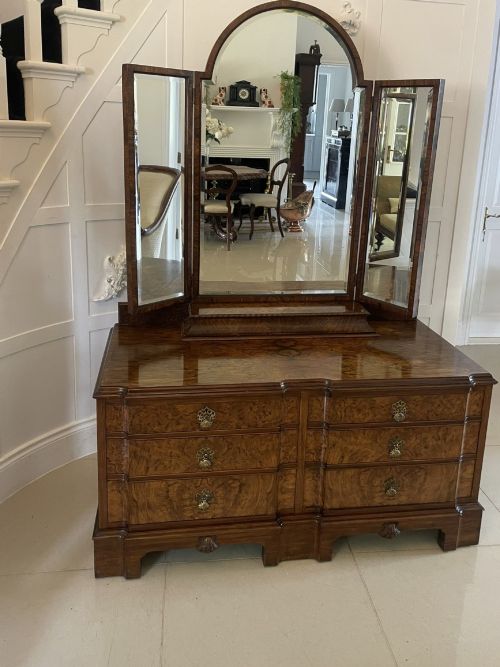
Stools and mirrors form the core of this grouping, ranging from small footstools with cabriole legs to large cheval dressing mirrors in various timbers. Buyers frequently meet Victorian walnut and mahogany stools alongside Georgian and Edwardian dressing table mirrors.
Origin and period vary widely across the selection, encompassing English country house pieces, French Empire designs, and Swedish Gustavian examples. Each piece serves a traditional bedroom or dressing room function shaped by its historical era.
Materials and construction methods
The construction relies heavily upon native and imported hardwoods such as mahogany, walnut, oak, and rosewood, chosen for durability and grain figure. Timber frames often receive detailed hand-carved ornamentation reflecting prevailing revival aesthetics.
Surface treatments include traditional French polishing, white paint, and gilding on gesso, while seating elements employ fabric, silk, or modern upholstery over traditional frames. Inlaid examples incorporate bone, mother-of-pearl, and contrasting woods into the main structure.
Distinctions in craftsmanship
Quality diverges between utilitarian everyday items and exhibition pieces produced with superior timber selection and deeply undercut carving. The sharpness of the carved detail and the choice of dense burr veneers or Cuban mahogany elevate certain examples above standard workshop production.
Structural integrity and the retention of original surface finishes determine the standing of an individual piece within its period. Refinished surfaces or replaced elements alter the historical continuity of the object.
P and MA Nicholson
The Carved Wood Vanity Glossary
- Cheval mirror
- A freestanding full-length mirror suspended on a vertical frame with pivots. This form allows the glass to tilt to various angles.
- Cabriole leg
- A furniture leg that curves out and then in, resembling an animal's leg. It typically terminates in a pad or claw foot.
- Giltwood
- Wood that has been coated with gold leaf or gold paint. It appears frequently on decorative mirrors and frames.
- Mashrabiya
- An architectural element of wooden lattice work used for windows or screens. Examples incorporate intricate bone and mother-of-pearl inlay.
Carved Wood Vanity: Frequently Asked Questions
What is a carved wood vanity?
A carved wood vanity encompasses dressing tables, dressing mirrors, and matching stools produced during the nineteenth and early twentieth centuries. These furnishings were designed for personal grooming and bedroom use.
They incorporate decorative carving reflecting periods like the Georgian, Victorian, and Edwardian eras, utilising timbers such as mahogany, walnut, and oak.
How do I date a dressing mirror?
Dating relies upon examining the timber species, construction joints, mirror glass characteristics, and the prevailing decorative style. Mahogany and walnut were favoured in different periods alongside changing leg and frame profiles.
Stylistic markers such as cabriole legs or neoclassical motifs provide clear chronological indicators when compared against known historical forms.
How should I care for antique wood furniture?
Maintenance involves keeping pieces away from direct sunlight and fluctuating humidity to protect the timber and carved details. Regular dusting with a soft dry cloth preserves the polished surface.
Harsh chemical cleaners should be avoided to protect original French polish, paint, or gilt finishes.