




Vintage Vanity with Lights
These vintage vanity with lights pieces combine mirror glass and timber to serve daily routines with period craftsmanship.
Vintage Vanity with Lights
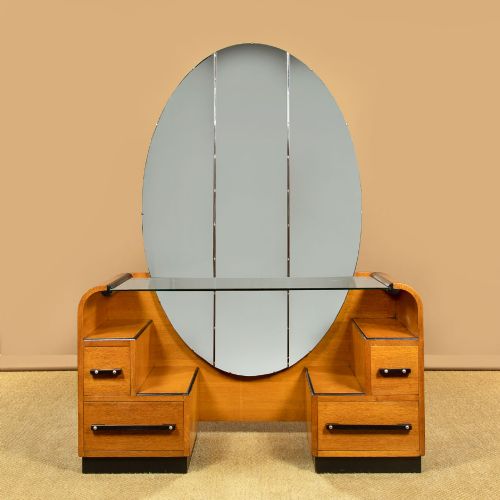
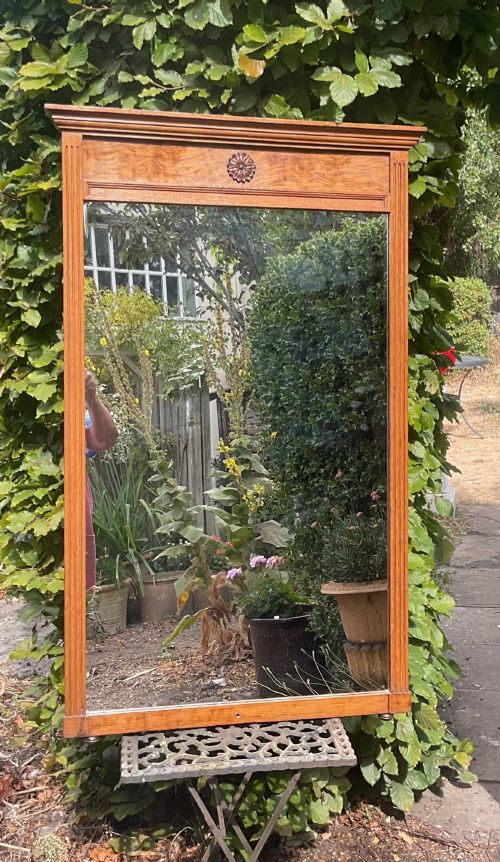
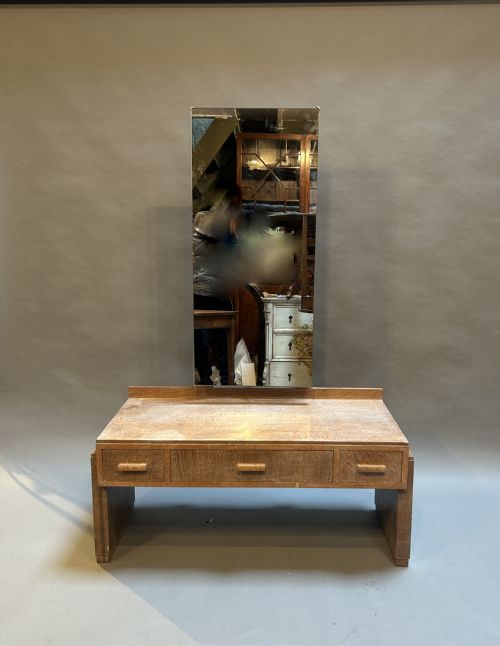
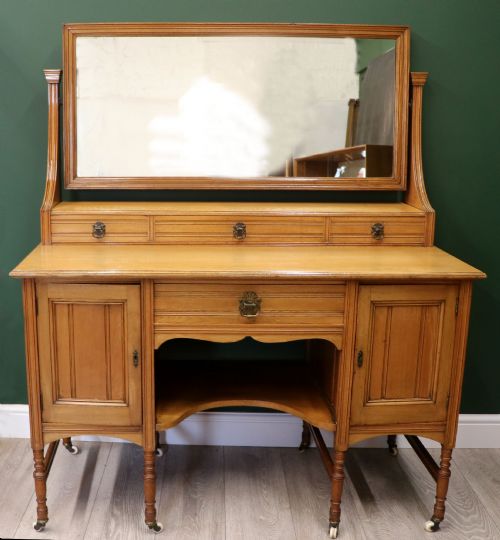
A vintage vanity with lights designation gathers dressing tables, washstands, vanity mirrors, and dressing chests designed for personal grooming. The pieces appearing here span from the nineteenth century through the Edwardian period, 1900, 1910, and into the 1930s.
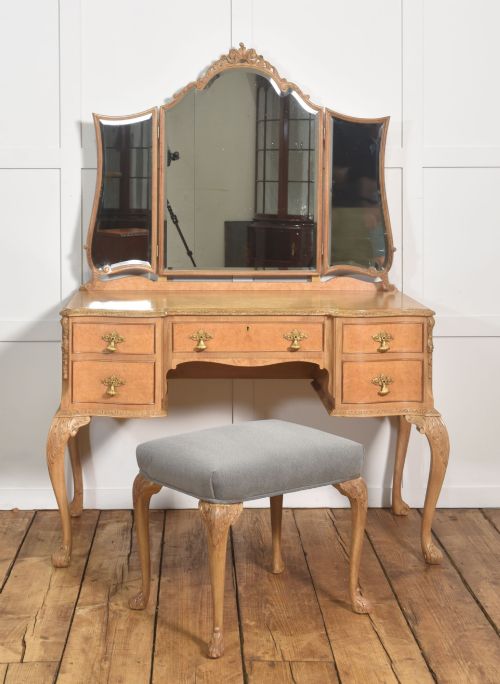
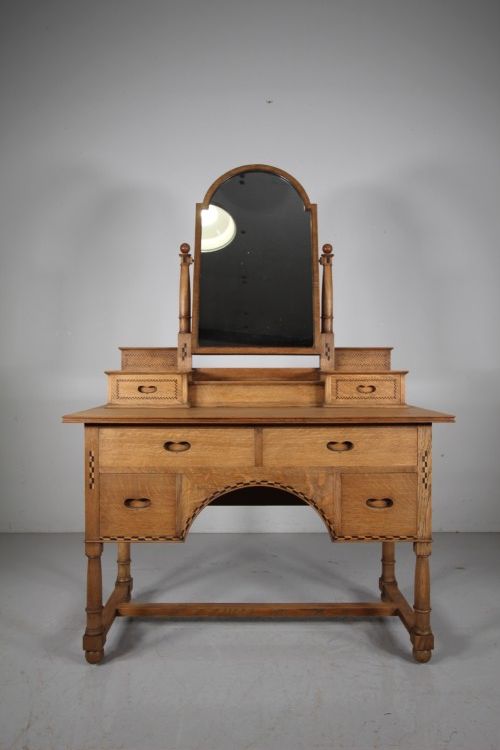
Forms range from compact table mirrors to substantial dressing chests with triple mirrors and matching stools. Makers and workshops from these eras utilised diverse regional idioms including Arts and Crafts, Cotswold School, Art Deco, and Swedish Biedermeier.
Buyers meet walnut, oak, birch, and light walnut constructions, frequently paired with mirror glass, marble, brass, and fabric. These furnishings reflect the domestic functional requirements of their respective periods.
How They Were Made
Cabinetmakers constructed these pieces primarily in solid and veneered timbers such as walnut, oak, and birch. Marquetry inlay and labelled workshop attribution reveal the high standard of period joinery.
Functional elements integrate glass mirrors, marble tops, and brass hardware into the wooden frames. Fabric components and integrated lighting elements complement the primary structural materials.
Vintage Vanity with Lights Retail Price Guide 2026
Typical asking prices for vintage vanity with lights among the pieces listed under this phrase on Sellingantiques today, from the lower quarter to the upper quarter. They describe what is for sale here now, not the wider market.
Listings feature periods from the 19th Century through 1930, utilising walnut, oak, birch, marble, and brass across various dressing furniture forms.
What Varies in Quality
Quality separates simple utilitarian furniture from pieces bearing distinct design movements like the Cotswold School or Art Deco by Harry and Lou Epstein. Maker signatures and original labels elevate the standing of a piece.
The choice of materials, from basic oak to marquetry inlaid walnut and marble, dictates the refinement of the construction. Retaining original mirrors, hardware, and matching stools marks the distinction between standard examples and superior survivals.
The Vintage Vanity with Lights Glossary
- Dressing Chest
- A low chest of drawers fitted with a mirror, used for personal grooming in bedrooms.
- Washstand
- A wooden table, often featuring a marble top, designed to hold a basin and jug for washing.
- Marquetry
- Decorative patterns formed by inserting pieces of wood into a veneer to create pictorial designs.
- Triple Mirror
- A dressing glass with a central mirror and two adjustable side wings hinged to the edges.
Vintage Vanity with Lights: Frequently Asked Questions
What is a vintage vanity with lights?
These pieces comprise dressing tables, washstands, and vanity mirrors equipped with glass surfaces and reflective arrangements.
They originate from periods spanning the nineteenth century to the 1930s, constructed in woods like walnut and oak.
How do I date a dressing table?
Dating relies on stylistic clues, construction methods, and materials associated with periods like Edwardian or Art Deco.
Makers' labels and specific timber choices such as Swedish birch or light walnut also help place the piece in time.
Where were these pieces used?
They served primarily in domestic bedrooms and dressing rooms for daily grooming and personal hygiene routines.
Washstands held basins, while dressing chests provided surface space and mirrors for hair and attire.
What styles are common?
The selections include Arts and Crafts, Cotswold School, Art Deco, and Queen Anne Revival designs.
Each style reflects the prevailing aesthetic and woodworking traditions of its specific decade of production.