

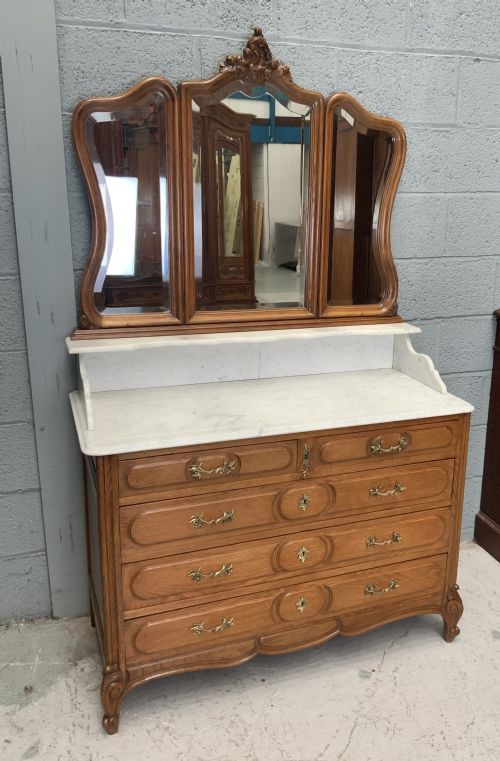
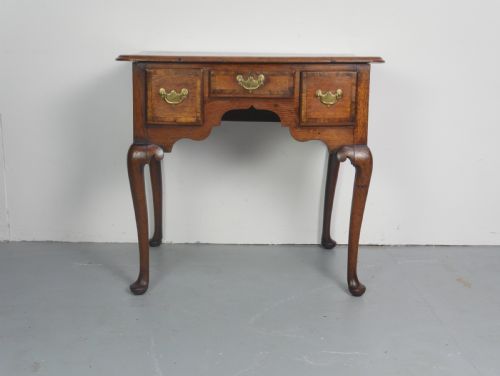


Carved Oak Dressing Vanity
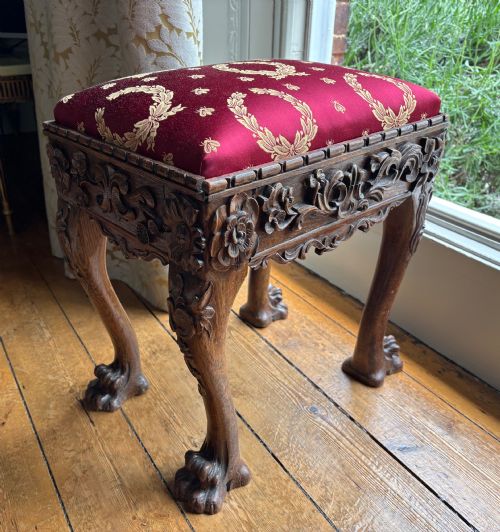
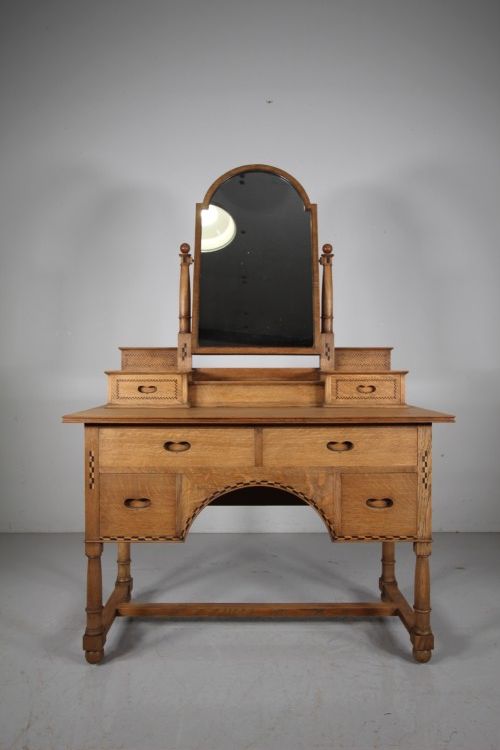
These pieces known as a carved oak dressing vanity combine solid timber construction with intricate hand-carved detail to anchor a traditional bedroom scheme.
Carved Oak Dressing Vanity
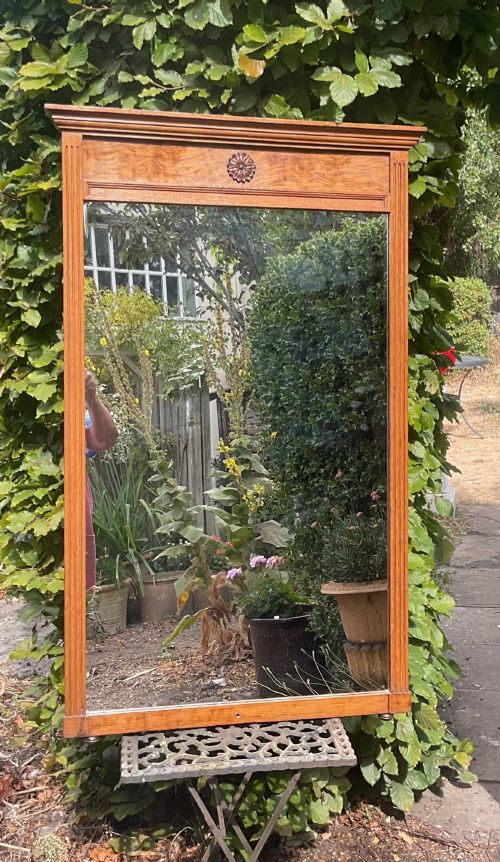
A carved oak dressing vanity covers a diverse group of functional bedroom furnishings built from oak, ranging from compact lowboys and toilet mirrors to full dressing tables and washstands. These items appear across multiple periods including the eighteenth century, Victorian era, Edwardian period, and nineteen-twenties.
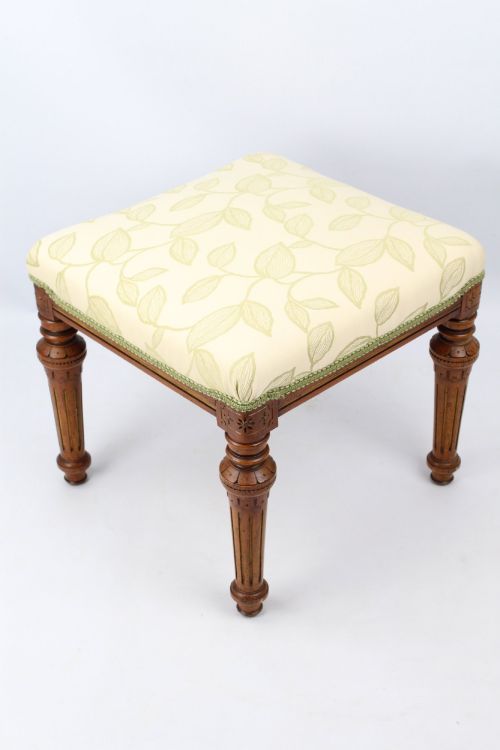
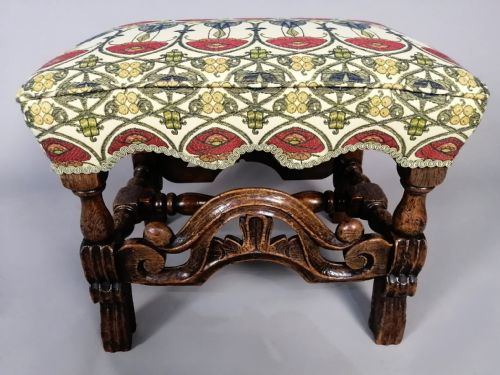
Buyers will encounter forms influenced by Georgian, Queen Anne, Arts and Crafts, and French provincial styles. Many examples include matching stools or adjustable mirrors designed for personal grooming.
How they were made
Construction relies heavily on solid oak, frequently augmented with brass hardware, glass mirror plates, and occasional textile or marble elements. Makers utilised traditional joinery alongside hand-carved ornamentation to shape panels, frames, and stretchers.
Surface treatments range from natural blonde oak finishes to parcel gilt accents and marquetry inlay. Adjustable mechanisms on mirrors and shaving stands incorporate functional brass brackets and pivots.
Listings span from the eighteenth century through the Edwardian era and the nineteen-twenties, incorporating French provincial and Arts and Crafts styles.
What varies in quality
The standard of a carved oak dressing vanity rests upon the crispness of the hand-carving and the integrity of the timber selection. Superior pieces display deep, well-defined relief work rather than shallow machine stamping.
Construction details such as the retention of original hardware, the clarity of glass mirror plates, and the stability of joints distinguish finer examples from simpler utilitarian pieces.
Heals·Shapland and Petter·Arnott and Co Dublin
The Carved Oak Dressing Vanity Glossary
- Lowboy
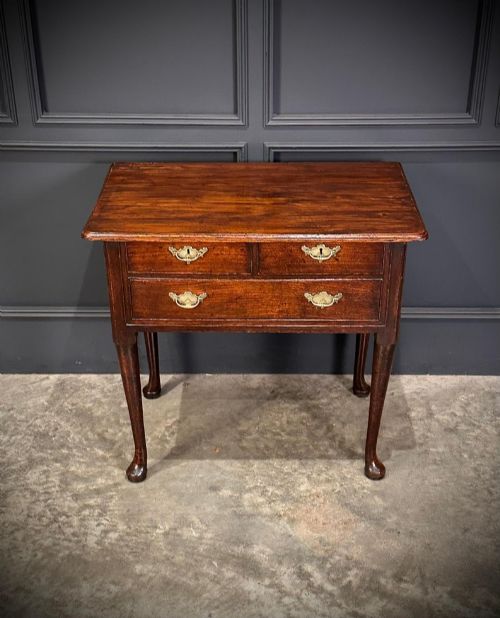
- A small side table with drawers, frequently utilised as a dressing table in the eighteenth century. These pieces stand on slender legs and often feature shaped aprons.
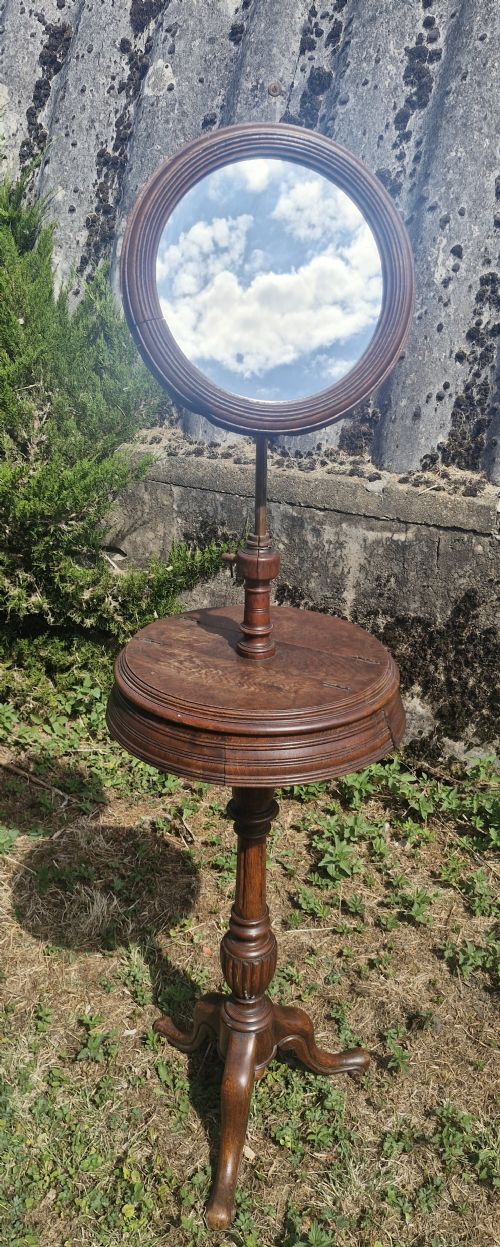
- Toilet mirror
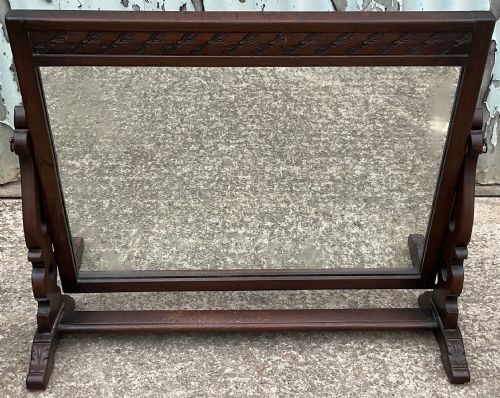
- A smaller mirror mounted on a pivoting frame above a small box base or drawers. They sat upon dressing chests or tables to facilitate shaving and grooming.
- Marquetry
- The art of forming decorative patterns using fitted pieces of veneer. Craftsmen applied this technique to drawer fronts and tabletops.
- Parcel gilt
- The practice of gilding specific carved details or mouldings with gold leaf while leaving the surrounding oak exposed. This highlights particular ornamental motifs.
- Arts and Crafts
- A design movement prioritising honest construction, plain surfaces, and handcrafted decorative elements. Pieces from this style often feature exposed joinery and stylized plant motifs.
Carved Oak Dressing Vanity: Frequently Asked Questions
What is an oak lowboy?
An oak lowboy is a small table with one or more rows of drawers, commonly used for grooming before dedicated dressing tables became widespread.
These versatile tables date predominantly from the eighteenth century and function well today as writing desks or hall tables.
How do I date a dressing mirror?
Dating relies on examining the timber frame construction, the type of mirror glass, and the mechanical pivots used to tilt the glass.
Earlier examples feature bevelled glass set into heavy frames with hand-cut screws, while later Edwardian and twentieth-century versions show lighter framing.
Are these pieces made of solid oak?
Most listings feature solid oak construction, sometimes paired with oak veneers on large flat surfaces like tabletops to prevent warping.
Secondary timbers may appear in drawer linings and internal framing, which is standard practice across the periods represented.
How do I care for antique oak?
Antique oak benefits from occasional application of quality beeswax to nourish the timber and protect the finish from drying out.
Keep these pieces away from direct heat sources and strong sunlight to preserve the colour and prevent wood movement.