
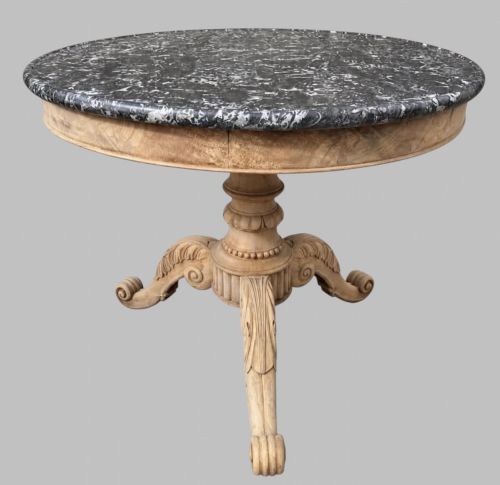
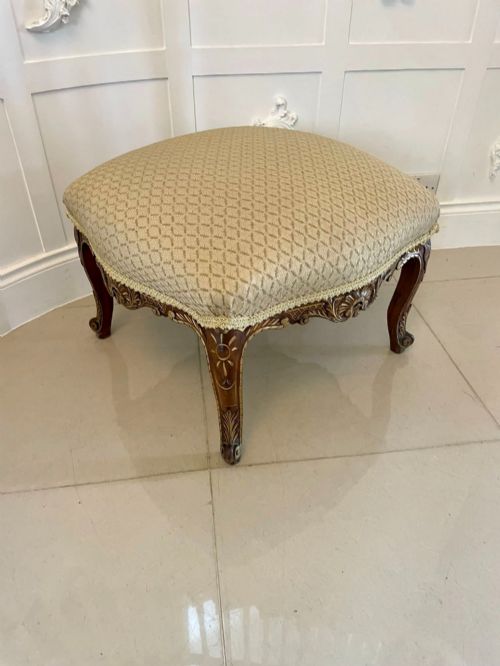
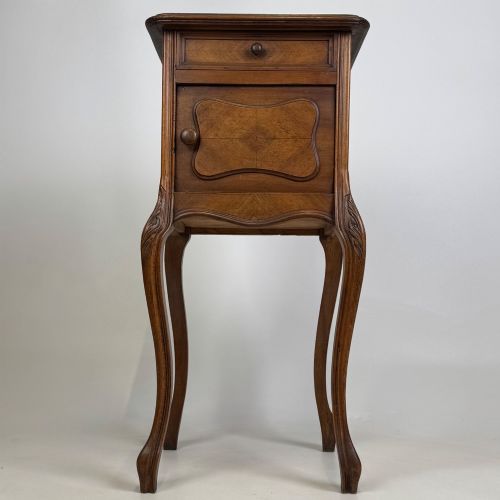
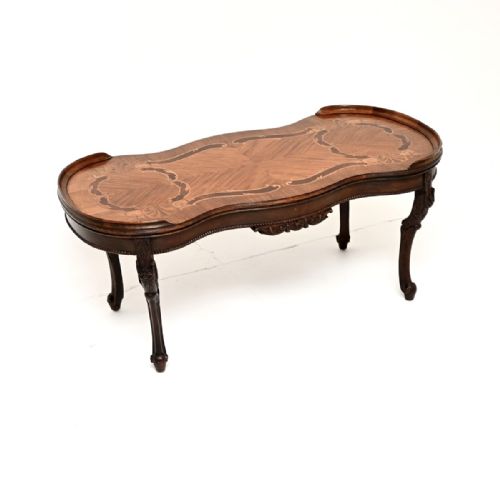
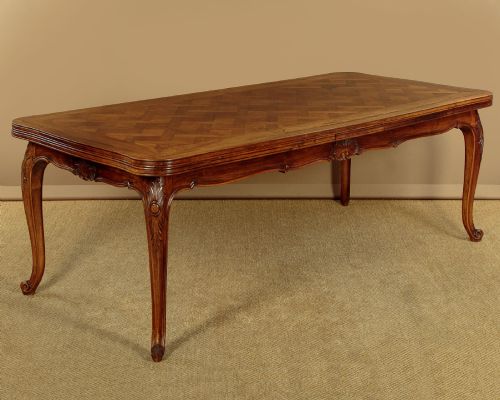
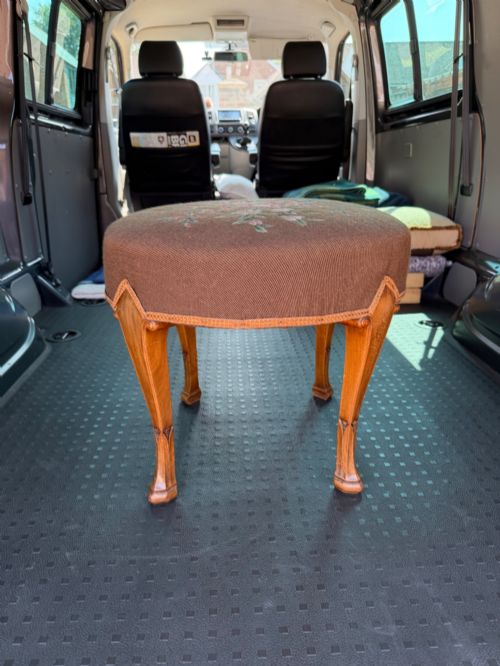
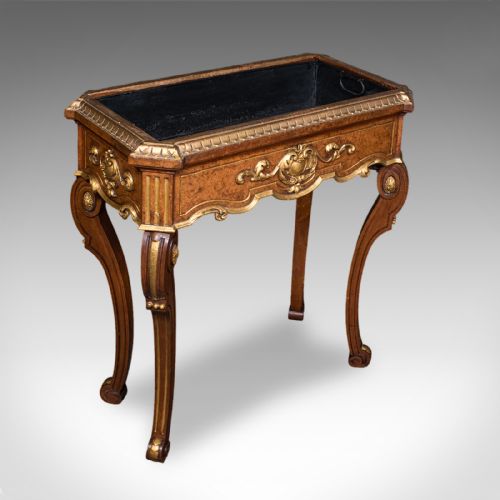
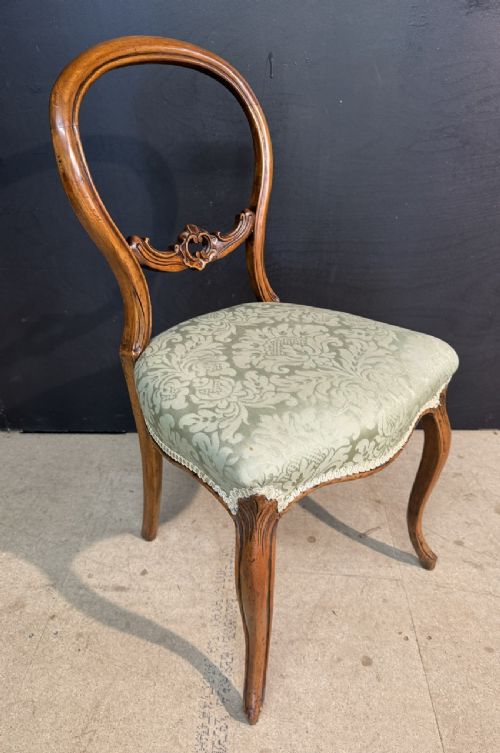
French Carved Walnut Table
A french carved walnut table brings warmth and rich timber grain to a room, spanning styles from rustic provincial forms to grand revival pieces.
French Carved Walnut Table
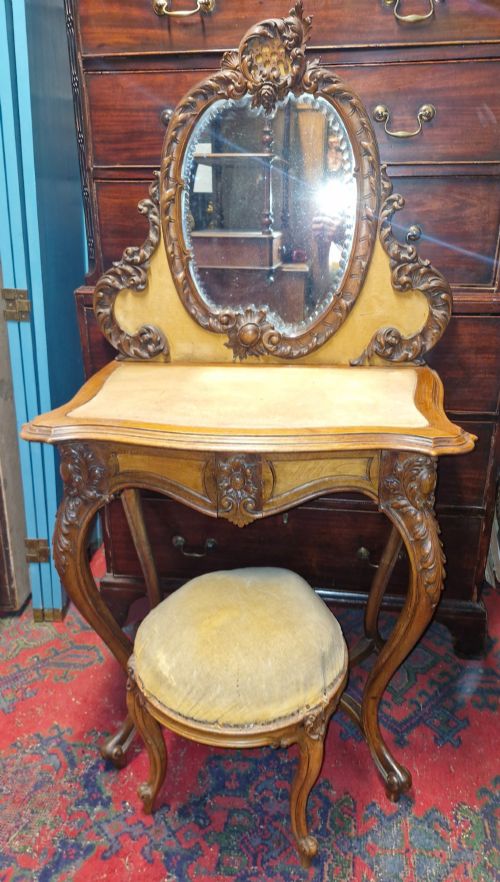
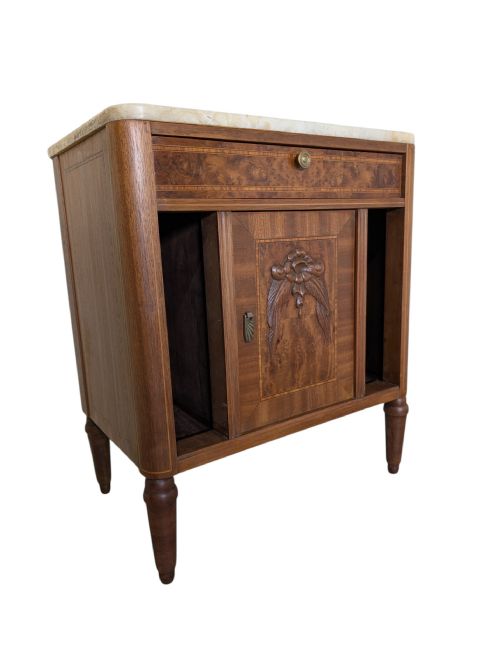
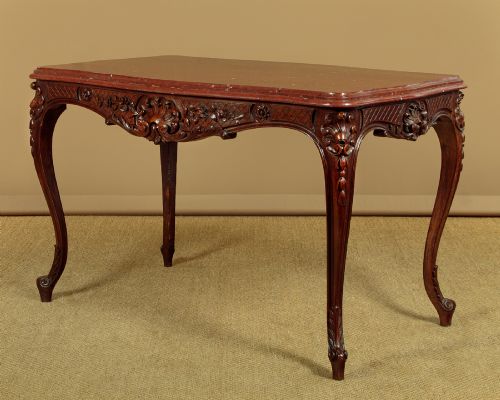
A french carved walnut table encompasses a diverse array of utilitarian and decorative forms designed for the home, including centre tables, console tables, coffee tables, and bedside cabinets.
The pieces appearing most frequently originate across the nineteenth and twentieth centuries, taking inspiration from traditional regional styles, Louis movements, and revival aesthetics.
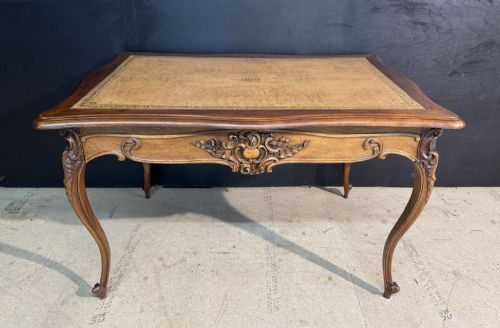
Makers utilised dense timber to support elaborate hand-carved ornamentation, parquetry, and marquetry work across surfaces destined for salons, boudoirs, and halls.
How they were made
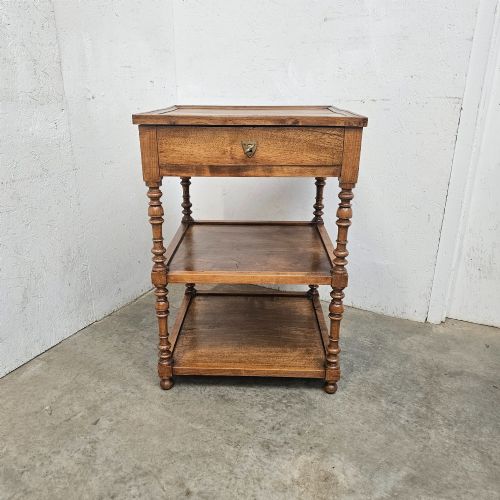
Carpenters relied on solid walnut and burr walnut veneers, applying skilled joinery to build stable frames capable of supporting heavy inserts.
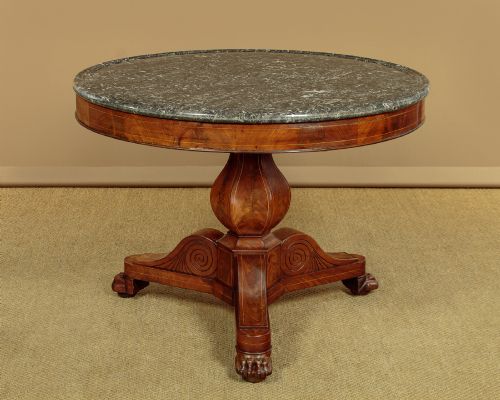
Many examples incorporate contrasting materials such as rouge marble, Belgian Sainte-Anne marble, brass, ormolu mounts, and glass to elevate the visual weight of the timber.
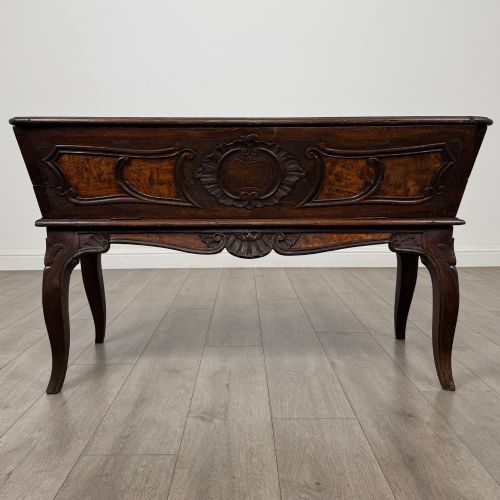
Carving chisels shaped naturalistic scrolls, floral motifs, and structural cabriole legs directly into the wood before finishing surfaces with wax or polish.
What varies in quality
The distinction between tiers rests upon the crispness of the hand-carving and the deliberate selection of figured timber grain across prominent surfaces.
Superior examples integrate secondary materials like heavy marble slabs and cast ormolu mounts with precise symmetry and structural harmony.
The French Carved Walnut Table Glossary
- Gueridon
- A small round table, typically supported by a central column or multiple legs, often featuring a marble top. These pieces originated in the seventeenth century and serve as versatile accent furniture.
- Marquetry
- The art of applying decorative pieces of veneer to a structure to form intricate pictorial designs. Craftsmen select various wood tones to create contrast and depth.
- Ormolu
- Gilded bronze mounts applied to furniture for decorative effect, adding metallic sheen and architectural definition. This technique gained prominence in French luxury workshops.
- Parquetry
- Geometric mosaic woodwork used for flooring or table surfaces, formed by fitting small blocks of timber together. The pattern highlights the natural grain variations.
- Cabriole leg
- A furniture leg featuring a double curve, typically arching outward then tapering inward to a pad or scroll foot. This form derives from animal legs and defines many revival styles.
French Carved Walnut Table: Frequently Asked Questions
Where should I place a console table?
Console tables suit entryways, hallways, or living rooms against blank walls where their shallow depth provides a surface for decorative objects without blocking movement.
Pairing them with a mirror or hanging shelf creates a cohesive focal point within smaller or transitional spaces.
How do I care for a marble top?
Marble surfaces require regular dusting with a soft cloth and immediate blotting of liquid spills to prevent staining or etching in the stone.
Avoiding acidic cleaners preserves the polished finish and natural integrity of the mineral over decades of daily use.
What is the difference between a centre table and a side table?
Centre tables are finished on all sides to stand freely in the middle of a room as a principal decorative or functional anchor.
Side tables are typically designed to sit flush against a wall or beside seating furniture, serving a more supportive role.
How do I identify a bedside cabinet?
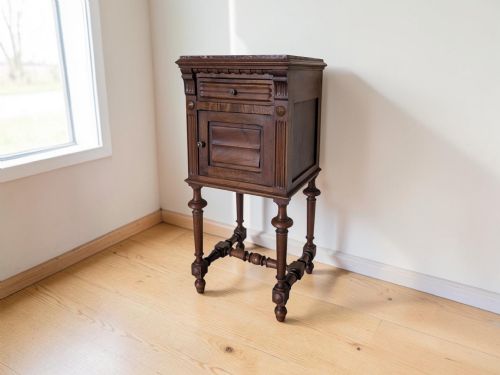
Bedside cabinets combine enclosed cupboard storage or drawers within a compact footprint suited for placement next to sleeping quarters.
Many period examples feature marble inserts on top to provide a durable, water-resistant surface for lamps and nighttime items.