

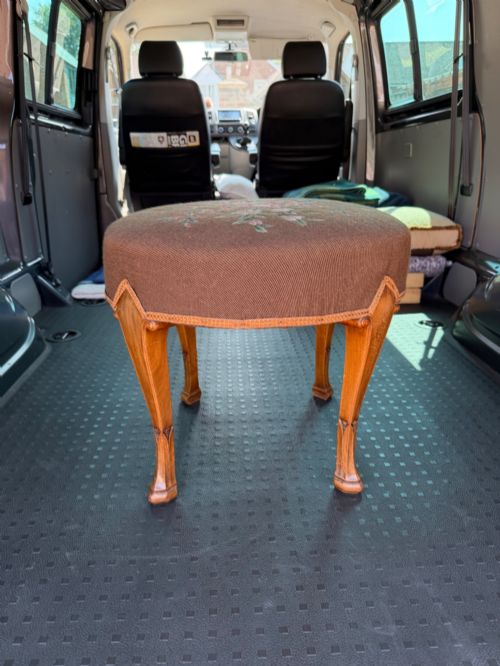


French Floral Carved Table
A french floral carved table brings continental elegance into a room, offering both decorative charm and practical surface space.
French Floral Carved Table
Buyers seeking a french floral carved table encounter a variety of forms spanning from the mid-nineteenth century through the mid-twentieth century. The selection ranges from occasional tables and coffee tables to central tables, reflecting diverse periods such as the Victorian era, Art Deco, and French Rococo Revival.
While the search specifies a carved table, the actual listings encompass related pieces like side tables, bedside tables, and writing desks alongside central and coffee tables. Walnut and painted wood dominate the construction materials, frequently accompanied by decorative elements like marquetry and ormolu.
Origins stretch across classic French aesthetic movements, including the Belle Epoque and French Chateau styles, alongside pieces influenced by English interpretations. Buyers are most likely to meet walnut or marquetry-topped occasional and central tables dating from the late nineteenth century to the 1930s.
Materials and construction methods
Construction relies heavily on walnut and painted wood as primary timbers, often enhanced with boxwood stringing or detailed marquetry inlay. Cabinetmakers utilised these sturdy woods to support intricate surface decoration and withstand daily use in domestic settings.
Metal ornamentation plays a significant role, with brass and ormolu mounts fitted to enhance the structural outlines of tables and associated pieces. Additional surface interest comes through the incorporation of marble tops, glass components, and textile details such as tapestry panels.
French Floral Carved Table Retail Price Guide 2026
Typical asking prices for french floral carved table among the pieces listed under this phrase on Sellingantiques today, from the lower quarter to the upper quarter. They describe what is for sale here now, not the wider market.
Even the tiniest bedside table manages to smuggle in a floral flourish.
Factors of quality and execution
Quality separates in the precision of the woodwork and the crispness of the carved floral motifs adorning the timber. Finer examples display tightly fitted marquetry patterns and smoothly integrated ormolu mounts rather than surface-level additions.
The choice of primary timber and secondary materials dictates the tier of the piece, with solid walnut and carefully selected veneers outperforming simpler painted softwood carcases. Overall proportion and the harmony between the decorative hardware and the wood grain determine the lasting visual appeal.
The French Floral Carved Table Glossary
- Marquetry
- The art of applying small pieces of veneer to a structure to form decorative patterns. This technique frequently defines the tops of finer coffee and side tables.
- Ormolu
- Gilded bronze ornamentation applied to furniture mounts and decorative objects. It provides a bright metallic contrast against dark walnut timbers.
- Rococo Revival
- A nineteenth-century design style characterised by asymmetrical scrollwork, naturalistic curves, and floral motifs. It heavily influences the carved details found on many tables from this period.
- Boxwood
- A dense, pale wood often used for contrasting stringing or inlay work within darker veneers. Cabinetmakers select it for its fine grain and ability to hold sharp detail.
French Floral Carved Table: Frequently Asked Questions
What periods do these tables represent?
The pieces span from the mid-nineteenth century through the 1950s, capturing Victorian craftsmanship, Art Deco modernism, and earlier revival styles.
Buyers will find that walnut and painted wood examples appear across several decades, reflecting changing continental tastes in domestic furniture.
How do I identify a marquetry top?
Marquetry involves piecing together various wood veneers to create pictorial or geometric designs directly on the surface of the table.
Closer inspection reveals different wood grains and natural tones combined to form the floral patterns characteristic of these tops.
Where were these tables used?
These furnishings were designed for principal reception rooms, bedrooms, and parlours within substantial homes of the nineteenth and twentieth centuries.
Smaller occasional and bedside tables served practical functions beside seating or sleeping areas while adding decorative flair.
What materials are most common?
Walnut and painted wood form the structural backbone for the majority of these listings, often paired with brass or ormolu hardware.
Additional materials like marble and boxwood appear regularly to accentuate the decorative surfaces and provide textural contrast.