


French Urn Stand
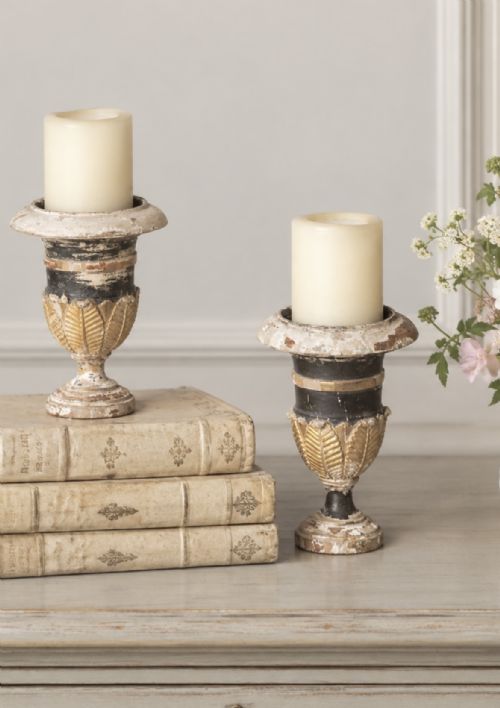
A french urn stand elevates a classic vessel to display it properly, bringing continental balance and height to a room.
French Urn Stand
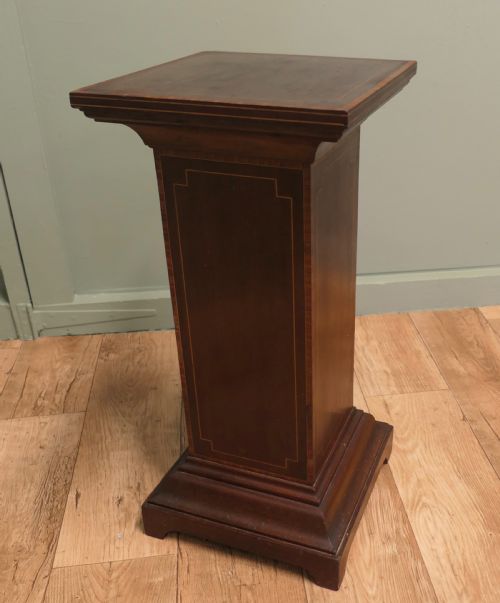
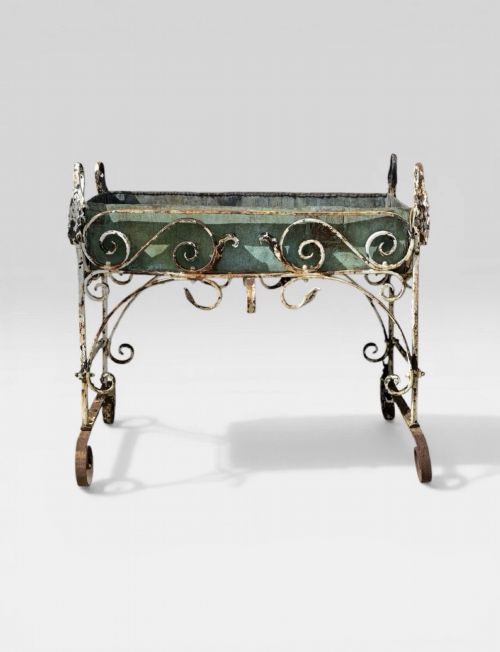
A french urn stand serves primarily to display jardinieres, planters, or decorative vessels above floor level. These pieces appear across the nineteenth century, Edwardian era, and into the nineteen thirties, often taking the form of torcheres, pedestals, or small occasional tables.
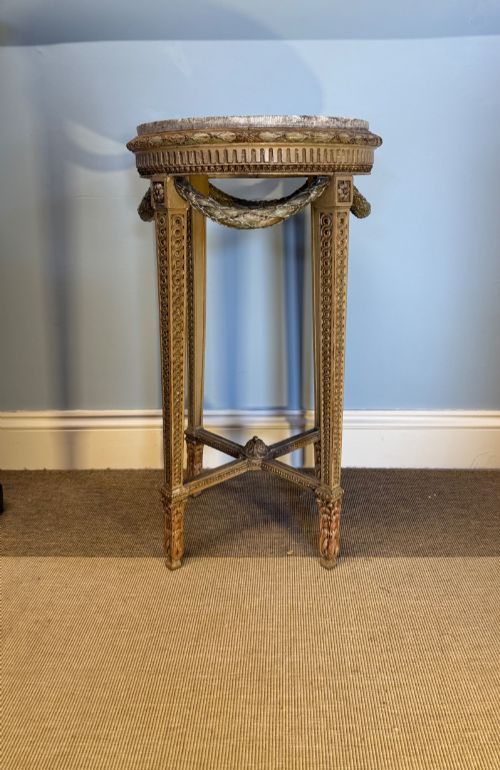
Makers drew on Neoclassical, Louis XVI, and French Rococo Revival styles to shape these supports. Survivors frequently combine timber structures with inset marble tops designed to resist moisture from garden pots.
The evidence shows forms ranging from simple triform pedestals to elaborate parquetry tables with ormolu mounts. Buyers meet both dedicated plant supports and versatile stands adapted from side tables.
Materials and construction
Wood forms the structural core of many examples, utilising walnut, mahogany, fruitwood, and carved giltwood. Artisans shaped these timbers through turning, carving, and parquetry techniques.
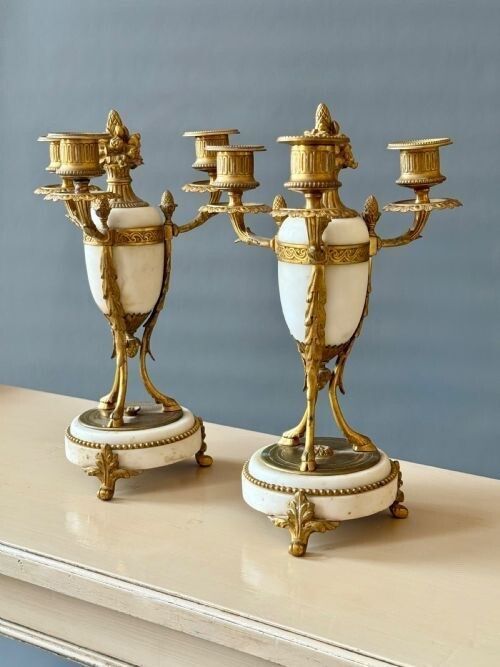
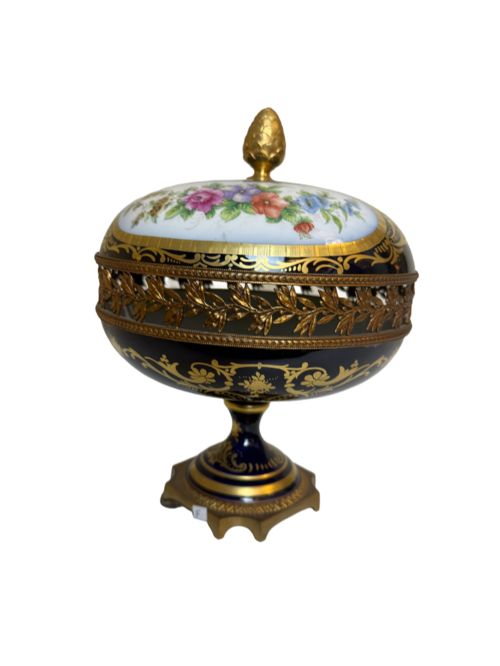
Metal components add decorative weight and structural contrast through ormolu, brass, bronze, and wrought iron. Gesso and paint finish selected wooden surfaces, while marble provides a durable, cool top surface for resting heavy vessels.
Listings demonstrate that marble and ormolu frequently pair with walnut and giltwood across nineteenth century French urn stands.
Judging quality in stands
The caliber of a stand rests upon the crispness of its carved ornament and the precision of its metal mounts. Heavy ormolu castings and deeply articulated woodwork distinguish superior examples from simpler utilitarian pieces.
Materials dictate much of the inherent value, particularly the thickness and figuring of inset marble tops and the quality of underlying timbers like walnut or mahogany. Integrated bronze details and refined patination elevate an ordinary support into a distinguished display piece.
Clement Massier
The French Urn Stand Glossary
- Ormolu
- Gilded bronze applied as decorative mounts to furniture and stands. This technique gained widespread use during eighteenth and nineteenth century French revivals.
- Torchere
- A tall stand designed specifically to hold a light, urn, or plant. These slender supports lift decorative objects to eye level.
- Triform
- Having three sides or three feet. This base construction provides stability for tall pedestals and urn stands.
- Parquetry
- Geometric wood mosaic work used for decorative surface patterns. Craftsmen applied small wood veneers to tabletops and stands in repeating arrangements.
- Neoclassical
- A style drawing inspiration from classical antiquity. Pieces utilise symmetry, restrained ornament, and architectural motifs.
French Urn Stand: Frequently Asked Questions
What were french urn stands used for?
These stands elevated heavy decorative items, jardiniere bowls, and indoor plants above floor level to protect interior surfaces and display the vessel properly.
In nineteenth century interiors, they functioned as focal points in drawing rooms, hallways, and conservatories where plants and decorative arts were showcased.
How do I style an urn stand at home?
Place a heavy ceramic jardiniere, bronze urn, or decorative olive jar on top to utilise the support for botanical displays or sculptural focal points.
Position the stand in an empty corner, beside seating, or in a hallway where the height introduces vertical interest to the room.
How do I identify the period of a stand?
Examine the decorative vocabulary, as Neoclassical and Louis XVI revivals feature strict symmetry and gilt bronze mounts, whereas later nineteenth century pieces often incorporate heavier ormolu.
Timber choice and construction methods, such as hand-cut dovetails or modern fixings, also indicate whether a piece dates to the eighteenth, nineteenth, or early twentieth century.