
French Carved Stool
When you select a french carved stool, you choose a functional piece of period seating defined by intricate woodwork and historic upholstery.
French Carved Stool
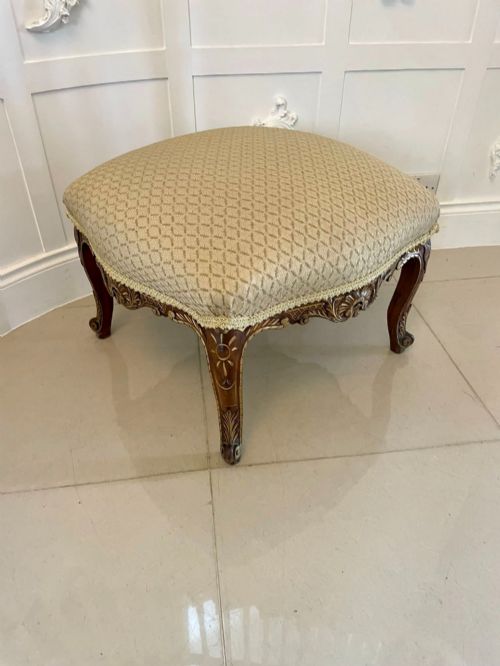
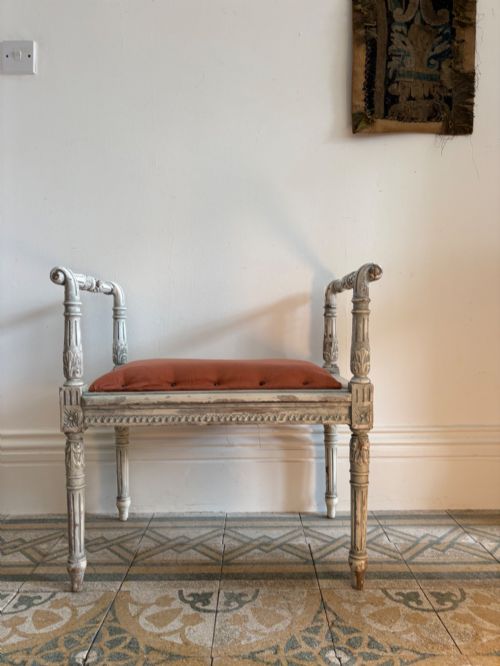
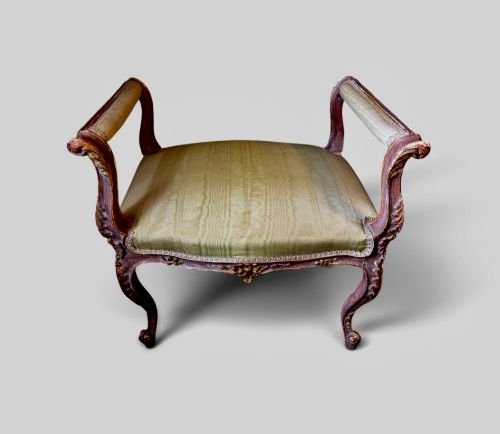
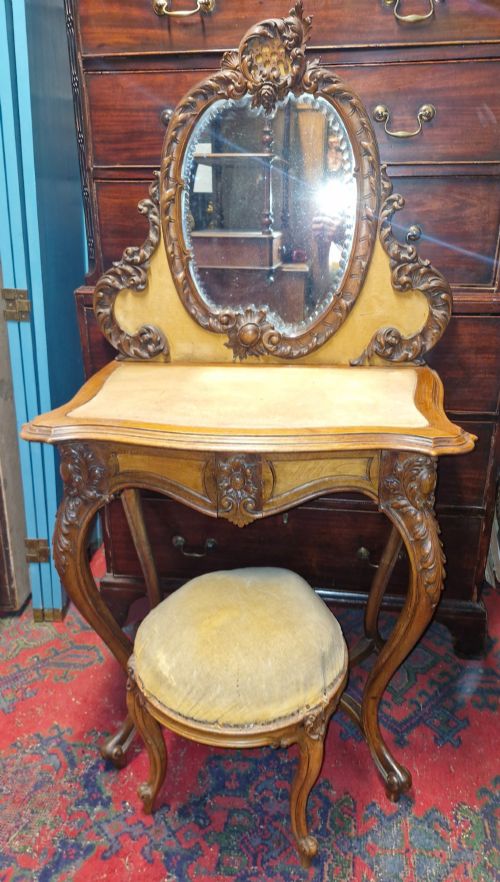
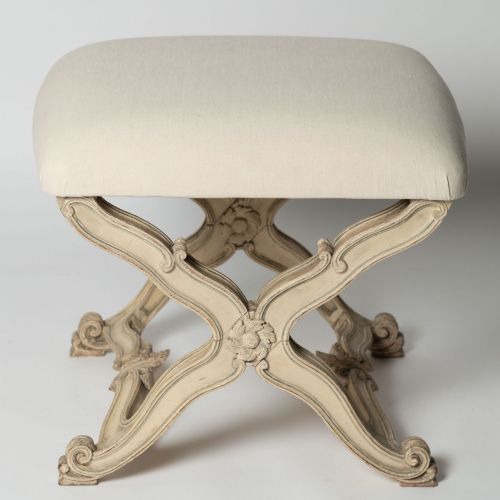
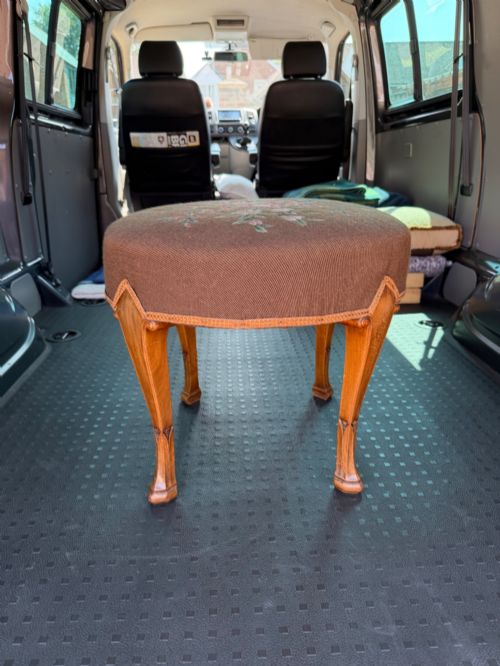
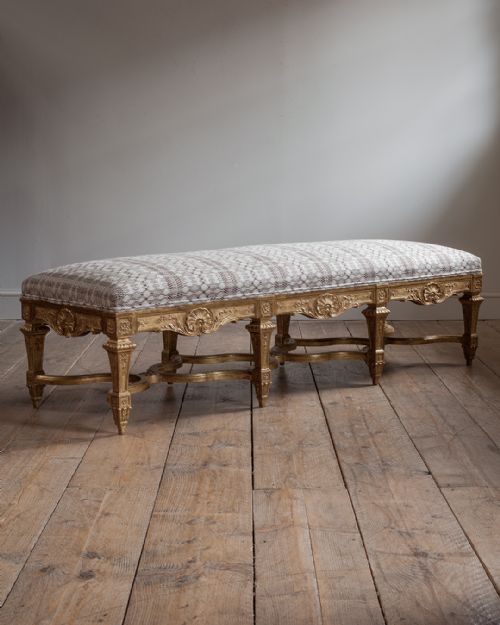
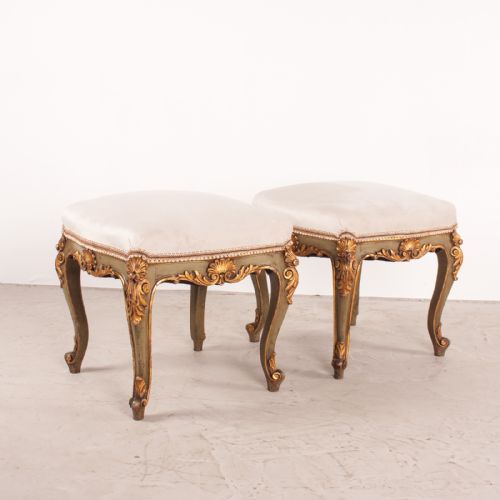
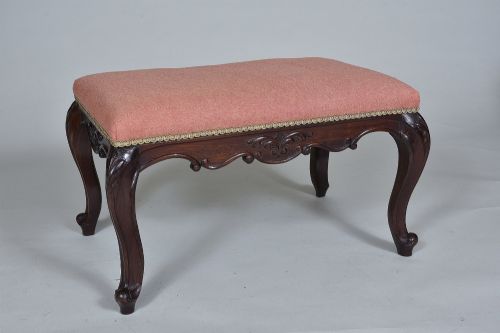
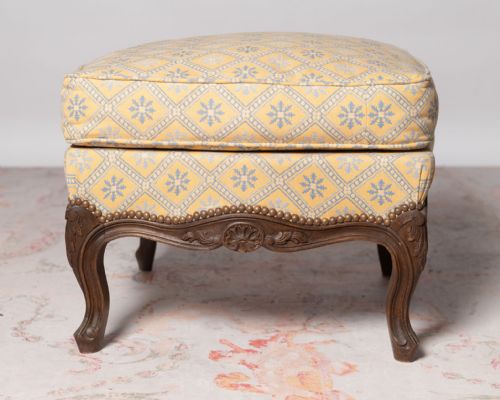
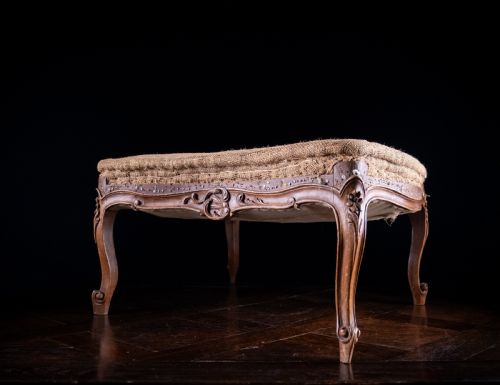
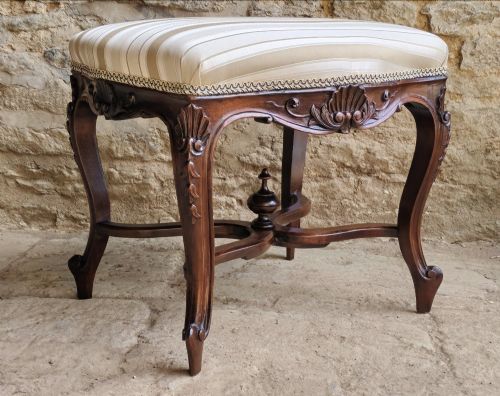
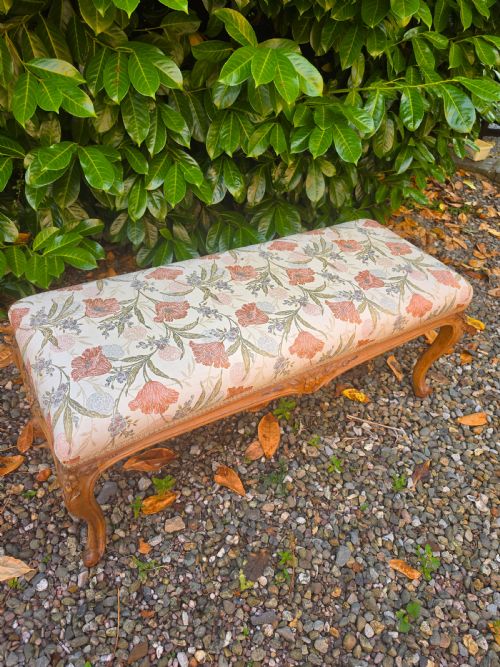
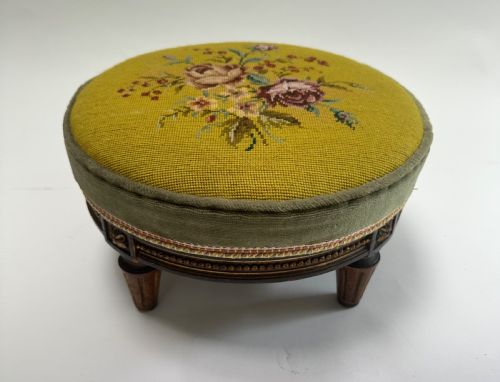
A french carved stool encompasses various seating forms, including low footstools, dressing table seats, piano stools, and long window benches originating from the nineteenth century and the early twentieth century. Many examples reflect continental stylistic influences such as the Louis XV and Louis XVI revivals, alongside Rococo and Neoclassical designs. Buyers frequently encounter walnut or giltwood frames paired with traditional textile coverings like velvet, silk, or needlework tapestry.
The selection ranges from small foot rests designed to accompany armchairs to substantial centre stools and pairs intended for grand salons or bedrooms. While many pieces originate directly from French workshops, related continental interpretations also appear within the listings. These versatile seats serve equally as functional footrests, low coffee tables, or decorative accents within traditional interiors.
Craftsmanship and Proportion
The distinction between standard examples and exceptional pieces rests upon the depth, sharpness, and fluidity of the hand-carved ornamentation across the wooden frame. Superior items exhibit crisply defined acanthus leaves, balanced cabriole supports, and substantial timber scantlings that ensure structural stability without clumsiness.
Proportion and originality also dictate standing, with workshop stamps, retaining original gilding, or preserving period upholstery adding notable historic interest. Pieces displaying harmonious symmetry and robust joinery command greater appreciation among collectors than later mass-produced alternatives.
The inventory records various functional forms including window benches, piano stools, footstools, and dressing table seats.
LOIDRAULT FRERES PARIS
The French Carved Stool Glossary
- Cabriole leg
- A furniture leg featuring a double curve, typically swelling outward at the knee and tapering inward toward the foot. This classic shape inspired antique seating design throughout the eighteenth and nineteenth centuries.
- Giltwood
- Timber that has been coated with a thin layer of gold leaf or gilt paint. This finish enhances decorative carved details on formal nineteenth century furniture.
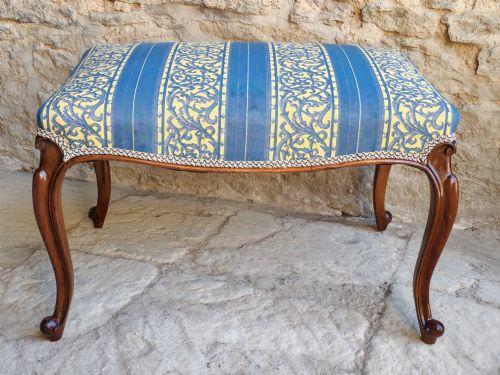
- Window seat
- An elongated stool or bench designed specifically to fit within a window recess. These pieces frequently feature upholstered tops and carved wooden frames.
- Needlework
- Hand-stitched textile work utilising wool or silk yarn on canvas. It appears frequently as period upholstery on historic footstools and dressing seats.
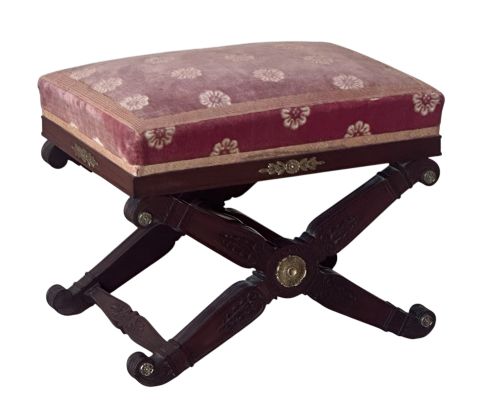
- X-frame stool
- A seating form supported by intersecting curved or straight legs forming an X shape. This ancient structural design experienced revivals during the neoclassical and empire periods.
French Carved Stool: Frequently Asked Questions
How were these stools originally used?
Original usage varied according to the specific form and height of the individual stool. Low models served primarily as footrests beside armchairs, while dressing table stools provided short-term seating in bedrooms.
Longer window seats and salon stools accommodated multiple sitters or functioned as surface tables for books and decorative objects. Their portable nature allowed owners to move them easily around formal drawing rooms.
How do I live with an antique stool?
Living with an antique stool involves placing the piece where light traffic preserves fragile textiles and historic wood finishes. Many owners utilise them as functional coffee tables, bed ends, or decorative seating in living spaces.
Maintenance requires gentle dusting of the carved wood and occasional professional cleaning for older upholstery fabrics. Modern interior schemes often blend these traditional wooden forms with contemporary furnishings to create textural contrast.
How do I identify different revival styles?
Identifying revival styles requires examining the specific motifs and structural lines carved into the wooden frame. Louis XV style pieces typically display asymmetrical curves, flowing floral carvings, and pronounced cabriole legs.
Neoclassical and Louis XVI examples feature straighter profiles, geometric fluting, and classical ornamentation such as ribbons or laurel leaves. Comparing these decorative elements against established historical periods helps determine the intended aesthetic of the maker.