




Rococo Walnut Footstool
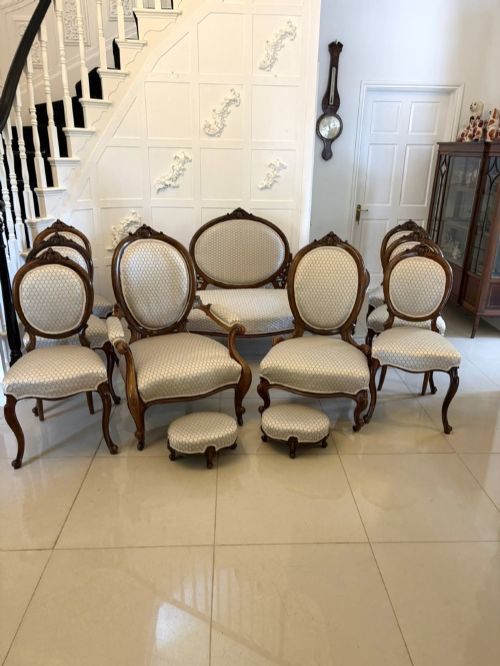
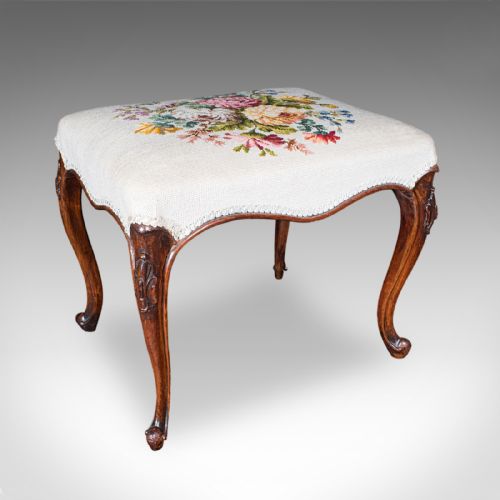
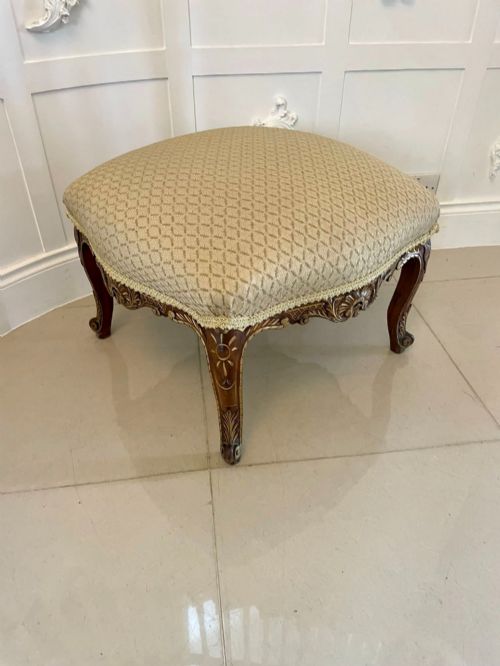
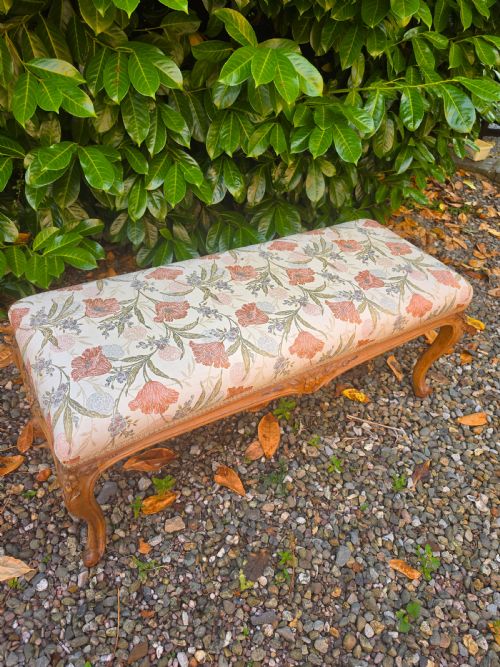
These rococo walnut footstool examples bring Victorian revival design into modern rooms with rich timber frames and plush textile tops.
Rococo Walnut Footstool
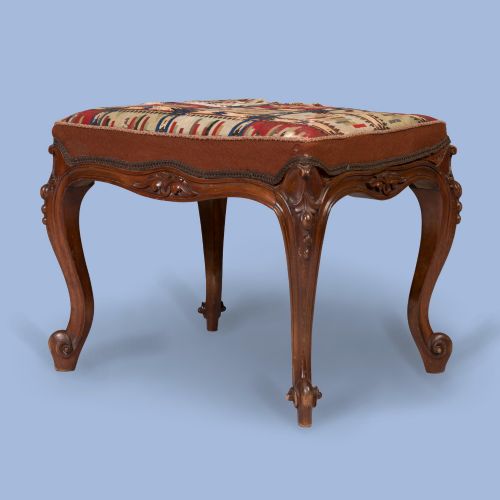
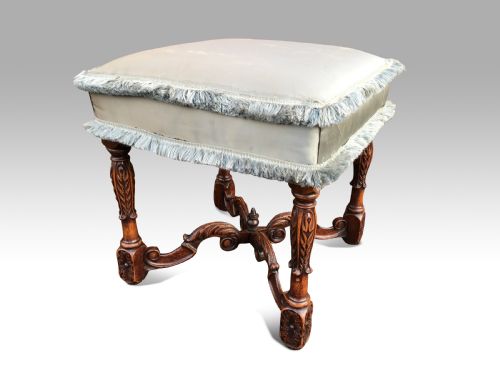
A rococo walnut footstool is a low seating piece typically framed in rich timber and upholstered in varied textiles, emerging predominantly during the Victorian era and the broader nineteenth century. These forms encompass salon stools, dressing stools, and fireside footstools designed for comfort and decorative display within period interiors.
The versions most commonly met on this page date from the mid to late nineteenth century, displaying the characteristic curves and ornamental carving of the Rococo Revival and Louis XV styles. Makers of the period produced both freestanding centre stools and paired seating, utilising sturdy hardwood frames shaped with cabriole legs.
Buyers encounter rectangular salon pieces alongside smaller fireside variants, all sharing the foundational combination of walnut frames and textured upholstery such as tapestry, velvet, wool, and needlepoint. These furnishings reflect historical revivalism, channelling eighteenth-century French aesthetics through nineteenth-century British and continental craftsmanship.
How they were made
Makers shaped these frames from solid walnut and occasional hardwood, employing hand-carving techniques to achieve the fluid, undulating lines characteristic of the Rococo Revival style. Cabriole legs and decorative framing members were formed and joined before receiving surface finishes, which occasionally incorporated giltwood highlights.
Upholstery formed a central component of construction, securing textiles like velvet, wool, tapestry, and needlepoint over padded foundations. Traditional stuffing and webbing methods supported the fabric tops, creating durable surfaces intended for daily domestic use in Victorian parlours and dressing rooms.
Rococo Walnut Footstool Retail Price Guide 2026
Typical asking prices for rococo walnut footstool among the pieces listed under this phrase on Sellingantiques today, from the lower quarter to the upper quarter. They describe what is for sale here now, not the wider market.
The selection spans compact fireside stools and larger salon seating originating from Victorian and French revival periods.
What varies in quality
The depth and crispness of the hand-carving on the walnut frame set exceptional examples apart from simpler production, distinguishing pieces with spirited organic motifs from those with flat or mechanical execution. Superior joinery ensures structural rigidity across the cabriole legs and frame corners without relying on modern reinforcements.
The selection and preservation of the upper textile, whether needlepoint, velvet, or tapestry, contribute significantly to the overall merit of a piece. Original or period-appropriate upholstery materials that retain their texture and integrate harmoniously with the carved wooden chassis elevate the standing of the stool.
The Rococo Walnut Footstool Glossary
- Cabriole leg
- A furniture leg that curves outward and then tapers inward to a foot, mimicking animal limbs. This form is central to rococo walnut footstool designs from the nineteenth century.
- Needlepoint
- A type of canvas work embroidery executed with yarn, frequently seen on Victorian stool upholstery. It provides durable decorative surfaces with intricate pictorial or floral patterns.
- Giltwood
- Wood that has been coated with a thin layer of gold leaf or powder. Artisans applied this finish selectively to highlight carved details on walnut frames.
- Salon stool
- A movable seat intended for entertaining rooms rather than bedrooms or firesides. These pieces typically display more elaborate carving and larger proportions.
Rococo Walnut Footstool: Frequently Asked Questions
What is a rococo walnut footstool used for?
These pieces served multiple domestic functions in nineteenth-century interiors, functioning as low supports for resting feet by the fireside or as portable seating in drawing rooms and dressing areas.
Their compact dimensions allowed them to be moved easily around a room to accommodate guests or provide comfortable support next to armchairs and dressing tables.
How do I date a Victorian walnut stool?
Dating relies on examining the construction methods, timber selection, and stylistic cues present in the carved walnut frame. Mid-century examples often feature robust cabriole legs and distinct nineteenth-century revival motifs.
Comparing the upholstery style and joining techniques with documented pieces from the eighteen-fifties through the end of the century helps establish a reliable timeframe.
Are these stools sturdy enough for daily use?
The solid walnut and hardwood construction provides a strong structural foundation capable of handling regular seating and footrest duties. Traditional joinery techniques ensure the frame remains stable under normal weight loads.
Maintaining the piece involves checking the joints periodically and protecting the textile upholstery from excessive wear and direct sunlight.
What distinguishes French rococo from Victorian revival pieces?
French rococo and Louis XV revival pieces often exhibit lighter carved ornamentation and specific continental proportions compared to their heavier British Victorian counterparts. The carving tends to follow organic scrollwork with pronounced asymmetry.
British makers adapted these continental forms to suit local domestic tastes, resulting in sturdier frames while retaining the characteristic cabriole leg and curved silhouette.