

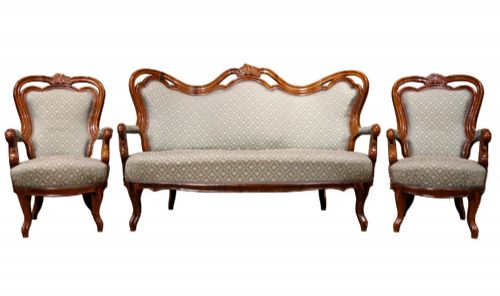
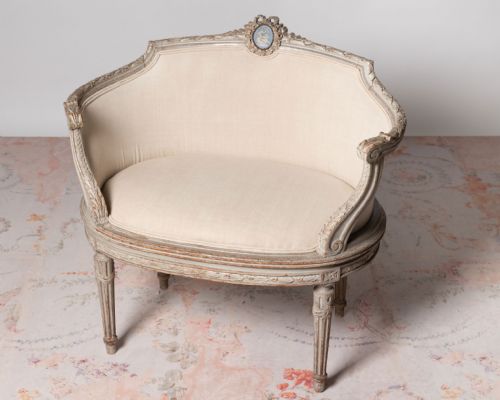

French Carved Settee
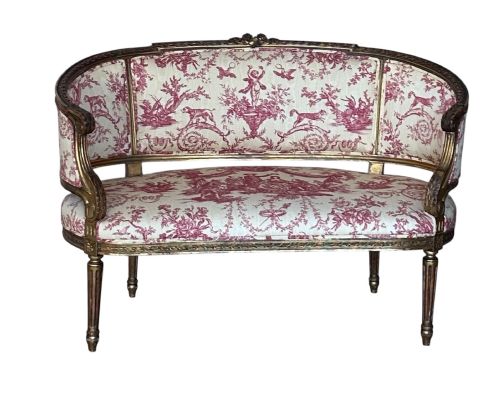
A french carved settee brings formal nineteenth-century seating into a modern interior, offering a carved wooden frame and upholstered or caned seat for a salon or drawing room.
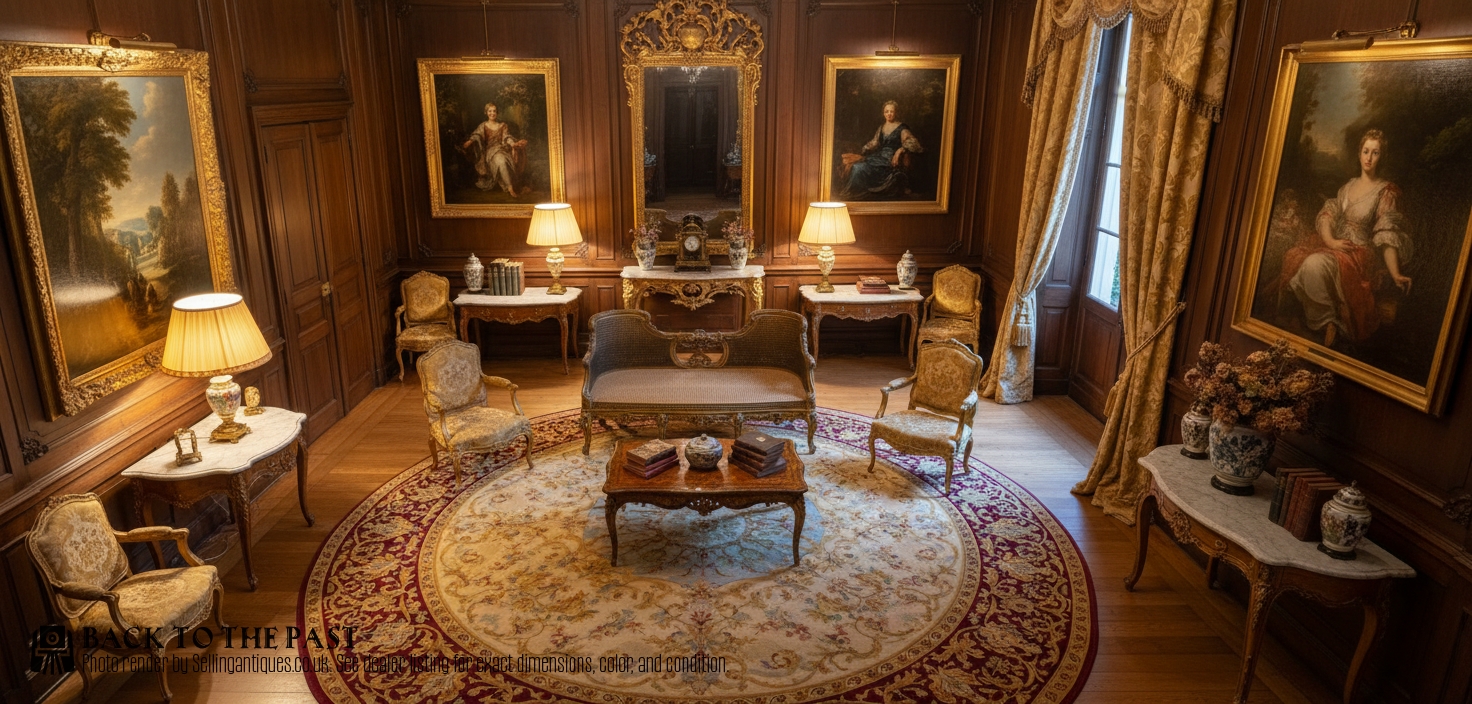
French Carved Settee
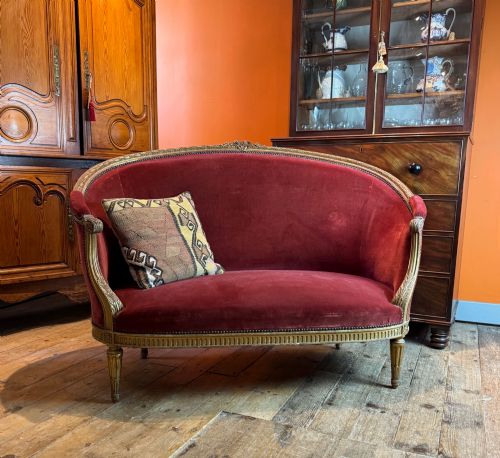
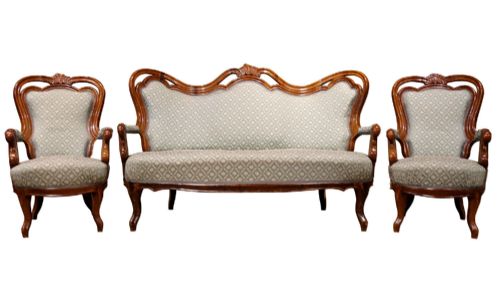
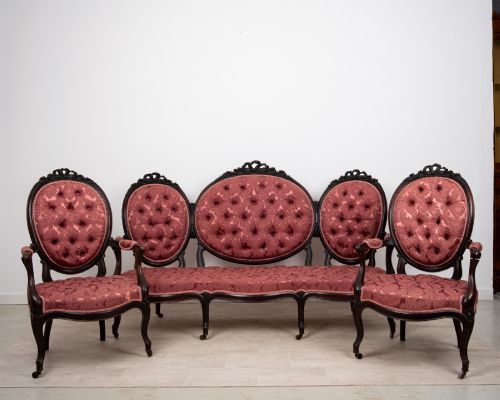
A french carved settee is an upholstered or caned seat designed for multiple occupants, emerging primarily from nineteenth-century workshops and drawing inspiration from earlier court styles. These pieces range from intimate two-seat couches to larger salon suites complete with matching armchairs, reflecting the decorative tastes of the period.
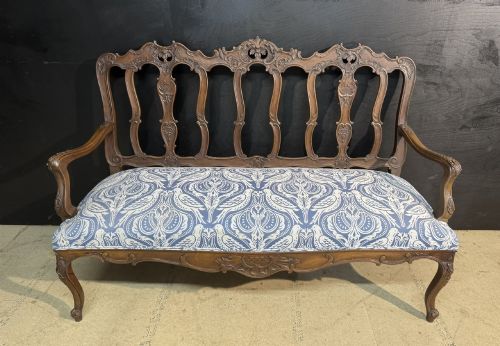
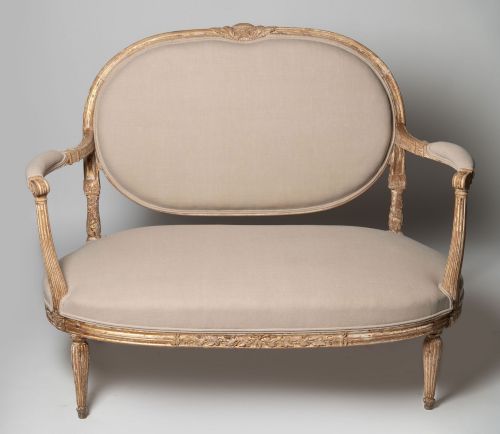
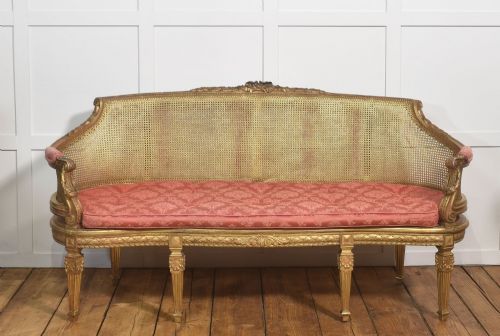
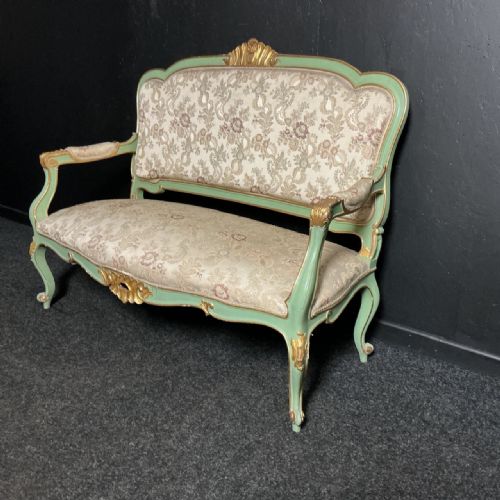
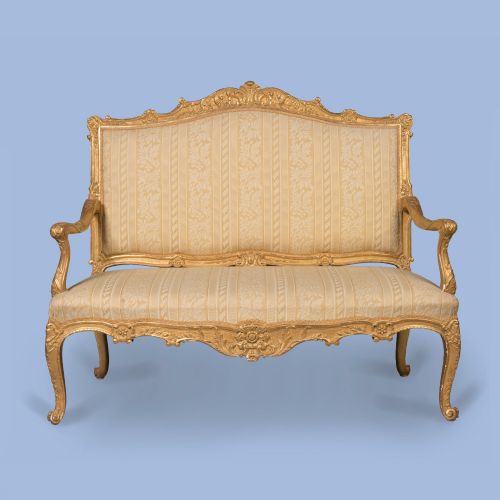
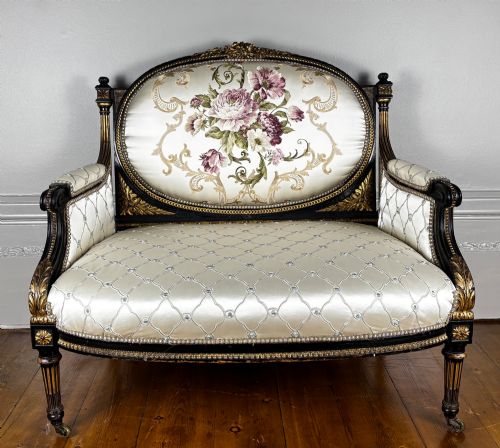
The most common examples on this page follow Louis XV and Louis XVI design idioms, executed in walnut, beech, or gilded wood with curved or straight structural lines. Makers constructed these settees for formal entertaining and domestic comfort, combining exposed timber carvings with padded seating elements.
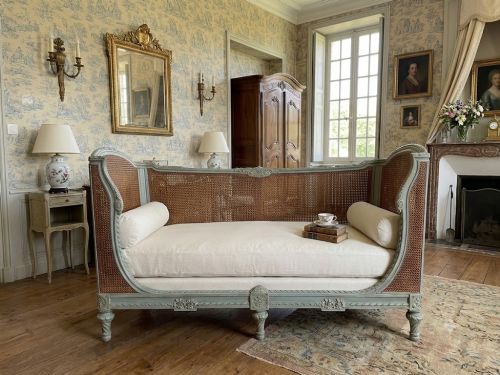
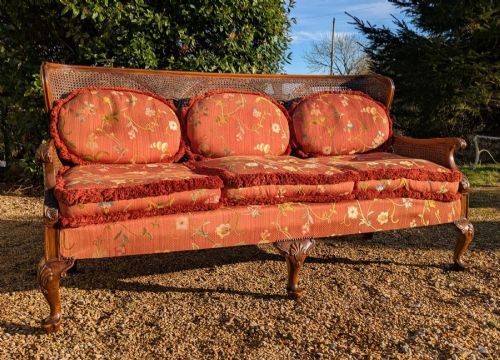
Regional variations span walnut frames from nineteenth-century France alongside Victorian interpretations incorporating mahogany and deep buttoned upholstery. Buyers encounter both painted finishes and exposed grain surfaces, often accompanied by cane panels or silk, velvet, and linen coverings.
How They Were Made
Craftsmen shaped solid hardwoods such as walnut, beech, and mahogany into curvilinear or rectilinear frames using traditional joinery before applying hand-carved decorative motifs. Giltwood examples received thin layers of gold leaf over preparation gesso, while painted versions used layered pigments on wood bases.
Upholstery techniques relied on webbing, springs, and stuffing materials like feather cushions or horsehair, secured beneath top fabrics of velvet, silk, linen, or leather. Caned settees utilised woven rattan panels fitted tightly into channeled wooden framework for light, resilient backrests and seats.
Several pieces arrive under cheerful nineteenth-century pseudonyms like love seats and boudoir couches, built specifically for whispered hallway conversations.
What Varies in Quality
The depth and crispness of the hand-carved wood ornamentation define the upper tier of these settees, where floral motifs and scrollwork exhibit sharp undercut details rather than soft, mechanical shaping. Superior framing utilises dense hardwoods with robust joinery that withstands centuries of weight without structural wobble.
Upholstery standardisation and material selection further separate tiers, distinguishing hand-stitched horsehair or feather fillings beneath silk and velvet from basic modern replacements. Original gilding and intact period cane panels command higher regard than stripped timber or later re-paintings.
The French Carved Settee Glossary
- Canapé
- An upholstered sofa or settee with a wooden frame, characteristic of French seating furniture from the eighteenth and nineteenth centuries.
- Giltwood
- Timber coated with gold leaf or powder over a prepared gesso ground, creating a bright metallic finish popular in formal salon pieces.
- Bergère
- An enclosed armchair or sofa with upholstered sides and a padded back, often featuring cane panels and loose seat cushions.
- Corbeille
- A curved, basket-like furniture shape where the backrest sweeps continuously into the armrests.
- Salon Suite
- A matched set of seating furniture comprising a settee and matching armchairs designed for a formal drawing room.
French Carved Settee: Frequently Asked Questions
How do I date a french carved settee?
Dating relies on examining the timber species, joinery methods, and stylistic cues such as cabriole legs or fluted neoclassical supports. Nineteenth-century pieces often blend revival aesthetics with machine-assisted or hand-cut joinery that distinguishes them from earlier originals.
Secondary indicators include the wear on gilt or painted surfaces, the type of secondary woods used internally, and upholstery tack styles. Comparing these details against known nineteenth-century production traits clarifies the approximate decade of manufacture.
Are these settees comfortable for daily use?
Many examples provide upright, formal support rather than deep lounging comfort, reflecting the social habits of nineteenth-century drawing rooms. Pieces equipped with feather cushions or sprung upholstery offer a softer sit compared to rigid cane-backed variants.
Buyers planning regular daily sitting often verify the internal webbing and padding condition, as historical interiors frequently require professional reupholstery to meet modern comfort expectations while preserving the historic frame.
Can I fit a settee in a small room?
Compact two-seat models, boudoir settees, and narrow daybeds function well in restricted spaces without overwhelming the surrounding floor plan. Measuring the overall length and arm width ensures the piece clears doorways and sits comfortably against modest wall lengths.
Open-frame designs featuring cane panels create a lighter visual footprint than heavily upholstered Victorian couches, allowing light to pass through and making smaller rooms feel less congested.