

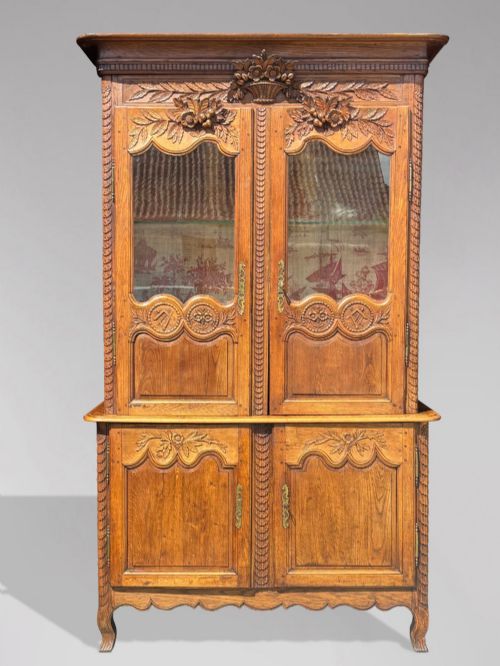

French Carved Oak Cabinet
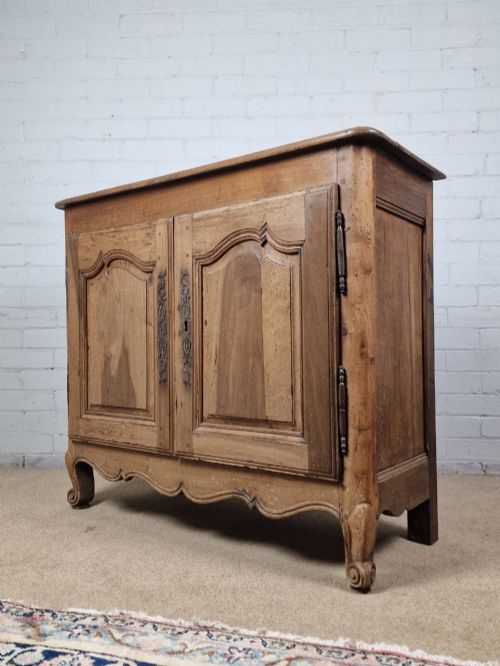
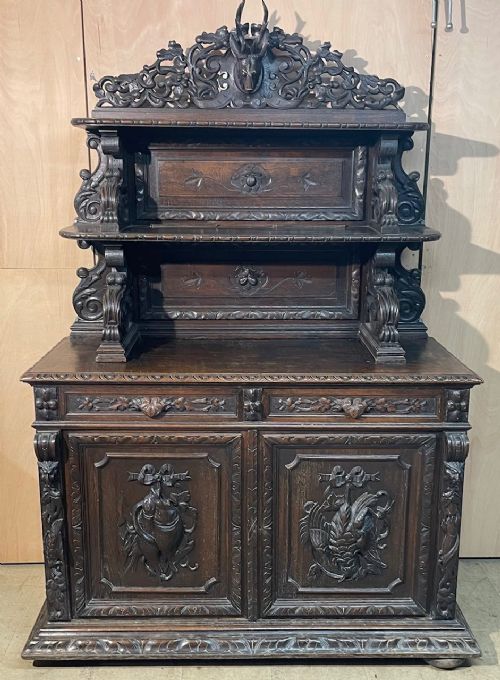
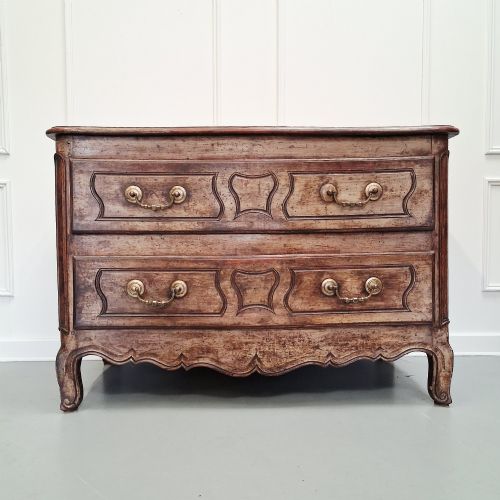
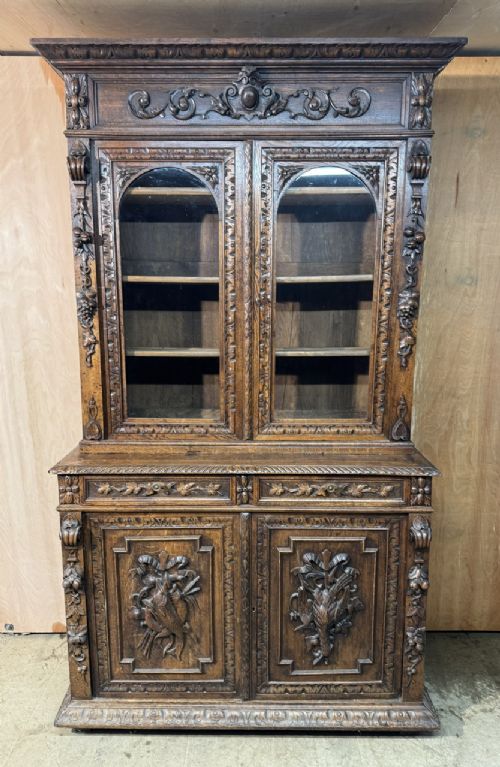
When you search for a french carved oak cabinet, you find substantial storage pieces built for provincial homes, hunting lodges and chateaux.
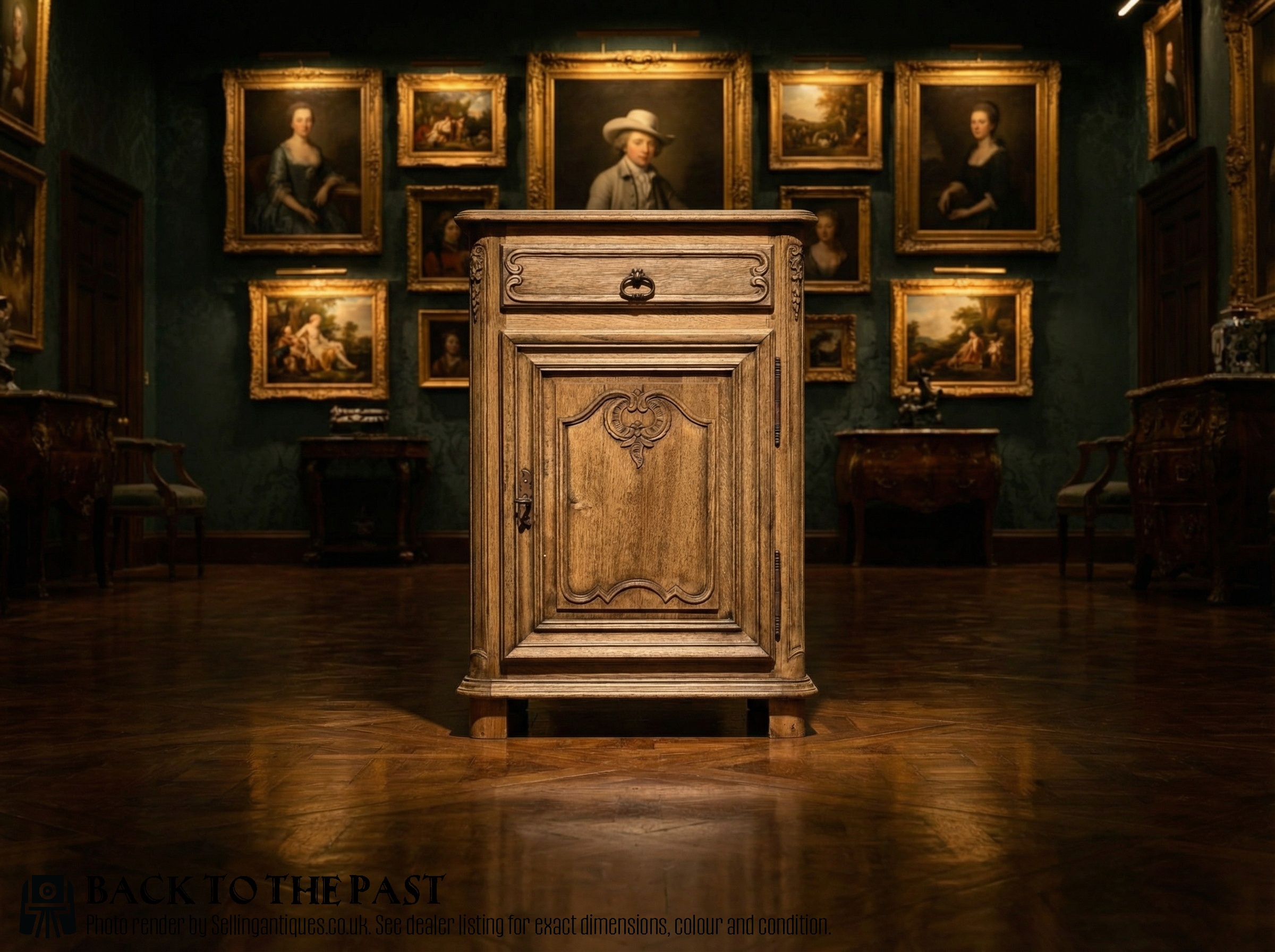
French Carved Oak Cabinet
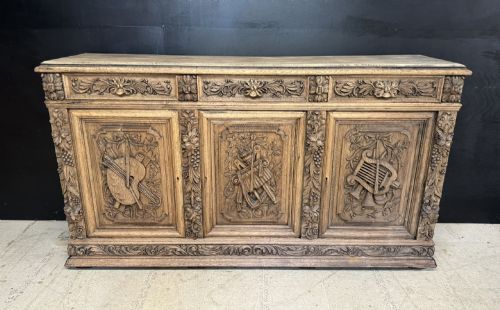
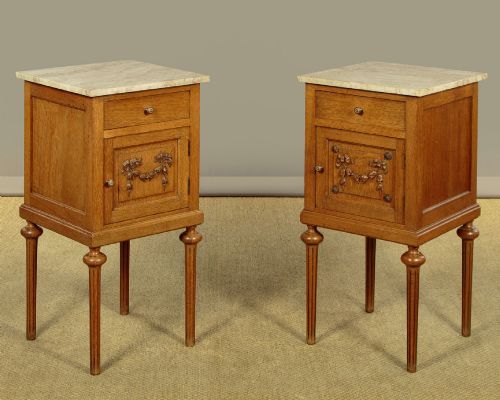
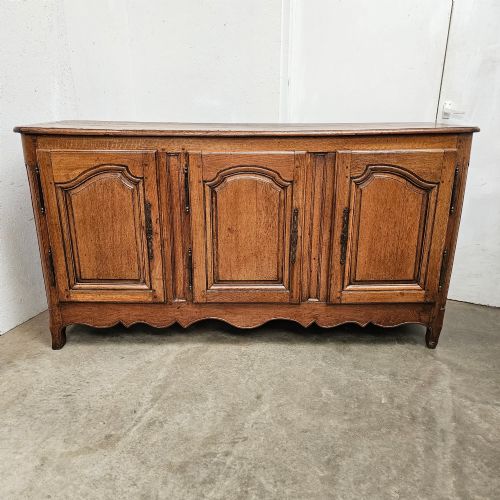
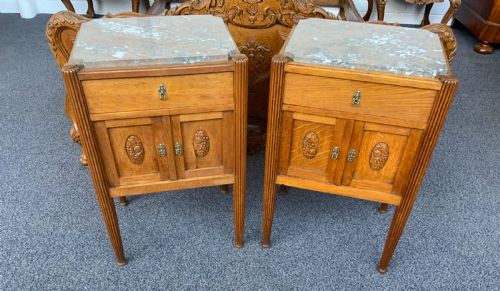
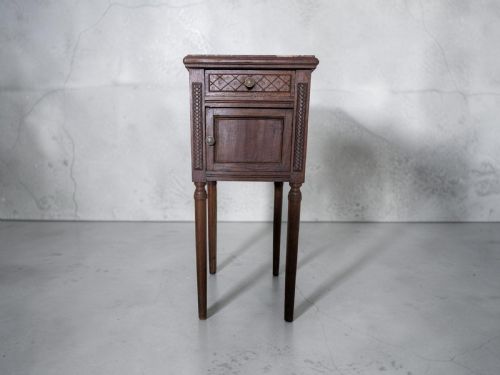
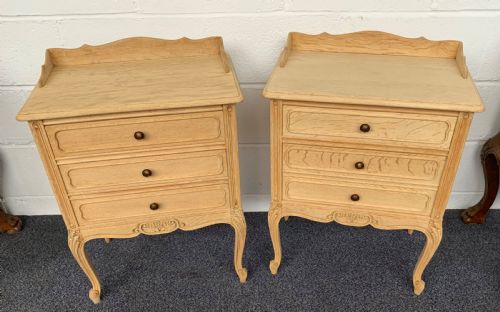
A french carved oak cabinet encompasses a wide range of storage furniture, from small bedside tables and compact cupboards to grand sideboards, buffets and tall armoires. You are most likely to encounter smaller bedside units alongside substantial dining room enfilades and sideboards on this page.
The objects span multiple centuries, reflecting regional workshops and shifting tastes from provincial rustic styles to formal revival periods. Regional pieces often display local functional adaptations, such as game cupboards or housekeeper's storage.
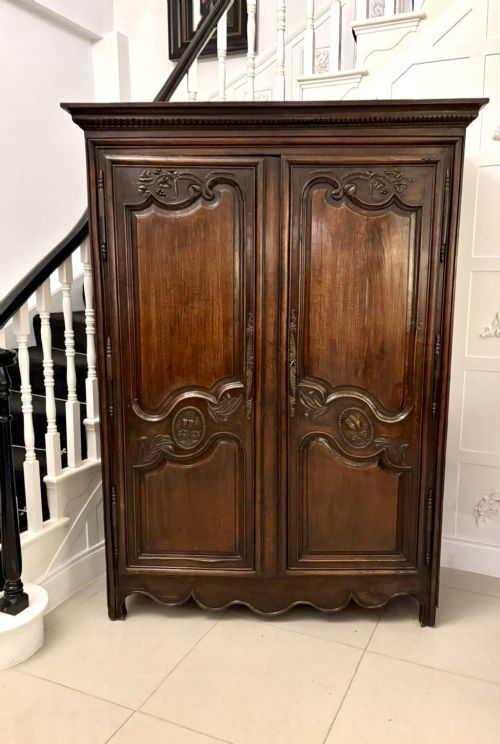
Early examples date back centuries, while later pieces adopt the geometric lines of the Art Deco era or the ornate curves of Louis XV design. This diversity means buyers choose between rustic charm, ecclesiastical Gothic Revival, and sleek mid-century forms.
Distinguishing quality
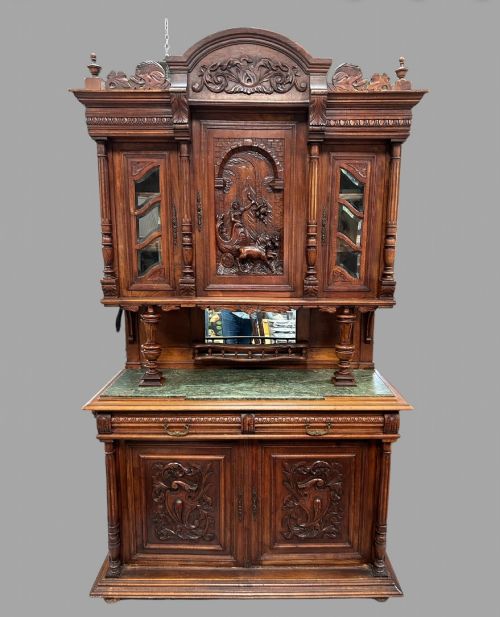
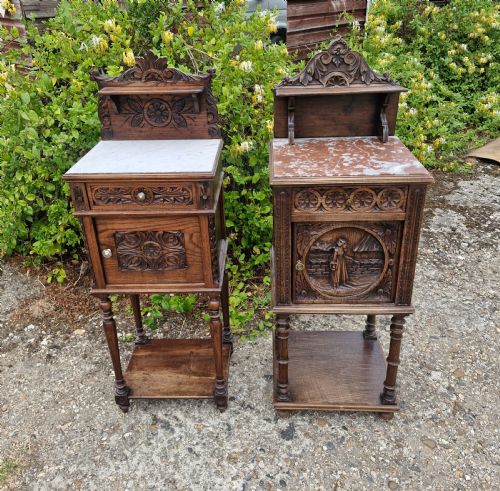
The depth, crispness and ambition of the hand carving separate standard provincial work from exceptional workshop output. Relief scenes featuring game, floral motifs or geometric parquetry require considerable skill to execute cleanly.
Proportion and the integration of secondary elements like marble inserts or original hardware dictate the visual success of a piece. Well-balanced proportions and untouched patination indicate superior original design and careful preservation.
Listings feature periods spanning from the sixteenth century through the Art Deco era.
Charles Dudouyt
The French Carved Oak Cabinet Glossary
- Enfilade
- A long sideboard or buffet featuring multiple doors in a continuous line. These large storage pieces typically anchor formal dining rooms.
- Buffet deux corps
- A two-part storage cabinet consisting of a lower buffet section supporting a smaller upper cupboard. This traditional form offers generous display and concealed storage space.
- Parquetry
- Geometric wood inlay work arranged in patterns on table or cabinet tops. Artisans use contrasting wood tones to create decorative surface designs.
- Vitrine
- A glass-fronted display cabinet designed to showcase porcelain, glassware or precious objects. These pieces protect delicate items while offering clear visibility.
- Armoire
- A tall freestanding wardrobe or cupboard used for hanging clothes or storing linens. Grand examples feature heavy panel doors and intricate crown moulding.
French Carved Oak Cabinet: Frequently Asked Questions
Where were these cabinets used?
These storage pieces served various rooms across French homes, ranging from rural farmhouses to urban apartments. Smaller cupboards functioned beside beds, while massive sideboards and armoires anchored dining rooms and kitchens.
Provincial houses relied on these robust units for everyday provisions, linens and tableware. Larger monumental pieces often reflected the wealth and social standing of the original household.
How do I care for oak furniture?
Solid oak requires stable indoor humidity levels to prevent the timber from splitting or warping over seasonal changes. Regular dusting with a soft cloth keeps the surface clean without stripping the historic patina.
Avoid placing these cabinets near direct heat sources or in prolonged direct sunlight. Natural wax can be applied occasionally to nourish the antique grain and protect the finish.
How do I date an antique cabinet?
Dating relies on observing construction joints, hardware types, tool marks and stylistic decorative motifs. Hand-cut dovetails and forged iron hinges usually indicate earlier manufacture periods.
Comparing the decorative vocabulary against established periods like Louis XV, Gothic Revival or Art Deco provides a reliable chronological anchor. Regional variations can also help narrow down the specific decade of production.
Are these pieces suitable for modern homes?
These cabinets adapt well to contemporary interiors by providing functional storage alongside strong architectural character. Their natural timber tones and textured surfaces introduce warmth and historical contrast to minimalist spaces.
Smaller bedside tables and cabinets fit easily into modern bedrooms or hallways. Larger sideboards and armoires work effectively as focal points in spacious living areas.