
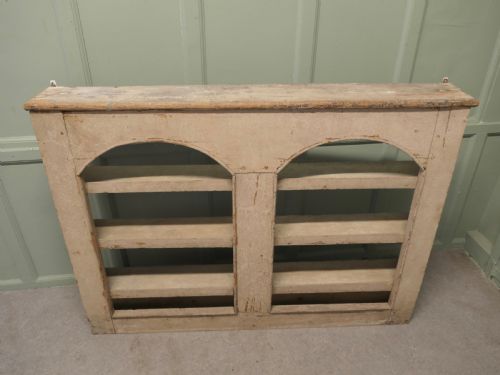


French Provincial Storage Unit
A french provincial storage unit brings honest regional craftsmanship and substantial timber into a room, offering practical storage with genuine period character.
French Provincial Storage Unit
A french provincial storage unit encompasses robust storage furniture built in the regions outside Paris, dating from the eighteenth century through to the early twentieth century. These pieces include cupboards, cabinets, armoires, larder cupboards, dressers, hutches, chests of drawers, and bookcases.
The versions most commonly met on this page span from eighteenth-century oak and walnut designs to nineteenth-century pine, cherry wood, and mahogany examples. Buyers find specialised regional forms such as the Normandie larder cupboard, buffet vaisselier, and shelved alcove cupboards alongside banks of drapers drawers and filing cabinets.
How they were made
Construction relies heavily on regional hardwoods and softwoods, predominantly oak, pine, cherry wood, walnut, and mahogany, chosen for strength and availability. Iron and brass hardware such as hinges and handles secure the heavy doors and drawers.
Surfaces receive various traditional finishes, ranging from distemper paint and original painted wood to bleached oak and polished mahogany or palisander. Selected pieces incorporate practical elements like glass panels and faux marble tops.
Old provincial workshop dust still settles quietly inside forgotten larder cupboard corners.
What varies in quality
Quality rests on the integrity of the regional timber and the preservation of original surface treatments, whether aged paint, distemper, or polished wood. Pieces that retain their authentic hardware and honest structural joinery stand apart from heavily restored examples.
The sophistication of regional carving and the proportion of the architectural form define the upper tier of these storage pieces. Simpler utility items, such as pine alcove cupboards or drapers drawers, are judged by the crispness of their utilitarian construction rather than decorative flourishes.
The French Provincial Storage Unit Glossary
- Armoire
- A large freestanding wardrobe or cupboard with doors, used originally for storing clothes and textiles. These tall storage units often feature single or double door configurations.
- Buffet vaisselier
- A traditional two-part regional storage piece consisting of a lower buffet cabinet topped by open or enclosed shelving for displaying crockery. This form represents classic provincial dining room furniture.
- Cartonnier
- A specialised filing cabinet or storage unit designed to hold loose papers, documents, and records, often finished with leather accents.
- Distemper paint
- A water-based paint mixture utilising binders like size or glue, frequently found on early regional furniture surfaces. It provides a matte finish that mellows distinctively over centuries.
- Palisander
- A dense, dark exotic hardwood prized for its rich grain patterns and used on high-status nineteenth-century case furniture.
French Provincial Storage Unit: Frequently Asked Questions
How were these cupboards used historically?
They served essential domestic functions in provincial homes, storing provisions, household linens, tableware, and clothing.
Larger pieces like larder cupboards and dressers organised food and kitchenware, while smaller chests managed personal belongings.
How do I date an 18th century piece?
Dating relies on construction methods, timber selection, and regional design traits typical of the eighteenth century, such as hand-cut joinery.
Early pieces often feature heavy oak or walnut construction with pegged joints rather than modern fasteners.
How do I care for antique wood furniture?
Maintain these pieces by keeping them away from direct heat sources and sudden humidity changes to prevent timber splitting.
Apply traditional wax sparingly to nourish dry wood surfaces and preserve the natural patina over time.