


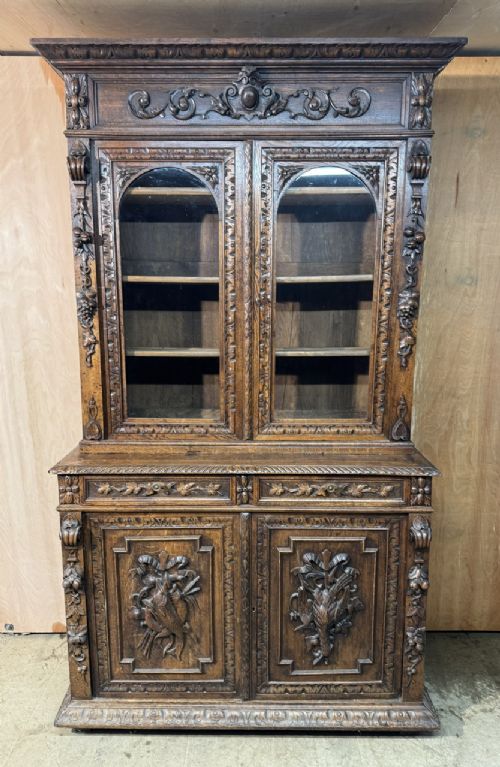
Dark Brown Oak Cabinet
These pieces of dark brown oak cabinet offer robust storage across centuries of design, bringing solid construction and rich grain to any room.
Dark Brown Oak Cabinet
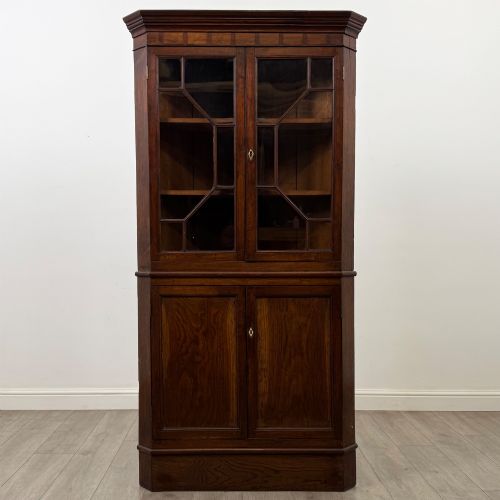
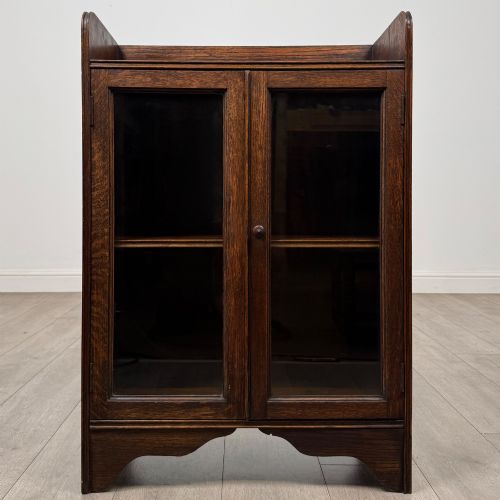
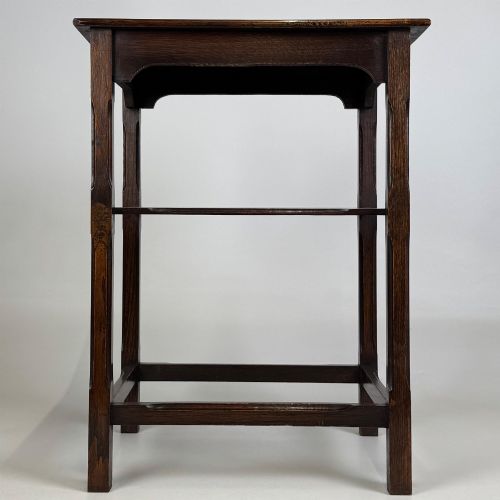
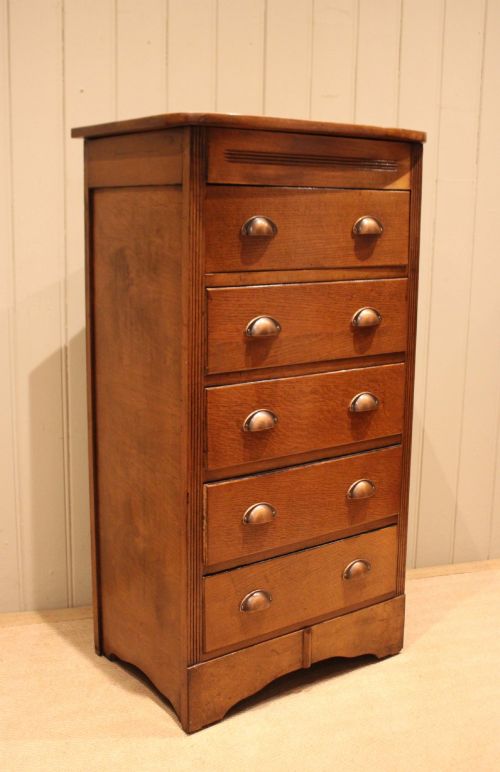
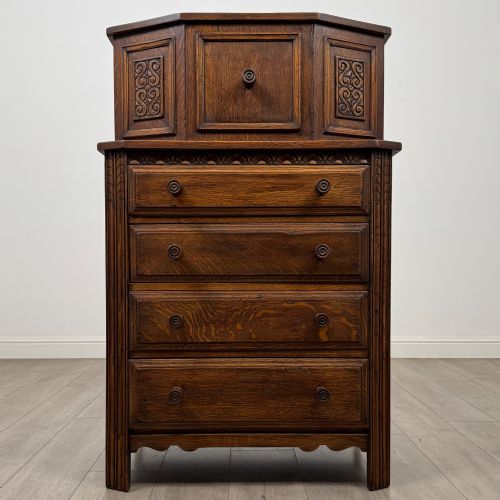
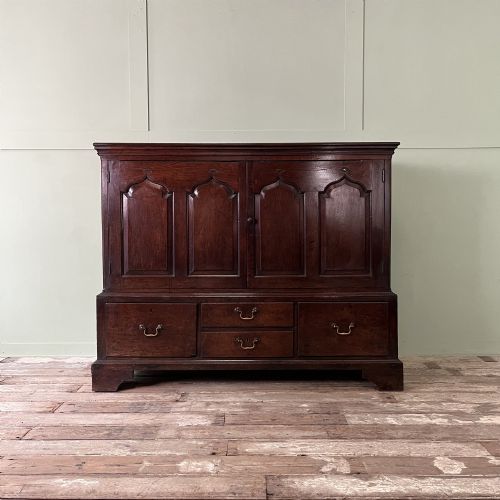
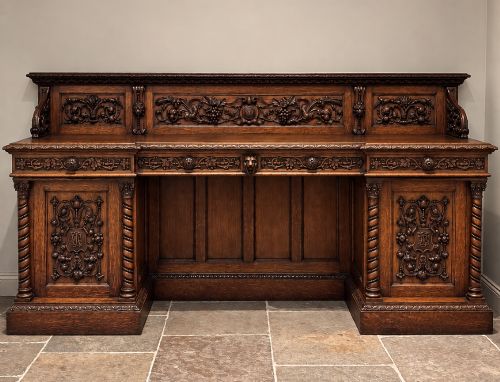
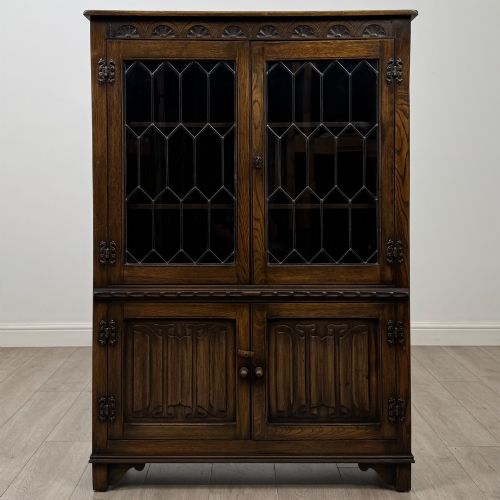
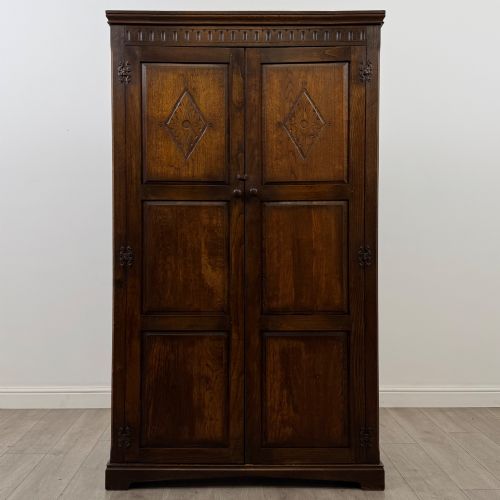
A dark brown oak cabinet covers a vast range of functional furniture forms, from tall bookcases and display units to sideboards, chests of drawers, and compact spice cupboards. Buyers seeking this search phrase encounter pieces spanning several eras, notably the Edwardian period, Victorian epoch, 18th Century, and Georgian times.
The assortment on this page leans heavily toward Edwardian examples alongside 18th Century and Victorian items. Forms vary from simple bedside cupboards and wall-hanging units to substantial court cupboards, bureau bookcases, and linen presses.
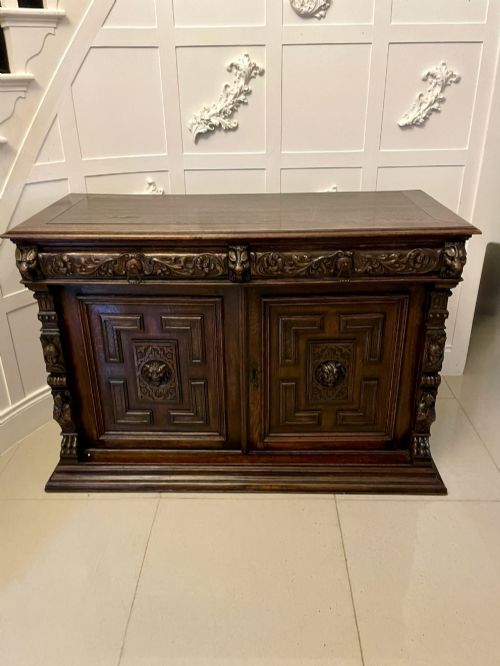
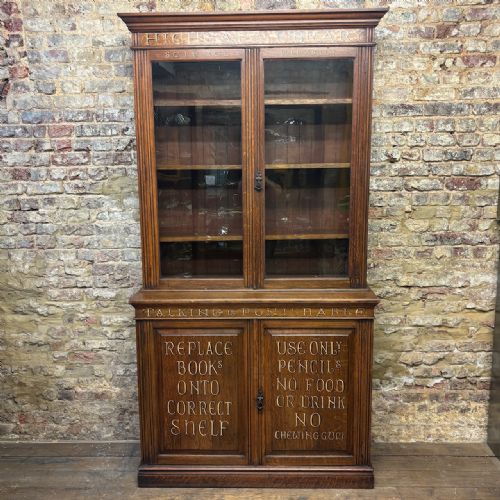
Stylistic influences range from plain utilitarian school library bookcases to highly decorative Jacobean Revival, Tudor Revival, Gothic Revival, and Art Deco designs. Each type serves a distinct storage purpose while displaying the characteristic dark tones of mature oak timber.
Distinctions in craftsmanship and design
The calibre of a dark brown oak cabinet rests on the depth of hand-carving and the harmony of its proportions. Pieces featuring intricate linenfold panels, figural carvings, or architectural elements like stepped interiors demonstrate superior joinery and design ambition.
The selection of the oak timber itself dictates the visual impact, with quarter-sawn boards exhibiting pronounced medullary rays. Superior examples maintain original hardware, integrated shelving, and stable structural frames across centuries of domestic use.
Dark Brown Oak Cabinet Retail Price Guide 2026
Typical asking prices for dark brown oak cabinet among the pieces listed under this phrase on Sellingantiques today, from the lower quarter to the upper quarter. They describe what is for sale here now, not the wider market.
Materials paired with oak include brass, glass, iron, wrought iron, lead, and marble across various forms.
The Dark Brown Oak Cabinet Glossary
- Court cupboard
- A traditional type of heavy sideboard or storage cabinet featuring enclosed cupboards, popular in earlier centuries. These pieces often display elaborate carved detailing and sturdy framing.
- Linenfold
- A style of wood carving that mimics folded linen cloth, frequently seen on panelled cabinet doors. This decorative technique adds texture and historical character to the timber surface.
- Bureau bookcase
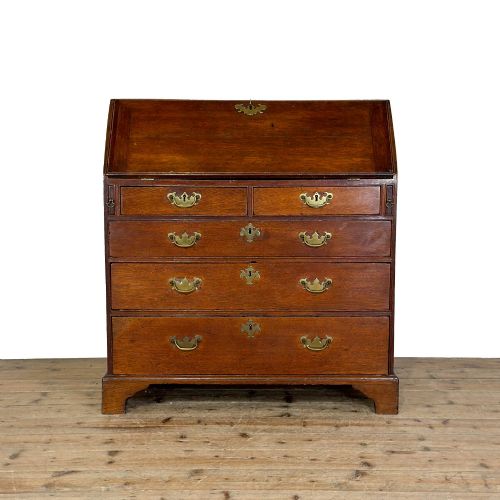
- A dual-purpose piece combining a sloping writing flap over drawers with shelving above for books. The interior often contains small pigeonholes and stepped compartments.
- Medullary rays
- Natural ribbon-like flecks in oak timber that become visible when the log is quarter-sawn. These markings indicate high-quality milling and add distinctive visual depth to the grain.
- Cames
- Slender strips of lead used to hold small panes of glass together in leaded cabinet doors. They provide both structural support and a decorative grid pattern.
Dark Brown Oak Cabinet: Frequently Asked Questions
How do I care for a dark brown oak cabinet?
Keep the timber away from direct heat sources and strong sunlight to prevent the oak from drying out or splitting over time. Apply a traditional wax polish occasionally to nourish the wood and maintain its rich dark lustre.
Dust the surface regularly with a soft, dry cloth rather than using chemical sprays. Gentle maintenance preserves both the finish and the integrity of any antique hardware.
Where should I place a dark brown oak cabinet?
These substantial pieces suit living rooms, studies, and dining areas where they can anchor the interior scheme. Bookcases and display cabinets work well against neutral walls that highlight the dark wood tones.
Ensure the floor is level, particularly with older pieces featuring bun feet or heavy panelled bases. Adequate clearance allows doors and drawers to operate smoothly without binding.
How do I identify an 18th century oak cabinet?
Examine the construction methods visible inside and underneath, looking for hand-cut joints, pegged tenons, and irregular board widths. Older timber often shows signs of hand-planing and natural oxidation over centuries.
Hardware placement and lock mechanisms also offer clues to the period, though many pieces underwent repairs or handle replacements during their working life.