
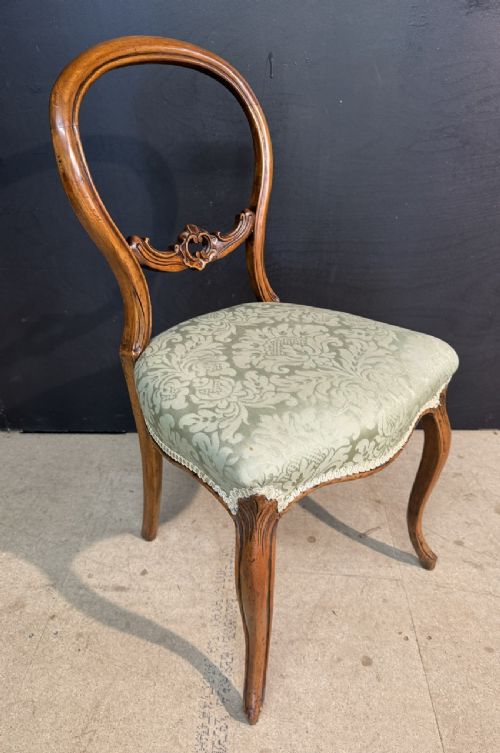
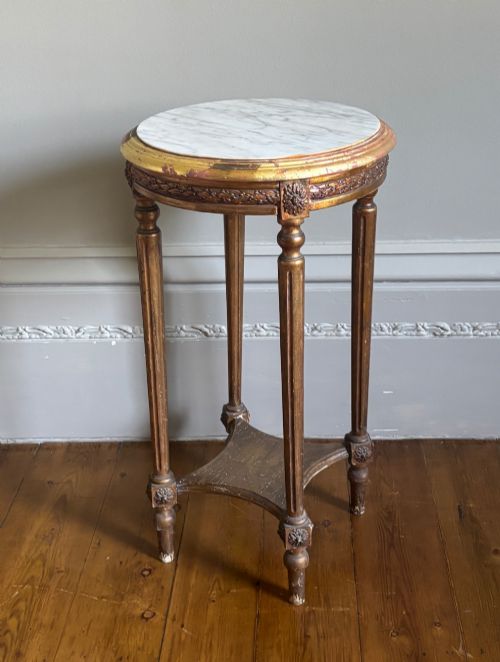
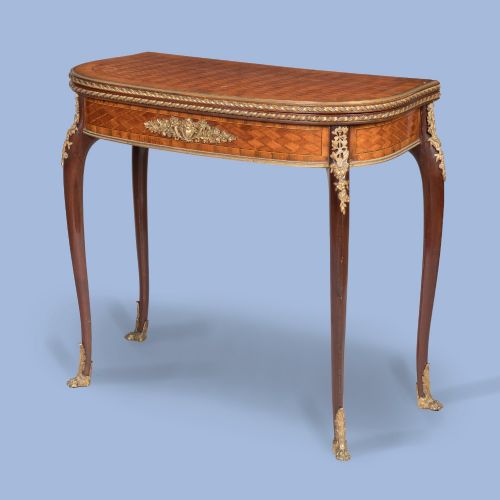
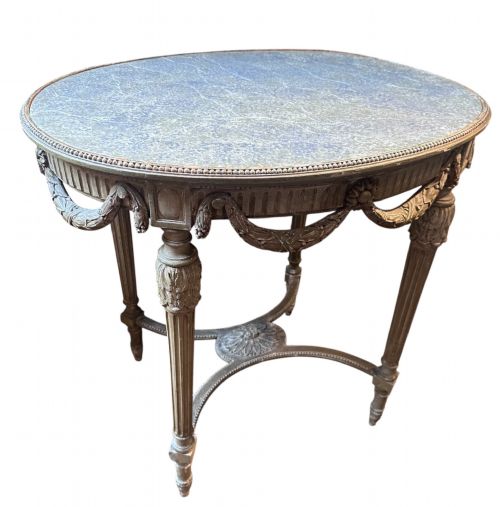




French Carved Accent Table
A french carved accent table brings continental form and intricate detail into a room, serving as a versatile surface with undeniable character.

French Carved Accent Table
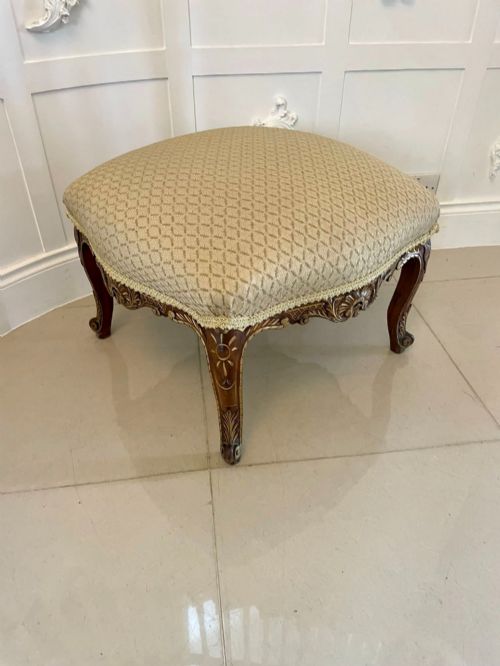
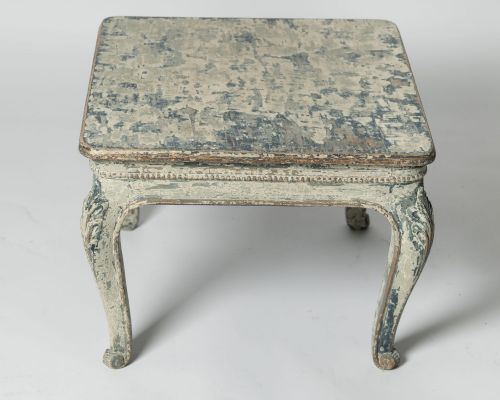
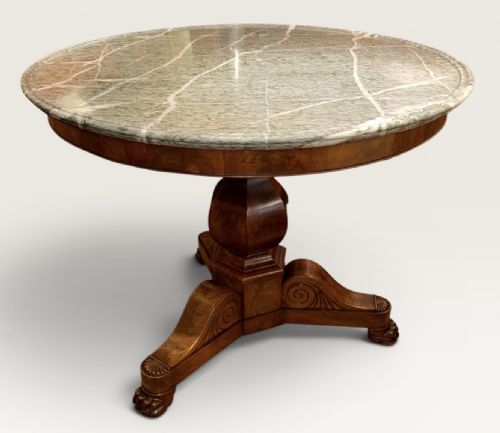
When you search for a french carved accent table, you encounter a selection of occasional tables, side tables, and gueridons originating mostly from the nineteenth and early twentieth centuries. These pieces reflect historical design movements including Louis XVI, Louis XV Revival, and French Rococo.
The assortment relies heavily on forms intended for flexible placement, ranging from small round lamp tables to larger centre tables. Walnut and oak form the structural core, frequently enriched by applied gesso, paint, or gilding.
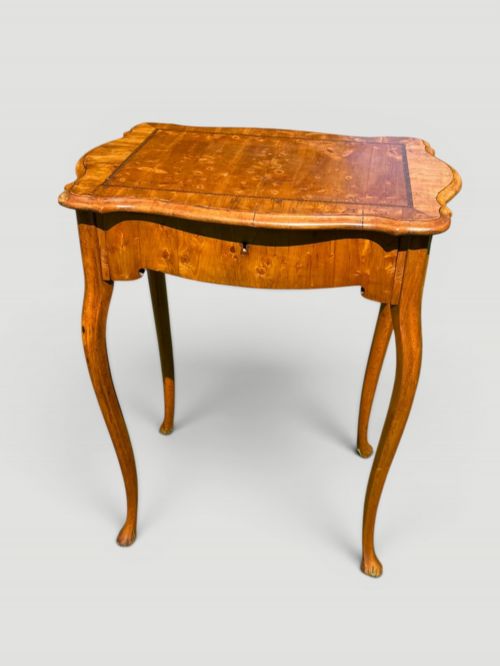
Makers and workshops constructed these tables to catch the eye while remaining practical for daily use. Their profiles often incorporate cabriole legs, tripod bases, and shaped tops.
Materials and Construction
Cabinetmakers utilised dense hardwoods such as walnut and oak for stability, shaping the timber into flowing legs and supporting frames. These wooden structures frequently received elaborate hand-carved ornamentation or smooth painted finishes.
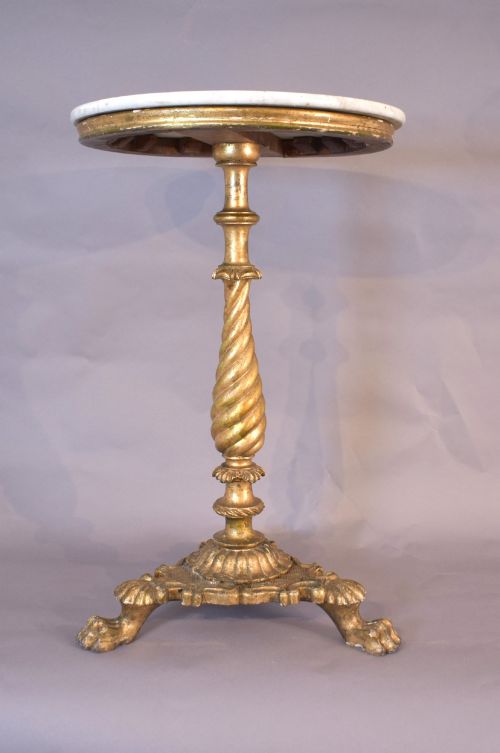
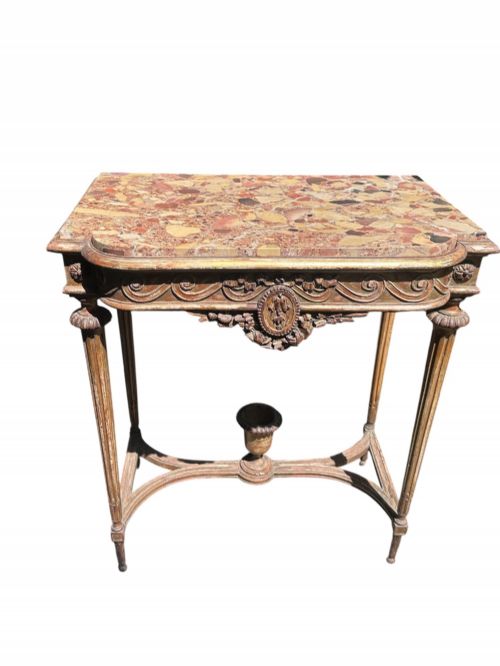
Many examples incorporate marble tops, adding substantial weight and a durable surface to the lighter wooden frames. Giltwood elements and applied gesso provide decorative contrast, reflecting light across intricately carved surfaces.
Listings feature pieces spanning the eighteenth to the twentieth centuries, utilising materials including marble, walnut, giltwood, brass, oak, paint, and gesso.
Judging Quality and Execution
The caliber of a french carved accent table rests upon the crispness of the hand-carving and the integration of decorative mounts. Superior examples display deep, deliberate chiselling in the wood or gesso rather than soft, moulded contours.
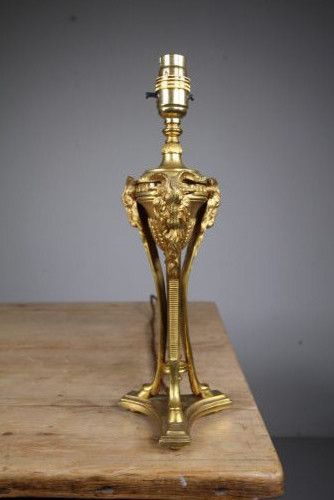
The selection of materials also dictates standing, particularly where figured burr wood veneers, heavy marble inserts, or original fire-gilded bronze and ormolu mounts are present. Attention to the underside and hidden joinery reveals the diligence of the original workshop.
François Linke·Gabriel Viardot
The French Carved Accent Table Glossary
- Gueridon
- A small French table, typically round and supported by a central pillar or three legs. These tables often feature marble tops and decorative carving.
- Ormolu
- Gilded bronze mounts applied to furniture for decorative effect. This technique was widely utilised in nineteenth-century French pieces.
- Cabriole leg
- A furniture leg that curves outward and then tapers inward, mimicking the shape of an animal's leg. It is a defining feature of many revival styles.
- Parquetry
- Geometric patterns formed by small pieces of wood veneer fitted together. This technique often decorates table tops and surfaces.
French Carved Accent Table: Frequently Asked Questions
What is a gueridon table?
A gueridon is a traditional French small circular table, usually standing on a central column or tripod base. They frequently appear with inset marble tops and decorative carved wooden frames.
Historically utilised as candle stands or small display surfaces, these tables suit modern interiors as bedside tables or compact lamp stands.
Are marble tops original?
Many French occasional and centre tables were constructed specifically to house fitted marble slabs, which provided a cool, durable surface for serving or display. The marble is typically heavy and sits within a rebated wooden frame.
Checking the fit against the wooden moulding helps confirm whether the stone matches the period of the base.
How do I care for giltwood and carved surfaces?
Giltwood and carved wooden details require gentle dusting with a soft, dry brush to prevent the accumulation of debris in the recesses. Moisture and harsh cleaning agents can damage delicate gold leaf and painted finishes.
Keeping these tables away from direct sunlight and extreme temperature fluctuations preserves the integrity of the gesso and wood.