


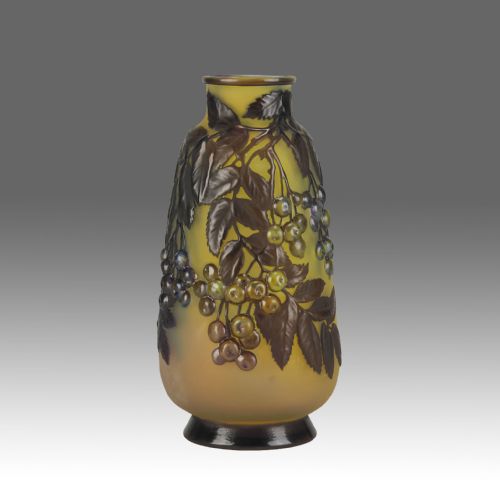

French Cameo Art Glass
French cameo art glass brings layered botanical and landscape motifs to life through meticulous acid-etching on coloured glass.
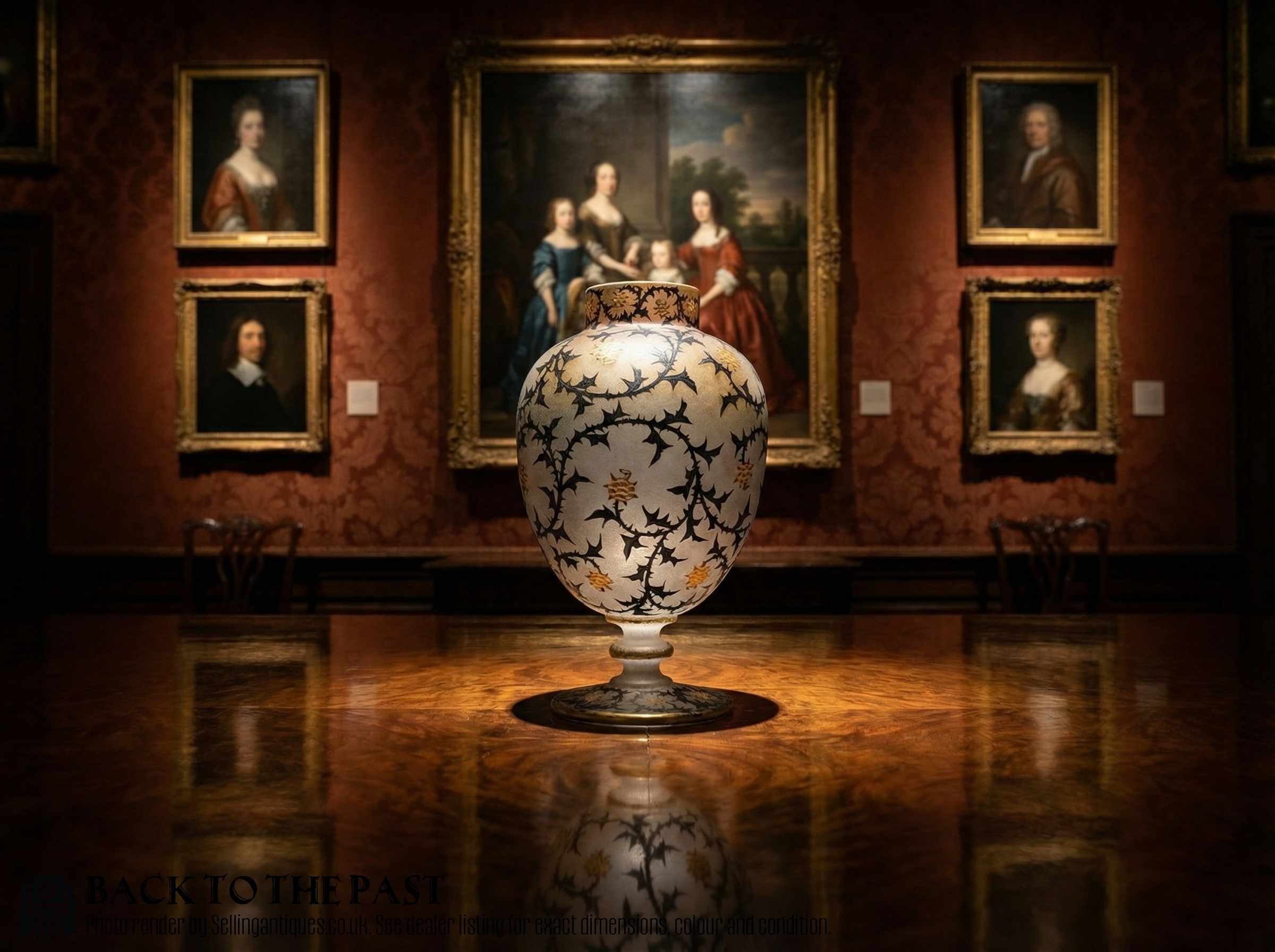
French Cameo Art Glass
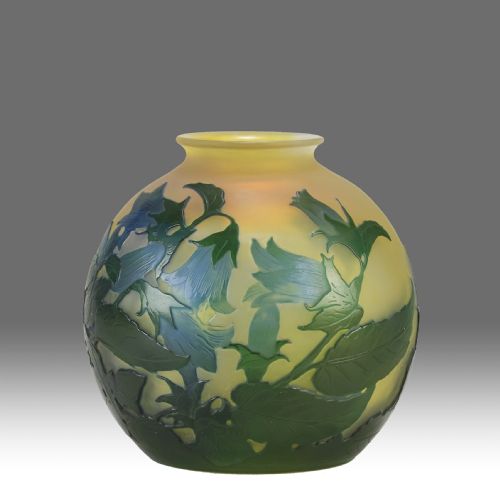
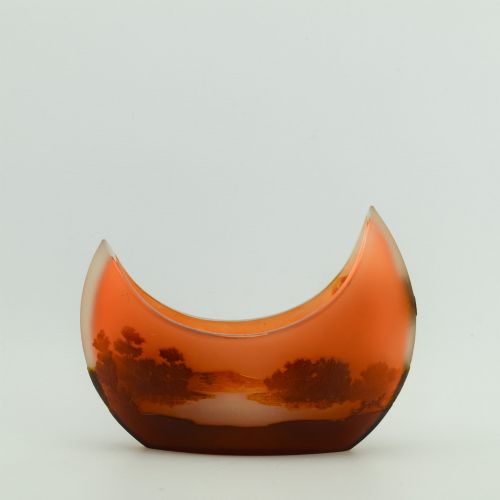
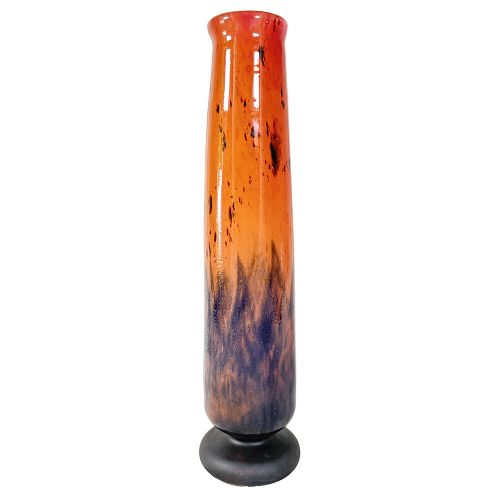
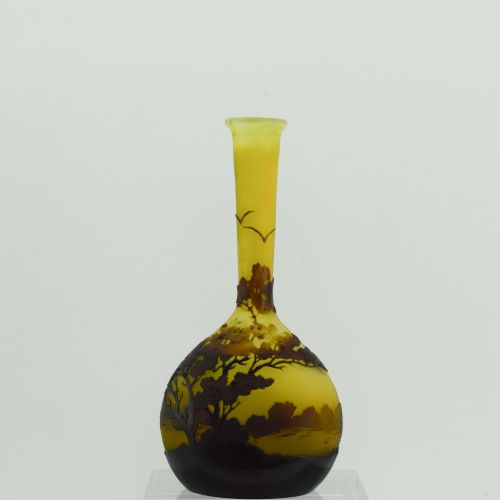
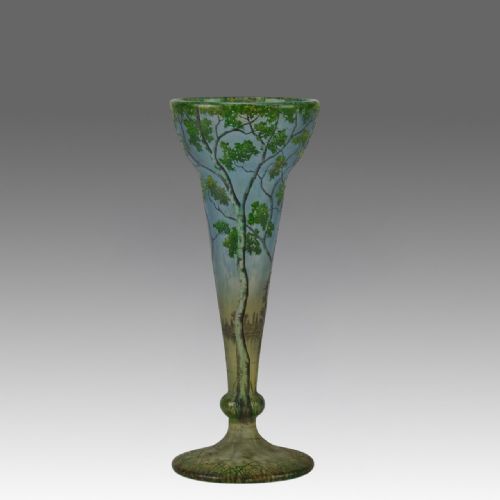
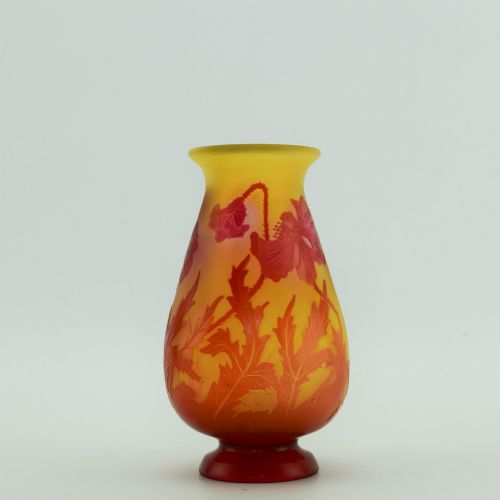
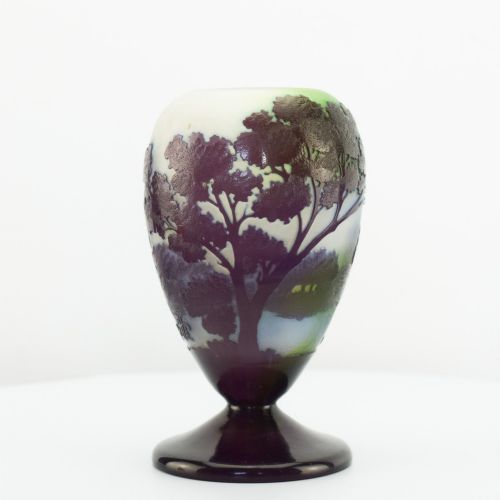
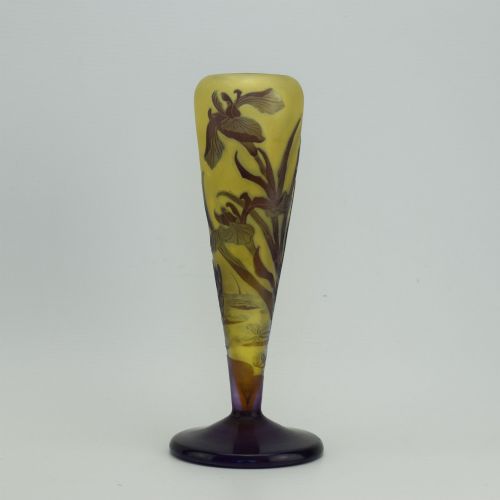
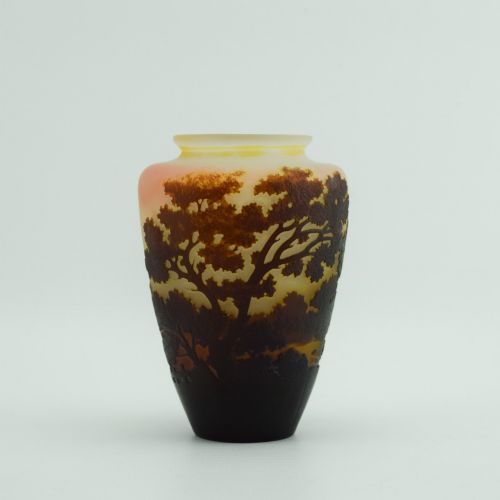
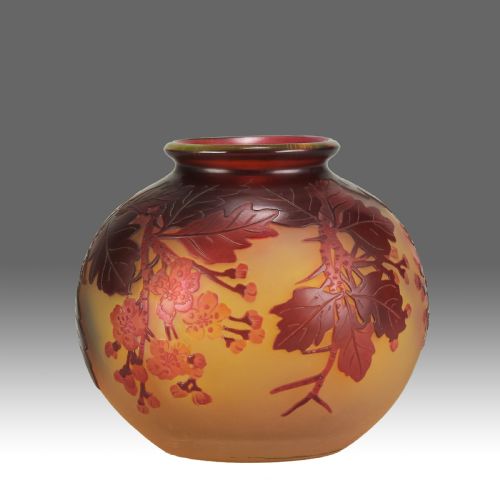
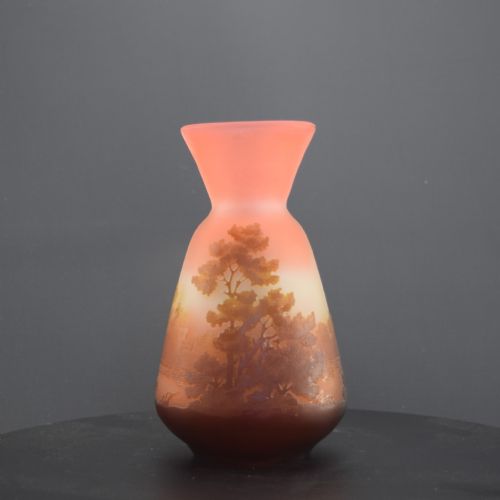
French cameo art glass comprises decorative vessels, table lamps, and decanters that emerge primarily from the Art Nouveau and Art Deco periods, spanning the late nineteenth century through the nineteen-thirties. Vases dominate the selection, appearing in forms ranging from tall floral profiles to compact crescent shapes and banjo silhouettes.
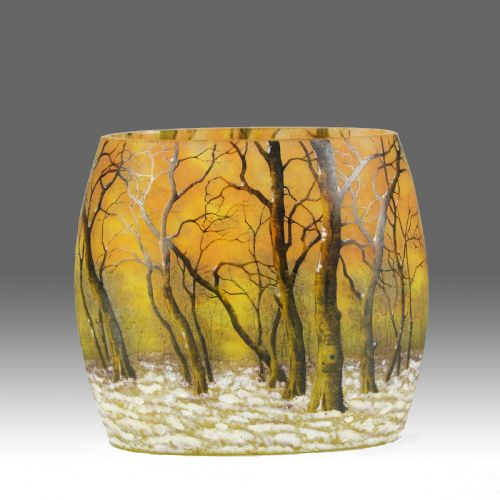
Makers shaped these objects using layered glass blanks to create relief designs of flora, fauna, and winter landscapes. Collectors encounter pieces reflecting naturalistic botany alongside geometric framing, capturing the artistic shifts of early twentieth-century French glassmaking.
What varies in quality
The sophistication of the acid-etching and the depth of the glass layers dictate the visual impact of each piece. Skilled execution results in subtle colour gradients and crisp botanical contours that distinguish ordinary production from masterworks.
The complexity of the subject matter, such as intricate winter landscapes or multi-layered floral compositions, separates standard decorative vessels from exceptional examples. The integration of hand-enamelling or fire-polishing further elevates the finish of finer items.
Even a humble winter landscape vase manages to smuggle bare branches and frozen ponds into warm nineteenth-century drawing rooms.
Emile Gallé·Daum Frères·Daum Nancy·Legras·Le Verre Francais·Schneider·Baccarat·Paul Nicholas·D'Argental·Clio
The French Cameo Art Glass Glossary
- Cameo Glass
- Glass vessels featuring raised designs carved or acid-etched from contrasting exterior layers. This technique creates a two-tone or multi-coloured relief effect.
- Acid-Etched Glass
- Glass decorated by submerging the blank in hydrofluoric acid to dissolve exposed areas. Artisans use resists to control the depth and pattern of the corrosion.
- Blown Glass
- Molten glass shaped by inflating it through a blowpipe. This foundational method forms the hollow body of vases and lamps before surface decoration begins.
- Frosted Glass
- Glass treated to achieve a matte, non-reflective surface texture. This finish diffuses light and contrasts with polished cameo motifs.
- Enamel
- Opaque or translucent vitreous coloured glass fused to the surface of a vessel. Artisans apply it by hand to add fine details and secondary hues to etched designs.
French Cameo Art Glass: Frequently Asked Questions
What is french cameo art glass?
French cameo art glass refers to decorative vessels and lamps produced in France during the late nineteenth and early twentieth centuries. These objects feature layered glass designs created through acid-etching and carving.
Artisans utilised contrasting colours to produce raised botanical and landscape motifs that define the Art Nouveau and Art Deco movements.
How were these glass pieces used?
Original owners used these vessels primarily as decorative display items within affluent domestic interiors. Vases held botanical arrangements, while table lamps provided ambient illumination.
Their sculptural forms and intricate surface colours allowed them to function as standalone artistic centrepieces on mantels and side tables.
How do I clean french cameo art glass?
Maintenance requires gentle cleaning with a soft, dry cloth to remove dust from the textured surface. Harsh chemical cleaners and abrasive cloths must be avoided to protect the acid-etched details.
If washing is necessary, use lukewarm water and mild soap, ensuring the piece is dried thoroughly afterwards.
How do I identify different periods?
Periods are identified by examining the stylistic motifs and silhouette forms of each piece. Art Nouveau examples typically display naturalistic floral and fauna designs with organic curves.
Art Deco items introduce more geometric framing and stylised vegetation, reflecting design shifts into the nineteen-twenties and nineteen-thirties.