


French Bronzes Animalier
French bronzes animalier capture beasts in motion, offering collectors dynamic studies of domestic and wild fauna cast during the nineteenth and early twentieth centuries.
French Bronzes Animalier
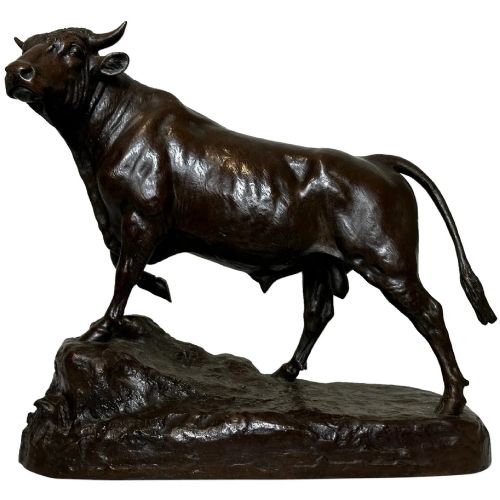
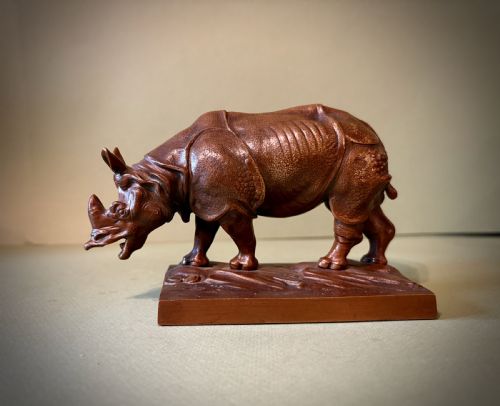
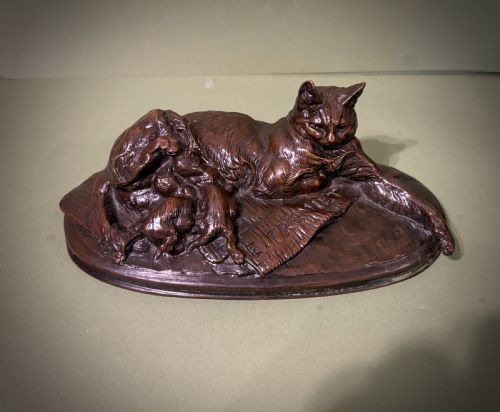
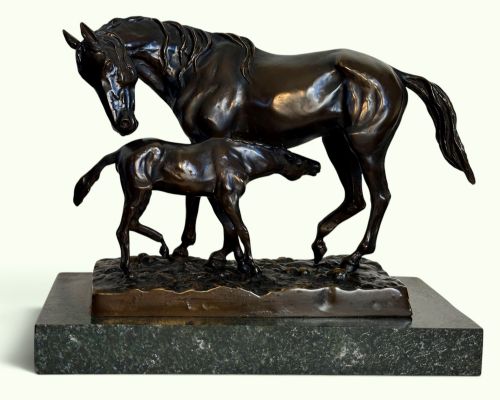
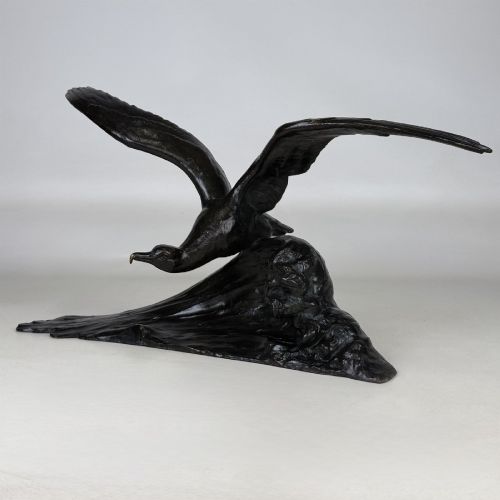
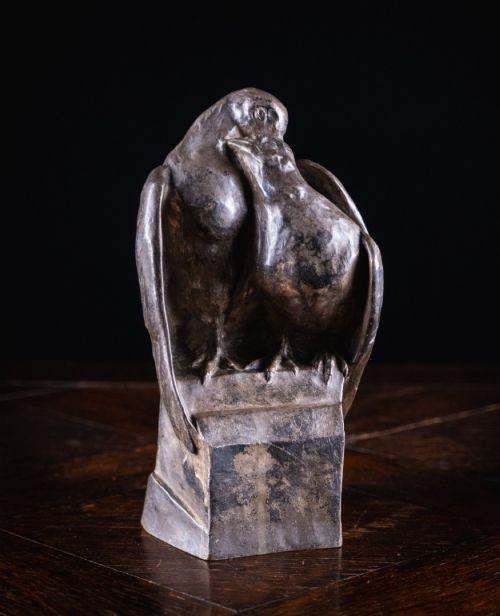
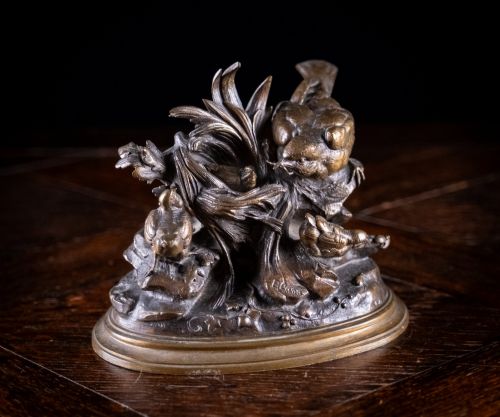
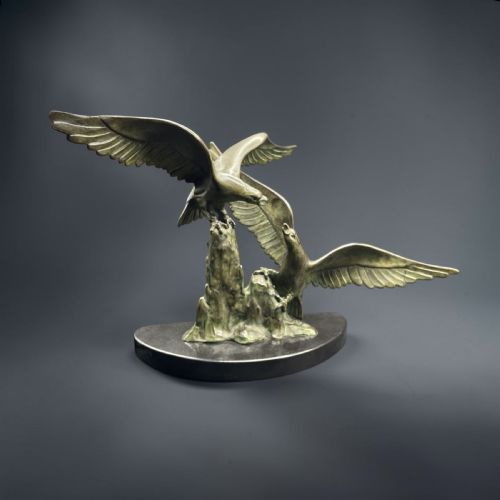
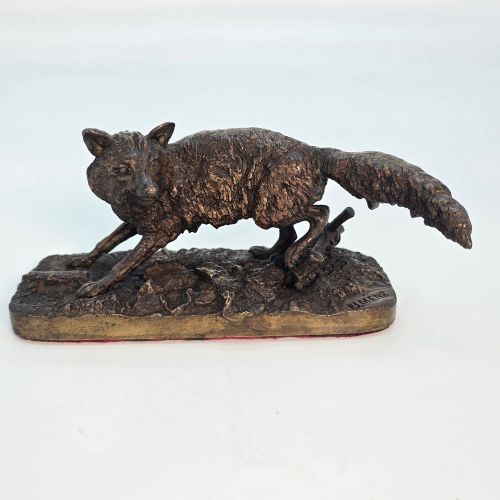
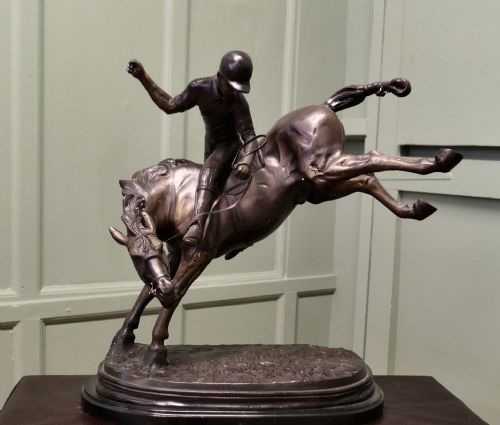
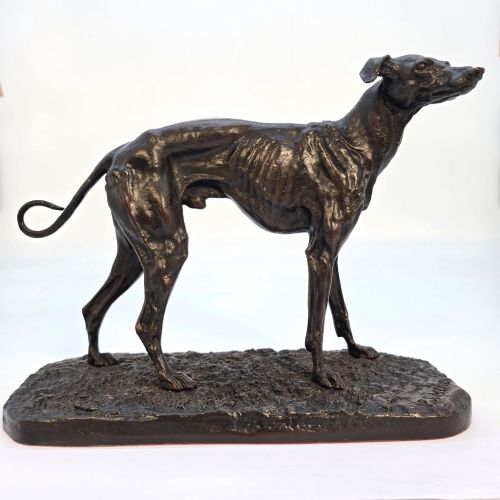
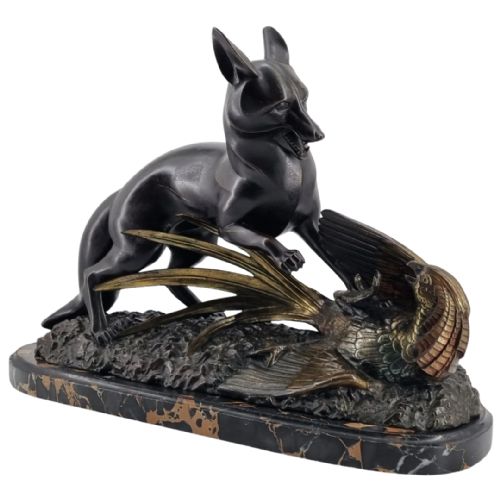
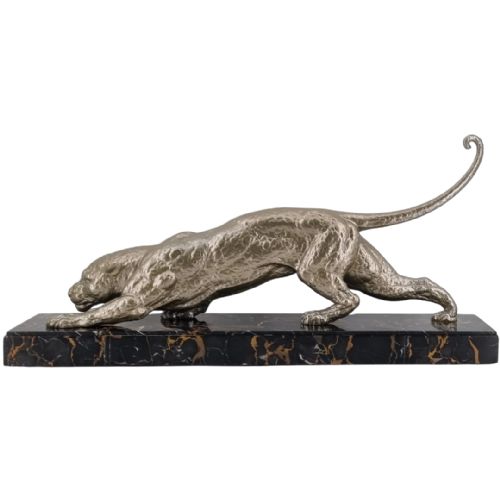
French bronzes animalier comprise sculptural figures and decorative objects depicting animals, ranging from working horses and domestic dogs to prowling panthers and wild birds. These pieces emerge predominantly from nineteenth-century realism and extend into twentieth-century modernist abstractions, recording creatures with keen anatomical observation.
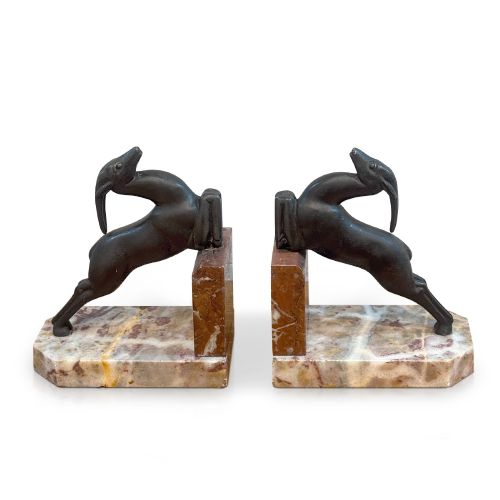
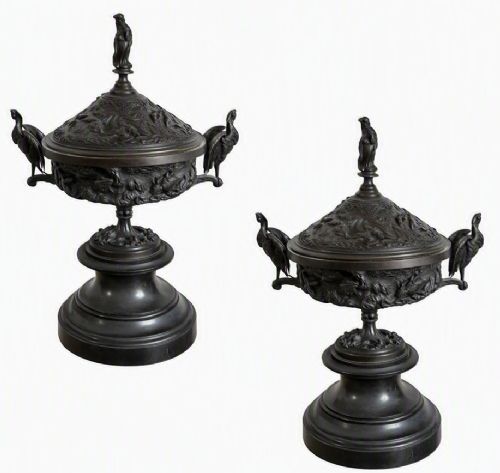
Buyers encounter sculptures mounted on marble and onyx bases, alongside functional items such as mantel clocks, bookends, inkstands, and covered urns. The nineteenth-century examples lean heavily towards naturalistic studies of stags, bulls, and hounds, while later pieces adopt the stylised geometries of the Art Deco period.
How they were made
Foundries utilised the lost-wax casting method or sand casting to translate modelled clay into durable metal. Workers then chased the cooled metal surfaces with chisels and files to sharpen feathers, fur, and musculature.
Craftsmen applied chemical patinas, ranging from deep browns to golden hues, or added fire-gilding to create ormolu details. Many figures were set onto heavy marble or onyx plinths to provide stability and visual weight.
French Bronzes Animalier Retail Price Guide 2026
Typical asking prices for french bronzes animalier among the pieces listed under this phrase on Sellingantiques today, from the lower quarter to the upper quarter. They describe what is for sale here now, not the wider market.
Listings feature periods spanning from the mid-nineteenth century through the Art Deco era of the 1920s and 1930s.
What varies in quality
The strength of the artist's signature and the reputation of the foundry dictate distinction within the field. Original patination untouched by later interference also separates standard production pieces from masterworks.
I Bonheur·Christophe Fratin·Maximilien Fiot·Ferdinand Pautrot·Pierre-Jules Mêne·D H Chiparus·Jules Moigniez·Antoine Louis Barye
The French Bronzes Animalier Glossary
- Animalier
- A term for nineteenth-century sculptors who specialised in realistic depictions of animals. These artists studied live subjects extensively in menageries and slaughterhouses to ensure anatomical accuracy.
- Patina
- The surface coloration achieved through chemical application or natural ageing on bronze. A rich patina enhances the perceived depth of fur and plumage.
- Ormolu
- Gilt bronze produced by applying a mercury and gold amalgam to metal and heating it. This technique imparts a bright golden finish seen on decorative mounts and inkwells.
- Spelter
- A zinc alloy commonly utilised as a cheaper alternative to bronze. It frequently receives a dark coating to simulate the appearance of genuine patinated metal.
French Bronzes Animalier: Frequently Asked Questions
How do I identify a cast?
Examine the underside and surface for casting seams, chisel marks, and foundry stamps that indicate the production method. Sharp details in difficult areas such as claws and underbellies generally point towards careful secondary chasing.
Compare the proportions and stance against documented works by known animalier sculptors. Heavier bases often indicate period-correct mounting rather than later assembly.
Where should I place these sculptures?
Position heavier pieces on stable surfaces such as sideboards, desks, or mantelpieces where their weight is supported safely. Avoid placing them in direct sunlight or damp areas to protect both the metal patina and any marble bases.
Ensure smaller items like bookends and inkstands have adequate clearance to be viewed from multiple angles. Grouping subjects by period helps create a cohesive display.
Are these pieces signed?
Many sculptures bear cast signatures or foundry marks along the edge of the bronze base or upon the naturalistic terrain. Signatures may appear as engraved cursive script or raised capital letters depending on the casting technique.
Absence of a signature does not preclude quality, as numerous workshop editions and decorative items remained unmarked. Researching the style helps attribute unsigned pieces to specific decades.