

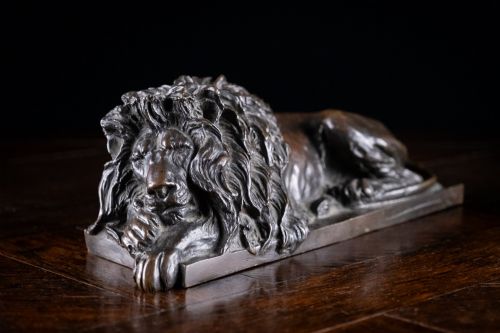
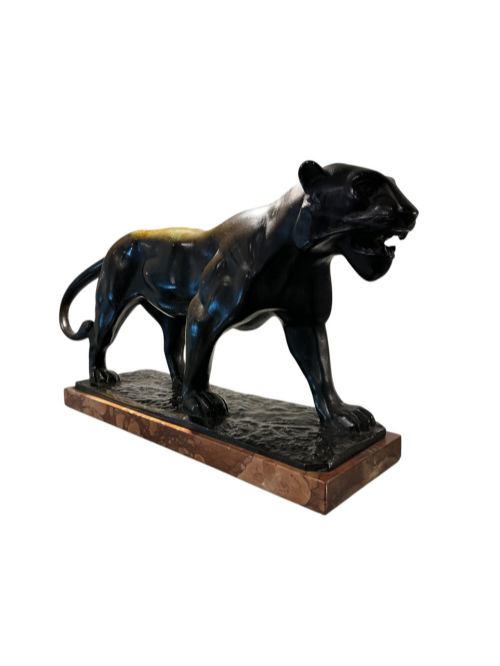
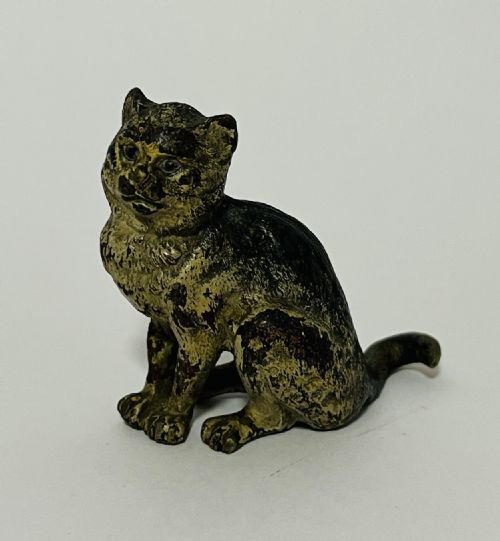


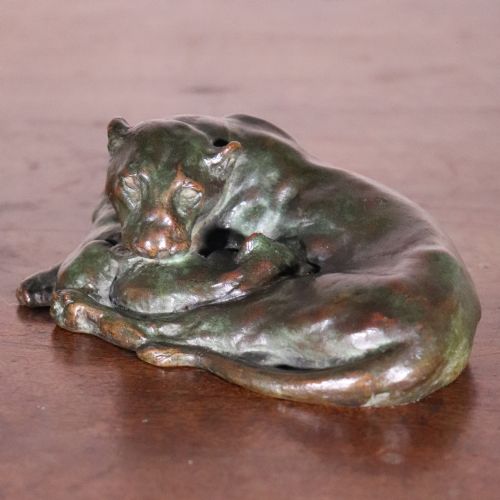

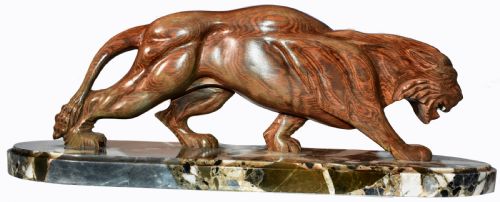


Antique Feline Sculpture
These antique feline sculpture pieces capture domestic cats and fierce big cats in bronze, marble, and glass, offering collectors striking centrepieces.
Antique Feline Sculpture
When you search for antique feline sculpture, you find figures ranging from domestic cats to wild panthers, tigers, and lions rendered in various forms. These objects span from the nineteenth century into the twentieth century, capturing both realistic animal anatomy and stylised modernist interpretations.
The versions most commonly met on this page include Art Deco panthers mounted on marble bases and smaller bronze or ceramic figures from European and Japanese traditions. Makers shaped these pieces as standalone sculptures, architectural roof tiles, netsuke, and figurines using materials appropriate to their period of origin.
Origins vary from French and Austrian workshops to Japanese Meiji and Edo periods, reflecting distinct regional approaches to animalier art. Buyers encounter works cast in metal, carved from cherry amber and alabaster, or modelled in glazed terracotta.
How they were made
Metals such as bronze and spelter were cast and sometimes finished with cold painting to add surface detail and colour. Workshops also utilised patination techniques to darken or enrich the metallic surfaces of panthers, tigers, and lions.
Carvers worked with natural materials like marble, alabaster, and cherry amber to create smooth bases or miniature netsuke figures of curled cats. Potters shaped terracotta and ceramic bodies, applying glazes before firing and sometimes integrating glass eyes for realism.
Antique Feline Sculpture Retail Price Guide 2026
Typical asking prices for feline sculpture among the pieces listed under this phrase on Sellingantiques today, from the lower quarter to the upper quarter. They describe what is for sale here now, not the wider market.
A French terracotta cat once sat on a roof as a tile before finding its way indoors as a decorative figure.
What varies in quality
The distinction between ordinary and superior pieces rests on the precision of the animal anatomy and the expression captured by the maker. Finer sculptures show careful attention to muscle tone, posture, and texture, whereas lesser examples appear rigid or generic.
Materials also dictate the tier of the piece, with heavy marbles, solid cast bronzes, and signed carvings representing higher production standards than lighter spelter or plain moulded ceramics.
Anna Vaughn Hyatt Huntington·Barbedienne·Barye·Bavent
The Antique Feline Sculpture Glossary
- Animalier
- A nineteenth-century artistic movement dedicated to the realistic portrayal of animals. Sculptors in this tradition focused heavily on anatomical accuracy and dynamic poses.
- Cold Painted Bronze
- A metal casting technique where paint is applied to an unheated bronze surface. This finish often requires delicate preservation over time.
- Netsuke
- A small Japanese toggle carved from materials like cherry amber. These objects were traditionally used to secure small pouches to traditional garments.
- Spelter
- A zinc-based alloy used as an economical alternative to bronze. It was frequently cast into decorative figures and mounted on marble bases during the Art Deco period.
Antique Feline Sculpture: Frequently Asked Questions
What materials were used?
Makers worked in bronze, spelter, marble, alabaster, glass, and cherry amber. Terracotta and glazed ceramics also appear across various regional traditions.
Some pieces combine multiple materials, such as metal cats mounted directly onto stone bases.
How do I identify Art Deco pieces?
Art Deco examples often feature sleek panthers or lionesses set on geometric black marble bases. They frequently date from the nineteen-twenties and nineteen-thirties.
These pieces tend to emphasise stylised lines and modern manufacturing techniques of the period.
Where were these sculptures made?
The evidence shows items originating from France, Austria, and Japan. Each region brought distinct cultural styles to the depiction of felines.
European works lean towards animalier bronzes and folk pottery, while Japanese pieces include Meiji bronzes and carved netsuke.
How were smaller figures used?
Miniature carvings like netsuke served a functional purpose as toggles for traditional Japanese garments. Other small figurines functioned purely as decorative ornaments for interiors.
Terracotta pieces were even utilised as architectural roof tiles in French folk traditions.