

French Bronze Pendulum Clock
A french bronze pendulum clock brings nineteenth-century presence to a mantelpiece, combining gilt metal with porcelain and marble.
French Bronze Pendulum Clock
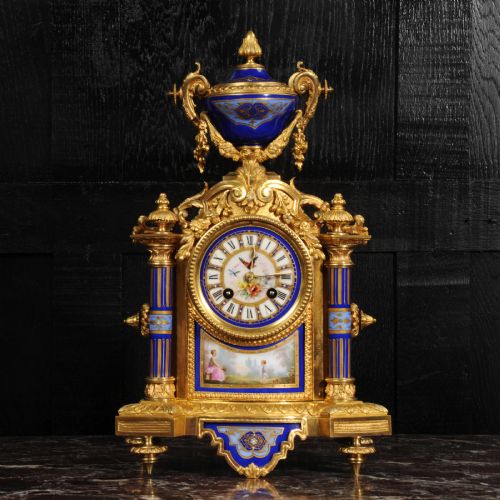
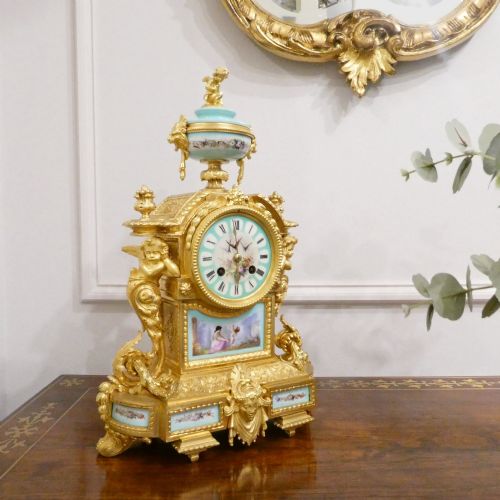
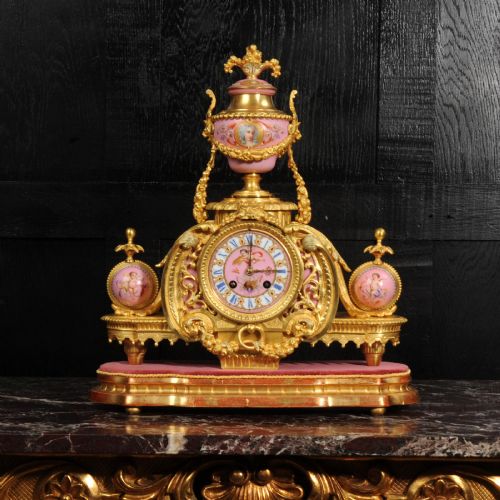
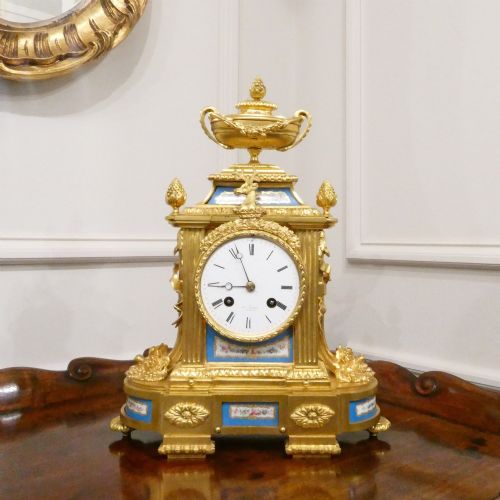
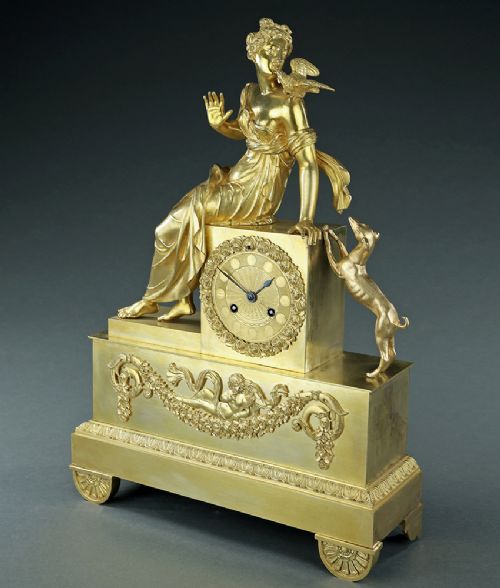
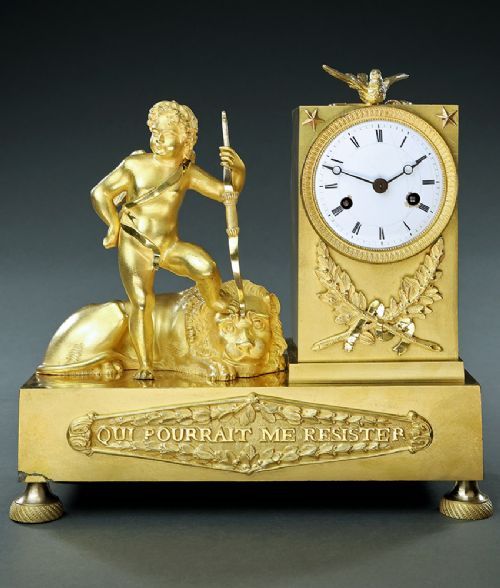
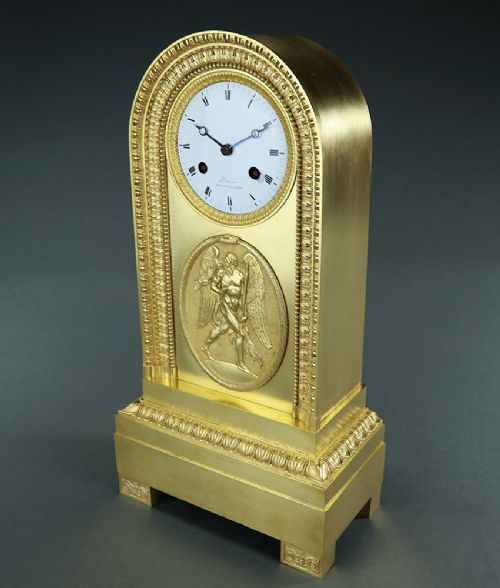
A french bronze pendulum clock sits on mantelpieces and tables as both a timekeeper and a decorative sculptural object. The selection here spans the eighteenth through to the early twentieth centuries, drawing heavily upon Victorian output and revival aesthetics.
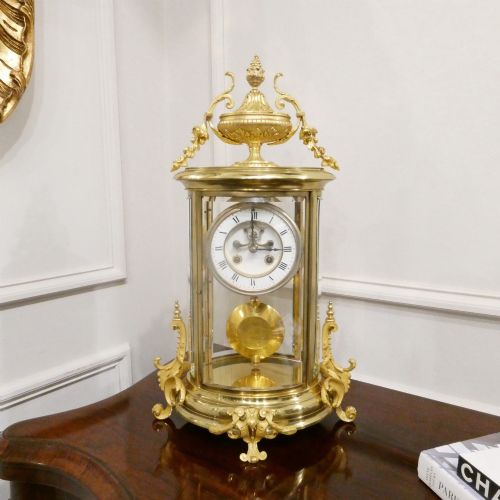
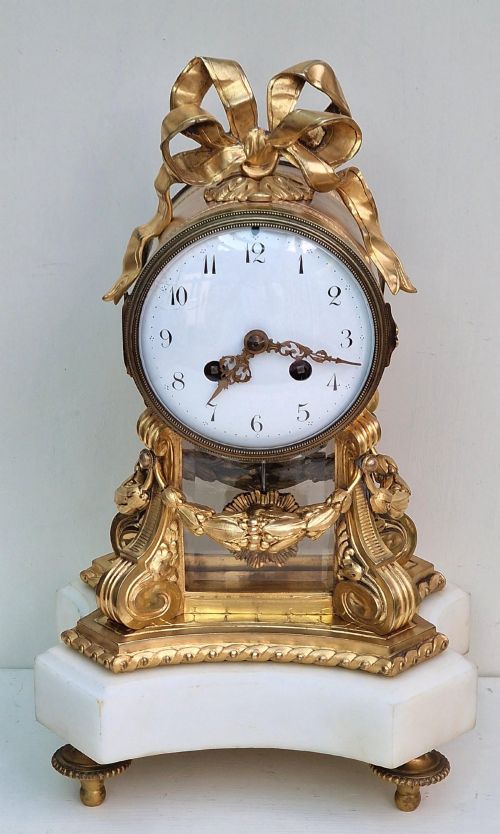
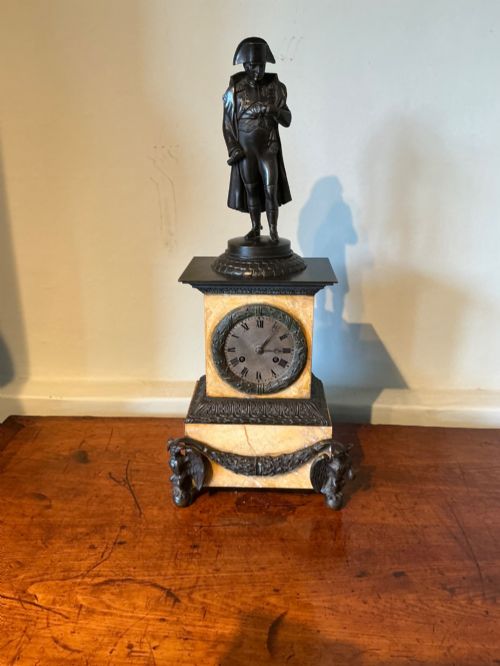
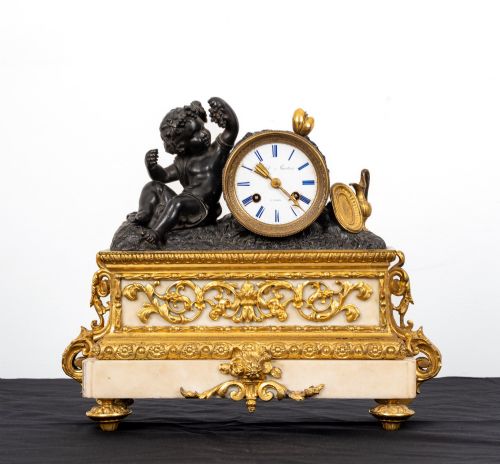
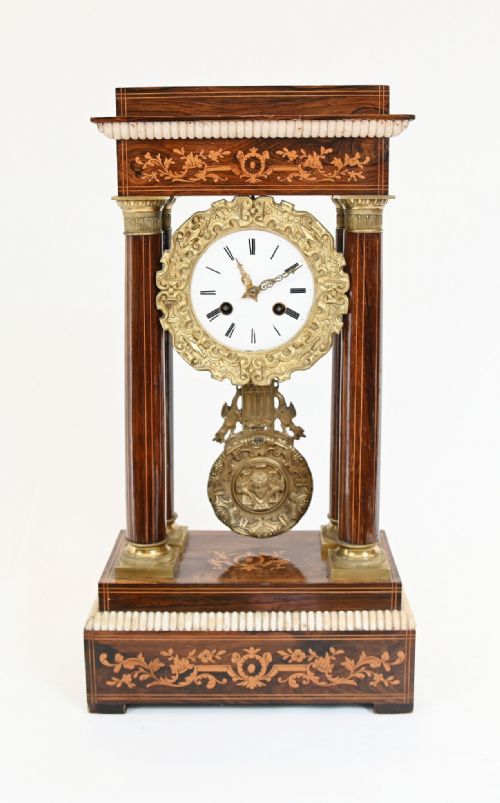
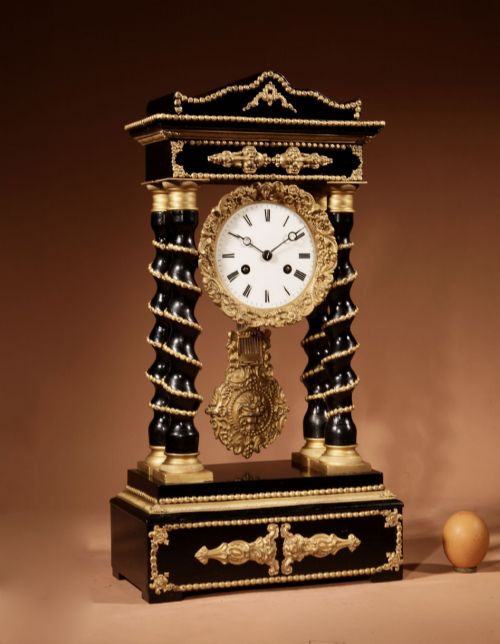
Most examples found on this page adopt styles such as Louis XVI, French Empire, and Rococo Revival. Forms range from classical portico shapes and four-glass cases to figural compositions depicting historical and allegorical scenes.
Makers and horologists based in Paris dominate the origins, frequently pairing cast metalwork with porcelain panels or marble bases. These objects reflect the decorative ambitions of the nineteenth-century salon.
Materials and construction
Foundry work relied on casting bronze, brass, and ormolu to form intricate architectural cases and sculptural figures. Gilding and patination finished the metal surfaces, often contrasted against white marble, red marble, or ebonised wood.
Many clock faces and decorative mounts incorporate painted porcelain panels, enamel dials, and cut crystal elements. Cabinetmakers and metalworkers combined these diverse materials using precision joinery and traditional pinned brass movements.
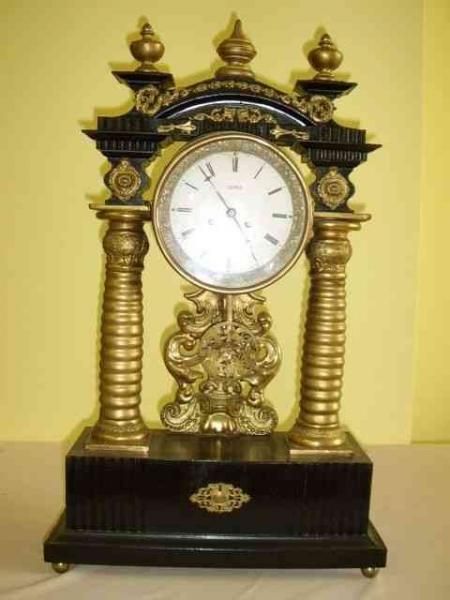
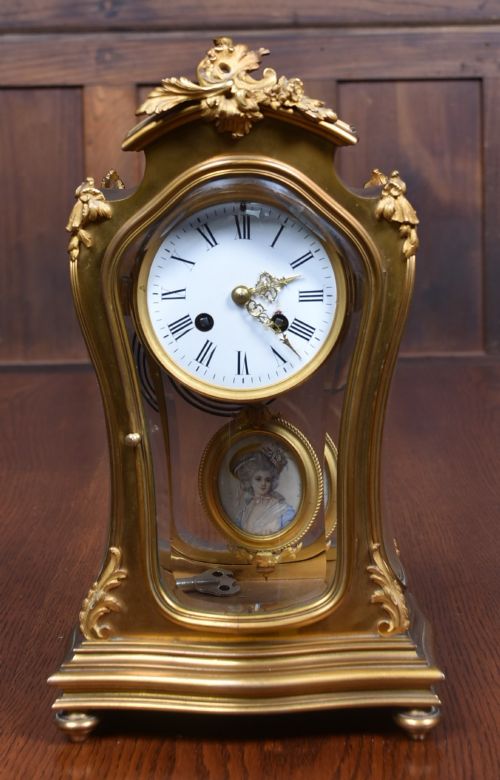
Common architectural configurations on this page include portico designs, drum-head models, and transparent four-glass mantel enclosures.
Judging quality and execution
The integration of signed movements by known makers and the original presence of matching porcelain panels elevate an example. Superior clocks maintain harmony between the decorative case and the mechanical movement housed within.
Japy Freres·Achille Brocot·Henry Marc·Samuel Marti·Delettrez·Breguet·Le Roy
The French Bronze Pendulum Clock Glossary
- Ormolu
- Gilded bronze produced by applying a mercury-gilding amalgam to cast bronze. This technique creates a rich, durable golden surface seen across nineteenth-century decorative arts.
- Portico clock
- A mantel clock built with an architectural colonnade supporting the movement housing. Charles X examples frequently utilise this balanced, pillar-based arrangement.
- Four glass clock
- A mantel clock enclosed in glass panels on all sides to expose the mechanical movement. Samuel Marti produced notable examples of this transparent style.
- Sevres porcelain
- Soft-paste or hard-paste porcelain associated with the French royal factory, often decorated with hand-painted scenes and mounted onto clock cases.
- Japy Freres
- A prominent French manufacturing firm producing clock movements and complete timepieces during the nineteenth century.
French Bronze Pendulum Clock: Frequently Asked Questions
How do I wind a french bronze pendulum clock?
Most mechanical clocks use a winding key inserted directly into holes on the dial face. Turn the key gently until resistance is felt, taking care not to over-wind the mainspring.
Ensure the pendulum hangs securely on its suspension spring before setting the clock in motion. Pendulum regulation squares situated on the dial allow for minor timekeeping adjustments.
What periods do these clocks cover?
The listings span from the late eighteenth century through the nineteenth century and into the early twentieth century. Victorian eras and the 1880s represent common production windows found on this page.
Styles shift from eighteenth-century classical porticos and Charles X designs towards nineteenth-century Louis XVI revivals and Rococo exuberance.
Are porcelain panels original to the clocks?
Many nineteenth-century examples incorporate painted porcelain plaques supplied by factories such as Sèvres. These panels matched the gilt bronze mounts and were integrated into the initial design of the mantel clock.
Close inspection reveals whether the dial and decorative plaques share consistent artistic hands and mounting techniques appropriate to the period.
How should I care for an ormolu case?
Dust gilt bronze and ormolu surfaces regularly with a soft, dry brush to prevent dirt accumulation in recessed chased details. Avoid chemical polishes which can strip the historic mercury gilding.
Keep the clock away from direct sunlight and strong heat sources to protect sensitive marble bases and internal wooden carcases.