



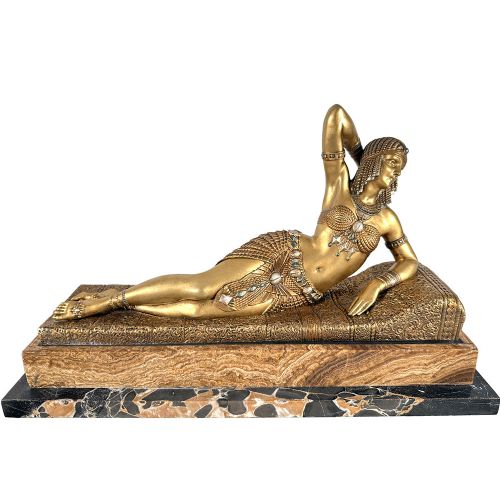


French Bronze Nude Sculpture
These pieces of french bronze nude sculpture capture the human form through centuries of foundry work, offering tactile weight and lasting presence for a room.
French Bronze Nude Sculpture
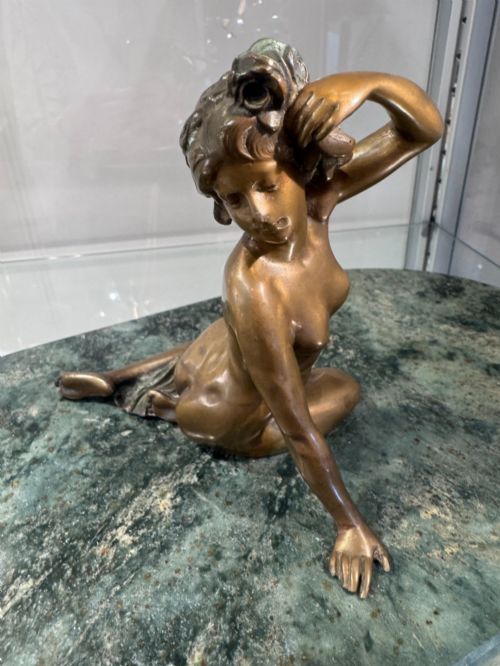
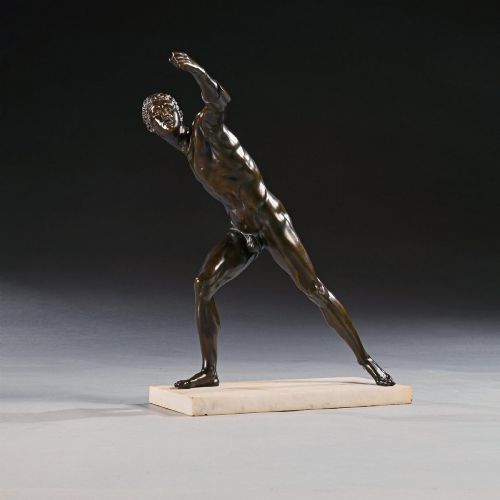
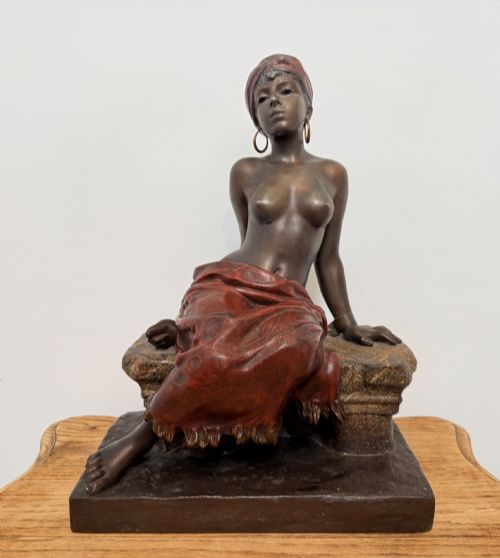
A french bronze nude sculpture represents the human body through cast metal, taking forms from classical antiquity, nineteenth-century academic realism, and twentieth-century modernism. These works appear as standalone figures, bookends, or sculptural studies on bases of marble, onyx, or slate.
The pieces on this page span the nineteenth century, the Victorian period, and the Art Deco and Art Nouveau movements of the early twentieth century. Buyers encounter mythological figures, dancers, archers, and allegorical representations created by named founders and independent sculptors.
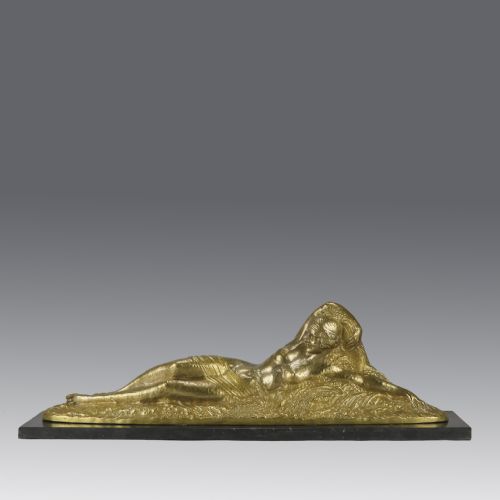
Nineteenth-century examples often lean towards neoclassical and academic subjects like bathing maidens or classical heroes. Twentieth-century iterations shift into stylized dancers and modernist interpretations utilising silvered or gilt finishes alongside patinated surfaces.
Foundry methods and materials
Foundries utilised the lost-wax casting method or sand casting to translate modelled clay or plaster into bronze. Molten alloy filled the mould, after which artisans chased the metal surface with chisels and files to define musculature, hair, and drapery.
Many works combine cast bronze with natural stone elements, mounting figures onto bases of veined marble, black slate, or mottled onyx. Founders also applied surface treatments, ranging from dark patinated finishes to silvering and fire-gilding.
Pieces span the nineteenth-century classical revival through the Art Nouveau and Art Deco movements of the early twentieth century.
Standards of execution
The integration of the figure with its base also marks the tier of a piece, with fine works secured cleanly to heavy marble or slate plinths. The depth and evenness of the patination contribute further to the visual cohesion of the sculpture.
Ferdinand Barbedienne·Demetre Chiparus·Pierre Le Faguays·James Pradier·Sibylle May·Aristide Maillol·Maurice Guiraud Riviere·Anders Zorn·Claire Jeanne Roberte Colinet·Edmond Leveque·Susse Freres·Eugene Barillot·S. Kinsburger·Hector Lemaire·Ugo Cipriani·Delafontaine·Devaulx·George Omerth
The French Bronze Nude Sculpture Glossary
- Patina
- The surface coloration and sheen developed naturally over time or applied chemically by the foundry. This layer protects the metal and defines the visual tone of the bronze.
- Lost-wax casting
- A technique where a wax model is melted from a ceramic mould to create a hollow metal cast. It allows for intricate undercuts and fine surface textures.
- Reduction
- A smaller scale copy of a larger monument or sculpture, often produced as a souvenir during the nineteenth century. These allowed collectors to own scaled versions of museum antiquities.
- Gilt bronze
- Bronze coated with a thin layer of gold using mercury amalgamation or electroplating. This finish produces a bright golden surface that resists tarnishing.
- Sand casting
- A method utilising packed sand to form the mould for molten metal. It is well suited to geometric or larger forms with simpler contours.
French Bronze Nude Sculpture: Frequently Asked Questions
What is the difference between Art Nouveau and Art Deco pieces?
Art Nouveau figures, emerging around nineteen hundred, feature flowing, organic lines inspired by natural plant forms and billowing hair. They emphasise fluid movement and asymmetrical grace.
Art Deco works from the nineteen twenties and thirties adopt geometric styling, sharp angles, and stylized anatomy, often reflecting the modernist energy of the era.
How can I tell if a piece is nineteenth century?
Nineteenth-century pieces frequently display classical academic proportions, mythological themes, or specific foundry cachets and medals. Their patinas tend to show deep, natural wear developed over decades.
Stylistic cues such as heavy drapery, heroic posturing, and mounting styles on slate or marble further indicate this earlier production period.
Why are some figures mounted on marble?
Marble bases provided visual weight and stability for heavy metal sculptures, anchoring the composition. They also served an aesthetic purpose, lifting the bronze above the furniture surface.
Foundries often selected specific stones, such as black Belgian marble or green onyx, to complement the bronze patina.