
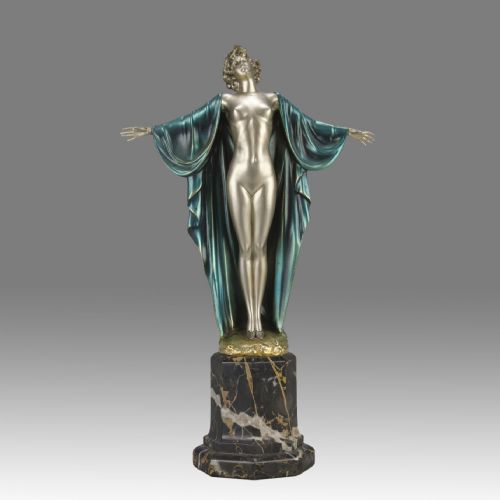

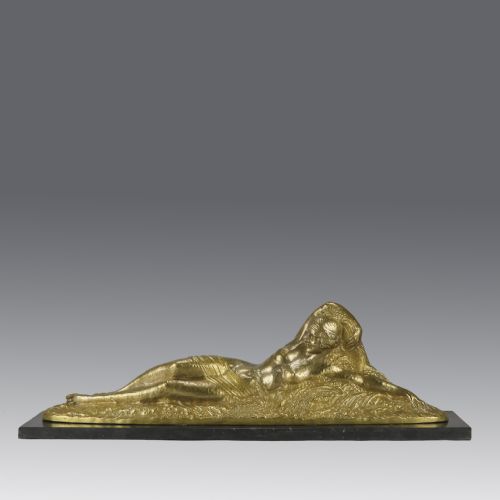
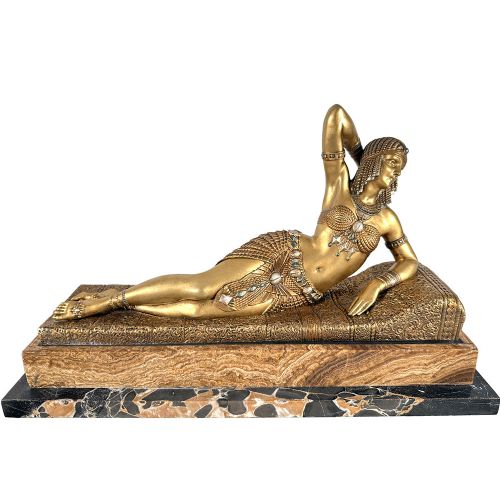


Bronze Nude Figure Marble Base
A bronze nude figure marble base combines cast metalwork with stone support, capturing classical mythology and twentieth-century design.
Bronze Nude Figure Marble Base
A bronze nude figure marble base sits on a stone plinth, bringing together classical subjects and modern decorative forms. When you search for a bronze nude figure marble base, you encounter works ranging from nineteenth-century Grand Tour souvenirs to Art Deco dancers.
The pieces on this page span the nineteenth century and the early twentieth century, taking the form of sculptures, bookends, and table lamps. Subjects include mythological figures such as Narcissus and the Dancing Faun of Pompeii, alongside dancers and classical archers.
Nineteenth-century examples often draw directly from antique sculpture, while later twentieth-century pieces reflect the stylised lines of the Art Deco period. Both traditions share the same fundamental pairing of cast metal and stone.
How They Were Made
Foundries cast these figures in bronze or patinated metal, sometimes applying cold painted colours, silvering, or gilt surfaces. The metalwork requires precise mould-making to capture the musculature and drapery of the human form.
The supporting bases utilise various natural stones, including standard marble, fossil marble, and onyx, shaped to anchor the heavier metal sculpture above. Makers occasionally incorporated glass or enamel details into the overall design.
Even ancient frogs and leaping swans occasionally find themselves cast in bronze and hoisted onto marble.
What Varies in Quality
The definition in the metal casting dictates the success of a piece, separating sharp, expressive details from softer, worn impressions. Foundries achieved different levels of precision in finishing the surface patination and smoothing the cast seams.
The choice and preparation of the stone base contribute to the overall balance and presence of the sculpture. Dense materials like fossil marble or carefully turned onyx add weight and visual harmony that simpler mountings lack.
Ferdinand Preiss·Demetre Chiparus·Eugene Barillot·Maurice Guiraud Riviere·Claire Jeanne Roberte Colinet·Eugene Desire Piron·Jean Jacques Pradier·Franz Iffland·Pierre le Faguays·C Neuhaus
The Bronze Nude Figure Marble Base Glossary
- Cold painted bronze
- A method where oil- or varnish-based paint is applied to an unheated bronze casting. This technique was widely used by European foundries during the early twentieth century to add vibrant colour to figures.
- Grand Tour
- A nineteenth-century tradition of cultural travel across Europe, producing miniature bronze copies of classical antiquities for travellers. These souvenir sculptures were frequently mounted on stone bases to serve as desk ornaments.
- Patinated metal
- A chemically induced surface treatment applied to bronze or other metals to alter their colour and texture. It creates tones ranging from deep chocolate brown to green verdigris.
- Fossil marble
- A type of limestone containing visible ancient shell and organic fragments, polished to a smooth finish. It provides a heavily patterned, tactile foundation for bronze sculptures.
Bronze Nude Figure Marble Base: Frequently Asked Questions
What periods do these bronze figures come from?
The pieces span the nineteenth century and the early twentieth century, encompassing both Victorian classicism and Art Deco modernism.
Nineteenth-century items often reflect archaeological discoveries and Grand Tour traditions, whereas twentieth-century examples embrace stylised movement and decorative utility.
How should I clean a bronze sculpture?
Dust the metal gently with a soft dry cloth and avoid harsh chemical cleaners that strip the patination.
Applying a very light microcrystalline wax can protect the bronze surface from moisture and handling over time.
Are all the bases made of marble?
While standard marble is the most common stone used for the plinths, other natural materials appear across the selections.
Foundries occasionally mounted figures on fossil marble, onyx, or integrated them with glass and enamel elements.
What subjects do these figures represent?
Subjects range widely from classical mythology and ancient sculpture to modern dancers and allegorical figures.
Common themes include Greek archers, mythological fauns, bathers, and Art Deco performers captured in active poses.