


French Bronze Mounted Glass
French bronze mounted glass comprises decorative vessels and centrepieces marrying lustrous glass with cast metallic frames, prized for their sculptural elegance and refined nineteenth-century craftsmanship.
French Bronze Mounted Glass
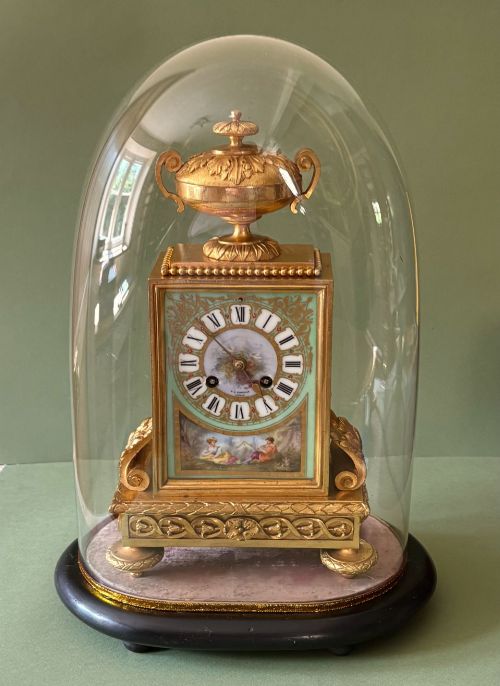
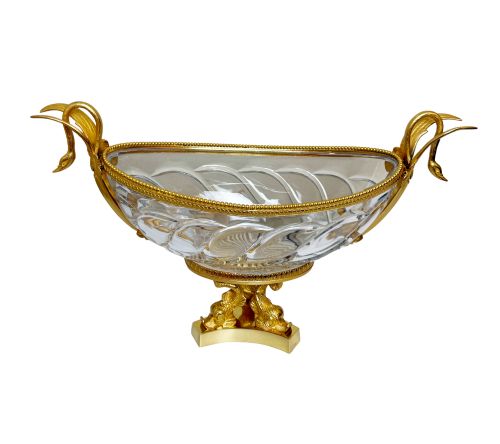
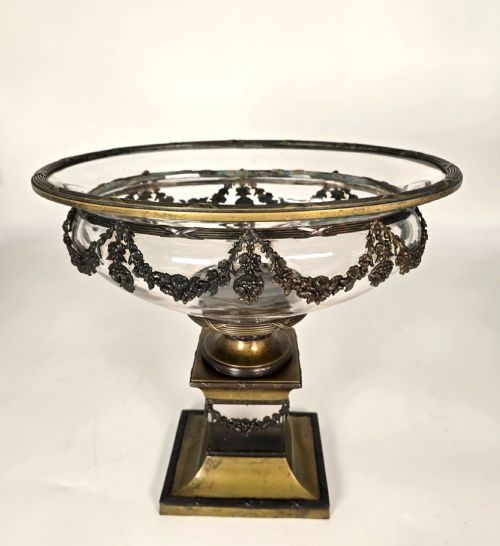
French bronze mounted glass items combine transparent or coloured vessels with cast metal mounts, representing a significant decorative art form from the nineteenth century. Buyers searching for french bronze mounted glass encounter items such as centrepieces, decorative bowls, vases, and dishes resting within ornate gilt bronze or ormolu frameworks.
The objects frequently reflect revivalist aesthetics including Louis XV and Empire styles, demonstrating the period taste for classical and baroque ornamentation. Surviving examples range from table centrepieces on stands to blue glass vases with metal trim, reflecting the diverse domestic uses of affluent nineteenth-century households.
Most examples originate from the nineteenth century, spanning periods from the 1860s through to the Edwardian era and the early twentieth century. These pieces serve primarily as decorative focal points, often incorporating high-clarity crystal or coloured glass secured by heavy cast metal mounts.
What varies in quality
The refinement of the bronze casting and the depth of the subsequent chasing separate superior pieces from simpler utilitarian productions. High-quality examples exhibit crisp, sharply defined mount details and heavy gauge metal, whereas lower tiers display softer casting lines and thinner metal alloys.
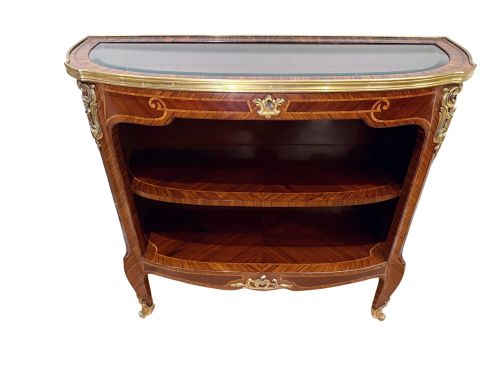
The clarity and weight of the glass body also determine the standing of an object, with heavy cut crystal or vibrant coloured glass commanding greater respect than thin, plain glassware. Additionally, the precision of the fit between the glass insert and the bronze mount indicates the level of bespoke craftsmanship involved.
Victorian dining tables often hosted these heavy centrepieces, occasionally requiring robust sideboards just to survive the evening.
Gabriel Viardot·H. J. Hatfield & Sons·Maison Gagneau·François Linke·Paul Sormani·G. Durand
The French Bronze Mounted Glass Glossary
- Ormolu
- A gilded bronze technique utilising a mercury amalgam applied to cast brass or bronze, creating a rich golden surface finish. This treatment protects the underlying metal from oxidation while offering a luxurious appearance suited to nineteenth-century display objects.
- Gilt Bronze
- Bronze metal treated with a thin layer of gold applied through chemical or mechanical means. It provides a durable, lustrous finish identical in visual effect to traditional ormolu.
- Centrepiece
- A large decorative vessel or stand placed in the middle of a dining or serving table. These items frequently incorporate glass bowls held within elaborate metal frames.
- Vitrine
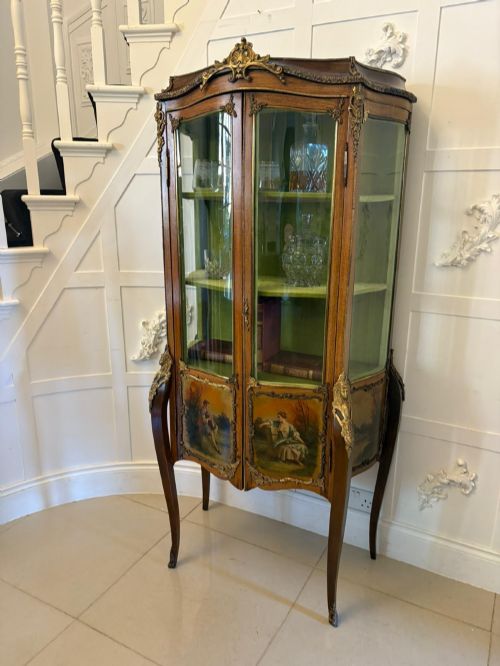
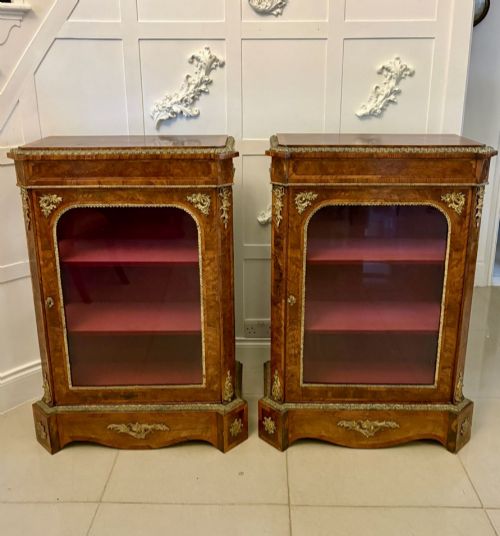
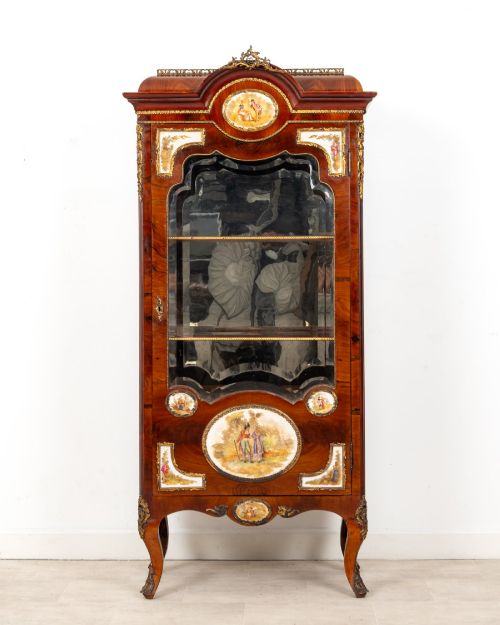
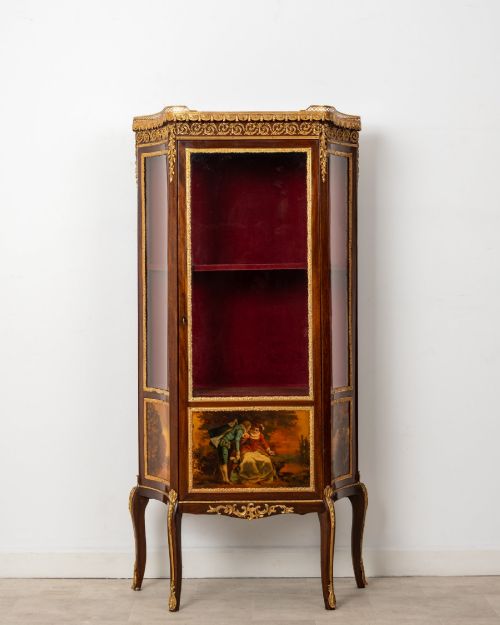
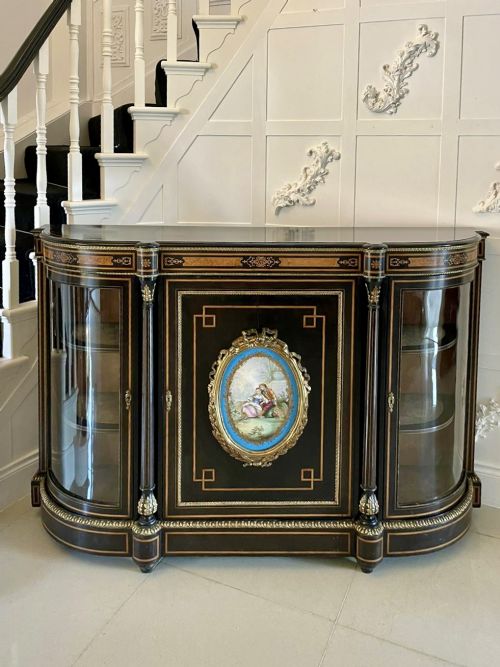
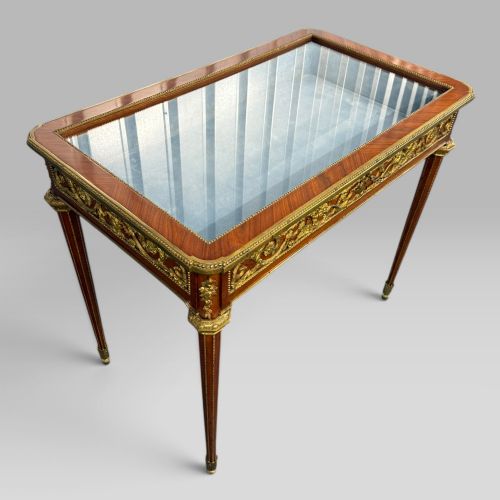
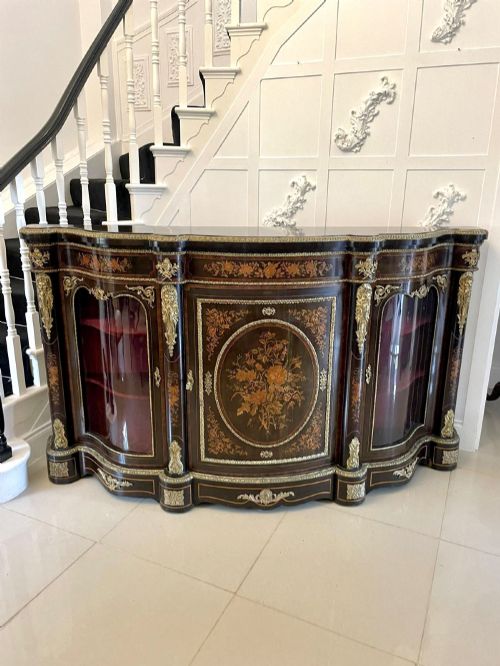
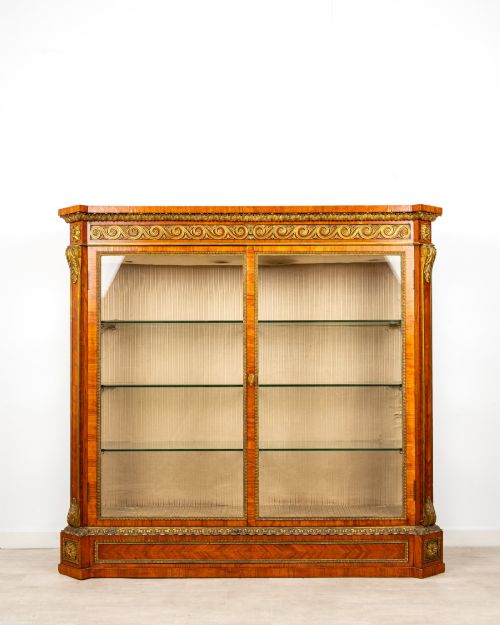
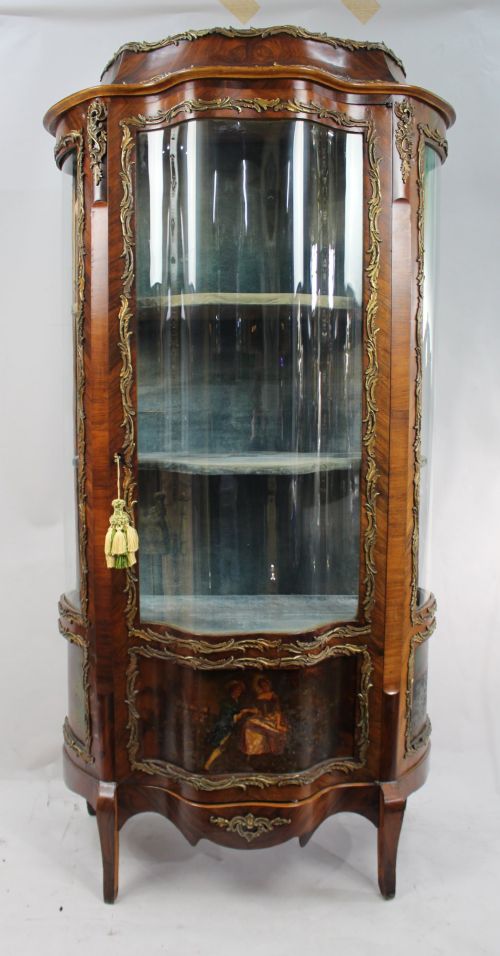
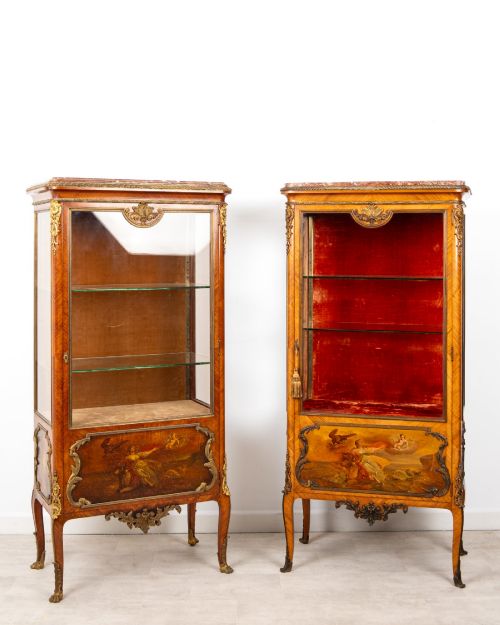
- A glass-fronted display cabinet used for exhibiting delicate porcelain, glass, and small objects. Such furniture pieces often complemented the smaller glass and bronze items placed upon tables within the same interior.
French Bronze Mounted Glass: Frequently Asked Questions
What is french bronze mounted glass?
French bronze mounted glass refers to decorative glassware vessels, bowls, and vases set within cast gilt bronze or ormolu frames.
These objects originated predominantly during the nineteenth century, combining glass manufacturing with intricate metal casting traditions.
How were these glass items used?
Owners placed these pieces on dining tables as centrepieces or on side furniture as decorative ornaments for display.
They served as functional vessels for flowers or food while acting as visual centrepieces in formal drawing rooms.
How do I care for my piece?
Dust the bronze mounts gently with a soft dry cloth and avoid harsh chemical cleaners that might strip the gilding.
Wash the glass component separately using warm soapy water if removable, ensuring the metal mounts remain dry during the process.
How do I identify the period?
Examine the casting style, weight of the metal, and characteristics of the glass to determine the likely manufacturing era.
Pieces from the nineteenth century often feature heavier bronze mounts and revivalist motifs matching documented aesthetic periods.