




French Bronze Box
When you handle a french bronze box, you touch the domestic luxury of nineteenth-century Paris.
French Bronze Box
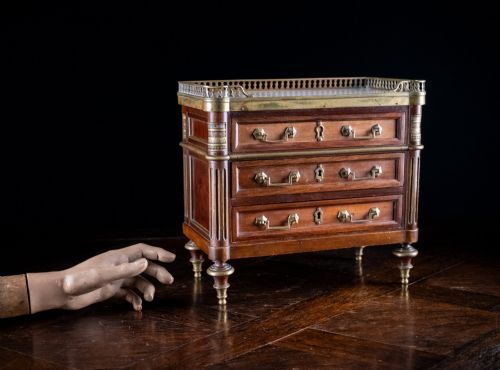
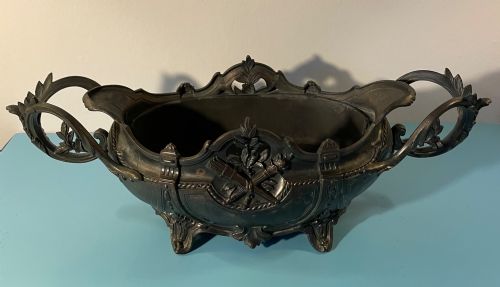
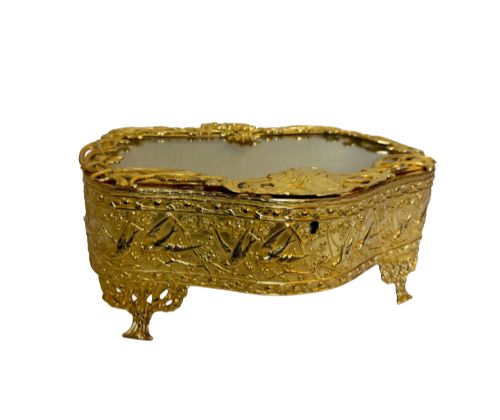
A french bronze box encompasses a range of lidded receptacles produced across the nineteenth century, including jewellery caskets, trinket boxes, and stationary cabinets. These pieces served to safely store personal valuables, letters, and small treasures on dressing tables and writing desks.
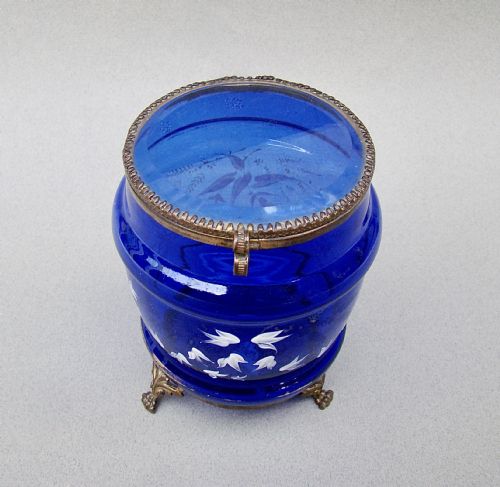
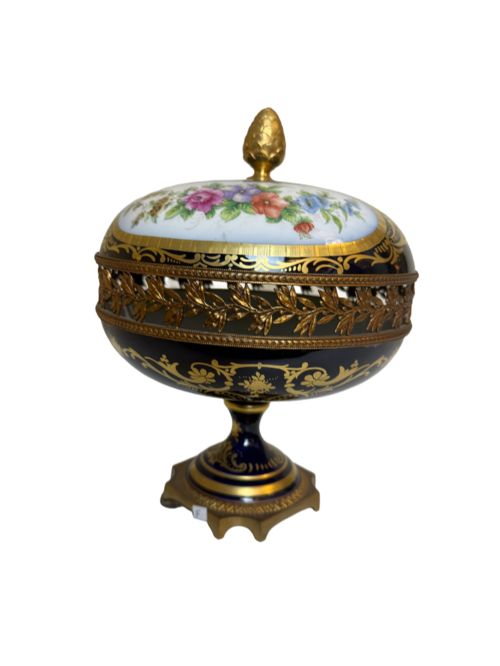
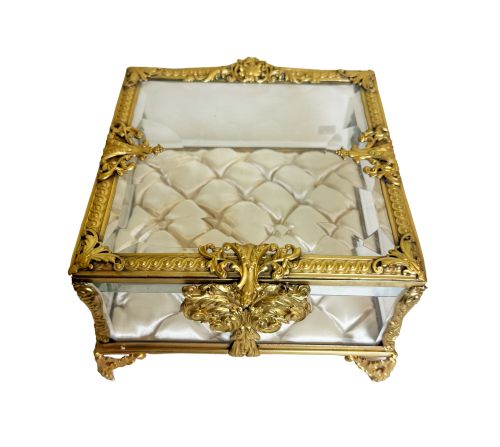
Most examples originate from the 1800s, with a strong concentration of pieces dating from the 1850s to the 1890s under the influence of the Second Empire and Napoleon III aesthetics. Makers utilised diverse secondary materials such as Sevres porcelain plaques, Baccarat crystal, glass, and exotic timbers alongside cast metal frames.
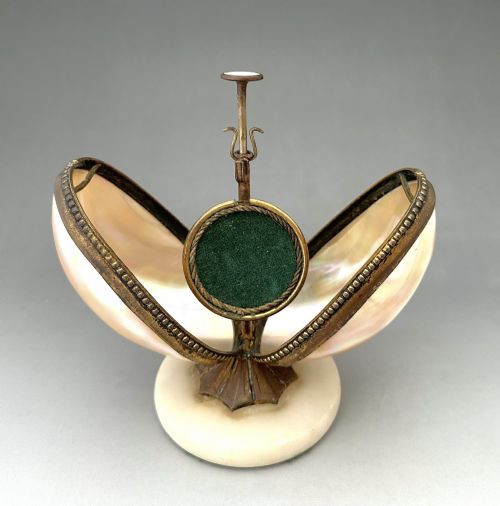
Collectors encounter both simple brass-framed trinket containers and elaborate figural caskets decorated with enamel, malachite, or painted porcelain panels. Smaller novelty items, including Palais Royal sewing companions and egg-shaped receptacles, also appear within this category.
Materials and Construction
Foundry workers cast the bronze and brass mounts using traditional sand-casting methods, subsequently applying fire gilding, mercury gilding, or silvering to the metal surfaces. These mounts formed sturdy structural frames designed to secure delicate glass, porcelain plaques, or polished stone panels.
Cabinetmakers constructed the wooden cores of larger caskets and stationery boxes using oak, walnut, kingwood, olive wood, or ebonised timber, often incorporating intricate marquetry and parquetry. Specialist artisans then fitted hinges, locks, and silk or velvet linings by hand to complete the interior compartments.
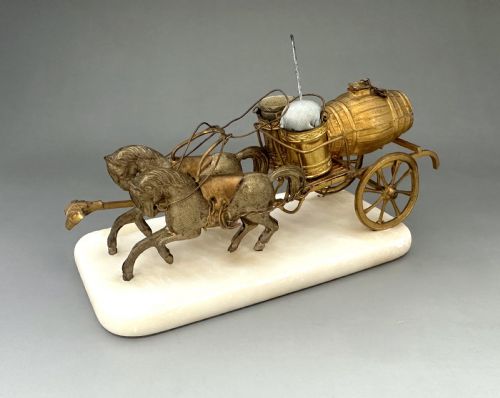
Several Victorian novelties disguise sewing tools and thimbles inside miniature gilt brass horse-drawn carriages and coaches.
Judging Quality
The crispness of the bronze chasing distinguishes superior castings from mass-produced commercial wares, as finer examples exhibit sharp leaf motifs, deep relief, and carefully hand-finished details. Heavier gauge metalwork and tight joinery at the corners indicate conscientious workshop assembly.
The integration of premium decorative elements, such as hand-painted Sevres porcelain plaques, undamaged Baccarat crystal, or flawless malachite panels, elevates the status of a piece. Original silk linings, working locks with matching keys, and intact mercury gilding further separate standard items from exceptional survivals.
Tahan of Paris·Victor Raulin·Maurice Bouval·Mercier Feres
The French Bronze Box Glossary
- Ormolu
- Gilded bronze used widely for decorative mounts, furniture hardware, and casket frames during the eighteenth and nineteenth centuries. The technique involves applying a gold-mercury amalgam to a bronze base before heating.
- Sevres
- Porcelain produced by the royal French factory, celebrated for fine hand-painted pastoral scenes and distinctive cobalt blue ground colours. These porcelain plaques frequently decorate the lids of jewellery caskets.
- Bijouterie table
- A display table featuring a glazed top and velvet-lined interior designed specifically for exhibiting small valuable items and jewellery. They share identical ormolu mounts and stylistic vocabularies with smaller tabletop boxes.
- Cartonnier
- A decorative cabinet or stand fitted with multiple upright compartments or drawers for holding papers, letters, and documents. These desk accessories often feature substantial bronze mounts and marquetry veneers.
- Palais Royal
- A term associated with luxury goods, mother-of-pearl novelties, and sewing companions retailed from the arcades of the Palais Royal in Paris during the nineteenth century. These items are prized for miniature craftsmanship and novelty forms.
French Bronze Box: Frequently Asked Questions
What were antique french bronze boxes used for?
Wealthy owners placed these decorative receptacles on dressing tables, mantelpieces, and desks to secure precious rings, brooches, letters, and personal keepsakes. They functioned both as practical storage and as visible displays of domestic refinement.
Interior compartments often included fitted velvet or silk trays specifically tailored for holding delicate trinkets, pocket watches, and calling cards safely away from dust.
How do I date a nineteenth century bronze box?
Dating relies on observing stylistic markers, manufacturing techniques, and secondary materials that shift across the decades. Pieces displaying heavy classical symmetry often point to the earlier decades of the century, while ornate floral revivals and extensive porcelain usage align with the Second Empire.
Examining the construction of hinges, locks, and the composition of the bronze alloy provides further clues regarding whether an item belongs to the Regency era or the late Victorian period.
How should I clean ormolu and bronze mounts?
Metal mounts require very gentle maintenance to preserve any remaining gilding or natural patination built up over generations. Dusting with a soft, dry brush prevents particle buildup without wearing down vulnerable surface treatments.
Moisture and commercial metal polishes must be avoided entirely, as abrasive liquids strip away mercury or gold finishes and damage adjacent wooden or porcelain components permanently.
Are these boxes fragile for daily use?
While the cast bronze frames and wooden cores offer sturdy structural support, inset materials such as glass panels, porcelain plaques, and mirrors require careful handling. Hinges and locking mechanisms should be operated smoothly without applying excessive force to the key.
Placing the container away from direct sunlight and fluctuating humidity protects internal silk linings and prevents adhesives holding delicate stones from drying out over time.