



French Bronze Bird Sculpture
These french bronze bird sculpture pieces capture avian forms across animalier and art deco periods, offering collectors detailed metalwork and naturalistic studies.
French Bronze Bird Sculpture
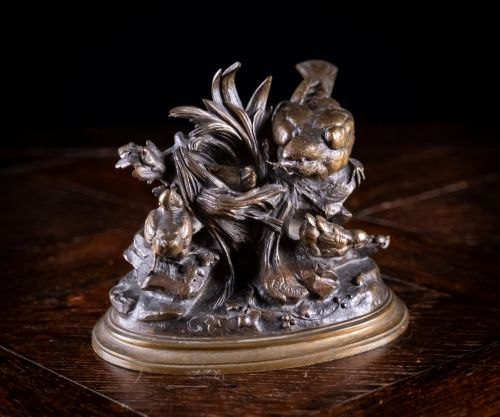
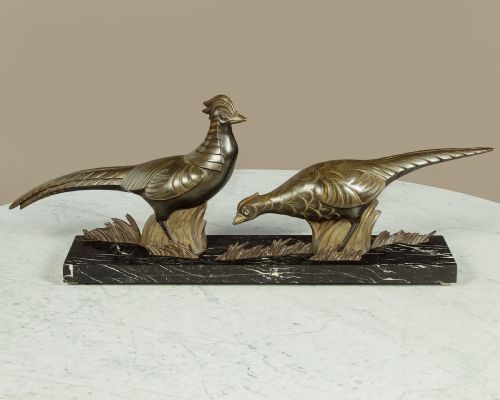
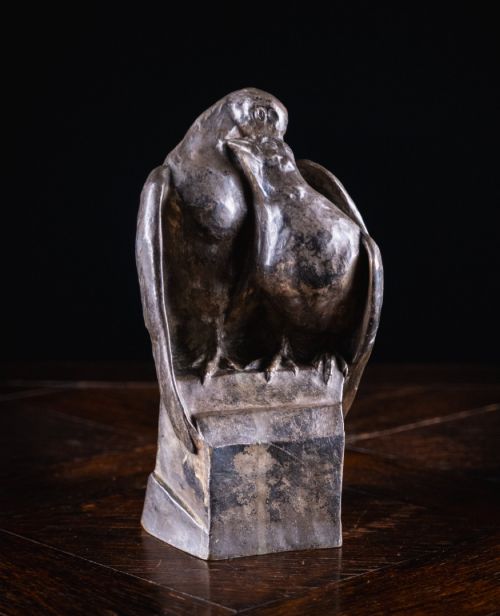
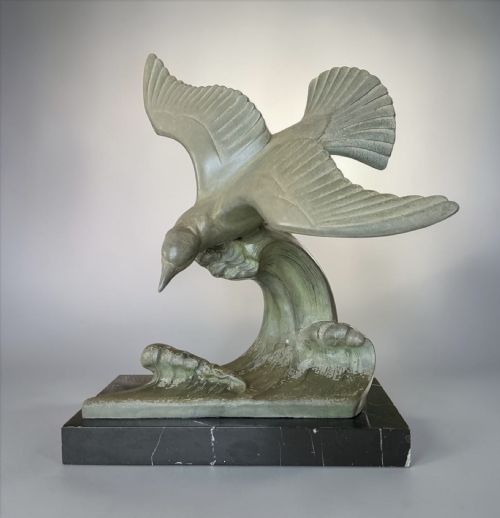
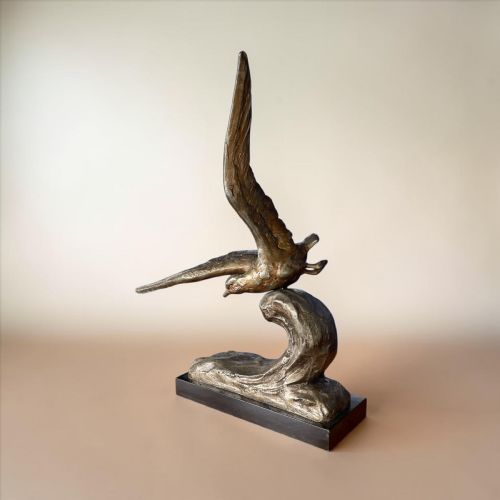
When you search for french bronze bird sculpture, you encounter animalier studies from the nineteenth century alongside streamlined modernist creations from the art deco era. These works range from single figures of eagles, pheasants, and seagulls to complex groups involving nests, branches, and figurative pairings.
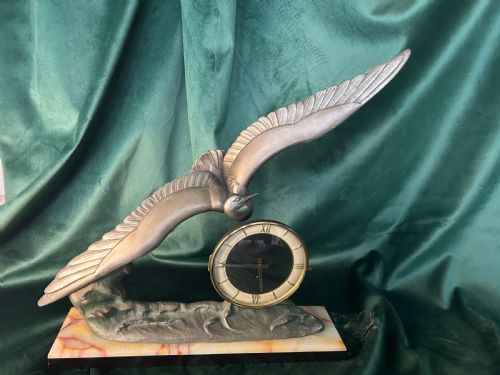
The versions most likely to meet you on this page include nineteenth century animalier castings of birds of prey and game birds, as well as nineteen-thirties figures mounted upon marble or onyx bases. Functional objects such as inkwells, table lamps, mantel clocks, and bookends also integrate these avian sculptures.
Originating predominantly from French workshops and foundries, these pieces span periods from the mid-nineteenth century through the nineteen-thirties. The selection demonstrates how makers translated the posture and plumage of various species into solid metal.
Materials and construction methods
Foundries utilised cast bronze, patinated metal, spelter, and nickel bronze to achieve varying surface tones and textures. Gilt bronze and ormolu finishes appear alongside dark patinations, accentuating the fine detail of feathers and wings.
Many sculptures incorporate mounting bases fashioned from marble or onyx, providing weight and contrast to the metal figures. Founders employed traditional casting techniques, sometimes working with specialised reduction methods or marking pieces with foundry stamps.
Listings feature works spanning the 1850s to 1930, utilising bronze, marble, onyx, and spelter across animalier and art deco styles.
Assessing quality in castings
The definition and crispness of the chasing separate superior castings from softer secondary work. Superior examples retain fine feather detailing and clean junction lines where separate components meet.
The integration between the metal sculpture and its stone base indicates the care taken during assembly. High quality pieces exhibit balanced composition, secure mountings, and sophisticated patination that ages evenly across the surface.
Antoine Louis Barye·Christophe Fratin·P J Mêne·Ferdinand Pautrot·Maurice Bouval
The French Bronze Bird Sculpture Glossary
- Animalier
- A nineteenth-century artistic movement focused on the realistic portrayal of animals. Sculptors in this tradition observed live specimens closely to capture authentic musculature and movement.
- Patina
- The surface coloration and sheen developed naturally over time or applied chemically by the foundry. It protects the metal and highlights fine sculptural details.
- Spelter
- A zinc alloy commonly utilised as a less expensive alternative to bronze during the nineteenth and early twentieth centuries. It often received a bronze-coloured coating to simulate true metal.
- Ormolu
- Finely ground high-carat gold applied to a bronze object using a mercury amalgamation process. This technique produces a rich, durable golden finish.
- Chasing
- The manual finishing process where a metalworker refines the surface of a raw casting using small hammers and punches. This step restores details lost during the moulding process.
French Bronze Bird Sculpture: Frequently Asked Questions
How do I identify animalier bronze birds?
Animalier bird sculptures typically display realistic anatomical proportions, detailed plumage, and naturalistic stances derived from direct observation of wildlife. Look for signature engravings on the bronze surface or base, alongside foundry stamps that indicate the producing workshop.
Nineteenth-century pieces often focus on raptors, game birds, and wading birds in dynamic or resting poses. The presence of a signature or founder mark helps connect the work to established French sculptors of the period.
What is the difference between bronze and spelter?
Bronze is an alloy of copper and tin that offers durability, weight, and the capacity to hold fine surface detail through patination. Spelter is a softer, zinc-based alloy that was frequently used for decorative figures and usually requires a faux finish to resemble bronze.
When examining a piece, weight and magnetic properties often help distinguish the two materials, as spelter is lighter and more brittle. Bronze pieces generally exhibit sharper casting lines and a deeper, more resonant metallic quality.
How should I clean a bronze bird sculpture?
Dust bronze sculptures gently with a soft, dry cloth to prevent the accumulation of grit in recessed feather details. Avoid using water, abrasive household cleaners, or metal polishes that can strip away the original patina.
If the piece requires further attention, consult a professional conservator specialising in metalwork. Preserving the surface layer protects the historic character of the casting.
Why are some birds mounted on marble bases?
Marble and onyx bases provided stability and architectural structure for sculptures, particularly during the art deco period. These stone plinths added physical weight to prevent tipping and created a contrasting visual frame for the metalwork.
Art deco bookends, mantel clocks, and desk accessories frequently utilised marble bases to integrate functional objects with sculptural bird figures. The colour and grain of the stone often complemented the patination of the bronze above.